What Causes Flame Rollout Switch To Trip
It's a cold winter evening, and you're looking forward to a cozy night in. But then, the heating stops. You check your thermostat, and it seems fine. You hear a click, but the furnace refuses to kick on. A likely culprit? A tripped flame rollout switch. This article will guide you through troubleshooting this common issue, empowering you to identify the problem and potentially fix it yourself while emphasizing safety every step of the way.
Understanding the Flame Rollout Switch
First, let's understand what a flame rollout switch is and why it's so important. The flame rollout switch is a crucial safety device in your furnace. Its primary function is to detect flames that are rolling out or escaping from the burner area in an uncontrolled manner. This is extremely dangerous because it can lead to overheating, fire hazards, and carbon monoxide poisoning.
When the switch detects a flame where it shouldn't be, it automatically shuts off the gas supply to the furnace, preventing further complications. Think of it as a fire alarm specifically for your furnace. A tripped flame rollout switch is a serious indication that something is wrong and needs immediate attention.
What Causes a Flame Rollout Switch to Trip?
Several factors can cause a flame rollout switch to trip. Identifying the root cause is essential for a lasting solution. Here are some common culprits:
- Blocked Flue: A blocked or obstructed flue is a major cause. The flue is the pipe that vents exhaust gases (including carbon monoxide) outside your home. If it's blocked by debris (like bird nests, leaves, or snow), the gases can't escape properly, leading to a backdraft that forces flames out of the burner area.
- Dirty Burners: Dirty or corroded burners can cause an irregular flame pattern. The flame might become unstable and flicker, potentially reaching the flame rollout switch.
- Cracked Heat Exchanger: This is a serious issue that requires professional attention. A cracked heat exchanger allows exhaust gases to leak into your home's air supply, including carbon monoxide. It can also disrupt the airflow and cause flame rollout.
- Insufficient Combustion Air: Furnaces need adequate air to burn fuel efficiently. If there's not enough combustion air, the flame may not burn correctly and could roll out.
- Overfiring: If the furnace is burning too much fuel, it can overheat and cause flame rollout. This is usually a problem with the gas valve or gas pressure.
- Faulty Flame Rollout Switch: Although less common, the switch itself could be faulty and tripping unnecessarily.
- Improper Venting: Incorrectly installed or damaged venting can also cause backdrafts and flame rollout.
Troubleshooting Steps: A DIY Guide (with Safety First!)
Before you start, remember that working with gas and electricity can be dangerous. If you're uncomfortable with any of these steps, or if you suspect a gas leak, immediately call a qualified HVAC technician. Safety is paramount!
Step 1: Safety First! Turn Off the Power and Gas
The most crucial step is to turn off the power to the furnace at the breaker box. This will prevent electrical shock. Then, turn off the gas supply to the furnace at the gas valve. The valve is usually located on the gas pipe leading to the furnace. Turn it so that it's perpendicular to the pipe – this indicates that it's in the "off" position.
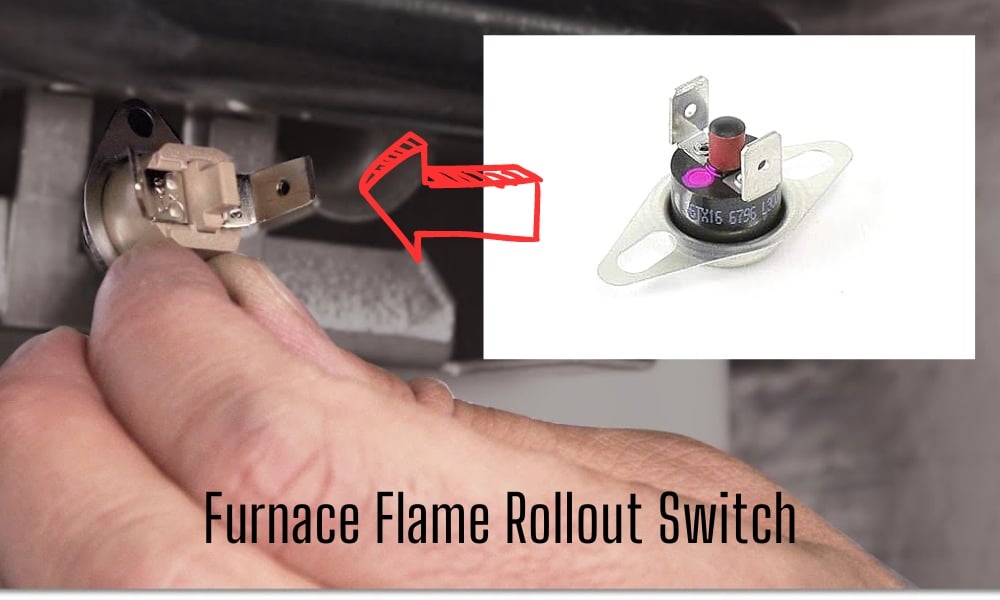
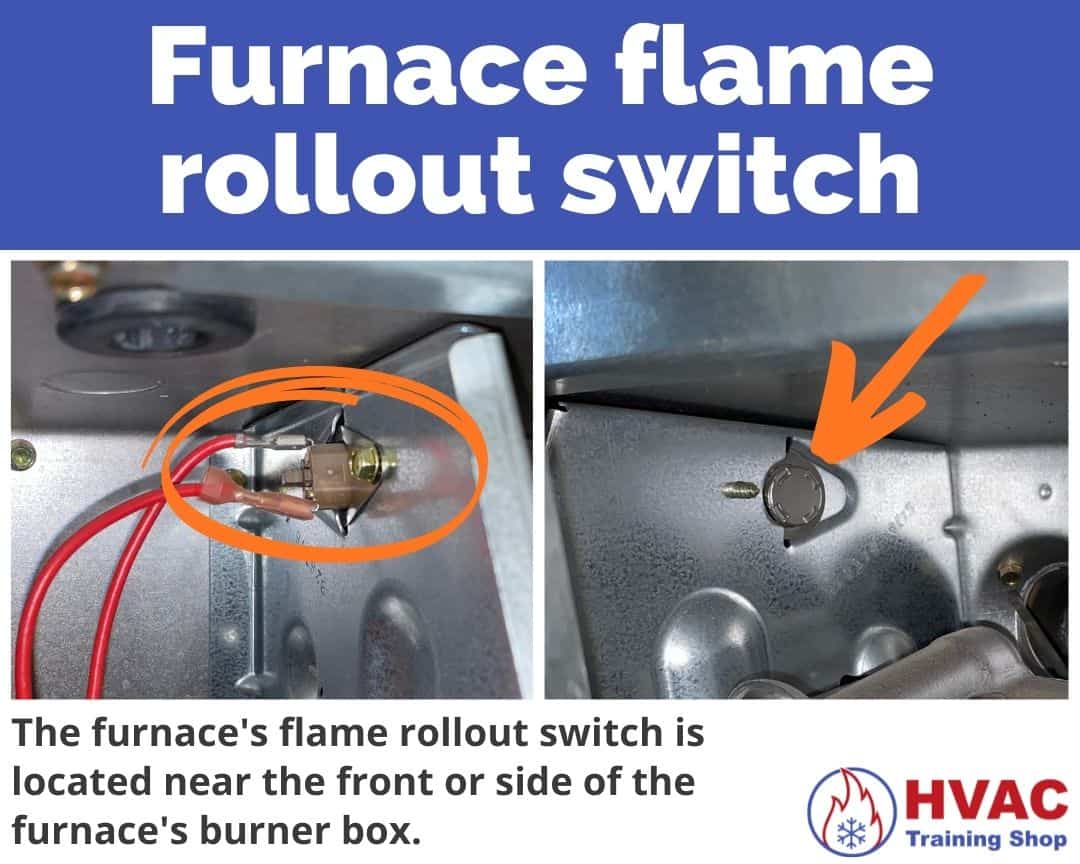
Step 2: Locate the Flame Rollout Switch(es)
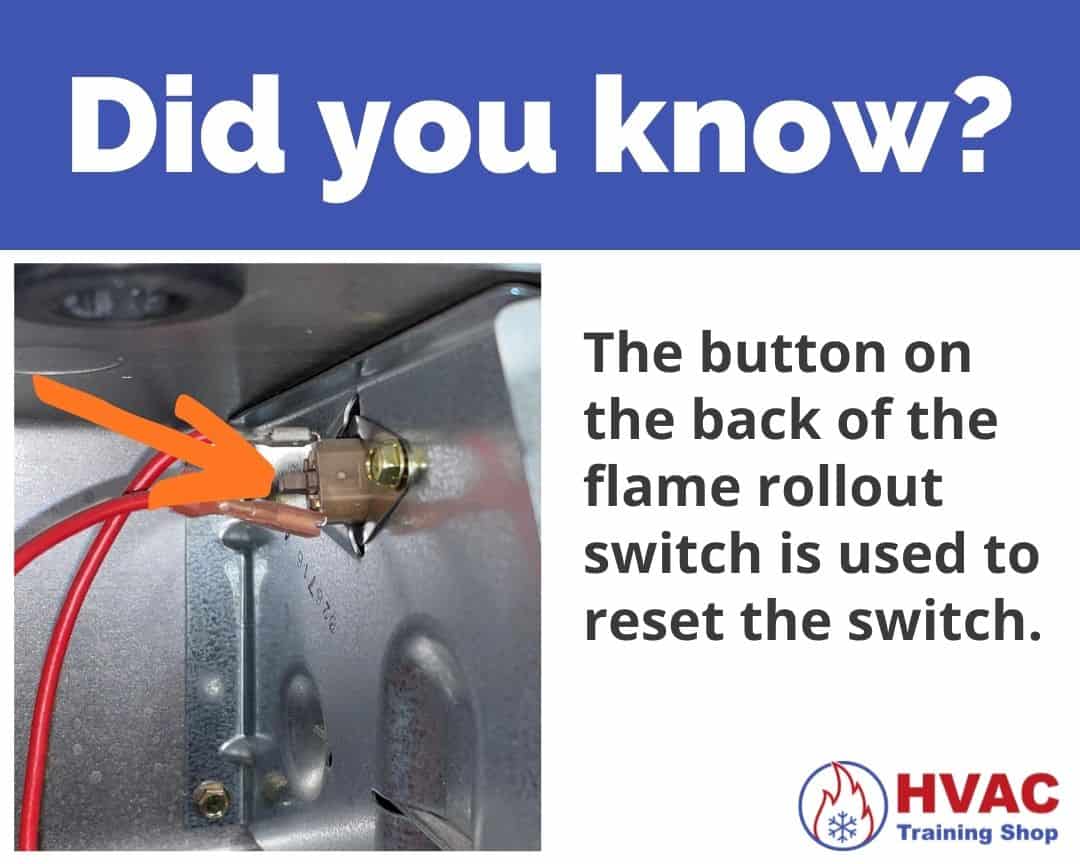
Flame rollout switches are typically small, round or rectangular devices located near the burners. They often have a small button in the center that needs to be reset. There may be one or more switches.
Step 3: Visual Inspection: Look for Obvious Problems
- Check the Flue: Go outside and visually inspect the flue pipe for any obvious blockages. Look for bird nests, leaves, snow, or other debris. If you see anything, try to clear it from the ground using a long pole or brush. Do not climb on the roof unless you are properly trained and equipped.
- Inspect the Burners: Look at the burners inside the furnace. Are they clean, or are they covered in dust, rust, or soot? Are the flames burning evenly and with a blue color? Yellow or orange flames can indicate a problem.
- Check for Soot or Damage: Look for signs of soot around the furnace or on the walls. This can indicate a backdraft and incomplete combustion. Also, visually inspect the furnace for any signs of damage, such as cracks or rust.
Step 4: Clearing a Blocked Flue (DIY with Caution)
If you suspect a blocked flue and can safely access and clear it from the ground, proceed with caution. Use a long pole, brush, or even a shop vac to remove any visible debris. After clearing the blockage, re-inspect to ensure it's clear.
Important Safety Note: If you are not comfortable or able to safely clear the flue from the ground, contact a professional HVAC technician or chimney sweep. They have the tools and expertise to safely remove blockages.Step 5: Cleaning Dirty Burners (Basic DIY)
If the burners appear dirty, you can try cleaning them. Ensure the gas and power are OFF.
- Use a Vacuum Cleaner: Use a vacuum cleaner with a brush attachment to gently remove loose dust and debris from the burners.
- Use a Wire Brush: For stubborn dirt or rust, you can use a small wire brush. Be gentle to avoid damaging the burners.
Do not use water or cleaning solvents on the burners. Make sure the burners are completely dry before reassembling the furnace.
Step 6: Resetting the Flame Rollout Switch
Once you've addressed any potential causes (like clearing a blocked flue or cleaning the burners), you can try resetting the flame rollout switch. Locate the small button on the switch and press it firmly. You should hear a click.
Step 7: Restore Power and Gas, and Test
Carefully restore the gas supply by turning the gas valve parallel to the pipe. Then, restore the power to the furnace at the breaker box. Set your thermostat to call for heat and observe the furnace as it starts up.
- Monitor the Flame: Watch the flame through the viewing window (if your furnace has one). The flame should be blue and stable.
- Listen for Unusual Noises: Pay attention to any unusual noises, such as banging, rattling, or hissing.
- Check for Smells: Be alert for any unusual smells, especially the smell of gas or burning. If you smell gas, immediately turn off the gas supply and call your gas company or a qualified HVAC technician.
Step 8: What if the Switch Trips Again?
If the flame rollout switch trips again after you've reset it, this indicates a more serious problem that requires professional attention. Do not keep resetting the switch and running the furnace. This is extremely dangerous and can lead to fire or carbon monoxide poisoning. Turn off the furnace and call a qualified HVAC technician.
When to Call a Professional: Non-DIY Issues
Certain issues are beyond the scope of a homeowner's DIY repair and require the expertise of a qualified HVAC technician. Never attempt to repair these issues yourself:
- Cracked Heat Exchanger: This is a major safety hazard. A cracked heat exchanger can leak carbon monoxide into your home. A professional will need to inspect and potentially replace the heat exchanger.
- Gas Leaks: If you suspect a gas leak, immediately evacuate the premises and call your gas company or a qualified HVAC technician.
- Complex Gas Valve or Gas Pressure Issues: Adjusting gas valves or gas pressure requires specialized tools and knowledge. Improper adjustments can lead to dangerous situations.
- Electrical Problems: If you suspect electrical problems within the furnace, such as a faulty control board or wiring issues, call a qualified electrician or HVAC technician.
- Persistent Tripping After Basic Troubleshooting: If you've tried the basic troubleshooting steps and the flame rollout switch continues to trip, it's time to call in a professional. This indicates a more complex underlying problem.
- Improper Venting: Modifying or repairing venting systems requires specialized knowledge to ensure proper drafting and prevent backdrafting.
Preventative Maintenance: Keeping Your Furnace Healthy
Regular preventative maintenance can help prevent flame rollout switch problems and extend the life of your furnace. Here are some tips:
- Annual Furnace Inspection: Schedule an annual furnace inspection by a qualified HVAC technician. They can identify and address potential problems before they become major issues.
- Filter Replacement: Replace your furnace filter regularly (usually every 1-3 months). A dirty filter restricts airflow and can cause the furnace to overheat.
- Clear the Area Around the Furnace: Keep the area around the furnace clear of clutter. This will ensure proper airflow and prevent flammable materials from coming into contact with the furnace.
- Inspect the Flue Regularly: Visually inspect the flue pipe for any signs of blockage or damage.
- Carbon Monoxide Detectors: Install carbon monoxide detectors on every level of your home, especially near sleeping areas. Test them regularly to ensure they are working properly.
Conclusion: Empowered and Safe
Troubleshooting a tripped flame rollout switch can seem daunting, but by following these steps, you can often identify and resolve the problem safely. Remember to prioritize safety above all else. If you're uncomfortable with any of the steps, or if you suspect a serious problem, don't hesitate to call a qualified HVAC technician. Regular maintenance and a healthy dose of caution will keep your furnace running safely and efficiently for years to come.