What Causes Grease Fires
.jpg)
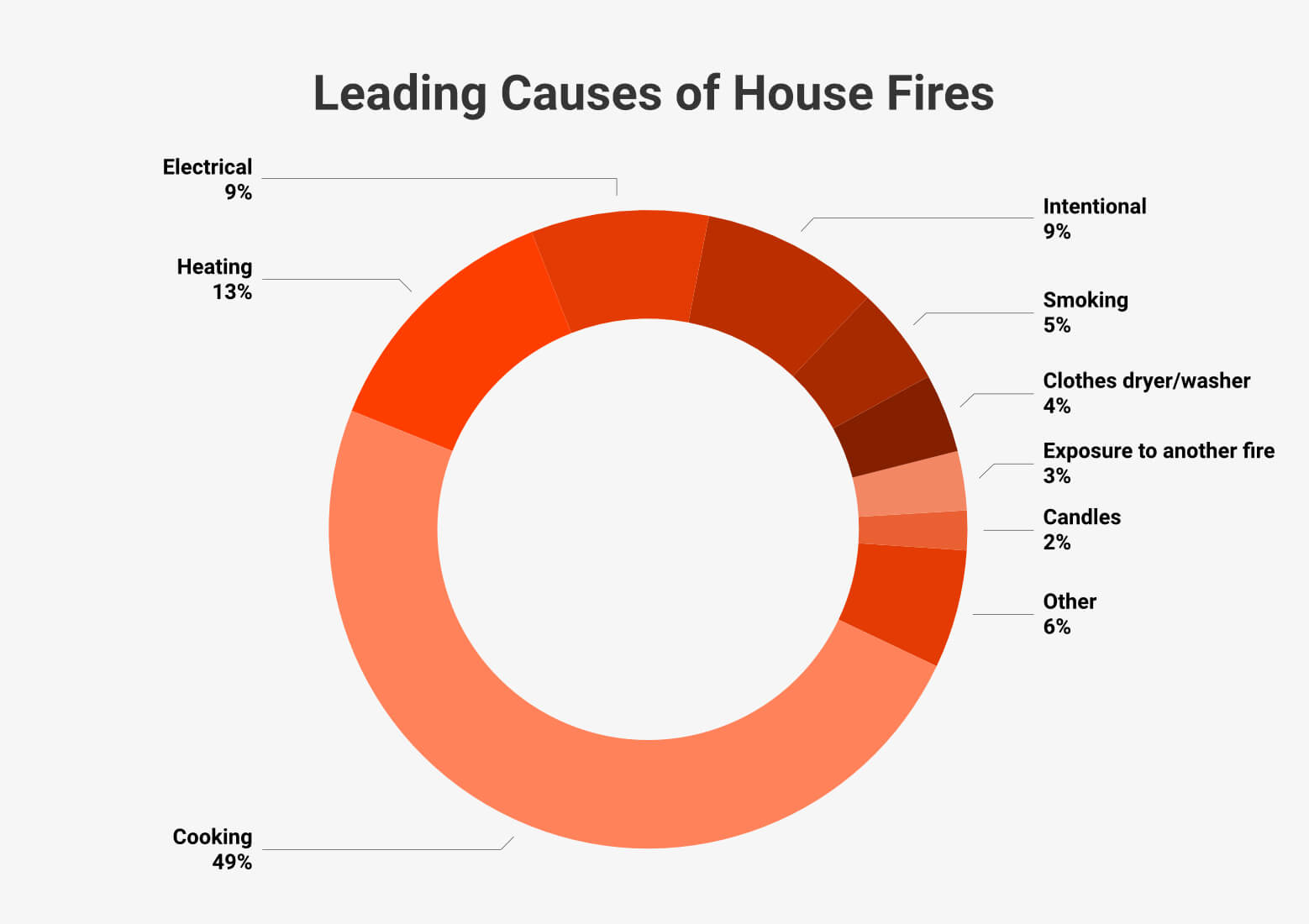
One of the most common kitchen emergencies homeowners face is a grease fire. It happens more often than you think, and understanding the causes and how to prevent them is crucial for kitchen safety.
Understanding the Culprits Behind Grease Fires
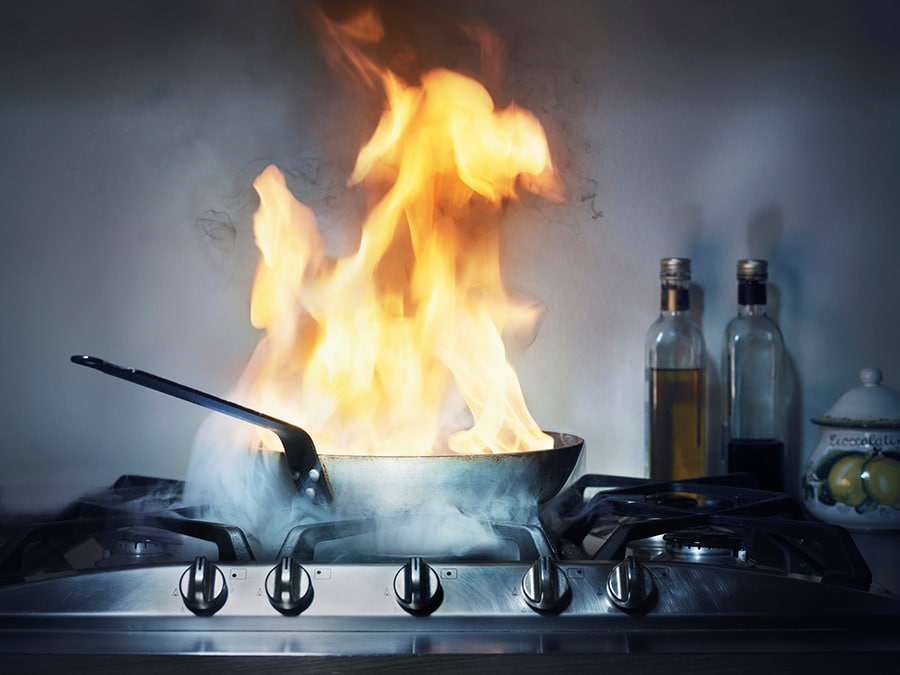
Grease fires, unlike other types of fires, are fueled by cooking oils and fats. Because of this unique fuel source, they require a specific approach when it comes to prevention and extinguishing. Here are the main culprits:
1. Excessive Heat: The Primary Ignition Factor
The most frequent cause of grease fires is simply overheating cooking oil. Every oil has a smoke point – the temperature at which it starts to break down and produce visible smoke. If the oil continues to heat beyond its smoke point, it will eventually reach its flash point, where it can spontaneously ignite.
Several factors can contribute to excessive heat:
- Unattended Cooking: Leaving a stove unattended while cooking, especially with high heat, is a major risk factor.
- Incorrect Temperature Setting: Using a stove burner on high heat when a medium or low setting would suffice is a common mistake.
- Faulty Stove Thermostat: A malfunctioning thermostat may cause the burner to overheat regardless of the setting.
2. Contamination: Introducing Foreign Substances
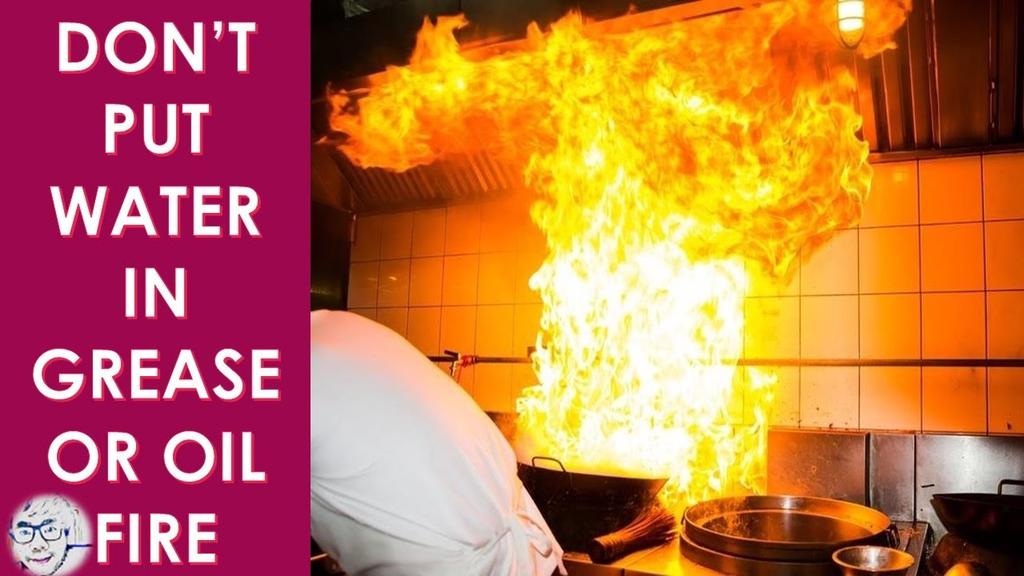
Introducing water or other foreign substances into hot oil can cause a sudden and violent reaction. This happens because water quickly turns to steam when it hits the hot oil, expanding rapidly and splashing the oil, which can then ignite if it's hot enough.
Common contaminants include:
- Water: Even a small amount of water in the oil, on food being fried, or on utensils can cause splattering and potentially a fire.
- Food Particles: Bits of food left in the oil from previous cooking sessions can burn and lower the oil's smoke point, making it more prone to ignition.
- Excessive Moisture on Food: Placing overly wet food items into hot oil introduces moisture that can lead to dangerous splattering and potentially ignite the oil.
3. Dirty Cooking Equipment: A Recipe for Disaster
Using cooking equipment that isn't properly cleaned can also contribute to grease fires. Built-up grease and food residue can ignite more easily, lowering the overall ignition point of the cooking oil.
Consider the following:
- Unclean Fryers: Deep fryers that aren't regularly cleaned accumulate grease and food particles that can easily ignite.
- Dirty Stovetops: Grease splatters and spills on the stovetop can ignite if they come into contact with an open flame or a hot burner.
- Greasy Range Hood Filters: Range hood filters are designed to trap grease, but if they aren't cleaned regularly, they become saturated and pose a significant fire hazard.
4. Improper Ventilation: A Secondary, But Significant, Factor
While not a direct cause, poor ventilation can exacerbate the risk of grease fires. Without adequate ventilation, smoke and fumes from cooking, including those emitted when oil is overheated, can accumulate, increasing the likelihood of ignition if they come into contact with a flame or other heat source. This is especially true if you have an open flame pilot light on your stove or other nearby appliance.
Preventing Grease Fires: Proactive Steps for a Safer Kitchen
Prevention is always better than cure. By taking a few simple precautions, you can significantly reduce the risk of a grease fire in your kitchen:
1. Control the Heat: Maintain Safe Temperatures
Never leave cooking oil unattended, especially when using high heat. Use a cooking thermometer to monitor the oil's temperature and ensure it doesn't exceed its smoke point. Select the appropriate burner setting for the task at hand. If unsure, start with a lower heat setting and gradually increase it as needed.
2. Keep it Dry: Minimize Moisture Exposure
Before adding food to hot oil, pat it dry with paper towels to remove excess moisture. Be particularly careful when frying frozen foods, as they tend to contain a significant amount of water. Never pour water into hot oil. Even a small amount of water can cause a dangerous explosion.
3. Cleanliness is Key: Maintain Your Equipment
Regularly clean your stovetop, oven, and range hood to remove grease and food residue. Clean deep fryers according to the manufacturer's instructions. Replace or clean range hood filters frequently. A clean kitchen is a safer kitchen.
4. Ventilation Matters: Ensure Air Circulation
Always use your range hood when cooking with oil. This helps to remove smoke and fumes from the air, reducing the risk of ignition. Ensure your kitchen has adequate ventilation by opening windows or using a fan.
5. Choose the Right Oil: Understand Smoke Points
Different oils have different smoke points. When deep frying, use oils with a high smoke point, such as canola, sunflower, or peanut oil. Avoid using oils with low smoke points, such as olive oil or butter, for high-heat cooking.
Diagnosing Potential Grease Fire Hazards: A Step-by-Step Guide
If you're concerned about a potential grease fire hazard in your kitchen, here's a methodical approach to identify and address the issue:
Step 1: Visual Inspection (No Tools Required)
Start with a thorough visual inspection of your cooking area:
- Check your Stovetop: Is there excessive grease buildup around the burners or on the stovetop surface? Look for dried spills or splatters.
- Examine your Range Hood: Is the range hood filter clogged with grease? Can you see a thick layer of grease on the hood itself?
- Inspect your Deep Fryer: (If applicable) Is the fryer clean and free of food particles? Is the oil level appropriate? Is the heating element clean?
- Observe your Cooking Habits: Are you frequently cooking with high heat? Do you often leave cooking oil unattended? Are you using the correct type of oil for your cooking methods?
Step 2: Basic Thermostat Check (No Tools Required)
While a truly accurate thermostat check requires specialized equipment, you can perform a basic visual assessment:
- Observe Burner Behavior: Does the burner appear to be heating evenly? Does it cycle on and off properly? If the burner is constantly on, even at a low setting, it might indicate a faulty thermostat.
- Check for Scorched Food: Are you frequently burning food, even when using lower heat settings? This could be a sign that the thermostat is not regulating the temperature correctly.
Step 3: Assess Ventilation (No Tools Required)
- Run the Range Hood: Does the range hood effectively remove smoke and fumes from the kitchen? If the airflow is weak or nonexistent, the filter may be clogged or the fan motor may be malfunctioning.
- Evaluate Airflow: Is the kitchen well-ventilated? Can you open windows to improve air circulation?
Step 4: Temperature Measurement (Requires a Cooking Thermometer)
Use a cooking thermometer to check the temperature of your cooking oil during use:
- Monitor Oil Temperature: As you heat the oil, regularly check the temperature with a cooking thermometer. Ensure the oil isn't exceeding its smoke point. Note the temperature at which the oil begins to smoke. If this temperature is significantly lower than the oil's published smoke point, it could indicate contamination or degradation of the oil.
DIY Actions to Mitigate Grease Fire Hazards (Simple & Safe)
Based on your diagnosis, here are some simple and safe DIY actions you can take:
1. Thorough Cleaning (No Tools Required)
- Clean your Stovetop: Use a degreasing cleaner to thoroughly clean your stovetop, removing all grease and food residue.
- Clean or Replace Range Hood Filters: Remove and clean your range hood filters with hot, soapy water or replace them with new filters.
- Clean your Deep Fryer: (If applicable) Clean your deep fryer according to the manufacturer's instructions.
2. Improved Cooking Practices (No Tools Required)
- Lower Heat Settings: Reduce the heat settings you use when cooking with oil.
- Never Leave Unattended: Never leave cooking oil unattended.
- Pat Food Dry: Always pat food dry before adding it to hot oil.
- Use Appropriate Oil: Choose oils with high smoke points for frying and high-heat cooking.
3. Enhanced Ventilation (No Tools Required)
- Use Range Hood: Always use your range hood when cooking with oil.
- Improve Airflow: Open windows or use a fan to improve air circulation in the kitchen.
When to Call a Professional: Recognizing Technical or Risky Issues
Certain grease fire-related issues require the expertise of a qualified HVAC technician or appliance repair professional. Do not attempt to repair these problems yourself, as it could be dangerous.
- Faulty Stove Thermostat: If you suspect that your stove thermostat is malfunctioning, do not attempt to repair it yourself. A faulty thermostat can lead to overheating and potential fires. Call a qualified appliance repair technician to diagnose and replace the thermostat.
- Range Hood Malfunctions: If your range hood isn't working properly, such as a weak fan or a broken motor, contact an HVAC technician to inspect and repair the unit. Working with electrical components can be hazardous.
- Electrical Problems: If you suspect an electrical problem with your stove or range hood, such as a short circuit or a loose wire, immediately turn off the power to the appliance at the circuit breaker and call a qualified electrician.
- Gas Leaks: If you smell gas near your stove or oven, immediately evacuate the building and call your gas company or the fire department. Do not attempt to locate or repair the leak yourself.
By understanding the causes of grease fires, taking preventative measures, and knowing when to seek professional help, you can create a safer and more enjoyable cooking environment in your home. Remember, safety is paramount in the kitchen!