What Causes High Head Pressure In Heat Mode

High head pressure in heat mode can be a significant headache for HVAC technicians and a costly problem for homeowners. Understanding the causes, symptoms, and solutions is crucial for maintaining efficient and reliable heating systems. This article delves into the common culprits behind high head pressure during heating operation, offering insights for students, professionals, and employers in the HVAC industry.
Understanding High Head Pressure in Heat Pumps
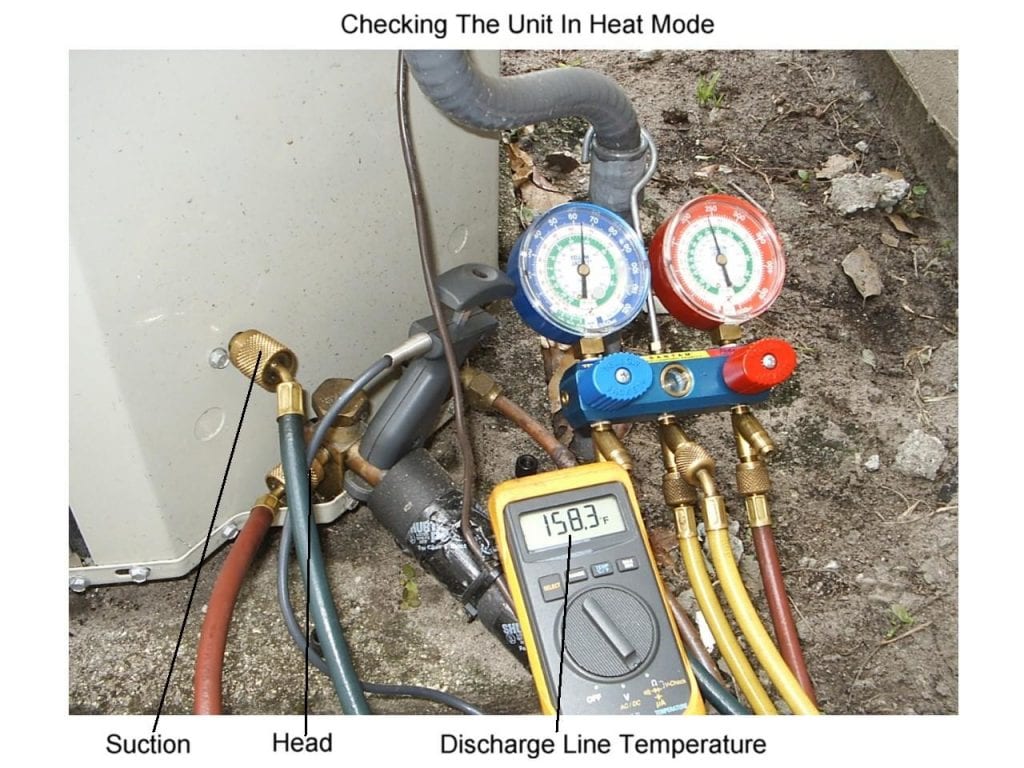
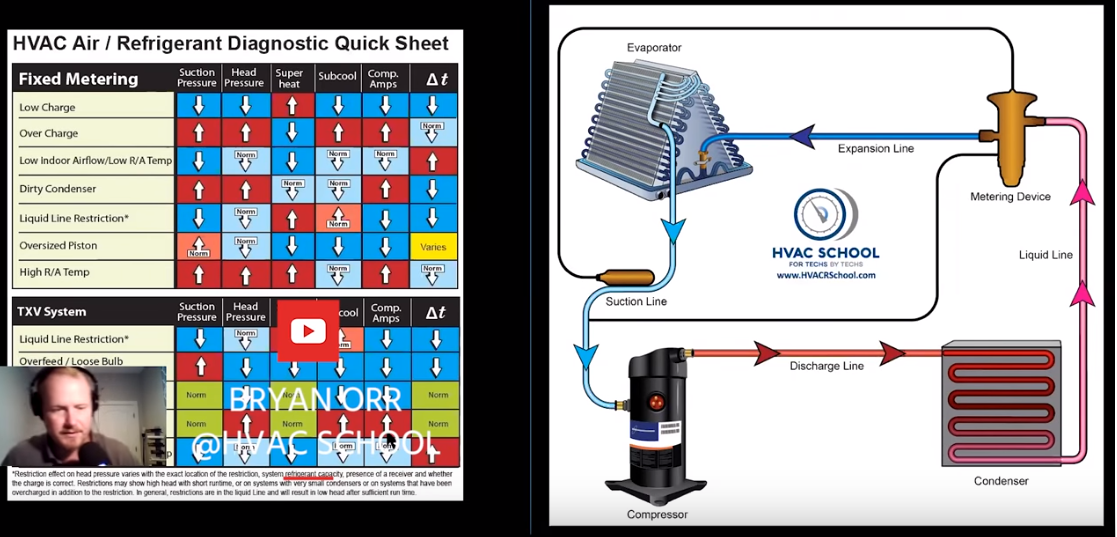
Before diving into the causes, it's essential to understand what constitutes high head pressure. In a heat pump system, the refrigerant absorbs heat from the outside air (even in cold weather) and transfers it indoors. The compressor increases the pressure and temperature of the refrigerant, and this high-pressure, high-temperature refrigerant then releases its heat to the indoor air via the indoor coil. The "head pressure" refers to the pressure on the high side of the system, specifically after the compressor and before the metering device (usually a TXV or piston).
In heat mode, the outdoor coil becomes the evaporator and the indoor coil becomes the condenser. Higher than normal head pressure indicates that the refrigerant is not releasing heat effectively, or that something is restricting the flow of refrigerant on the high side.
Why High Head Pressure Matters
High head pressure can lead to several issues:
- Reduced Efficiency: The compressor works harder, consuming more energy.
- Increased Wear and Tear: Higher stress on components like the compressor shortens their lifespan.
- System Shutdown: Safety controls may trip, shutting down the system to prevent damage.
- Compressor Failure: Prolonged operation with high head pressure can lead to catastrophic compressor failure, a very costly repair.
Common Causes of High Head Pressure in Heat Mode
Several factors can contribute to high head pressure when a heat pump is in heating mode. Here’s a breakdown of the most common:
1. Restricted Airflow Across the Indoor Coil
This is perhaps the most frequent cause. When airflow across the indoor coil is restricted, the refrigerant cannot effectively release heat, leading to a pressure buildup. Common culprits include:
- Dirty Air Filter: A clogged air filter restricts airflow, reducing the heat exchange capacity of the indoor coil. Regular filter replacement is crucial.
- Dirty Indoor Coil: Dust, dirt, and debris accumulation on the indoor coil impede heat transfer. Professional coil cleaning is often necessary.
- Blocked Supply or Return Vents: Obstructed vents limit airflow to and from the indoor unit.
- Collapsed or Disconnected Ductwork: Damaged ductwork restricts airflow and reduces system efficiency.
- Incorrect Fan Speed: If the fan speed is too low, it won't move enough air across the coil.
2. Overcharge of Refrigerant
Adding too much refrigerant to the system can significantly increase head pressure. An overcharged system has more refrigerant than it's designed to handle, leading to higher pressures throughout the cycle. Accurate refrigerant charging is vital, and technicians should always follow the manufacturer's specifications.
3. Non-Condensables in the Refrigerant
Air, moisture, or other non-condensable gases in the refrigerant system can raise head pressure. These contaminants do not condense in the same way as refrigerant, taking up space and increasing pressure. Proper evacuation of the system during installation and repair is essential to prevent this issue.
4. Restriction in the Refrigerant Line
A blockage or restriction in the refrigerant line, such as a kinked pipe or a clogged filter drier, can impede refrigerant flow and increase head pressure. These restrictions often occur due to improper installation or corrosion. Regular inspection and maintenance can help identify and address these problems.
5. Faulty Expansion Valve (TXV)
While less common in heat mode compared to cooling, a malfunctioning TXV can still contribute to high head pressure. If the TXV is not opening properly to allow sufficient refrigerant flow to the evaporator coil (outdoor coil in heat mode), the system can back up, leading to increased head pressure.
6. Defective Compressor
Although less frequent than airflow problems, a failing compressor can contribute to high head pressure. Internal leakage or damage to the compressor valves can reduce its efficiency and increase head pressure. Compressor problems often require replacement of the entire unit.
Troubleshooting High Head Pressure: A Technician's Approach
When diagnosing high head pressure, HVAC technicians should follow a systematic approach:
- Check the Air Filter: This is the first and easiest step. A dirty filter is a common culprit.
- Inspect the Indoor Coil: Visually inspect the coil for dirt and debris. Use a mirror and flashlight to see all areas.
- Measure Refrigerant Pressures: Use accurate gauges to measure both high-side and low-side pressures. Compare readings to the manufacturer's specifications.
- Check for Airflow Issues: Verify that supply and return vents are open and unobstructed. Inspect ductwork for damage.
- Superheat and Subcooling Measurements: These measurements can provide valuable insights into the system's refrigerant charge and performance.
- Check the Condenser Fan Motor: Ensure the fan is operating correctly and moving air across the coil.
- Refrigerant Analysis: If contamination is suspected, a refrigerant analysis can identify non-condensables or other issues.
Career Opportunities and the Importance of Certifications
The HVAC industry offers a wide range of career opportunities, from entry-level technician positions to specialized roles like system designers, energy auditors, and project managers. According to the Bureau of Labor Statistics, the median annual wage for HVACR mechanics and installers was $51,390 in May 2021. The job outlook is projected to grow 5 percent from 2021 to 2031, about average for all occupations.
Earning certifications is crucial for career advancement and demonstrating competency. Some key certifications include:
- EPA Section 608 Certification: Required for technicians who handle refrigerants. Different levels (Type I, Type II, Type III, and Universal) authorize technicians to work on different types of equipment.
- NATE (North American Technician Excellence): A widely recognized certification that validates a technician's knowledge and skills. NATE offers certifications in various specialties, including heat pumps.
- HVAC Excellence: Another respected certification program that offers certifications for students and professionals.
Real-World Career Paths
Here are a few examples of career paths in the HVAC industry:
- Entry-Level Technician: Starts with basic tasks like filter replacement, coil cleaning, and assisting experienced technicians.
- Service Technician: Diagnoses and repairs HVAC systems, including troubleshooting high head pressure issues.
- Installation Technician: Installs new HVAC systems, ensuring proper sizing and installation practices.
- HVAC Supervisor/Manager: Oversees a team of technicians, managing projects and ensuring quality control.
- HVAC Design Engineer: Designs HVAC systems for new construction and renovation projects. Requires a bachelor's degree in mechanical engineering.
Salaries vary depending on experience, location, and certifications. Experienced service technicians with NATE certification can earn significantly more than entry-level technicians. Employers often prioritize hiring candidates with certifications, as it demonstrates a commitment to professionalism and competence.
The Employer's Perspective
For employers in the HVAC industry, hiring skilled and certified technicians is crucial for providing high-quality service and maintaining a competitive edge. Investing in employee training and certification programs can lead to:
- Improved Customer Satisfaction: Skilled technicians are better equipped to diagnose and repair problems efficiently.
- Reduced Callbacks: Proper diagnosis and repair minimize the likelihood of repeat service calls.
- Increased Efficiency: Well-trained technicians can optimize system performance, reducing energy consumption.
- Enhanced Reputation: A reputation for quality service attracts and retains customers.
Many employers offer apprenticeship programs and tuition reimbursement to support employee development. Partnering with local trade schools and technical colleges is another way to recruit and train qualified technicians. Employers should also stay up-to-date on the latest industry trends and technologies, such as variable refrigerant flow (VRF) systems and smart thermostats.
Conclusion
High head pressure in heat mode is a common but complex issue that requires a thorough understanding of HVAC systems and troubleshooting techniques. By understanding the causes, following a systematic approach to diagnosis, and earning relevant certifications, HVAC professionals can provide effective solutions and ensure the reliable operation of heating systems. For students, professionals, and employers alike, investing in training, education, and certification is essential for success in the dynamic and growing HVAC industry.