What Causes High Head Pressure In Refrigeration

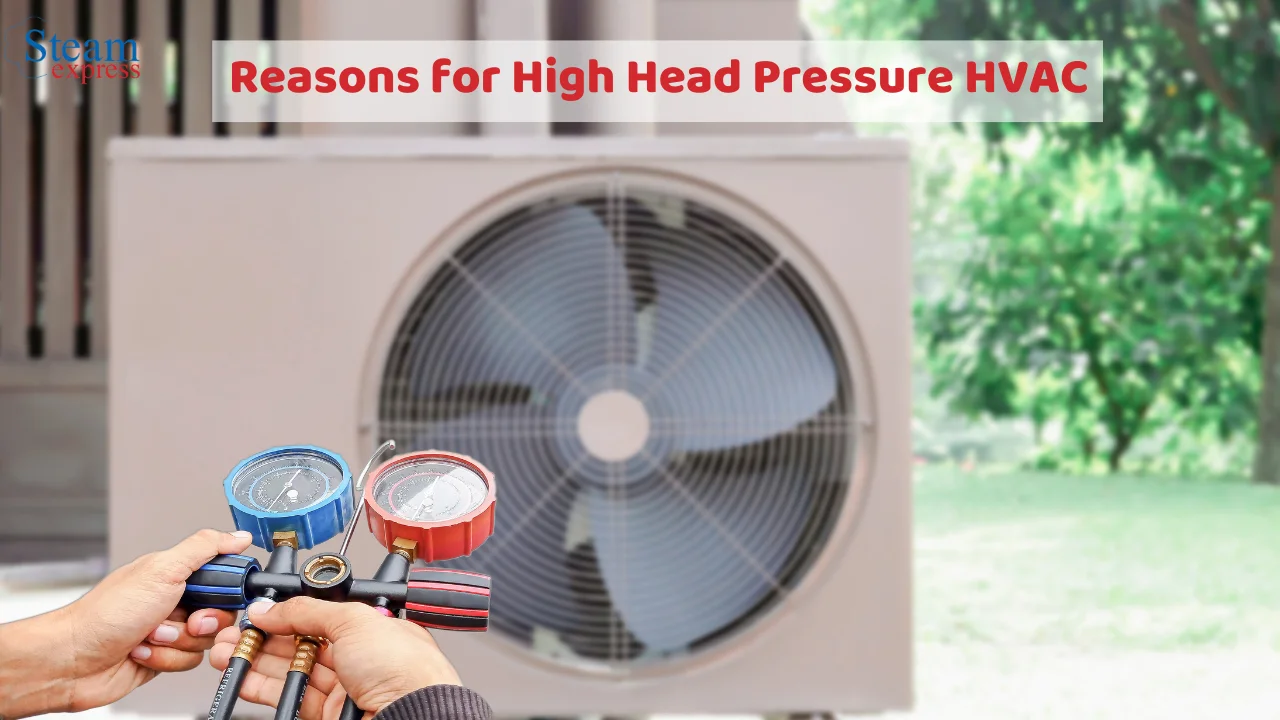
High head pressure in a refrigeration system, like an air conditioner or refrigerator, is a common problem that can lead to inefficiency, damage, and even complete system failure. Understanding the causes of high head pressure is crucial for proper maintenance and troubleshooting. Think of refrigerant as the 'blood' of your AC system, carrying heat from inside to outside. When the head pressure is too high, it's like having high blood pressure – the system is working harder than it should, and problems are bound to arise.
What is Head Pressure?
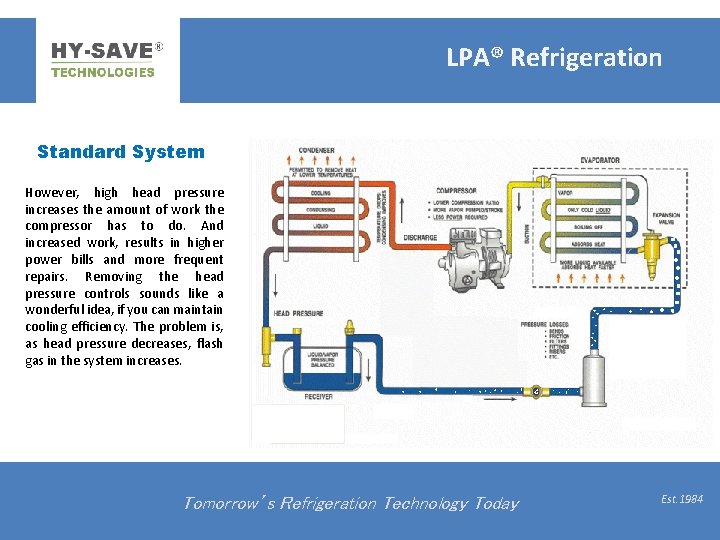
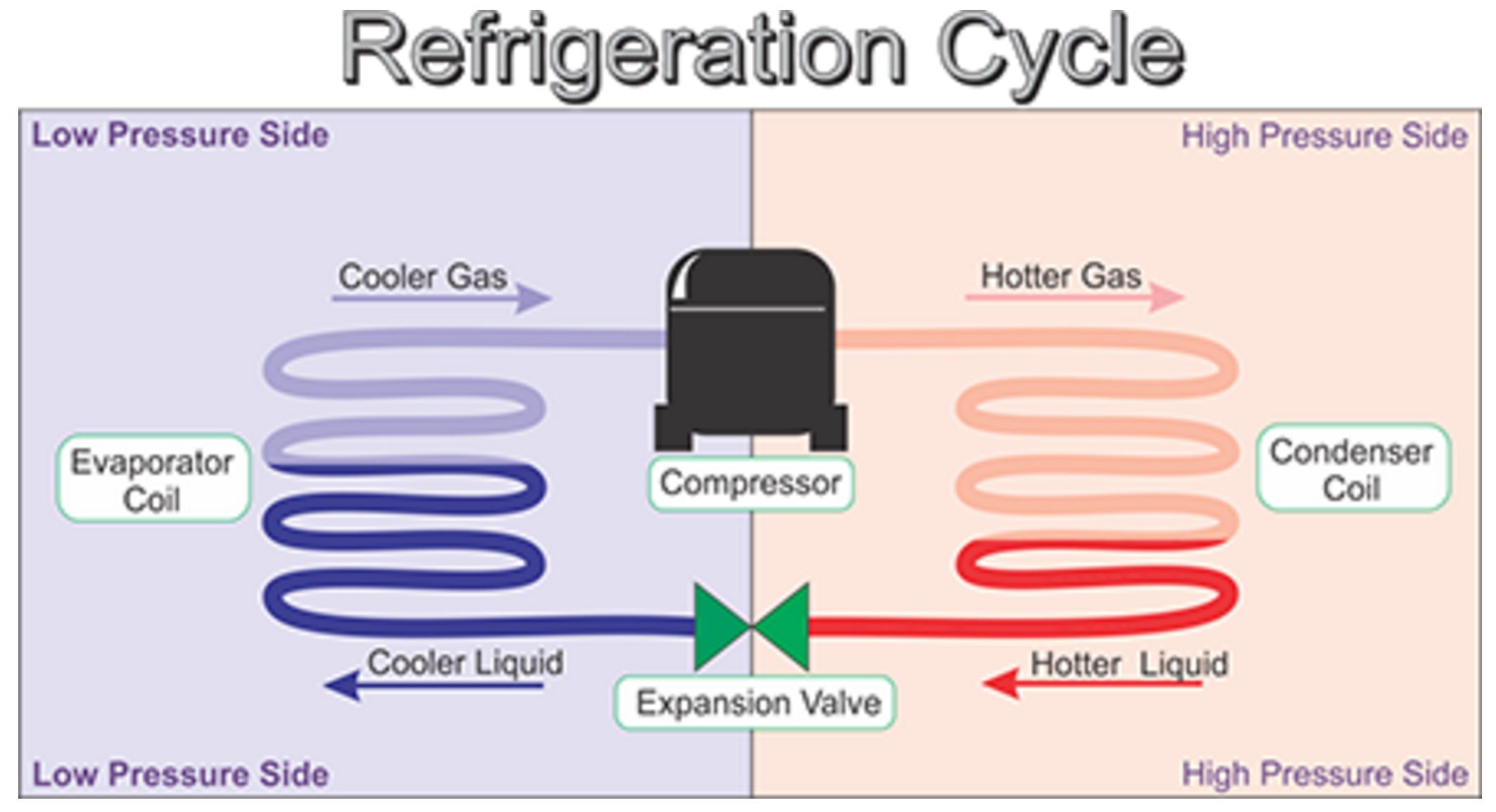
Head pressure refers to the pressure on the high-pressure side of the refrigeration system. This is the pressure in the condenser, where the refrigerant releases heat and changes from a gas to a liquid. A normal head pressure ensures efficient heat rejection and proper operation of the expansion valve, which controls the flow of refrigerant into the evaporator.
When the head pressure is too high, it indicates that the system is having difficulty rejecting heat. This increased pressure puts a strain on the compressor, reduces its lifespan, and can lead to energy waste and inadequate cooling.
Common Causes of High Head Pressure
There are several reasons why a refrigeration system might experience high head pressure. Let's examine the most common culprits:
1. Dirty or Blocked Condenser Coil
The condenser coil is responsible for releasing heat from the refrigerant to the outside air. If the coil is dirty, dusty, or blocked by debris like leaves or grass clippings, the airflow is restricted, and the heat cannot be dissipated effectively. This causes the refrigerant to remain hotter and maintain a higher pressure.
Think of it like trying to breathe through a clogged mask. Your body has to work harder to get the same amount of air, just like the compressor has to work harder to push the refrigerant through a blocked condenser.
Solution: Regularly clean the condenser coil with a soft brush or a fin comb to remove any dirt or debris. Consider using a hose with a gentle spray nozzle to rinse the coil. Avoid using high-pressure washers, as they can damage the delicate fins on the coil.
2. Restricted Airflow Around the Condenser
Even if the condenser coil itself is clean, restricted airflow around the unit can still cause high head pressure. This can occur if the condenser is placed in a confined space with poor ventilation, or if objects are blocking the airflow to or from the unit.
Imagine trying to cool yourself down in a crowded, stuffy room versus a well-ventilated one. The air in the crowded room is already warm, so it's harder for your body to release heat. The same principle applies to the condenser.
Solution: Ensure that there is adequate clearance around the condenser unit. Remove any obstructions that may be blocking airflow, such as bushes, fences, or stored items. Aim for at least 2-3 feet of clearance on all sides of the unit.
3. Overcharged Refrigerant
Adding too much refrigerant to the system, known as overcharging, can significantly increase head pressure. When the system is overcharged, there is excessive refrigerant in the condenser, hindering efficient heat rejection. The condenser becomes overwhelmed, leading to higher pressures and temperatures.
Think of it like overfilling a glass of water. There's simply too much liquid in the container, and it can spill over. Similarly, too much refrigerant in the system can cause problems.
Solution: A qualified HVAC technician must carefully remove excess refrigerant to achieve the proper charge. They will use specialized gauges and tools to measure the system pressures and adjust the refrigerant level accordingly. Never attempt to remove refrigerant yourself without proper training and equipment, as it can be dangerous and illegal.
4. Non-Condensables in the System
Non-condensable gases, such as air, nitrogen, or moisture, can contaminate the refrigeration system. These gases do not condense at the same temperature and pressure as the refrigerant, taking up valuable space in the condenser and preventing the refrigerant from releasing heat effectively. This leads to increased head pressure.
Imagine trying to bake a cake with air bubbles mixed into the batter. The cake won't rise properly and will have an uneven texture. Similarly, non-condensables in the system disrupt the refrigeration process.
Solution: A vacuum pump should be used to evacuate the system before charging it with refrigerant. This removes any air and moisture that may be present. If non-condensables are suspected, a qualified technician must purge the system and recharge it properly.
5. High Ambient Temperature
The ambient temperature, or the temperature of the air surrounding the condenser, plays a crucial role in heat rejection. On extremely hot days, the condenser has to work harder to release heat to the already warm air. This can lead to temporarily elevated head pressure, especially in systems that are not properly maintained.
Think of trying to cool down with a fan on a hot day versus a cool day. The fan is more effective when the surrounding air is cooler. Similarly, the condenser is more effective at rejecting heat when the ambient temperature is lower.
Solution: While you can't control the weather, you can ensure that the condenser is properly maintained and has adequate airflow. You can also consider shading the condenser unit during the hottest part of the day to help reduce its workload. In some cases, a more powerful unit or a unit with a higher SEER rating may be necessary in particularly hot climates.
6. Liquid Line Restriction
A restriction in the liquid line, which carries liquid refrigerant from the condenser to the expansion valve, can also cause high head pressure. This restriction can be caused by a kinked or damaged line, a clogged filter drier, or a faulty expansion valve. The restriction reduces the flow of refrigerant to the evaporator, causing it to back up in the condenser and increase the pressure.
Imagine trying to drink through a straw that's been partially blocked. You have to suck harder to get the same amount of liquid, and the pressure in the straw increases. Similarly, a restriction in the liquid line increases the pressure in the condenser.
Solution: A qualified technician must inspect the liquid line for any signs of damage or blockage. The filter drier should be replaced regularly, and the expansion valve should be tested to ensure it is functioning properly. Any restrictions in the line should be repaired or replaced.
7. Faulty Compressor
A failing or faulty compressor can contribute to high head pressure. If the compressor is not pumping refrigerant efficiently, it can cause a buildup of pressure in the condenser. This can be due to worn valves, internal leaks, or other mechanical issues.
Think of the compressor as the heart of the system. If the heart is weak or damaged, it can't pump blood effectively, leading to high blood pressure. Similarly, a faulty compressor can't pump refrigerant effectively, leading to high head pressure.
Solution: A qualified technician must diagnose the compressor to determine if it is functioning properly. If the compressor is found to be faulty, it may need to be repaired or replaced. Compressor replacement is a major repair and should only be performed by a trained professional.
8. Bad Condenser Fan Motor
The condenser fan is responsible for drawing air across the condenser coil to facilitate heat rejection. If the fan motor is failing or the fan blades are damaged, the airflow across the coil will be reduced, leading to high head pressure. A weak motor will not spin the fan blades at the correct speed, impeding efficient heat transfer.
Imagine trying to dry your hair with a hairdryer that has a weak motor. The airflow will be weak, and it will take much longer to dry your hair. Similarly, a weak condenser fan motor will reduce airflow across the coil, making it harder to reject heat.
Solution: Inspect the condenser fan motor and blades for any signs of damage. If the motor is not running properly, it should be replaced. Ensure that the fan blades are clean and free of any obstructions.
Preventative Measures
Regular maintenance is key to preventing high head pressure and extending the life of your refrigeration system. Here are some preventative measures you can take:
- Regularly clean the condenser coil: Use a soft brush or fin comb to remove dirt and debris.
- Ensure adequate airflow: Keep the area around the condenser unit clear of obstructions.
- Change the air filter: A dirty air filter restricts airflow to the evaporator coil, indirectly affecting head pressure.
- Schedule professional maintenance: A qualified HVAC technician can inspect the system, check refrigerant levels, and identify potential problems before they become serious.
Conclusion
High head pressure is a serious issue that can significantly impact the performance and lifespan of your refrigeration system. By understanding the common causes and taking preventative measures, you can help keep your system running efficiently and avoid costly repairs. If you suspect that your system is experiencing high head pressure, it is crucial to consult a qualified HVAC technician for proper diagnosis and repair. Remember, attempting to diagnose and repair refrigeration systems yourself without proper training and equipment can be dangerous and may void your warranty. Prioritize regular maintenance to ensure your system operates smoothly and efficiently for years to come.