What Causes Mold In Air Ducts
Mold in air ducts is a common problem that can affect indoor air quality, system efficiency, and even your health. Understanding the causes of mold growth within your HVAC (Heating, Ventilation, and Air Conditioning) system is the first step in preventing and addressing this issue effectively. This article will explore the various factors that contribute to mold in air ducts, offering practical advice for homeowners, HVAC technicians, and facility managers.
The Moisture Connection: The Primary Cause
Mold thrives in damp, dark environments, and air ducts can unfortunately provide the perfect conditions. The most significant cause of mold in air ducts is excess moisture. Several factors can lead to this excess moisture:
Condensation
Condensation occurs when warm, moist air comes into contact with a cold surface. In HVAC systems, this often happens on the exterior of air ducts, especially those located in unconditioned spaces like attics, crawl spaces, or basements. In the summer, cool air flowing through the ducts chills their surfaces, leading to condensation if the surrounding air is humid. Similarly, in the winter, warm, humid air from inside the house can condense on cold duct surfaces located in unheated areas.
Example: Imagine a metal duct running through an uninsulated attic in Florida during the summer. The temperature inside the duct might be 55°F (13°C), while the attic temperature soars to 120°F (49°C) with high humidity. This temperature difference creates a perfect scenario for condensation to form on the duct's outer surface.
This condensation can then seep into the ductwork through small gaps or imperfections in the seals, providing the moisture necessary for mold to grow. Poorly insulated ducts exacerbate this problem, as they are more susceptible to temperature fluctuations.
Leaks
Leaks in the ductwork can introduce moisture from various sources. Roof leaks, plumbing leaks, and even groundwater intrusion can all contribute to mold growth. Even small leaks can provide a constant source of moisture, allowing mold to establish itself and spread throughout the system.
Inspect for water stains around ductwork, especially near joints and connections. Water stains may indicate a leak that needs immediate attention. A simple test for duct leaks involves using a smoke pen or incense stick near duct seams to see if the smoke is drawn into the ductwork, indicating a leak.
High Humidity Levels
Consistent high humidity levels inside the home or building create a favorable environment for mold growth in general. Air ducts, particularly those with poor insulation or leaks, are especially vulnerable. High humidity can be caused by a variety of factors, including inadequate ventilation, leaky roofs, or even indoor activities like showering or cooking.
Consider using a dehumidifier to lower the humidity level in your home, especially in damp areas like basements or bathrooms. Aim to maintain a relative humidity level below 60% to inhibit mold growth.
Improperly Sized or Installed HVAC Systems
An improperly sized HVAC system can lead to excessive cooling, resulting in condensation within the ductwork. Oversized air conditioners, for instance, cool the air too quickly, not allowing enough time for the system to properly dehumidify the air. This can leave the air ducts damp, creating a breeding ground for mold. Poorly installed systems can have gaps or leaks in the ductwork, which can also allow moisture to enter.
A properly sized system will run for longer cycles, allowing it to effectively remove moisture from the air. An HVAC load calculation should be performed by a qualified technician to determine the appropriate size for your home. This calculation considers factors such as climate, insulation levels, window area, and the number of occupants.
The Dirt Factor: Food for Mold
Mold requires organic matter to feed on. Dust, pollen, pet dander, and other debris that accumulate in air ducts provide this food source. The combination of moisture and organic matter creates an ideal environment for mold to flourish.
Dust and Debris Accumulation
Over time, air ducts naturally accumulate dust, debris, and other contaminants. This buildup provides a food source for mold, especially when combined with moisture. Regularly cleaning your air ducts can help remove these contaminants and prevent mold growth.
Air filters play a crucial role in preventing dust and debris from entering the ductwork. Choose a filter with a high MERV (Minimum Efficiency Reporting Value) rating to effectively capture smaller particles. Change your air filter regularly, typically every 1-3 months, depending on the filter type and air quality.
Organic Matter
Leaves, twigs, and even dead rodents can find their way into air ducts, especially if there are gaps or openings. These organic materials provide a rich food source for mold and can significantly contribute to its growth.
Ensure that all ductwork is properly sealed and that any openings are covered with screens or grates to prevent debris and pests from entering. Regularly inspect the exterior of your HVAC system and the surrounding areas for any signs of damage or potential entry points.
The Location Factor: Environmental Influences
The location of your home or building can also influence the likelihood of mold growth in air ducts. Areas with high humidity, frequent rainfall, or proximity to bodies of water are more prone to moisture problems and, consequently, mold growth.
Geographic Location
Homes located in humid climates, such as the southeastern United States, are naturally at a higher risk for mold growth. The combination of warm temperatures and high humidity creates an ideal environment for mold to thrive. Coastal regions, with their high humidity and salt air, also present unique challenges.
In these areas, proper ventilation, dehumidification, and regular HVAC maintenance are even more critical to prevent mold growth.
Building Construction and Materials
The type of building materials used in your home or building can also affect moisture levels. For example, homes with poor insulation or inadequate vapor barriers are more susceptible to moisture problems. Similarly, buildings constructed with materials that readily absorb moisture, such as wood or drywall, can create a favorable environment for mold growth.
When renovating or constructing a building, choose moisture-resistant materials and ensure proper insulation and ventilation to minimize the risk of mold growth.
Prevention and Remediation
Preventing mold growth in air ducts is always preferable to dealing with a mold infestation. Here are some tips for preventing mold growth:
- Regular HVAC Maintenance: Schedule regular maintenance checks with a qualified HVAC technician to inspect and clean your system.
- Proper Insulation: Ensure that all air ducts are properly insulated, especially those located in unconditioned spaces.
- Seal Leaks: Seal any leaks in the ductwork to prevent moisture from entering.
- Control Humidity: Maintain a relative humidity level below 60% in your home or building.
- Change Air Filters Regularly: Replace your air filters every 1-3 months, depending on the filter type and air quality.
- Professional Duct Cleaning: Consider having your air ducts professionally cleaned every few years to remove dust, debris, and potential mold spores.
If you suspect that you have mold in your air ducts, it's important to address the problem promptly. Here are some steps you can take:
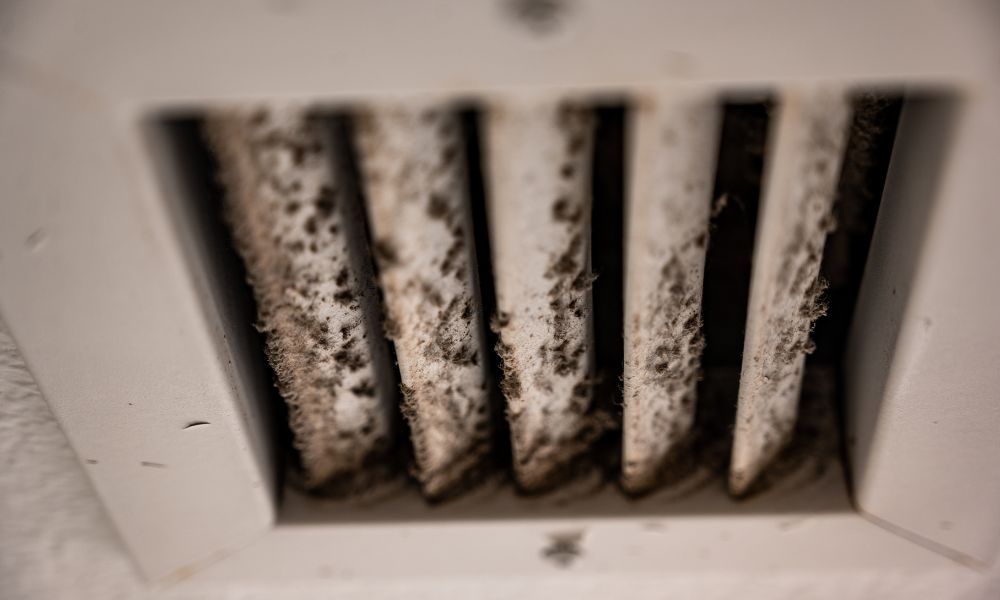
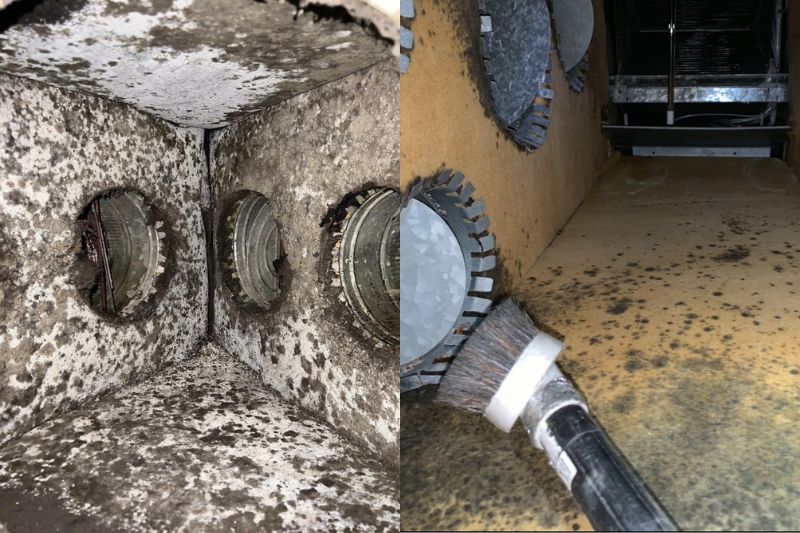
- Visual Inspection: Look for visible signs of mold growth, such as dark spots or discoloration, around vents and ductwork.
- Professional Testing: Have a qualified mold inspector test your air ducts for mold.
- Mold Remediation: If mold is present, hire a professional mold remediation company to remove the mold and address the underlying moisture problem.
Important Note: Do not attempt to clean mold yourself, as this can spread the spores and worsen the problem. Mold remediation should be performed by trained professionals using specialized equipment and techniques.
By understanding the causes of mold in air ducts and taking proactive steps to prevent and address the problem, you can maintain a healthy and comfortable indoor environment for yourself, your family, or your tenants.