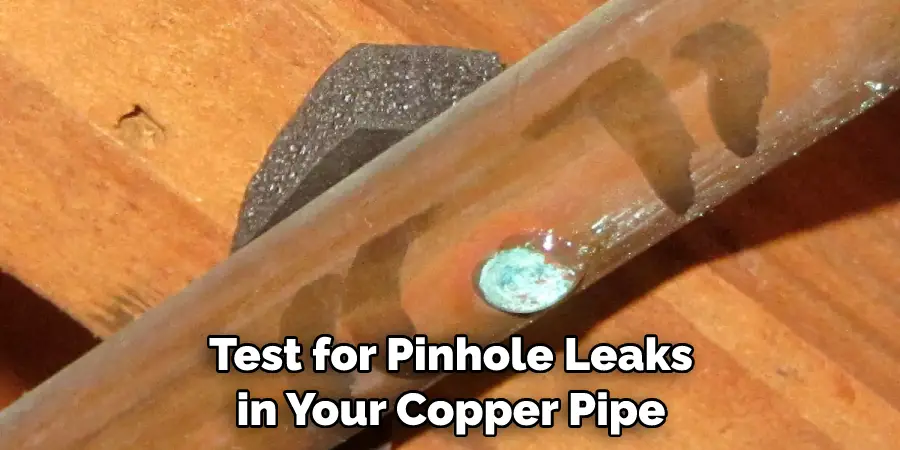
What Causes Pinholes In Copper Pipe

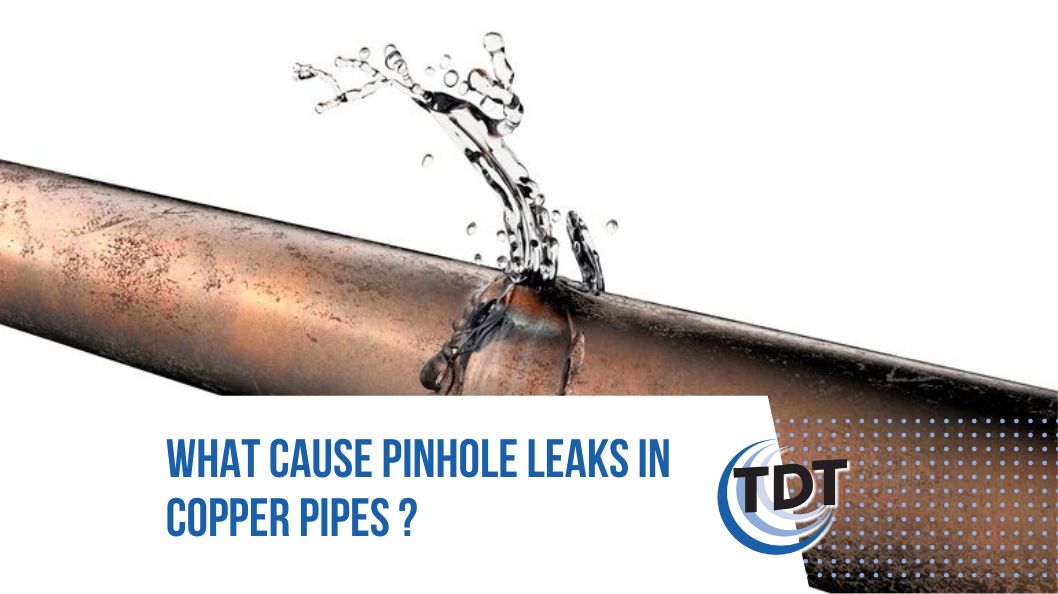
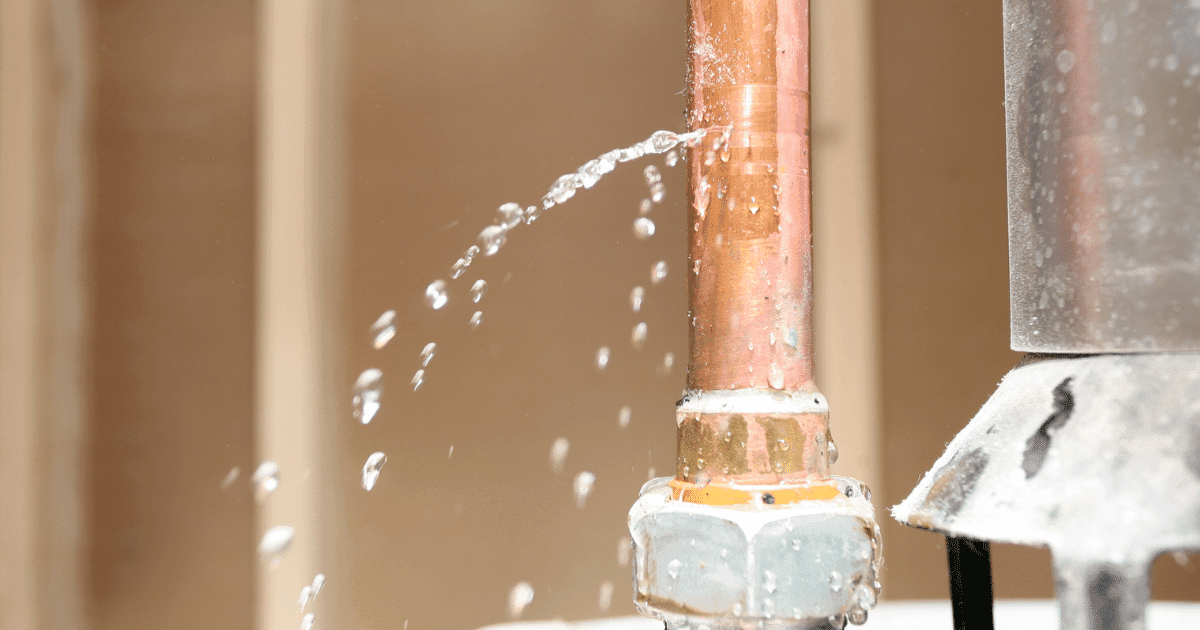
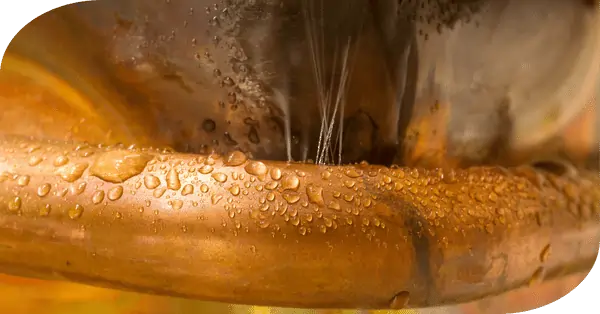
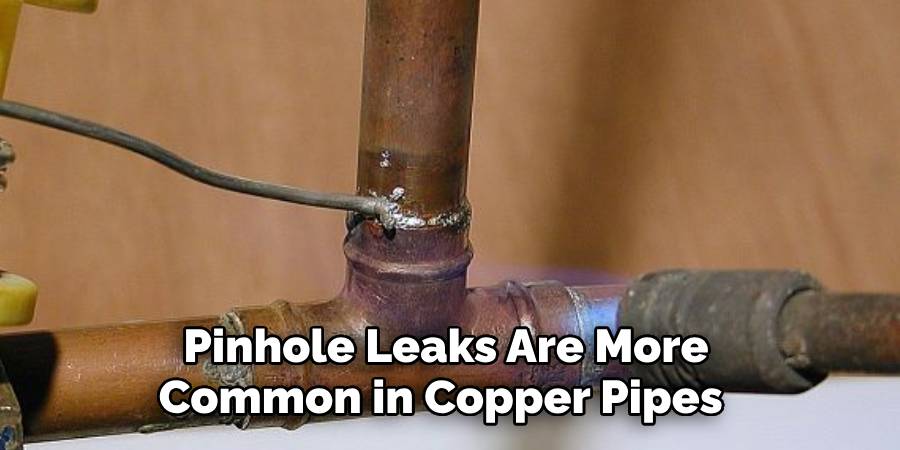
Pinholes in copper pipes are a frustrating plumbing problem. These tiny leaks can cause significant water damage and wasted resources if left unaddressed. Understanding the causes of these pinholes is crucial for prevention and effective repair. This guide will explore the primary factors contributing to pinhole leaks in copper plumbing systems.
Understanding Copper Pipe Corrosion
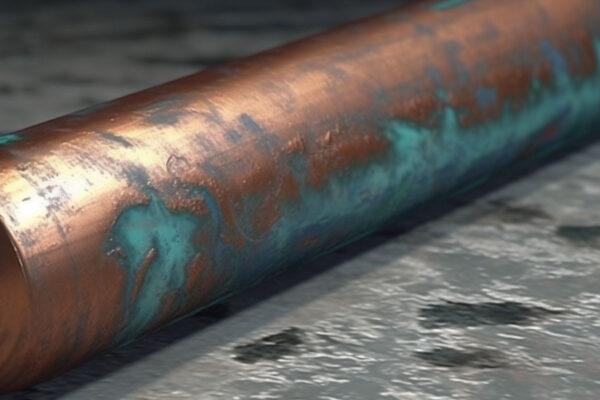
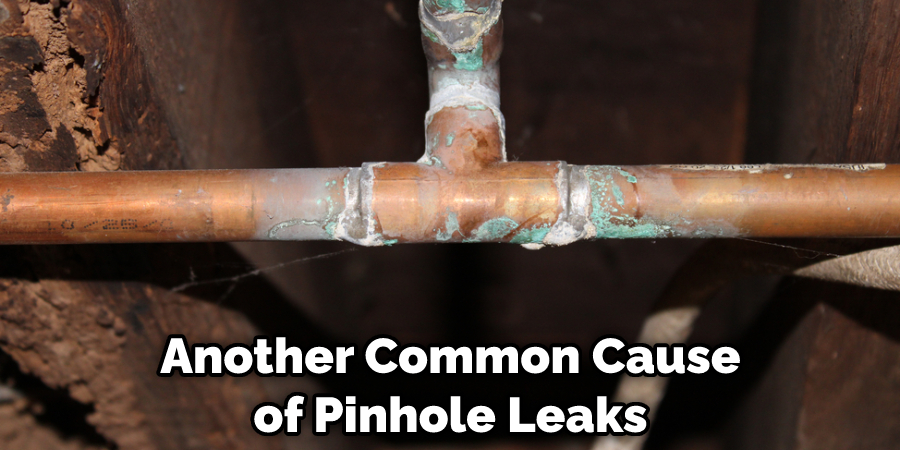
Corrosion is the primary culprit behind most pinhole leaks in copper pipes. Copper, while relatively corrosion-resistant, is still susceptible to various forms of degradation. These corrosion processes weaken the pipe walls, eventually leading to the formation of tiny holes.
Types of Corrosion Leading to Pinholes
Several distinct types of corrosion can contribute to the development of pinholes in copper pipes. Identifying the type of corrosion is essential for implementing the correct remediation strategy.
1. Pitting Corrosion: This is one of the most common causes of pinholes. Pitting corrosion occurs when localized areas of the copper pipe corrode at an accelerated rate, creating small, deep pits that eventually penetrate the pipe wall. These pits often start beneath deposits or imperfections on the pipe's surface.
2. Erosion Corrosion: High water velocity, especially when combined with abrasive particles in the water, can cause erosion corrosion. This type of corrosion wears away the copper pipe's inner surface, thinning the walls and making them more vulnerable to pinhole leaks. Think of it like sandblasting, but on a much smaller scale and inside your pipes.
3. Galvanic Corrosion: When dissimilar metals are connected in a plumbing system and exposed to an electrolyte (water), galvanic corrosion can occur. This happens because one metal acts as an anode and corrodes preferentially while the other acts as a cathode and is protected. For example, if copper pipes are directly connected to steel pipes without a dielectric union, the copper will corrode faster than normal, potentially leading to pinholes. A dielectric union prevents the direct contact of dissimilar metals.
4. Formicary Corrosion: This type of corrosion creates networks of tunnels within the copper pipe, resembling ant nests (hence the name, "formicary," which relates to ants). Formicary corrosion is often associated with volatile organic compounds (VOCs) present in the environment, such as those released from certain building materials, adhesives, or cleaning products. These VOCs react with moisture and copper, creating a corrosive environment within the pipe.
5. Microbiologically Influenced Corrosion (MIC): Certain bacteria can accelerate the corrosion of copper pipes. These bacteria form biofilms on the pipe's surface, creating localized environments that promote corrosion. MIC is more common in systems with stagnant water or inconsistent water flow.
Factors Contributing to Copper Pipe Corrosion
Now that we've explored the types of corrosion, let's delve into the factors that make copper pipes more susceptible to these processes.
Water Chemistry
The chemical composition of the water flowing through the pipes plays a critical role in corrosion. Several factors are important.
1. pH Levels: Highly acidic (low pH) or highly alkaline (high pH) water can accelerate corrosion. Ideally, water should have a neutral pH of around 7.0. Acidic water is particularly aggressive to copper.
2. Dissolved Oxygen: Water with high levels of dissolved oxygen can promote corrosion, especially in the presence of other corrosive elements. The oxygen acts as an oxidant, facilitating the chemical reactions that degrade the copper.
3. Chlorides and Sulfates: High concentrations of chlorides (often from water treatment processes or saltwater intrusion) and sulfates can significantly increase the risk of corrosion. These ions are highly corrosive to many metals, including copper.
4. Hardness: Water hardness refers to the concentration of minerals like calcium and magnesium. While moderately hard water can form a protective scale inside the pipes, extremely hard water can lead to excessive scaling, which can then create localized areas where corrosion can occur underneath the scale.
Water Velocity
As mentioned earlier, water velocity can significantly impact erosion corrosion. High water velocity can wear away the protective oxide layer on the copper pipe's inner surface, exposing the metal to further corrosion. Furthermore, high velocity can increase the likelihood of abrasive particles damaging the pipe.
Manufacturing Defects
While rare, manufacturing defects in the copper pipe itself can create weak points that are more susceptible to corrosion and pinhole leaks. These defects might include imperfections in the copper's composition or structural flaws introduced during the manufacturing process.
Improper Installation
Improper installation techniques can also contribute to pinhole leaks. For example, using aggressive fluxes during soldering can leave corrosive residues inside the pipes. Incorrect pipe support can cause stress and strain on the pipes, making them more vulnerable to damage and corrosion. Connecting dissimilar metals without dielectric unions is a major cause of galvanic corrosion, as explained earlier.
Electrical Grounding
Using copper pipes as an electrical ground is a dangerous and outdated practice. Stray electrical currents flowing through the pipes can accelerate corrosion, leading to pinhole leaks and potentially creating a shock hazard. Always ensure that electrical systems are properly grounded to a dedicated grounding rod or other approved grounding system.
Stray Current Corrosion
Stray current corrosion is similar to using the copper pipe as a ground. This can be caused by faulty electrical systems or nearby direct current (DC) sources in the area. Similar to electrical grounding, these stray currents can prematurely cause corrosion of the copper piping.
Age of the Plumbing System
Like any material, copper pipes have a lifespan. As a plumbing system ages, the copper pipes become more susceptible to corrosion and pinhole leaks due to accumulated exposure to corrosive elements and the gradual degradation of the pipe material. Older homes, especially those with original plumbing, are at higher risk.
Preventing Pinholes in Copper Pipes
The best way to deal with pinhole leaks is to prevent them in the first place. Here are some preventative measures you can take:
1. Water Quality Testing and Treatment: Regularly test your water quality to identify any corrosive elements, such as low pH, high chloride levels, or high dissolved oxygen. Based on the test results, install appropriate water treatment systems, such as pH neutralizers, water softeners, or corrosion inhibitors.
2. Maintain Proper Water Velocity: Ensure that water velocity in your plumbing system is within the recommended range. Excessive water velocity can lead to erosion corrosion. This may require adjusting water pressure or modifying the pipe size.
3. Proper Installation Practices: Follow proper installation practices when installing or repairing copper pipes. Use non-corrosive fluxes, ensure adequate pipe support, and always use dielectric unions when connecting dissimilar metals.
4. Avoid Using Copper Pipes as Electrical Ground: Never use copper pipes as an electrical ground. Ensure that your electrical system is properly grounded to a dedicated grounding system.
5. Regular Plumbing Inspections: Schedule regular plumbing inspections to identify potential problems early on. A qualified plumber can assess the condition of your copper pipes and recommend preventative measures.
6. Consider Alternative Piping Materials: If you are replacing your plumbing system, consider alternative piping materials that are more corrosion-resistant than copper, such as PEX or CPVC. These materials are less susceptible to many of the corrosion issues that affect copper pipes.
Dealing with Existing Pinholes
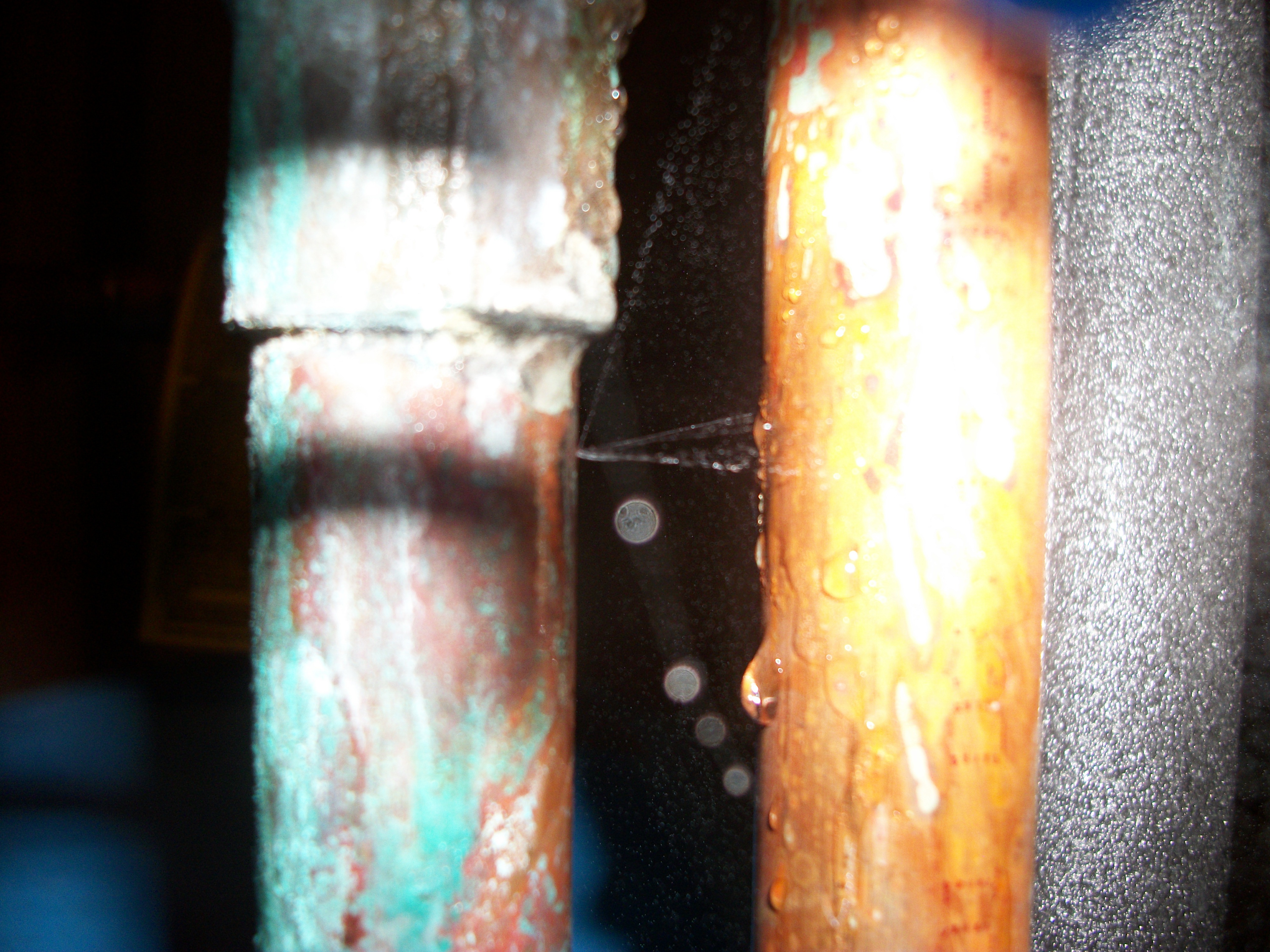
If you discover pinhole leaks in your copper pipes, it's important to address them promptly to prevent further water damage. Small pinholes can sometimes be temporarily repaired with epoxy patches or pipe clamps. However, these are only temporary solutions. The best long-term solution is to replace the affected section of pipe with new copper or, as mentioned above, switch to a more corrosion-resistant material.
In summary, pinholes in copper pipes are a complex issue with multiple contributing factors. Understanding these factors and implementing preventative measures can help protect your plumbing system and prevent costly repairs. If you suspect you have pinhole leaks or are concerned about the condition of your copper pipes, consult with a qualified plumber for professional advice and assistance. Remember, early detection and proactive maintenance are key to ensuring the longevity and reliability of your plumbing system.