What Color Is The Fan Wire On A Capacitor

Understanding the wiring of your HVAC system is crucial for both homeowners attempting DIY repairs and professionals ensuring efficient and safe installations. One question that often arises is: "What color is the fan wire on a capacitor?" While there isn't a universally mandated color code for fan wires on capacitors, we can break down typical color conventions and offer guidance for troubleshooting.
Capacitors in HVAC Systems: A Quick Overview
Before delving into wire colors, let’s clarify the role of capacitors in HVAC systems. Capacitors are electrical components that store energy and release it quickly to help start and run motors. In HVAC systems, they're primarily used to start and run the compressor motor and the fan motors (both the indoor blower fan and the outdoor condenser fan).
There are two main types of capacitors used in HVAC systems:
- Start Capacitors: These provide a short burst of energy to start a motor. They are designed for momentary use and are typically disconnected from the circuit once the motor is running.
- Run Capacitors: These provide a continuous boost to the motor while it's running, improving its efficiency and performance. They are designed for continuous use. Many systems use a single "dual run" capacitor to operate both the compressor and fan motors.
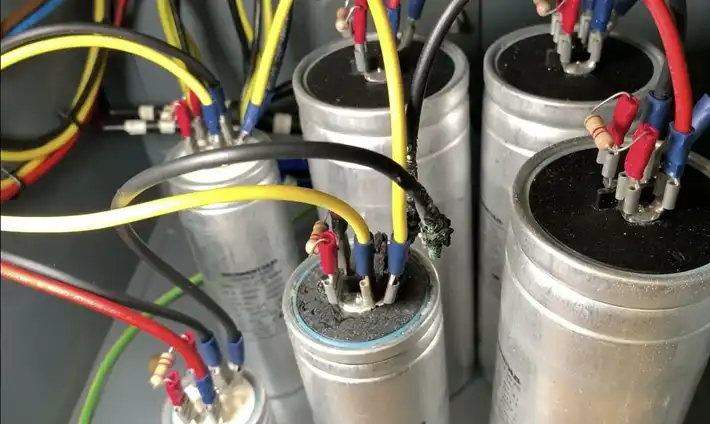
Ignoring failing capacitors can lead to reduced system performance. For example, a struggling compressor due to a weak capacitor will draw more amperage, leading to higher energy bills and potentially premature motor failure. Similarly, a failing fan motor capacitor can cause the fan to run slowly, reducing airflow and cooling capacity. Imagine a hot summer day and your AC struggles to keep up, raising your electric bill. A simple capacitor replacement could be the solution.
Decoding the Fan Wire Color on a Capacitor
Unfortunately, there's no strict universal standard dictating the color of the fan wire connected to a capacitor. This means that manufacturers can and do use different colors. However, some common practices can help you identify the fan wire:
Using Wiring Diagrams
The best way to definitively identify the fan wire is to consult the unit's wiring diagram. This diagram is usually located on the inside of the unit's access panel. The diagram will show the capacitor and the wires connected to it, labeling which wire goes to the fan motor. This is especially helpful for technicians working on unfamiliar systems.
Typical Color Conventions
While not guaranteed, certain color conventions are often used:
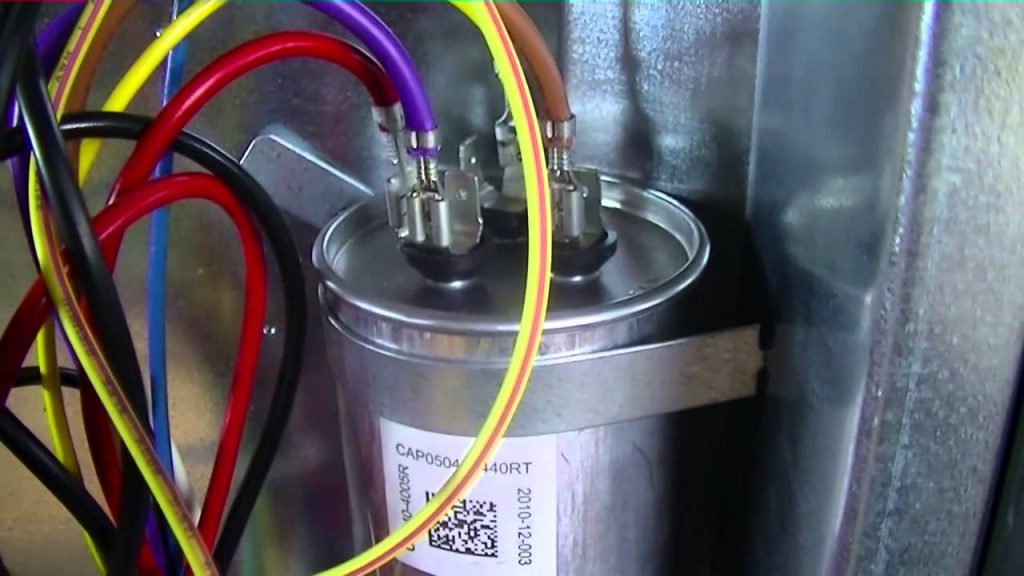
- Brown: Brown is the most common color for the fan wire on a dual run capacitor. On a dual capacitor, it’s typically connected to the "FAN" terminal.
- Purple: In some instances, purple is used as the fan wire color, although it's less common than brown.
- Yellow: Although less common than brown, yellow can also sometimes be used for the fan wire.
Important Safety Note: Always disconnect power to the HVAC unit before working on any electrical components, including capacitors. Capacitors can store a dangerous electrical charge even after the power is turned off. Discharge the capacitor using a properly insulated screwdriver with an insulated handle across the terminals before handling it.
Identifying Terminals on a Dual Run Capacitor
A dual run capacitor typically has three terminals labeled:
- "C" or "Common": This is the common terminal and is connected to the power supply.
- "H" or "HERM": This terminal is connected to the compressor motor.
- "F" or "FAN": This terminal is connected to the fan motor.
Therefore, if you see a brown wire connected to the "F" terminal, it's very likely the fan wire. Again, always verify with the wiring diagram. Imagine you are replacing a dual capacitor; you'll need to carefully record which wire goes to each terminal before disconnecting anything. Taking a picture can be extremely helpful.
Troubleshooting Fan Motor Issues
If your fan motor isn't working correctly, the capacitor is a likely culprit. Here are some symptoms of a failing fan motor capacitor:
- Slow Fan Speed: The fan runs noticeably slower than usual.
- Humming Noise: The motor makes a humming noise but doesn't start.
- Fan Doesn't Start: The fan doesn't start at all.
- Overheating: The motor overheats quickly.
A simple test using a multimeter can confirm if the capacitor is functioning properly. HVAC technicians use capacitor testers to determine the capacitance, measured in microfarads (µF). If the reading is significantly lower than the capacitor's rated capacitance (printed on the capacitor label), it needs to be replaced. For homeowners who are not comfortable using a multimeter, it's best to call a qualified HVAC technician.
Replacing a Capacitor: A Step-by-Step Guide (For Experienced DIYers Only)
Disclaimer: Working with electricity can be dangerous. If you're not comfortable with electrical work, please hire a qualified HVAC technician. This guide is for informational purposes only, and we are not responsible for any injuries or damages resulting from your work.
- Turn Off the Power: Disconnect power to the HVAC unit at the breaker box. Verify the power is off with a non-contact voltage tester.
- Locate the Capacitor: The capacitor is usually located inside the control panel of the outdoor unit (condenser) or the indoor unit (air handler).
- Discharge the Capacitor: Use a properly insulated screwdriver with an insulated handle to short across the terminals of the capacitor. This will discharge any remaining electrical charge.
- Take a Picture: Take a picture of the wiring before disconnecting anything. This will help you remember which wire goes where.
- Disconnect the Wires: Carefully disconnect the wires from the capacitor terminals.
- Remove the Old Capacitor: Loosen the capacitor clamp and remove the old capacitor.
- Install the New Capacitor: Install the new capacitor in the clamp. Ensure the new capacitor has the same capacitance (µF) and voltage rating as the old one.
- Reconnect the Wires: Reconnect the wires to the correct terminals, using your picture as a guide. Ensure the connections are tight and secure.
- Replace the Control Panel Cover: Replace the control panel cover and secure it with screws.
- Turn On the Power: Turn the power back on at the breaker box.
- Test the System: Turn on the HVAC system and verify that the fan motor is running correctly.
Cost Considerations and Lifespan
Capacitors are relatively inexpensive components. A typical capacitor costs between $10 and $50, depending on its capacitance and voltage rating. However, the labor cost for replacing a capacitor can vary depending on the HVAC technician's hourly rate and the complexity of the job. The total cost of replacing a capacitor can range from $100 to $300.
The lifespan of a capacitor can vary depending on factors such as operating temperature, voltage, and quality. A typical capacitor can last anywhere from 3 to 10 years. Regular HVAC maintenance can help identify failing capacitors before they cause more serious problems.
Preventive Maintenance: Extending Capacitor Life
To prolong the life of your HVAC capacitors, consider these preventative measures:
- Regular HVAC Maintenance: Schedule annual maintenance checks with a qualified HVAC technician. They can inspect the capacitors and other components for signs of wear and tear.
- Keep the Unit Clean: Keep the outdoor unit free of debris such as leaves, grass clippings, and dirt. This will improve airflow and prevent overheating.
- Proper Ventilation: Ensure adequate ventilation around the indoor unit. Don't block the vents with furniture or other objects.
- Voltage Protection: Consider installing a surge protector to protect the HVAC system from voltage spikes.
Conclusion
While the fan wire color on a capacitor isn't strictly standardized, brown is the most common color used. Always consult the unit's wiring diagram for definitive identification. Understanding the role of capacitors and being able to troubleshoot common issues can save you money and prevent more serious problems. Remember, safety is paramount when working with electricity. If you're not comfortable performing the work yourself, always hire a qualified HVAC technician.