What Do The Humidity Percentages Mean
Is your home feeling more like a swamp than a sanctuary? Or maybe it's so dry your skin is cracking? These discomforts often point to a common culprit: improper humidity levels. Many homeowners struggle with maintaining comfortable and healthy humidity, leading to issues like mold growth, condensation, dry skin, and even increased energy bills. Understanding what humidity percentages mean is the first step toward taking control of your home's environment. This guide will walk you through troubleshooting humidity issues, offering simple DIY checks and clear advice on when to call in the pros.
Understanding Humidity Percentages
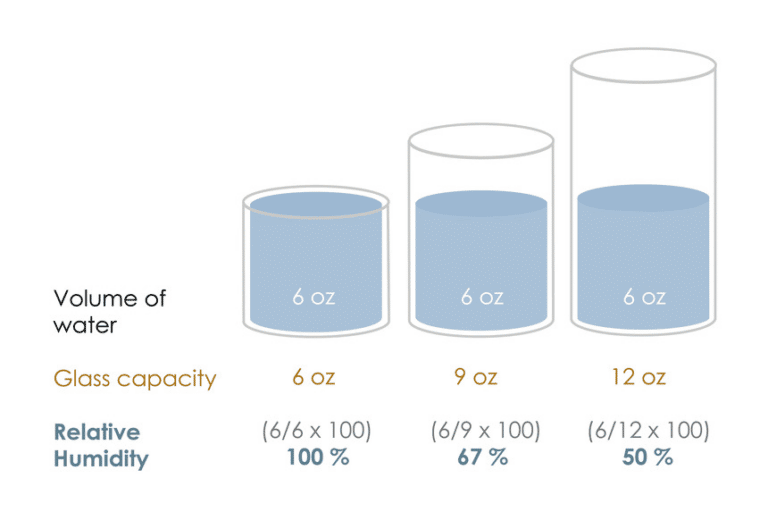
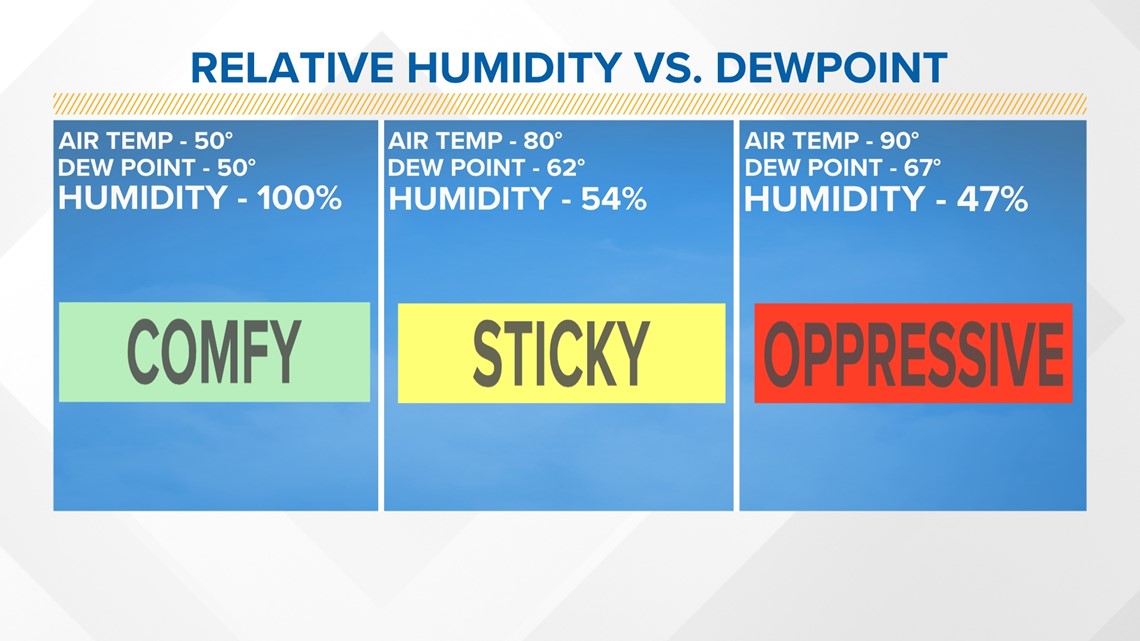
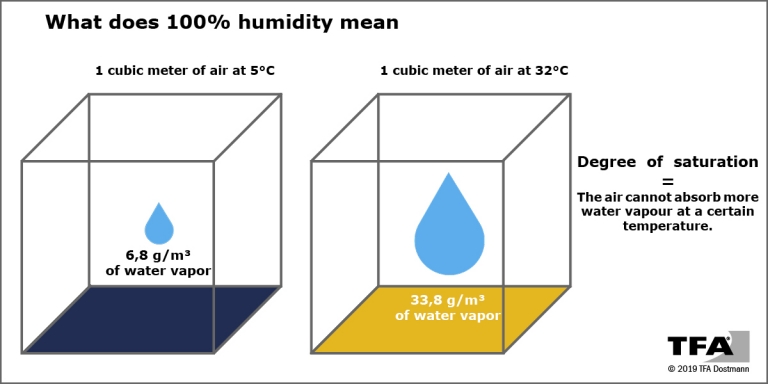
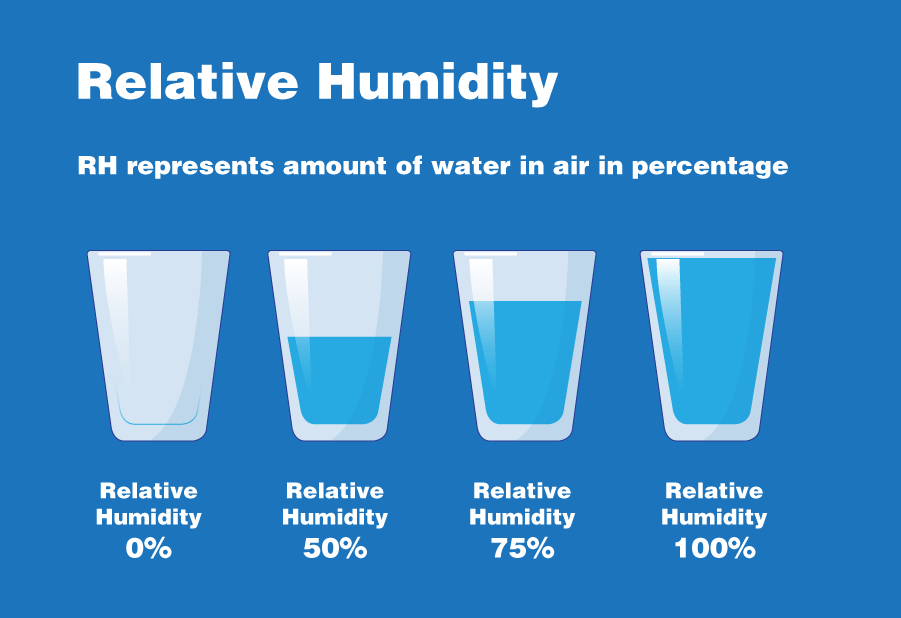
Before we dive into troubleshooting, let's clarify what those humidity percentages actually represent. Humidity, in simple terms, is the amount of moisture in the air. Relative humidity (RH), the percentage we usually see on thermostats and weather reports, is the amount of moisture in the air compared to the maximum amount of moisture the air could hold at that temperature. Warm air can hold more moisture than cold air. So, a relative humidity of 50% means the air contains half the moisture it could potentially hold at its current temperature.
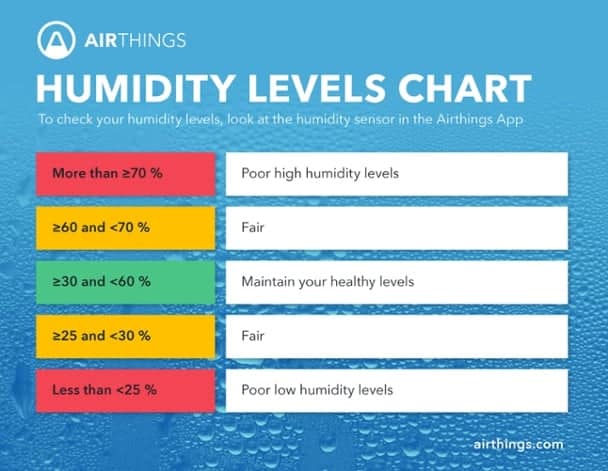
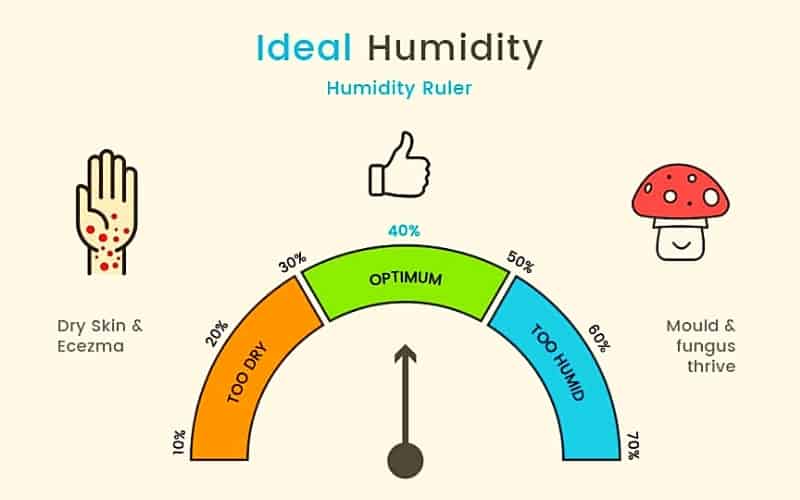
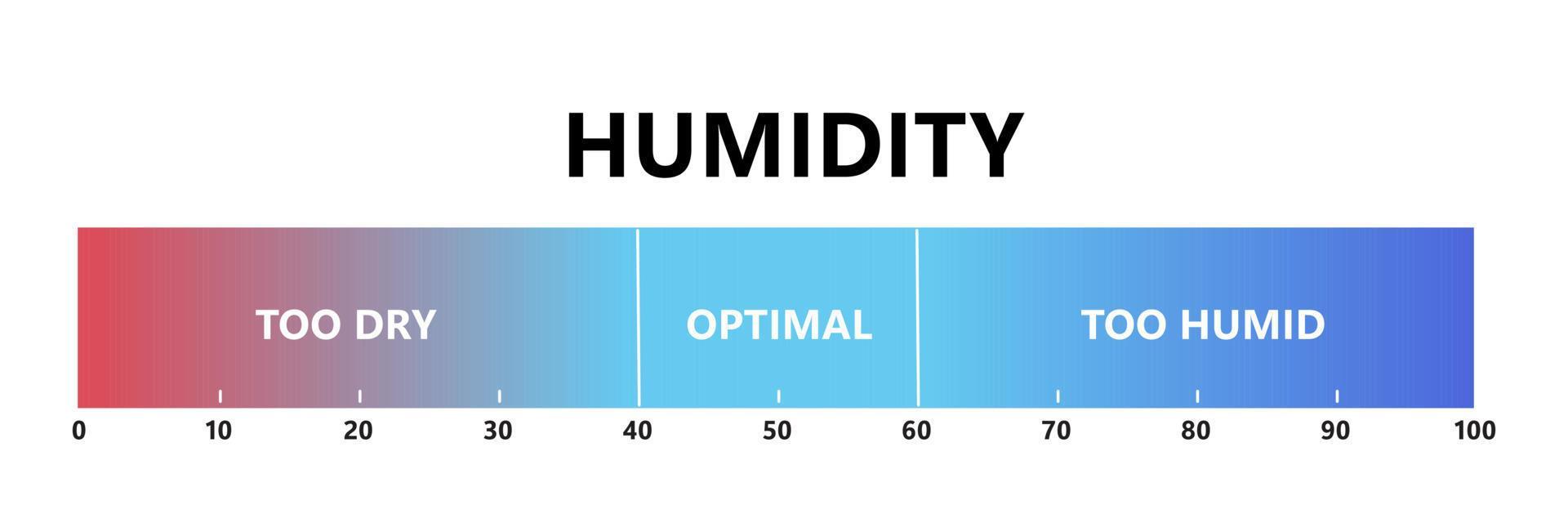
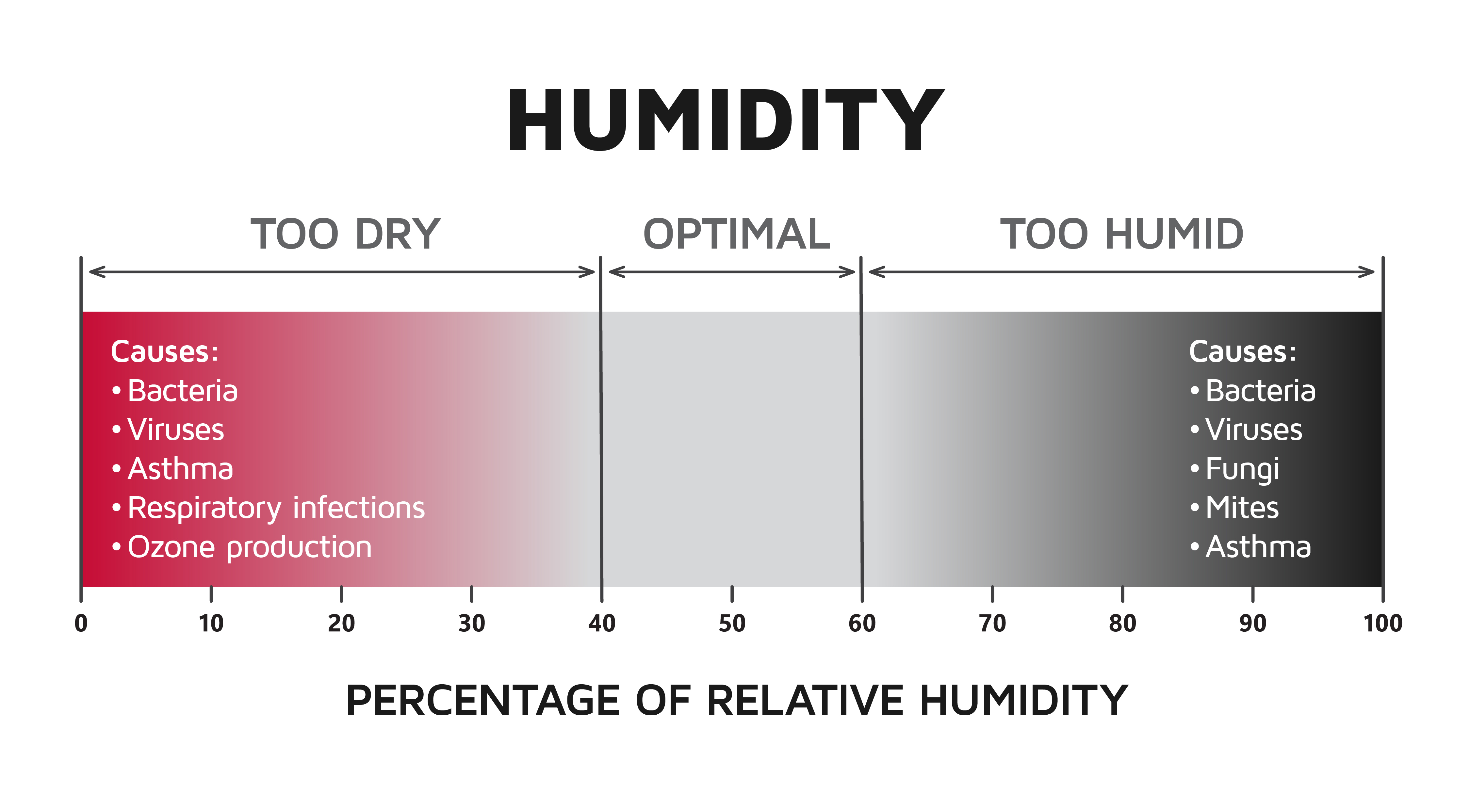
Ideal relative humidity generally falls between 30% and 50%. In winter, it's often recommended to keep humidity levels closer to the lower end of that range (30-40%) to prevent condensation on windows. In summer, a slightly higher range (40-50%) can provide optimal comfort.
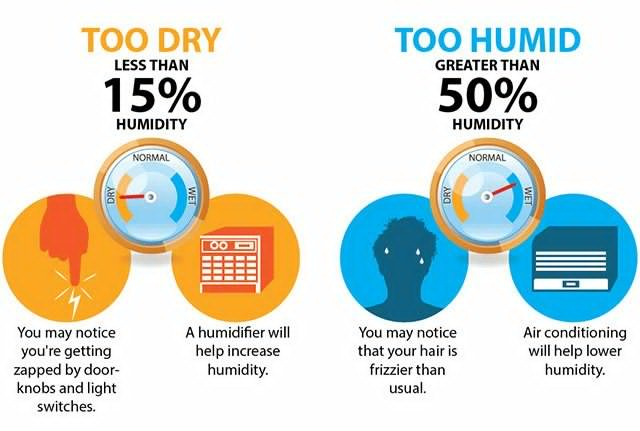
Why is this important? Too much humidity encourages mold growth, attracts pests, and makes you feel sticky and uncomfortable. Too little humidity dries out your skin, irritates your sinuses, and can damage wooden furniture.
Troubleshooting High Humidity
High humidity can manifest in several ways: condensation on windows, a musty odor, visible mold growth, or a general feeling of dampness. Let's break down how to diagnose and address this issue.
Step 1: Assess the Symptoms (No Tools Required)
Begin by carefully observing your home. Look for these telltale signs of high humidity:
- Condensation: Are your windows, especially those in bathrooms and kitchens, frequently covered in condensation? Check window sills and frames for moisture damage.
- Musty Odor: A persistent musty smell, particularly in basements, bathrooms, or closets, often indicates mold or mildew growth due to high humidity.
- Visible Mold: Inspect areas prone to moisture, such as showers, sinks, and around pipes, for visible mold growth. Look behind furniture and in dark, enclosed spaces.
- Dampness: Does the air feel heavy and damp? Do fabrics like carpets or upholstery feel clammy?
- Water Stains: Check ceilings and walls for water stains, which could indicate leaks contributing to high humidity.
Step 2: Check Ventilation (No Tools Required)
Poor ventilation is a major contributor to high humidity. Make sure your exhaust fans are working properly, especially in bathrooms and kitchens.
- Bathroom Fans: Turn on your bathroom fan during and after showers. Ensure the fan is actually exhausting air to the outside, not just recirculating it within the room. You can test this by holding a piece of tissue paper near the fan; it should be pulled towards the fan.
- Kitchen Fans: Use your range hood fan while cooking, especially when boiling water or using a lot of steam.
- Open Windows: In mild weather, open windows to allow for natural ventilation. Cross-ventilation (opening windows on opposite sides of the house) is particularly effective.
- Check Vents: Ensure all vents, both supply and return, are not blocked by furniture or other obstructions.
Step 3: Identify Potential Water Sources (No Tools Required)
Excess moisture often originates from leaks or water intrusion. Carefully inspect your home for the following:
- Leaky Pipes: Check under sinks, around toilets, and in basements for leaky pipes. Even small drips can contribute to high humidity over time.
- Roof Leaks: Inspect your attic for water stains or evidence of leaks. Look for damaged or missing shingles on your roof.
- Foundation Issues: Check your foundation for cracks or signs of water seepage. Ensure proper drainage around your foundation to prevent water from pooling.
- Sprinkler Systems: Make sure your sprinkler system isn't spraying water directly onto your house.
Step 4: Use a Hygrometer (Requires Basic Equipment)
A hygrometer is a device that measures relative humidity. You can purchase a basic hygrometer online or at most hardware stores for a reasonable price. Place the hygrometer in different areas of your home to get an accurate reading of the humidity levels. Compare the readings to the ideal range of 30-50%.
DIY Actions for High Humidity
Once you've identified the source of the problem, here are some DIY actions you can take:
- Improve Ventilation: Run exhaust fans longer, open windows when possible, and ensure vents are unobstructed.
- Fix Leaks: Repair any leaky pipes or fixtures promptly. If you're not comfortable doing plumbing repairs yourself, call a plumber.
- Use a Dehumidifier: A dehumidifier can effectively remove excess moisture from the air, especially in basements or other damp areas. Choose a dehumidifier with the appropriate capacity for the size of the room.
- Dry Clothes Outdoors: Avoid drying clothes indoors, as this releases a significant amount of moisture into the air.
- Insulate Pipes: Insulating cold water pipes can prevent condensation from forming on their surface.
- Clean Gutters: Ensure your gutters are clean and free of debris to allow rainwater to drain properly away from your house.
Troubleshooting Low Humidity
Low humidity, often prevalent during winter months, can cause dry skin, chapped lips, nosebleeds, and static electricity. It can also damage wooden furniture and musical instruments.
Step 1: Assess the Symptoms (No Tools Required)
Look for these signs of low humidity:
- Dry Skin: Skin feels itchy, tight, and prone to cracking.
- Chapped Lips: Lips are dry, cracked, and uncomfortable.
- Nosebleeds: Frequent nosebleeds, especially during the winter months.
- Static Electricity: Clothes cling together, and you experience frequent static shocks.
- Cracked Wood: Wooden furniture, floors, or musical instruments develop cracks or splits.
Step 2: Check Your Heating System (No Tools Required)
Forced-air heating systems can dry out the air significantly. Check your furnace filter and ensure it's clean. A dirty filter can restrict airflow and exacerbate dryness.
Step 3: Use a Hygrometer (Requires Basic Equipment)
Use a hygrometer to measure the relative humidity in your home. If the reading is consistently below 30%, you likely have a low humidity problem.
DIY Actions for Low Humidity
Here are some DIY solutions for increasing humidity:
- Use a Humidifier: A humidifier adds moisture to the air. There are two main types:
- Portable Humidifiers: These are small, self-contained units that can be used in individual rooms.
- Whole-House Humidifiers: These are integrated into your HVAC system and humidify the entire house. Installation usually requires professional assistance.
- Boil Water: Simmering a pot of water on the stove can release moisture into the air. Be sure to monitor the pot and add water as needed.
- Take Long Showers: Leaving the bathroom door open after a hot shower allows the steam to circulate throughout the house.
- Add Houseplants: Plants release moisture into the air through transpiration. Choose plants that are known for their humidifying properties, such as Boston ferns or snake plants.
- Hang Clothes to Dry: Drying clothes indoors, especially on a clothes rack, can add moisture to the air.
When to Call a Professional HVAC Technician
While many humidity issues can be addressed with DIY solutions, there are times when professional help is necessary. Call a qualified HVAC technician if:
- You suspect a refrigerant leak in your air conditioner. Refrigerant leaks can significantly impact your AC's ability to dehumidify the air and pose environmental hazards. Refrigerant handling requires specialized equipment and training.
- Your HVAC system is not functioning properly. If your air conditioner or furnace is not running efficiently, it may not be effectively controlling humidity levels.
- You have persistent mold problems despite your efforts to control humidity. Mold remediation requires specialized equipment and techniques to ensure complete removal and prevent recurrence.
- You are considering installing a whole-house humidifier or dehumidifier. Proper installation and calibration of these systems require professional expertise.
- You are unsure of the source of the humidity problem or how to address it. A professional can conduct a thorough inspection of your home and identify the underlying causes of your humidity issues.
- You notice ice forming on your air conditioner coils. This indicates a serious problem that needs immediate attention.
Safety is paramount. Never attempt to repair or modify your HVAC system unless you are a qualified technician. Working with electrical components or refrigerant can be dangerous.
Conclusion
Understanding humidity percentages and taking proactive steps to control humidity levels can significantly improve your home's comfort, air quality, and energy efficiency. By following the troubleshooting steps outlined in this guide, you can identify and address many common humidity problems. Remember to prioritize safety and call a professional when necessary. With a little knowledge and effort, you can create a healthy and comfortable living environment for yourself and your family.