What Does 3/4 Of A Tank Of Gas Look Like
Understanding fuel levels in your heating systems is critical for homeowners, HVAC technicians, and facility managers alike. While digital gauges provide precise readings, many older or simpler systems rely on visual inspection of the fuel tank. Determining what "3/4 of a tank of gas" looks like depends on the tank's orientation (horizontal or vertical), its size and shape, and whether it's an aboveground storage tank (AST) or an underground storage tank (UST). This article will cover how to estimate 3/4 full for various fuel tanks commonly used in HVAC applications, focusing primarily on propane and fuel oil, and discuss the importance of accurate fuel level monitoring.
Understanding Fuel Tank Types and Their Gauges
Before we delve into estimating 3/4 full, let's clarify the tank types and gauges you might encounter:
- Horizontal Tanks: Commonly used for residential propane storage. They're typically cylindrical and lie on their side.
- Vertical Tanks: Often used for fuel oil, both aboveground and underground. They stand upright.
- Aboveground Storage Tanks (ASTs): Tanks located above the ground. These are easier to visually inspect.
- Underground Storage Tanks (USTs): Tanks buried underground. Monitoring relies heavily on gauges and periodic testing.
Fuel Gauges:
- Float Gauges: A mechanical gauge where a float rises and falls with the fuel level. These are common on aboveground tanks and display a percentage.
- Hydrostatic Gauges: Used on USTs, they measure the pressure exerted by the liquid.
- Electronic Gauges: Found in modern systems, providing digital readouts of fuel levels.
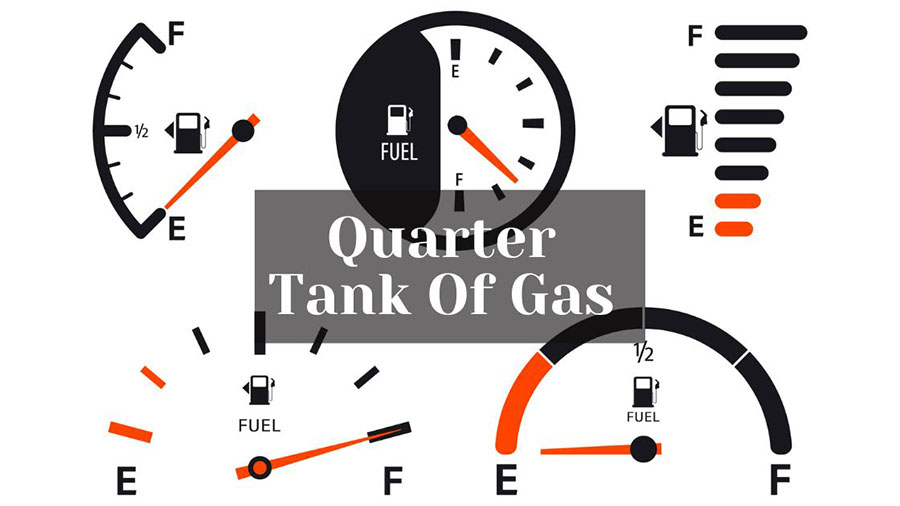
For tanks *equipped* with a functioning gauge, determining 3/4 full is straightforward – simply look for 75% on the dial or the equivalent digital readout. However, visual estimation is necessary when gauges are broken, absent, or for confirmation.
Estimating 3/4 Full in Horizontal Propane Tanks
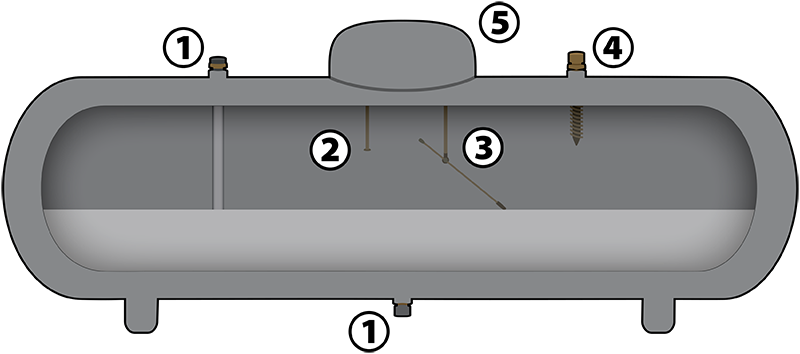
Horizontal propane tanks are the most common type found in residential settings. Estimating 3/4 full visually requires understanding the tank's geometry. Since it's a cylinder lying on its side, the relationship between liquid level and volume isn't linear.
Key Considerations:
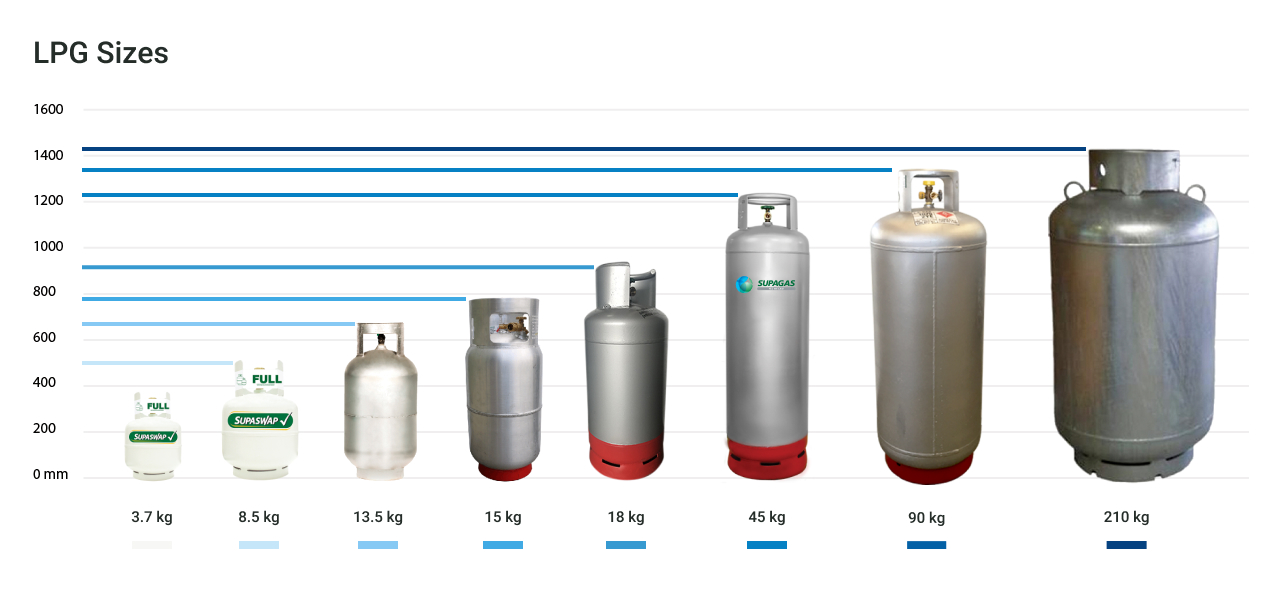
- Tank Size: A larger tank means a larger volume represented by each quarter.
- Visual Cues: Look for fill lines, rust patterns, or condensation lines that might indicate previous fill levels.
How To Estimate:
- Locate the Tank's Midpoint: This is often marked or visually apparent.
- Divide the Upper Half: Imagine the upper half of the tank divided into two equal parts. The 3/4 mark is approximately at the dividing line of that upper half.
- Visual Check: From a distance, mentally assess the tank. The liquid level should appear significantly higher than halfway but not reaching the very top. A good rule of thumb is to picture an oval sitting atop the full bottom half of the tank. This oval represents the 3/4 filled mark.
- Sound Test (Use with Caution): Gently tap the side of the tank. A distinct change in the sound can indicate the liquid level. The sound will be more dampened below the liquid level and more resonant above. This is not precise but can give a rough idea. Do not use excessive force or strike the tank hard.
Example: Imagine a standard 500-gallon horizontal propane tank. 3/4 full would equate to approximately 375 gallons of propane. Visually, the liquid level will be noticeably closer to the top than to the middle of the tank. However, *never* rely solely on visual estimation for critical fuel level decisions, especially during periods of high demand.
Estimating 3/4 Full in Vertical Fuel Oil Tanks
Vertical fuel oil tanks are more straightforward to estimate since the relationship between liquid level and volume is more linear. However, obstruction and tank markings often make visual assessment difficult. These are most often ASTs, but some older installations may use USTs. Regardless, estimating without a gauge relies on similar principles.
Key Considerations:
- Tank Height: The taller the tank, the greater the volume represented by each quarter.
- Tank Diameter: The wider the tank, the greater the volume per unit of height.
How To Estimate:
- Visual Division: Imagine the tank divided into four equal vertical sections.
- Locate the 3/4 Mark: The fuel level should be approximately at the top of the third section.
- Use Known Landmarks: Look for seams, labels, or rust patterns that might coincide with the 3/4 mark based on prior fill history.
- Dipstick Method (if accessible): Carefully insert a clean dipstick (a long, calibrated rod) into the tank to measure the fuel level. Mark the stick at the liquid line, then compare that mark to the tank's total height. 3/4 of the total height is your target. Make sure you are following proper safety guidelines and procedures when working around fuel tanks.
Example: A typical 275-gallon vertical fuel oil tank, when 3/4 full, contains approximately 206 gallons of fuel oil. Visually, the fuel level should be significantly above the halfway point, leaving a relatively small empty space at the top.
Underground Storage Tanks (USTs)
Estimating fuel levels in USTs is generally not possible without specialized equipment. These tanks rely on sophisticated monitoring systems to detect leaks and track fuel levels. Visual inspection is *not* an option. Regular tank testing and reconciliation are essential to ensure accuracy and prevent environmental contamination.
Monitoring Systems:
- Automatic Tank Gauges (ATGs): Continuously monitor fuel levels, temperature, and water levels.
- Statistical Inventory Reconciliation (SIR): Uses statistical analysis of inventory data to detect leaks.
- Vapor Monitoring: Detects fuel vapors in the soil surrounding the tank.
Important Note: Any suspected leak or discrepancy in UST readings requires immediate attention and reporting to the appropriate regulatory agencies.
Why Accurate Fuel Level Monitoring Matters
Accurate fuel level monitoring is crucial for several reasons:
- Preventing Runouts: Running out of fuel can damage heating systems, requiring costly repairs and inconvenient restarts.
- Optimizing Fuel Delivery: Knowing your fuel level allows you to schedule deliveries efficiently and avoid emergency refills, which often come at a premium.
- Cost Management: Monitoring fuel consumption helps you identify potential inefficiencies in your heating system and take corrective action, saving money on fuel bills.
- Safety: Leaks or spills can pose serious safety hazards and environmental risks. Accurate monitoring helps detect problems early and prevent catastrophic events.
- Regulatory Compliance: USTs, in particular, are subject to strict regulations regarding monitoring and leak detection. Non-compliance can result in fines and penalties.
Beyond Visual Estimation: Investing in Reliable Gauges
While visual estimation can provide a rough idea of fuel levels, it should never be relied upon as the primary means of monitoring. Investing in a reliable fuel gauge is a worthwhile investment for any homeowner or facility manager. Consider these options:
- Replacing Malfunctioning Gauges: If your existing gauge is broken or inaccurate, replace it with a new one.
- Upgrading to Digital Gauges: Digital gauges provide precise readouts and can be integrated with smart home systems for remote monitoring.
- Installing Leak Detection Systems: For USTs, consider installing a comprehensive leak detection system that includes ATGs, vapor monitoring, and SIR.
Comparing Heating System Options: Propane vs. Fuel Oil
The choice between propane and fuel oil for heating depends on various factors, including cost, efficiency, and environmental impact.
Propane:
- Pros: Burns cleaner than fuel oil, producing fewer emissions. Can be used for other appliances, such as stoves and water heaters.
- Cons: Can be more expensive than fuel oil in some areas. Requires larger storage tanks.
- Efficiency (AFUE): Typically ranges from 90% to 98% for modern propane furnaces. *AFUE* stands for Annual Fuel Utilization Efficiency, representing the percentage of fuel converted into usable heat.
Fuel Oil:
- Pros: Generally less expensive than propane in some markets. Offers high heat output.
- Cons: Burns less cleanly than propane, producing more emissions. Requires regular maintenance to prevent soot buildup.
- Efficiency (AFUE): Typically ranges from 80% to 90% for modern oil furnaces. Older models may have lower efficiencies.
Lifespan: Both propane and oil furnaces can last for 15-20 years with proper maintenance. Regular maintenance is critical to maximize lifespan and efficiency.
Conclusion
Determining "3/4 of a tank of gas" visually is possible for aboveground propane and fuel oil tanks, but it's an approximation. Relying on accurate gauges and monitoring systems is essential for preventing runouts, optimizing fuel delivery, managing costs, and ensuring safety. For USTs, visual estimation is not an option, and strict regulatory compliance is required. When choosing between propane and fuel oil, consider cost, efficiency, and environmental impact to make the best decision for your needs. Remember, regular maintenance and professional inspections are crucial for maintaining the safety and efficiency of your heating system.