What Does A Ac Compressor Do

The Heart of Your Cooling System: Understanding the AC Compressor
When the summer heat hits, a functioning air conditioning system is essential for comfort and productivity. At the core of this system lies the AC compressor, a vital component responsible for circulating refrigerant and enabling the cooling process. This article delves into the inner workings of the AC compressor, exploring its function, types, maintenance, and common issues. Whether you're a homeowner, HVAC technician, or facility manager, understanding the AC compressor is crucial for ensuring efficient and reliable cooling.
What Exactly Does an AC Compressor Do?
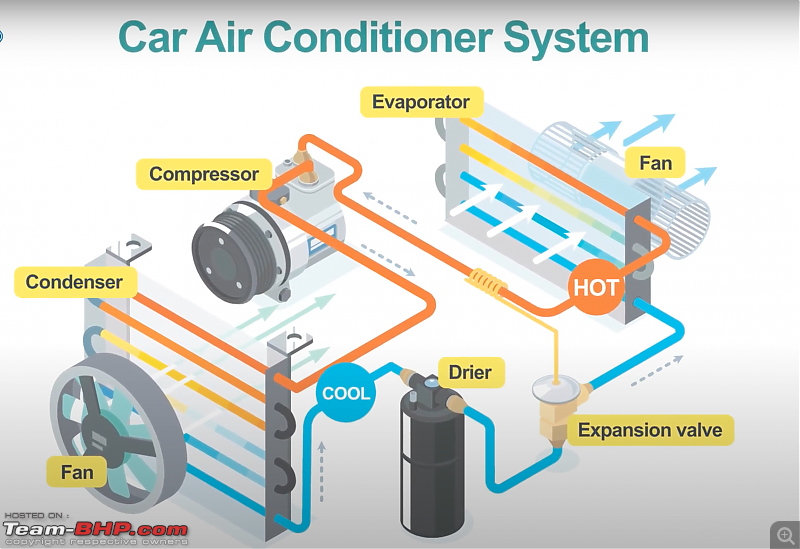
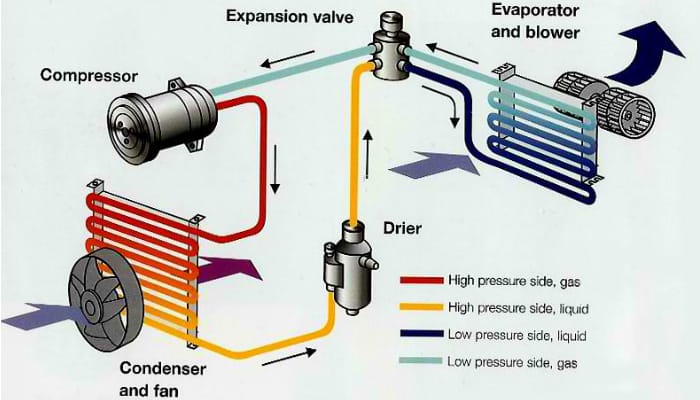
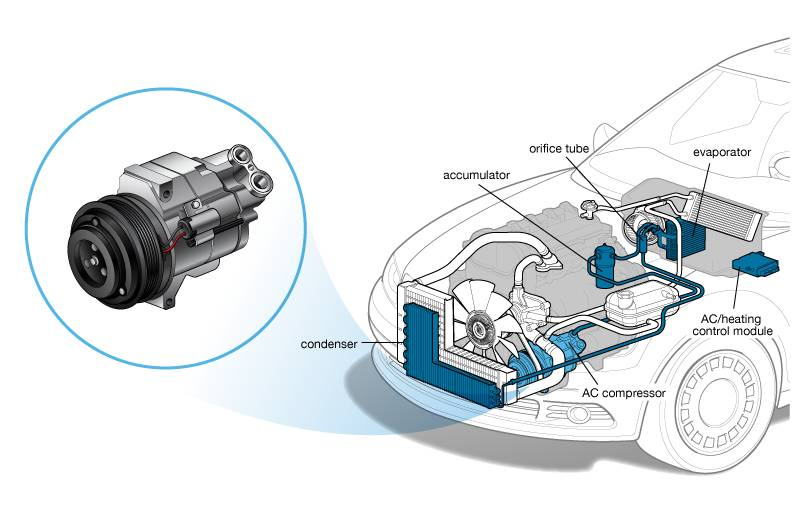
Think of the AC compressor as the heart of your air conditioning system. Its primary function is to compress refrigerant gas, increasing its pressure and temperature. This high-pressure, high-temperature refrigerant is then circulated through the rest of the AC system, where it undergoes a series of phase changes to absorb heat from your indoor environment and release it outdoors.
Here's a step-by-step breakdown of the compressor's role in the cooling cycle:
- Refrigerant Intake: The compressor receives low-pressure, low-temperature refrigerant gas from the evaporator coil. This refrigerant has already absorbed heat from inside your home.
- Compression: Inside the compressor, the refrigerant gas is compressed, significantly increasing its pressure and temperature. This process requires energy, which is supplied by an electric motor.
- Refrigerant Discharge: The high-pressure, high-temperature refrigerant gas is then discharged from the compressor and sent to the condenser coil.
- Heat Rejection: In the condenser coil, the high-pressure refrigerant releases heat to the outside air, causing it to condense into a high-pressure liquid.
- Expansion Valve: The high-pressure liquid refrigerant then flows through an expansion valve or orifice tube, which reduces its pressure and temperature.
- Evaporation: Finally, the low-pressure, low-temperature refrigerant enters the evaporator coil, where it absorbs heat from the indoor air, causing it to evaporate back into a gas. This is the process that cools your home. The cycle then repeats.
Without a properly functioning compressor, the refrigerant cannot circulate effectively, and the cooling process will be severely compromised or completely halted. A failing compressor often results in warm air blowing from your vents.
Types of AC Compressors
Several types of AC compressors are used in residential and commercial HVAC systems, each with its own advantages and disadvantages:
- Reciprocating Compressors: These compressors use a piston and cylinder mechanism to compress refrigerant gas. They are commonly found in older and smaller AC units. While relatively inexpensive, they tend to be less efficient and noisier than other types. Think of it like a small engine piston compressing the refrigerant.
- Rotary Compressors: Rotary compressors use a rotating mechanism to compress refrigerant. There are two main types: rotary vane and rotary screw. They are generally more efficient and quieter than reciprocating compressors. Rotary vane compressors are often used in smaller window AC units.
- Scroll Compressors: Scroll compressors utilize two spiral-shaped scrolls, one fixed and one orbiting, to compress refrigerant. They are known for their high efficiency, quiet operation, and reliability. Scroll compressors are widely used in modern residential and commercial AC systems. They offer smoother operation and fewer moving parts compared to reciprocating compressors.
- Screw Compressors: Screw compressors use two meshing screws to compress refrigerant. They are typically used in large commercial and industrial applications due to their high capacity and efficiency.
- Centrifugal Compressors: Centrifugal compressors use an impeller to compress refrigerant. They are primarily used in very large chiller systems for industrial and commercial buildings. These are capable of handling extremely high volumes of refrigerant.
The choice of compressor type depends on factors such as the size of the system, efficiency requirements, budget, and noise considerations. Scroll compressors are generally the preferred option for residential applications due to their balance of performance and reliability.
Factors Affecting AC Compressor Lifespan
The lifespan of an AC compressor can vary depending on several factors, including:
- Maintenance: Regular maintenance, such as cleaning the coils and changing air filters, can significantly extend the life of the compressor. Neglecting maintenance can lead to overheating and premature failure.
- Operating Conditions: Running the AC system under extreme conditions, such as consistently setting the thermostat very low, can put a strain on the compressor and shorten its lifespan.
- Refrigerant Leaks: Refrigerant leaks can cause the compressor to work harder and overheat, leading to failure. Addressing leaks promptly is crucial.
- Electrical Issues: Electrical problems, such as voltage fluctuations or faulty wiring, can damage the compressor motor.
- Compressor Quality: The quality of the compressor itself plays a role in its lifespan. Higher-quality compressors tend to last longer.
- Installation Quality: Improper installation can lead to inefficiencies and premature failure.
On average, an AC compressor can last anywhere from 10 to 15 years with proper maintenance. However, some compressors may fail sooner due to the factors mentioned above.
Common AC Compressor Problems
Several issues can affect the performance and lifespan of an AC compressor. Here are some common problems:
- Hard Starting: A hard-starting compressor may struggle to turn on or make a loud clicking noise. This can be caused by a faulty capacitor or a worn-out motor.
- Overheating: Overheating can be caused by refrigerant leaks, dirty coils, or a blocked air filter. It can lead to compressor failure if not addressed promptly.
- Refrigerant Leaks: Refrigerant leaks reduce the system's cooling capacity and can damage the compressor.
- Electrical Issues: Electrical problems, such as short circuits or open windings, can prevent the compressor from functioning properly.
- Contamination: Contamination from moisture, dirt, or other debris can damage the internal components of the compressor.
- Mechanical Failure: Internal mechanical failures, such as broken valves or worn bearings, can render the compressor inoperable.
If you suspect that your AC compressor is experiencing any of these problems, it's essential to contact a qualified HVAC technician for diagnosis and repair. Ignoring these issues can lead to further damage and costly repairs.
Maintaining Your AC Compressor for Optimal Performance
Proper maintenance is key to extending the life of your AC compressor and ensuring optimal performance. Here are some essential maintenance tips:
- Regularly change air filters: Dirty air filters restrict airflow and cause the compressor to work harder, leading to overheating and premature failure. Change your air filters every 1-3 months, depending on usage and air quality.
- Clean the coils: Dirty condenser and evaporator coils reduce heat transfer efficiency, forcing the compressor to work harder. Clean the coils annually or as needed.
- Schedule annual maintenance: Schedule an annual maintenance checkup with a qualified HVAC technician. They can inspect the compressor, check refrigerant levels, and identify any potential problems before they escalate.
- Address refrigerant leaks promptly: If you suspect a refrigerant leak, contact a technician immediately to repair the leak and recharge the system.
- Ensure proper ventilation: Make sure that the outdoor unit has adequate ventilation and is not blocked by bushes or other obstructions.
- Consider a surge protector: A surge protector can help protect the compressor from electrical surges, which can damage the motor.
AC Compressor Replacement: When is it Necessary?
While proper maintenance can extend the life of your AC compressor, there may come a time when replacement is necessary. Here are some signs that your AC compressor may need to be replaced:
- Age: If your compressor is more than 10-15 years old, it may be nearing the end of its lifespan.
- Frequent breakdowns: If your compressor requires frequent repairs, it may be more cost-effective to replace it.
- Decreased cooling performance: If your AC system is not cooling as effectively as it used to, even after maintenance, the compressor may be failing.
- Loud or unusual noises: Loud banging, grinding, or hissing noises from the compressor may indicate a serious problem.
- High energy bills: A failing compressor can cause your energy bills to increase as the system works harder to cool your home.
The cost of replacing an AC compressor can vary depending on the type of compressor, the size of the system, and the labor costs in your area. On average, a compressor replacement can cost anywhere from $1,500 to $4,500. Getting multiple quotes from qualified HVAC contractors is crucial to ensure you get a fair price. In some cases, replacing the entire outdoor unit may be more cost-effective than replacing just the compressor, especially if the unit is old or uses an outdated refrigerant.
Conclusion
The AC compressor is the driving force behind your air conditioning system. Understanding its function, types, maintenance requirements, and common problems is essential for ensuring efficient and reliable cooling. By following the maintenance tips outlined in this article, you can extend the life of your compressor and keep your AC system running smoothly for years to come. When facing compressor issues, consulting with a qualified HVAC technician is always recommended to receive accurate diagnosis and expert solutions. Remember that a well-maintained AC system not only provides comfort but also contributes to energy savings and a healthier indoor environment.