What Does A Ambient Temp Sensor Do

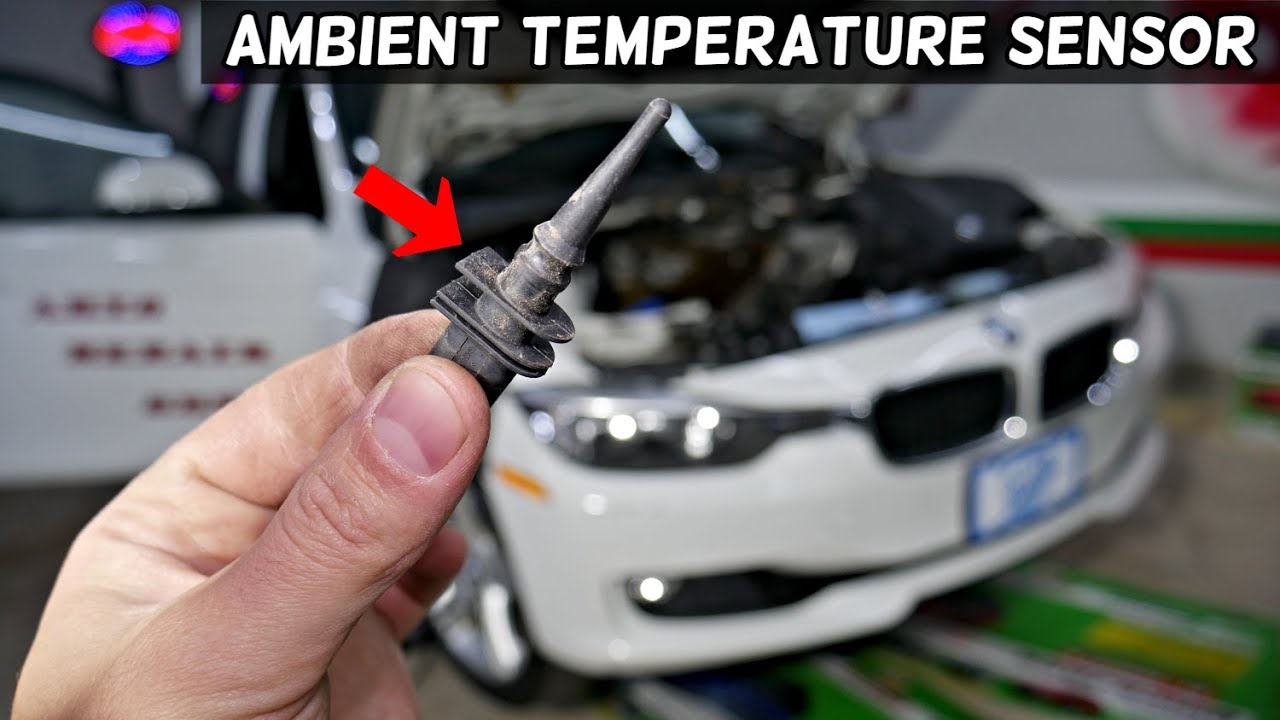
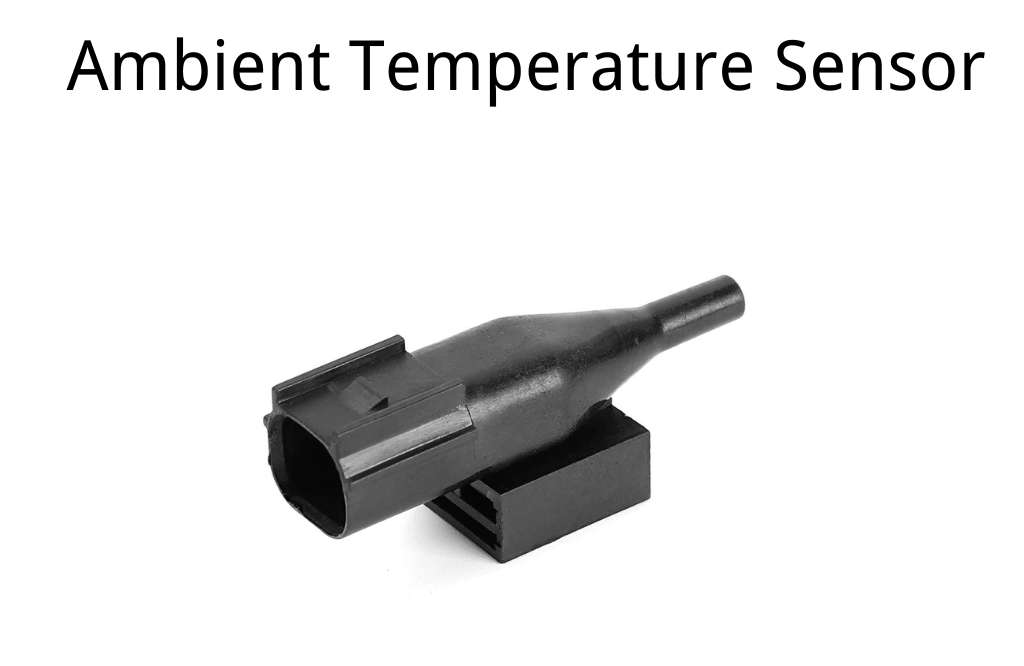
An ambient temperature sensor, also known as an outside air temperature (OAT) sensor, is a crucial component in many modern systems. Its primary function is to measure the temperature of the surrounding air. This seemingly simple task has far-reaching implications, affecting the performance and efficiency of various technologies, from your car's climate control to sophisticated industrial processes.
Understanding the Basics
At its core, an ambient temperature sensor is a type of thermistor. A thermistor is a resistor whose resistance changes significantly with temperature. Most ambient temperature sensors use a negative temperature coefficient (NTC) thermistor. This means that as the temperature increases, the resistance of the thermistor decreases, and vice versa. This change in resistance is then converted into an electrical signal that the system's control unit can understand and use.
Think of it like this: imagine a tiny electrical dam. The water flowing through the dam represents electricity. The temperature sensor acts like a valve controlling how much water (electricity) flows. When it's cold outside, the valve is more closed (higher resistance), restricting the flow. When it's hot, the valve opens more (lower resistance), allowing more flow. The system monitors this water flow to determine the outside temperature.
Applications in Automotive Systems
The automotive industry relies heavily on ambient temperature sensors. They play a vital role in several key systems:
Climate Control Systems
Perhaps the most noticeable application is in your car's climate control system (HVAC). The ambient temperature sensor provides the system with information about the outside temperature. This data is crucial for:
- Automatic Temperature Control (ATC): In vehicles with ATC, the system uses the ambient temperature, along with the desired cabin temperature and other sensor readings, to automatically adjust the heating, cooling, and fan speed to maintain the set temperature.
- Optimizing AC Performance: The sensor helps the AC system work more efficiently. For instance, if the ambient temperature is already low, the system might reduce the AC compressor's workload, saving fuel and reducing wear and tear. Think of refrigerant as the "blood" of your AC system, carrying heat from inside to outside. The ambient temperature affects how easily that heat can be released.
- Preventing Ice Formation: In cold weather, the sensor can prevent the AC evaporator from freezing up. When the ambient temperature is near freezing, the system might cycle the compressor on and off to prevent ice buildup, which could damage the system.
Engine Management Systems
Ambient temperature also impacts engine performance. The engine control unit (ECU) uses the ambient temperature reading for:
- Air-Fuel Mixture Adjustment: Colder air is denser than warmer air. The ECU uses the ambient temperature data to adjust the air-fuel mixture for optimal combustion. In colder conditions, it may enrich the mixture (more fuel) to ensure proper starting and running.
- Idle Speed Control: Similar to air-fuel mixture, the ECU adjusts the idle speed based on ambient temperature. Colder engines require a higher idle speed to prevent stalling.
- Emissions Control: Ambient temperature also influences emissions. The ECU uses the data to optimize the catalytic converter's performance and reduce harmful emissions.
Other Automotive Applications
Beyond climate control and engine management, ambient temperature sensors can also be used for:
- Heated Seats and Mirrors: In some vehicles, the ambient temperature influences the operation of heated seats and mirrors, automatically activating them when temperatures drop below a certain threshold.
- Dashboard Display: The most obvious use – displaying the outside temperature on the dashboard. While seemingly simple, this information can be valuable for drivers to plan their journeys and adjust their driving habits accordingly.
Applications Beyond Automotive
Ambient temperature sensors are not limited to vehicles. They are widely used in various other applications:
HVAC Systems in Buildings
Just like in cars, ambient temperature sensors are essential for efficient HVAC systems in buildings. They help control the heating and cooling systems, optimizing energy consumption and maintaining a comfortable indoor environment.
Weather Stations
Weather stations rely on highly accurate ambient temperature sensors to measure and record atmospheric conditions. These measurements are crucial for weather forecasting and climate monitoring.
Industrial Processes
Many industrial processes are temperature-sensitive. Ambient temperature sensors are used to monitor and control the temperature of manufacturing equipment, storage facilities, and transportation vehicles, ensuring product quality and safety.
Agriculture
In agriculture, ambient temperature sensors are used to monitor the temperature of greenhouses, fields, and storage facilities. This data helps farmers optimize growing conditions, prevent crop damage, and improve yields.
Consumer Electronics
Even in everyday devices like smartphones and smartwatches, ambient temperature sensors can be found. They can be used to display the current temperature, adjust screen brightness, and optimize battery performance.
Troubleshooting Ambient Temperature Sensor Issues
A malfunctioning ambient temperature sensor can cause a variety of problems. Common symptoms include:
- Inaccurate Temperature Readings: The displayed temperature might be significantly different from the actual outside temperature.
- HVAC System Malfunctions: The climate control system might not function properly, with inconsistent heating or cooling.
- Poor Engine Performance: The engine might run rough, stall, or have difficulty starting.
- Check Engine Light: A faulty sensor can trigger the check engine light on your dashboard.
If you suspect a problem with your ambient temperature sensor, the first step is to have it diagnosed by a qualified mechanic. They can use a scan tool to read the sensor's output and determine if it is within the acceptable range. It's worth noting that sometimes, the wiring or connections to the sensor can be the problem, rather than the sensor itself.
Replacing an Ambient Temperature Sensor
Replacing an ambient temperature sensor is generally a relatively straightforward repair. The sensor is typically located in the front of the vehicle, often behind the grille or bumper. The replacement process usually involves:
- Locating the Sensor: Refer to your vehicle's repair manual or consult a mechanic to find the sensor's exact location.
- Disconnecting the Electrical Connector: Carefully disconnect the electrical connector from the sensor.
- Removing the Old Sensor: Unbolt or unclip the old sensor from its mounting bracket.
- Installing the New Sensor: Install the new sensor in the same location, ensuring it is securely attached.
- Connecting the Electrical Connector: Reconnect the electrical connector to the sensor.
After replacing the sensor, it's essential to clear any diagnostic trouble codes (DTCs) that may have been stored in the ECU. This can be done using a scan tool.
Choosing the Right Sensor
When replacing an ambient temperature sensor, it's crucial to choose a sensor that is compatible with your vehicle. Using the wrong sensor can lead to inaccurate readings or even damage to the system. Always refer to your vehicle's repair manual or consult a mechanic to determine the correct part number for your vehicle. Stick with reputable brands for reliable performance and longevity. A cheap, off-brand sensor might save you a few dollars initially, but could fail prematurely, costing you more in the long run.
In Summary
The ambient temperature sensor is a small but mighty component with a significant impact on the performance and efficiency of numerous systems. From optimizing your car's climate control to ensuring the smooth operation of industrial processes, this sensor plays a vital role in our modern world. Understanding its function, troubleshooting potential issues, and choosing the right replacement sensor are key to maintaining the optimal performance of your vehicle and other systems that rely on accurate temperature readings.
By taking the time to understand the role of this important sensor, you can make informed decisions about its maintenance and repair, ensuring the continued efficiency and reliability of your vehicle and other temperature-sensitive systems.