What Does A Capacitor Do In An Air Conditioning Unit
Understanding the inner workings of an air conditioning unit is crucial for any HVAC professional. While many components contribute to the cooling process, the capacitor plays a vital, often underestimated, role. This article delves into the function of a capacitor in an AC unit, exploring its significance, types, troubleshooting techniques, and its relevance to your HVAC career.
The Capacitor: An Electrical Energy Reservoir
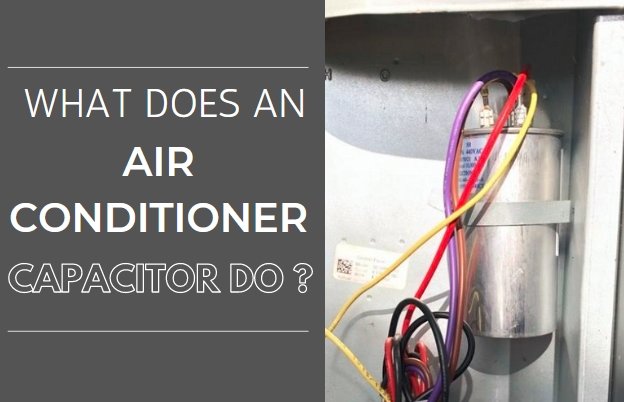
At its core, a capacitor is an electrical component designed to store energy in an electrical field. Think of it like a small, rechargeable battery, but instead of chemical reactions, it uses electrostatic principles to accumulate and release energy quickly. In an air conditioning system, capacitors are primarily used to provide the necessary burst of energy to start and run the motors that power the compressor and fans.
Why Capacitors Are Essential in AC Units
AC motors, especially larger ones like those found in compressors, require a significant amount of torque to get started. This initial surge of power is far greater than what the standard household voltage can consistently provide. Without a capacitor, the motor would struggle to start, potentially overheating and causing significant damage. Capacitors bridge this gap by:
- Providing Starting Torque: Supplying the initial energy needed to overcome the motor's inertia and begin rotating.
- Improving Running Efficiency: Maintaining the motor's speed and reducing energy consumption during continuous operation.
- Protecting Motor Components: Preventing damage from voltage fluctuations and excessive current draw.
Types of Capacitors Used in Air Conditioners
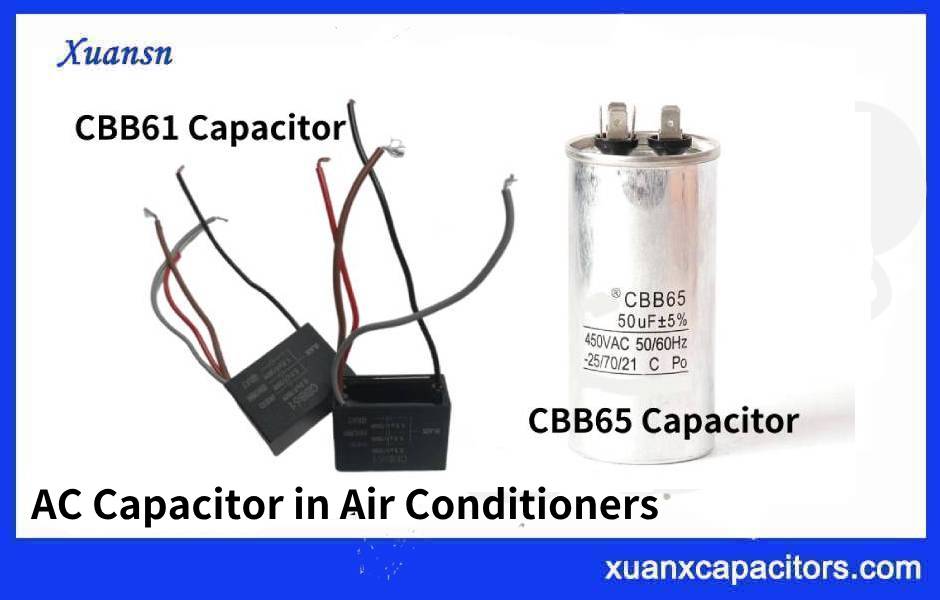
There are two primary types of capacitors found in most air conditioning units:
- Start Capacitors: Designed to provide a high surge of energy for a short period to start the motor. They are typically disconnected from the circuit once the motor is running.
- Run Capacitors: Continuously provide energy to the motor while it's running, improving efficiency and performance.
Many residential AC units utilize a dual-run capacitor. This single component houses two separate capacitors in one unit, dedicated to the compressor motor and the fan motor, respectively. This simplifies the system and reduces the number of individual components.
Diagnosing Capacitor Problems: A Technician's Guide
A faulty capacitor can manifest in several ways, often mimicking other electrical issues. Common signs of a bad capacitor include:
- Humming Noise: The motor may hum but fail to start, indicating insufficient starting torque.
- Delayed Start: The unit takes longer than usual to start, or it may start intermittently.
- Overheating: The motor may overheat due to struggling to start or run efficiently.
- Unit Shutting Down: The AC unit may shut down unexpectedly due to motor overload.
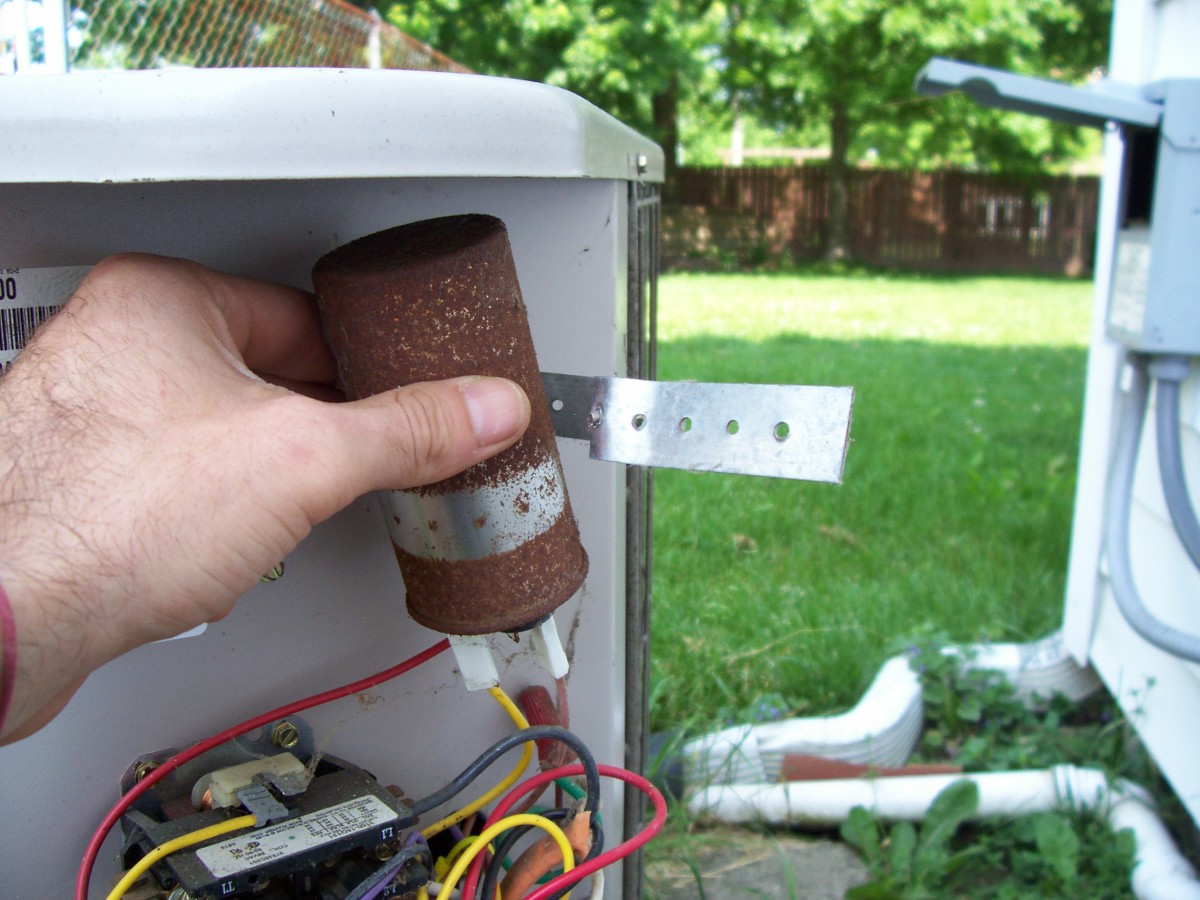
- Bulging or Leaking Capacitor: A physically damaged capacitor is a clear indication of failure.
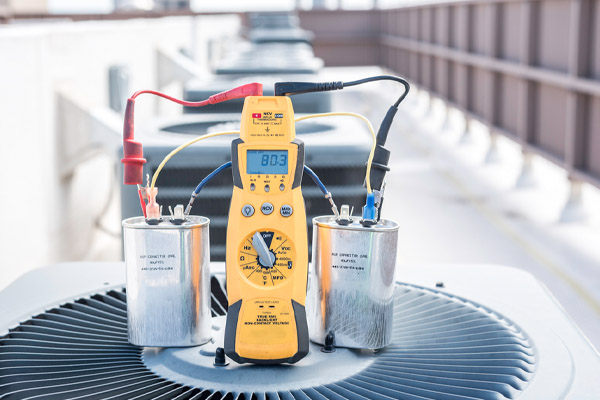
Troubleshooting capacitors requires caution and proper tools. Always disconnect power to the unit before testing or replacing any components. A multimeter with capacitance testing capability is essential for accurately measuring the capacitor's microfarad (µF) rating. If the measured value is significantly lower than the rated value (typically more than 10% below), the capacitor is likely faulty.
Safety First: Best Practices for Handling Capacitors
Capacitors store electrical energy, even when disconnected from the power source. Before handling a capacitor, it's crucial to discharge it using a resistor to prevent electrical shock. Shorting the terminals with a screwdriver is not recommended as it can damage the capacitor and pose a safety hazard. Always use a properly rated resistor to safely discharge the capacitor.
The HVAC Career Landscape: Opportunities and Certifications
The HVAC industry is experiencing strong growth, driven by increasing demand for energy-efficient cooling and heating systems. According to the Bureau of Labor Statistics, the median annual wage for HVAC technicians and mechanics was $51,390 in May 2022. The job outlook is projected to grow 6 percent from 2022 to 2032, about as fast as the average for all occupations.
This growth translates to ample opportunities for skilled technicians, particularly those with specialized knowledge and certifications. Understanding components like capacitors is fundamental to providing effective diagnostics and repairs.
Key Certifications for HVAC Professionals
Several certifications can enhance your career prospects and demonstrate your expertise to employers:
- EPA Section 608 Certification: Required by law for technicians who handle refrigerants. This certification demonstrates competency in refrigerant recovery and handling practices, protecting the environment and ensuring compliance with federal regulations.
- NATE (North American Technician Excellence) Certification: A widely recognized industry credential that validates a technician's knowledge and skills in specific HVAC areas, such as installation, service, and repair. NATE certification can lead to higher earning potential and increased job opportunities.
- HVAC Excellence Certification: Another respected certification program that assesses technicians' knowledge and skills through rigorous testing.
Real-World Career Paths:
"I started as an apprentice, focusing on residential AC repairs. Mastering the fundamentals, including capacitor troubleshooting, allowed me to progress to commercial HVAC systems, where I now specialize in complex electrical diagnostics." - Maria Rodriguez, Senior HVAC Technician.
"Obtaining my NATE certification significantly boosted my credibility. It helped me land a position as a service manager, overseeing a team of technicians and ensuring quality workmanship." - David Lee, HVAC Service Manager.
Capacitor Technology: Innovations and Future Trends
The HVAC industry is continuously evolving, with advancements in capacitor technology aimed at improving efficiency, reliability, and lifespan. Some notable trends include:
- Film Capacitors: Offering increased reliability and longer lifespan compared to traditional electrolytic capacitors.
- Smart Capacitors: Incorporating monitoring and diagnostic capabilities, allowing for proactive maintenance and preventing failures.
- Capacitor Design Improvements: Reducing size and weight while increasing energy storage capacity.
Staying abreast of these technological advancements is crucial for HVAC professionals to remain competitive and provide cutting-edge solutions to customers.
Employer Perspectives: The Value of Capacitor Expertise
Employers in the HVAC industry highly value technicians with a strong understanding of electrical components, including capacitors. The ability to accurately diagnose and repair capacitor-related issues reduces downtime, minimizes warranty claims, and enhances customer satisfaction.
When hiring technicians, employers often look for candidates who:
- Possess a solid understanding of electrical theory and HVAC principles.
- Demonstrate proficiency in using diagnostic tools and equipment.
- Hold relevant certifications, such as EPA 608 and NATE.
- Exhibit strong problem-solving skills and attention to detail.
Investing in training and development programs that focus on electrical diagnostics and capacitor troubleshooting can significantly improve a technician's value to an employer.
Conclusion: Mastering Capacitors for a Successful HVAC Career
The capacitor, though small in size, plays a crucial role in the operation of air conditioning units. Understanding its function, types, troubleshooting techniques, and emerging technologies is essential for HVAC professionals seeking to excel in their careers. By investing in education, certifications, and continuous learning, you can position yourself for success in this dynamic and rewarding industry. Whether you're an aspiring apprentice, a seasoned technician, or an employer seeking top talent, a deep understanding of capacitors is a valuable asset in the HVAC world.