What Does A Car Ac Condenser Do
Your car's air conditioning (AC) system is a complex network of components working together to keep you cool and comfortable, especially during hot weather. Among these parts, the AC condenser plays a crucial role. This guide will explain what an AC condenser does, how it works, why it's important, and what to do if you suspect it's failing.
What is an AC Condenser?
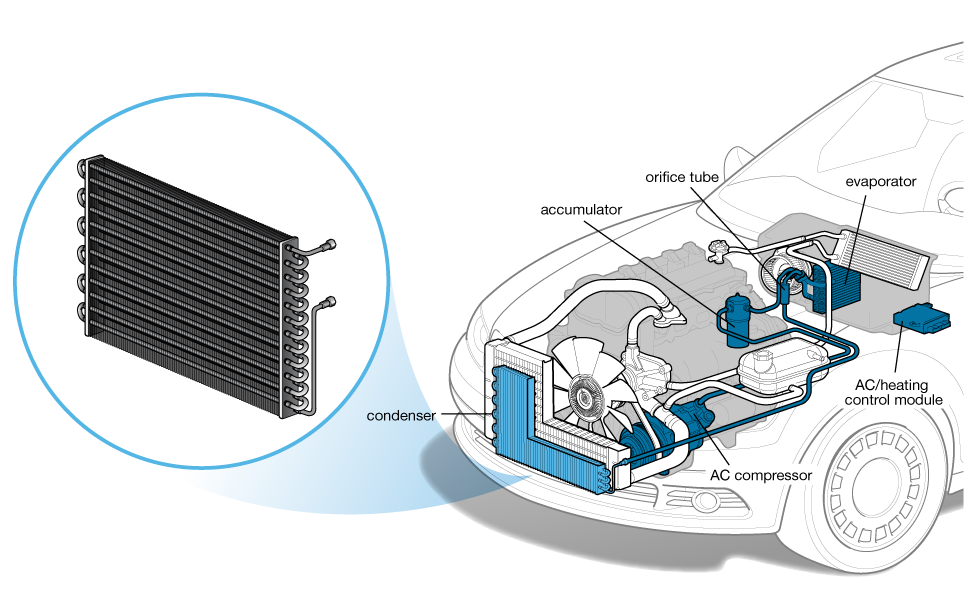
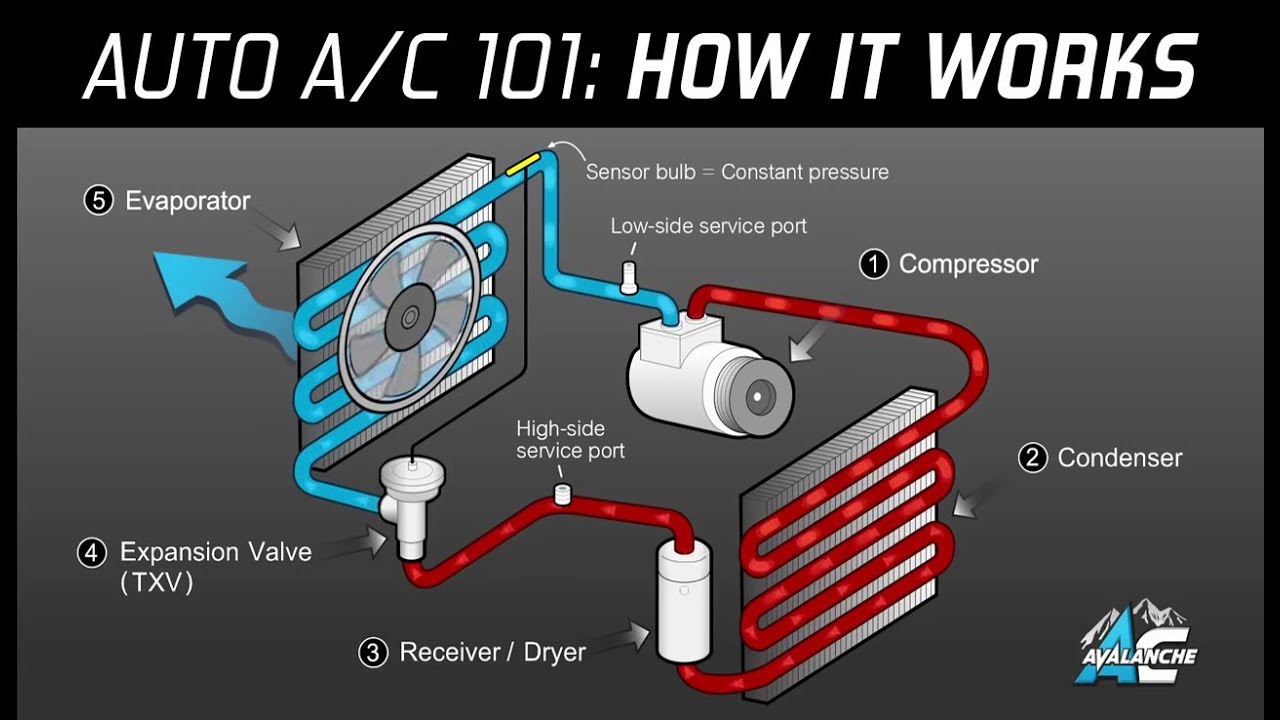
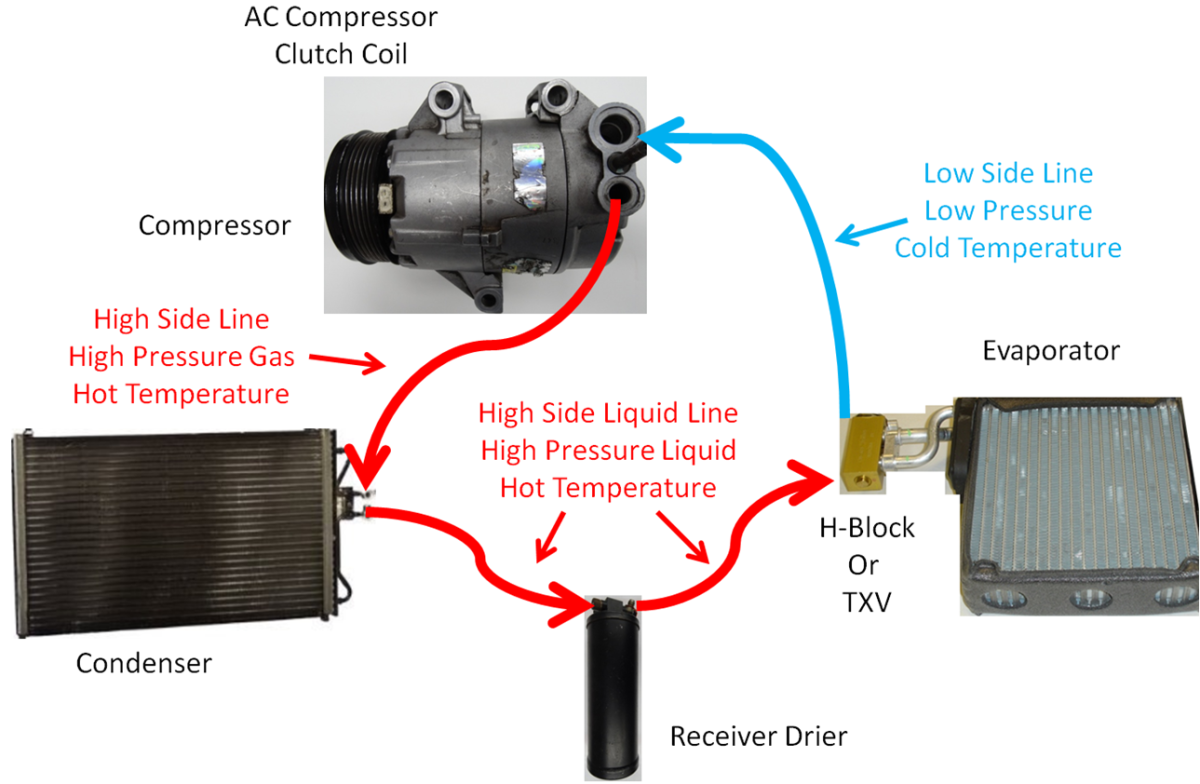
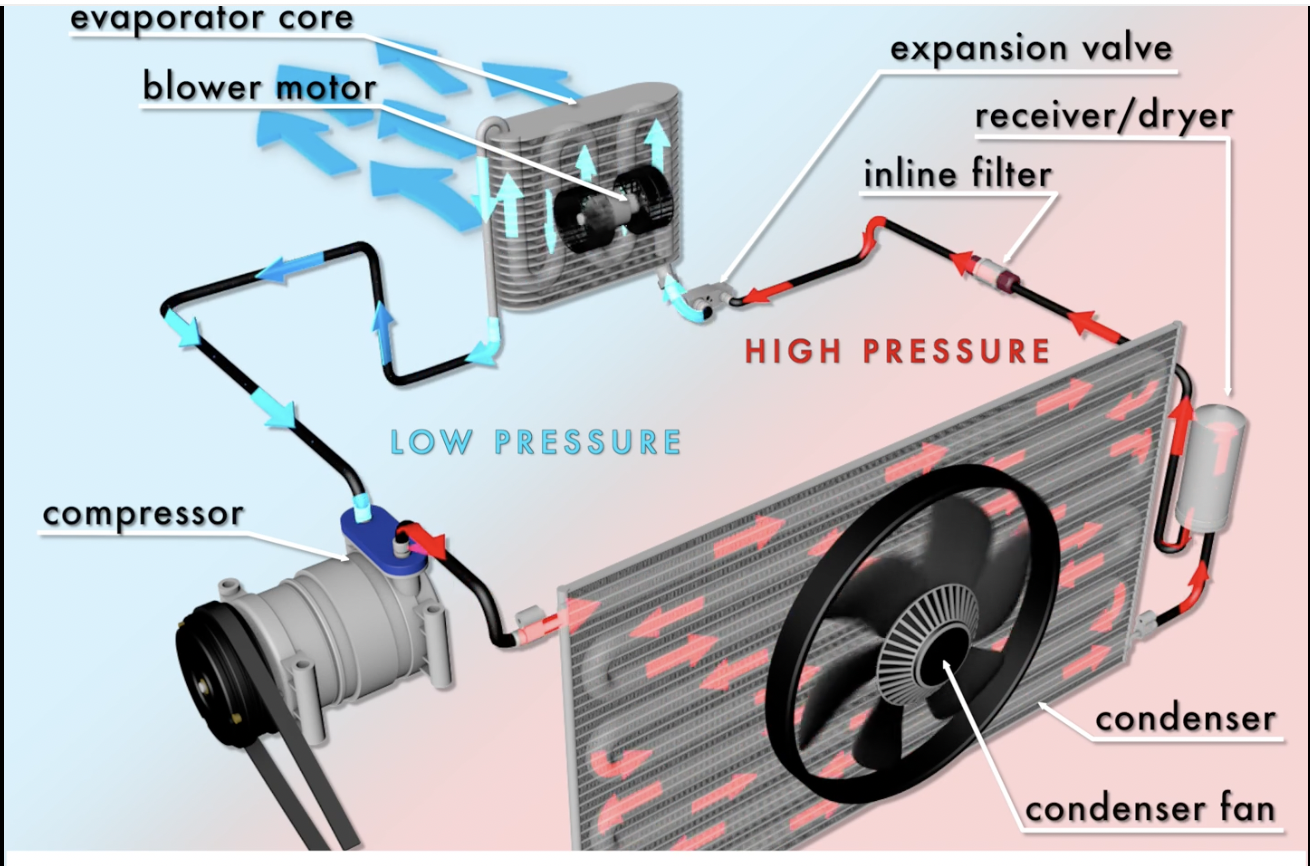
The AC condenser is essentially a heat exchanger. Think of it as a radiator, but instead of cooling engine coolant, it cools refrigerant. It's typically located at the front of your car, near the radiator, to maximize airflow for efficient cooling. Its primary job is to transform the hot, high-pressure refrigerant gas coming from the compressor into a high-pressure liquid.
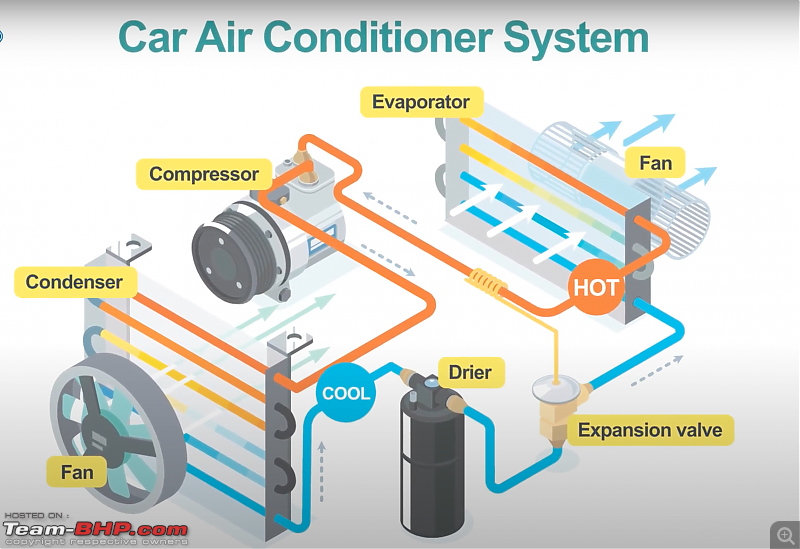
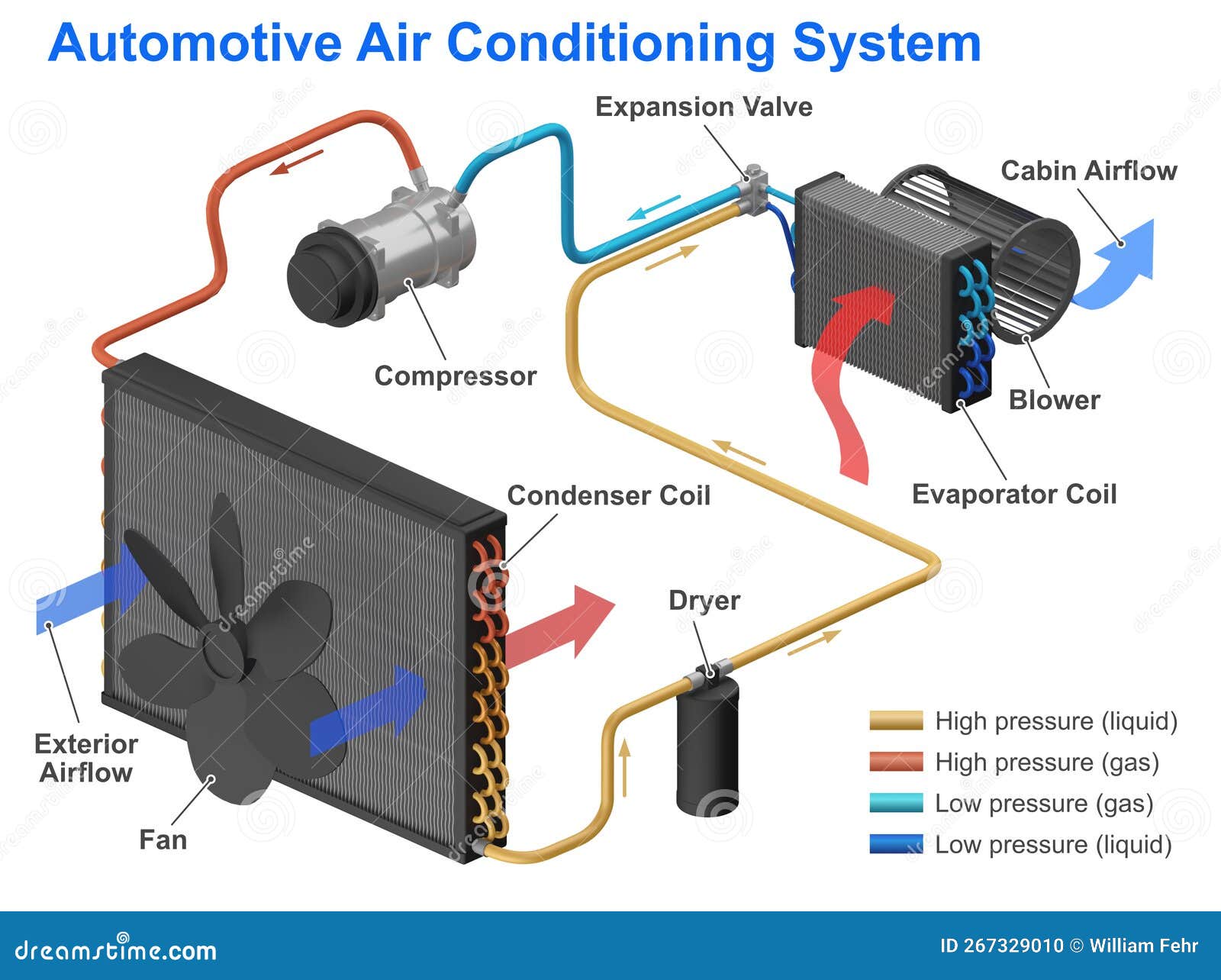
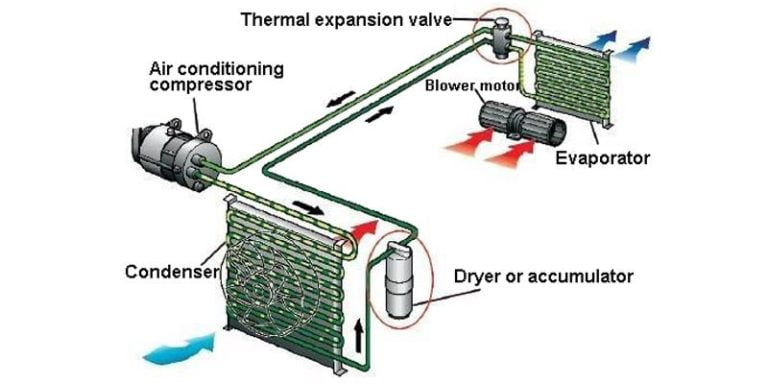
To better understand, consider this: The AC system works in a closed loop. Refrigerant cycles through the system, absorbing heat from inside the car and releasing it outside. The condenser is a crucial part of that heat-releasing process.
How Does an AC Condenser Work?
Here's a breakdown of the condenser's operation:
- Hot, High-Pressure Refrigerant Gas Enters: The compressor, which is driven by the engine, pressurizes the refrigerant. This process heats the refrigerant significantly. This hot gas then flows into the condenser.
- Heat Dissipation: The condenser is designed with a large surface area, often made of aluminum fins, to maximize heat transfer. As the hot refrigerant gas passes through the condenser, air flowing through the fins (either from the car's movement or from the cooling fan) absorbs the heat.
- Phase Change: As the refrigerant loses heat, it changes from a high-pressure gas to a high-pressure liquid. This is a crucial phase change because liquid refrigerant can absorb heat more efficiently than gas.
- High-Pressure Liquid Exits: The now-liquid refrigerant, still at high pressure but significantly cooler, exits the condenser and flows to the receiver-drier (or accumulator, depending on the system type).
Think of refrigerant as the "blood" of your AC system, carrying heat from inside to outside. The condenser is like the lungs, expelling that heat to cool the refrigerant down.
Why is the AC Condenser Important?
The AC condenser is essential for the efficient operation of your car's AC system. Without a properly functioning condenser, the refrigerant wouldn't cool down effectively, leading to several problems:
- Reduced Cooling Performance: The most obvious consequence is weak or no cold air coming from the vents. The refrigerant isn't cooling down enough to absorb sufficient heat from the car's interior.
- Increased Compressor Load: A failing condenser forces the compressor to work harder, increasing fuel consumption and potentially leading to premature compressor failure. Compressors are the most expensive component of the AC system.
- System Overheating: In severe cases, a malfunctioning condenser can cause the entire AC system to overheat, potentially damaging other components.
- Inefficient System Operation: The AC system won't be able to dehumidify the air effectively, making the cabin feel clammy and uncomfortable.
Common Symptoms of a Failing AC Condenser
Recognizing the signs of a failing AC condenser early can save you money and prevent further damage. Here are some common symptoms to watch out for:
- Weak or No Cold Air: This is the most common and obvious symptom. If your AC is blowing warm air, even on the coldest setting, the condenser might be the culprit.
- AC Works Intermittently: Sometimes the AC might blow cold air for a while, then switch to warm air. This could indicate a partially clogged or damaged condenser.
- Unusual Noises from the AC System: While not always directly related to the condenser, strange noises like hissing or rattling could indicate a problem within the AC system, possibly involving the condenser.
- Visible Damage to the Condenser: Inspect the condenser for signs of damage, such as bent fins, leaks, or corrosion. Road debris, accidents, and age can all damage the condenser.
- Refrigerant Leaks: A refrigerant leak near the condenser is a strong indicator of a problem. Refrigerant leaks are often accompanied by an oily residue.
- Overheating Engine: Although less common, a severely clogged or damaged condenser can restrict airflow to the radiator, potentially causing the engine to overheat.
Causes of AC Condenser Failure
Several factors can lead to AC condenser failure:
- Road Debris: Rocks, gravel, and other debris kicked up from the road can damage the delicate fins of the condenser, reducing its efficiency.
- Corrosion: Exposure to road salt, moisture, and other environmental factors can cause corrosion, weakening the condenser over time and eventually leading to leaks.
- Accidents: Even minor fender benders can damage the condenser, especially if it's located close to the front of the car.
- Refrigerant Leaks: Leaks, whether caused by corrosion or damage, reduce the amount of refrigerant in the system, affecting the condenser's ability to cool the refrigerant.
- Clogging: Dirt, debris, and even internal corrosion can clog the condenser, restricting refrigerant flow and reducing its cooling capacity.
- Age: Like all car components, the AC condenser has a limited lifespan. Over time, it can simply wear out due to normal use.
Diagnosing a Faulty AC Condenser
Diagnosing a faulty AC condenser usually requires a professional mechanic. They will typically perform the following steps:
- Visual Inspection: The mechanic will visually inspect the condenser for damage, leaks, and corrosion.
- Pressure Testing: They will use gauges to measure the pressure in the AC system to check for refrigerant leaks or blockages.
- Leak Detection: They may use a refrigerant leak detector to pinpoint the source of any leaks.
- Performance Testing: They will assess the overall performance of the AC system, measuring the temperature of the air coming from the vents.
AC Condenser Repair vs. Replacement
In most cases, replacing the AC condenser is the best option. While minor damage, such as slightly bent fins, can sometimes be straightened, more significant damage usually necessitates replacement.
Repairing a leaking condenser is generally not recommended, as it's often a temporary fix and can be more expensive in the long run. The repair might not hold, and you'll end up paying for labor twice. Replacement ensures a long-lasting solution and optimal AC system performance.
Cost of AC Condenser Replacement
The cost of replacing an AC condenser can vary depending on several factors:
- Vehicle Make and Model: The price of the condenser itself can vary significantly depending on the car.
- Labor Costs: Labor costs can vary depending on the mechanic's hourly rate and the complexity of the job.
- Location: Prices can vary depending on your geographic location.
- New vs. Aftermarket Parts: Using a new, original equipment manufacturer (OEM) condenser will typically be more expensive than using an aftermarket part.
Generally, you can expect to pay anywhere from $300 to $800 for an AC condenser replacement, including parts and labor. It's always a good idea to get quotes from multiple mechanics before making a decision.
Maintaining Your AC System to Prevent Condenser Problems
While you can't completely prevent AC condenser failure, there are steps you can take to prolong its life and ensure optimal performance:
- Regular AC System Servicing: Have your AC system serviced regularly by a qualified mechanic. This includes checking refrigerant levels, inspecting components, and cleaning the system.
- Protect the Condenser: Consider installing a mesh grille or screen in front of the condenser to protect it from road debris.
- Keep the Condenser Clean: Periodically clean the condenser fins with a soft brush and gentle cleaner to remove dirt and debris. Be careful not to bend the fins.
- Address Leaks Promptly: If you suspect a refrigerant leak, have it repaired immediately to prevent further damage to the system.
Conclusion
The AC condenser is a vital component of your car's air conditioning system, responsible for cooling the refrigerant and ensuring efficient operation. Understanding its function and recognizing the symptoms of failure can help you keep your AC system running smoothly and comfortably. If you suspect a problem with your AC condenser, consult a qualified mechanic for diagnosis and repair. Proper maintenance and prompt attention to problems can help extend the life of your AC system and keep you cool on the road.