What Does A Circulation Pump Do
Picture this: you turn on the hot water tap, expecting an immediate, comforting flow, but instead, you're greeted with a frustratingly long wait, wasting water and your patience. This is a common problem for homeowners, often stemming from issues with the circulation pump. But what exactly *is* a circulation pump, and how can you troubleshoot it?
What Does a Circulation Pump Do?
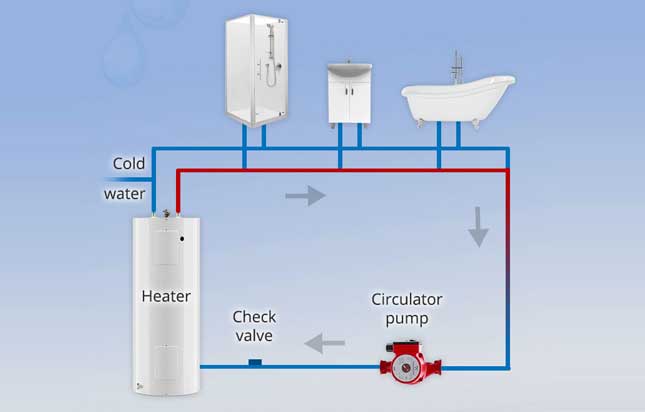
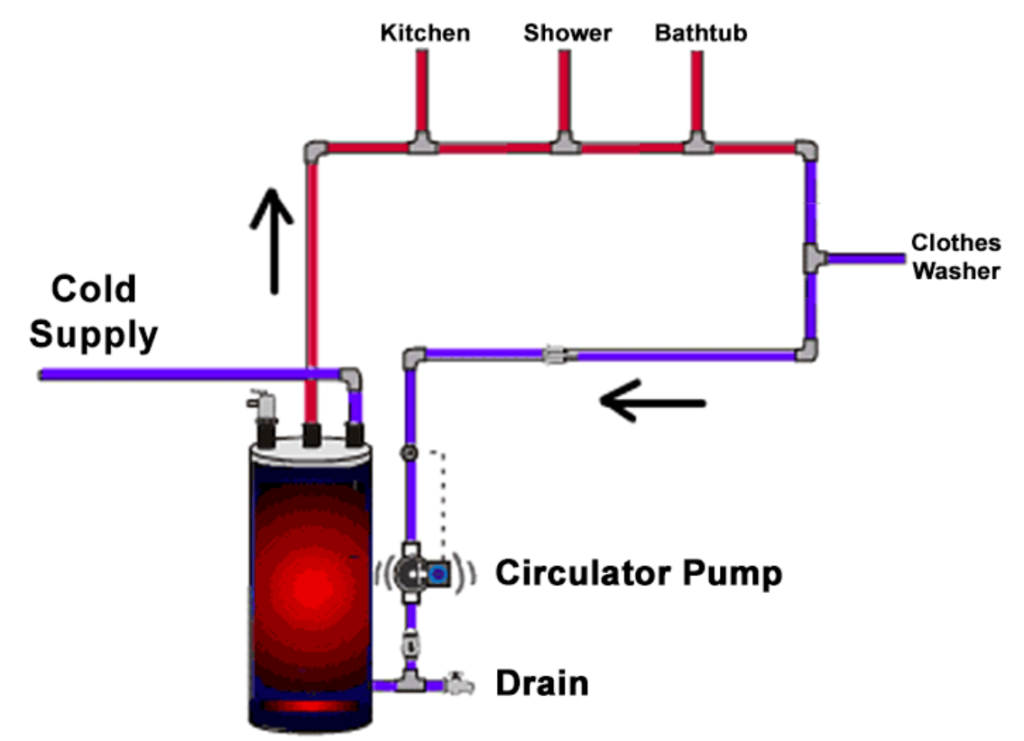
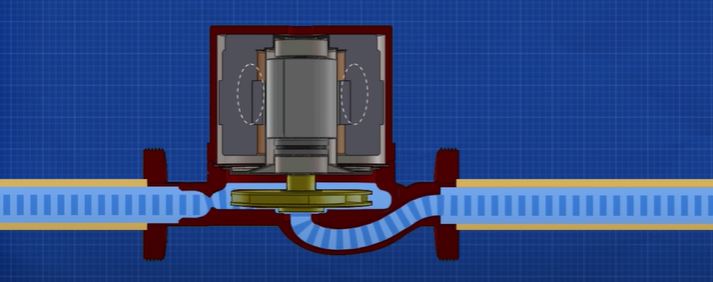
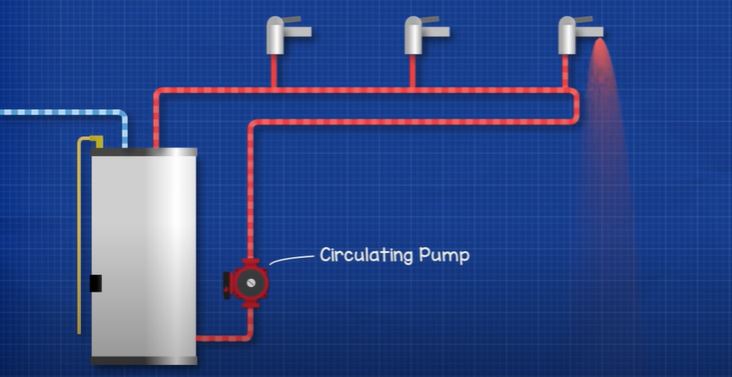
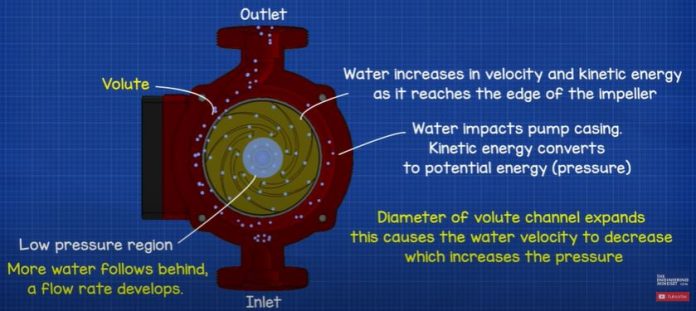
A circulation pump, sometimes called a recirculating pump, is a small but mighty workhorse in your plumbing system. Its primary job is to ensure that hot water is readily available at your faucets and showers, without the agonizing wait for the cold water in the pipes to clear out. It achieves this by continuously circulating hot water from your water heater through your hot water pipes and back again.
Think of it like this: imagine a looped racetrack. The water heater is the pit stop, and the circulation pump is the engine that keeps the cars (hot water) constantly moving around the track (your pipes). Without it, the water would sit stagnant, cooling down and requiring a longer wait to get hot water when you need it.
Benefits of a circulation pump include:
- Reduced water waste: No more running the tap for minutes waiting for hot water.
- Improved comfort and convenience: Instant hot water, especially valuable during colder months.
- Energy savings (depending on pump type): While the pump consumes some energy, it can save you money by reducing water waste.
Diagnosing Circulation Pump Problems: A Step-by-Step Guide
If you're experiencing long wait times for hot water, the circulation pump might be the culprit. Here's a methodical approach to diagnosing the problem:
Step 1: Confirm the Pump is Running
The first step is to determine if the pump is even functioning. Go to the location of your circulation pump (typically near your water heater). Listen closely. You should hear a faint humming or buzzing sound indicating that the motor is running. Place your hand on the pump body; you should feel a slight vibration.
If you hear nothing and feel no vibration:
- Check the power supply: Ensure the pump is plugged into a working outlet. Test the outlet with another appliance to confirm it's receiving power.
- Inspect the circuit breaker: Check your electrical panel to see if the breaker for the pump circuit has tripped. If so, reset it. If it trips again immediately, *do not* continue resetting it. This indicates a serious electrical problem requiring a qualified electrician.
- Examine the wiring: Carefully inspect the wiring connected to the pump for any signs of damage, such as frayed wires, loose connections, or corrosion. If you find any damage, *proceed with extreme caution* and consider contacting a qualified electrician.
If you hear the pump running, but still have long wait times: Proceed to the next steps.
Step 2: Check the Pump's Settings (if applicable)
Some circulation pumps have adjustable settings, such as timers or temperature sensors. Consult your pump's manual to understand how these settings affect its operation. A timer that's not properly programmed or a temperature sensor that's malfunctioning could prevent the pump from running when you need it.
Consider these possibilities:
- Timer issues: Is the timer set to run only during certain hours of the day? Adjust the timer to ensure it's running during the times you need hot water.
- Temperature sensor problems: Some pumps have a temperature sensor that activates the pump when the water temperature drops below a certain level. If the sensor is faulty, it might not be triggering the pump.
Step 3: Inspect for Air Trapped in the System
Air trapped in the plumbing system can significantly reduce the efficiency of the circulation pump. Air pockets can prevent the pump from properly circulating water, leading to longer wait times. Bleeding the air from the system is a relatively simple DIY task.
How to Bleed Air from the Circulation Pump System:
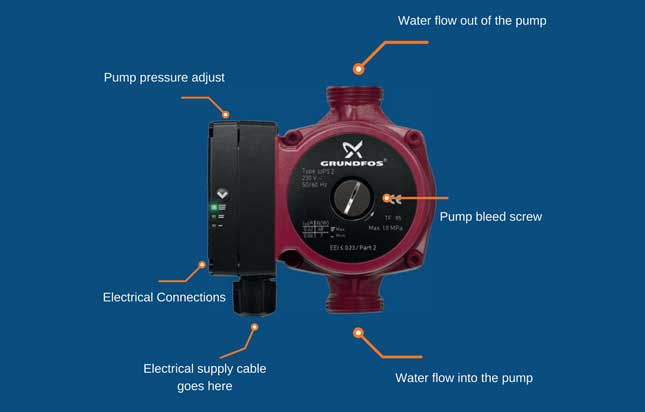
- Locate the bleed valve: Many circulation pumps have a small bleed valve, usually located on top of the pump housing.
- Prepare a container: Place a container or towel beneath the bleed valve to catch any water that may escape.
- Open the bleed valve: Slowly open the bleed valve, allowing air to escape. You should hear a hissing sound as the air is released.
- Close the valve when water flows steadily: Once all the air has been released and water is flowing steadily from the valve, close it tightly.
- Repeat if necessary: You may need to repeat this process several times to ensure all the air is removed from the system.
Step 4: Examine the Pump for Debris and Blockages
Over time, debris and sediment can accumulate in the circulation pump, hindering its performance. This is particularly true if you have older pipes or hard water. Cleaning the pump can often resolve the issue.
How to Clean the Circulation Pump (Proceed with Caution!):
- Turn off the power: Before attempting to clean the pump, *absolutely* turn off the power to it at the circuit breaker. This is crucial for your safety.
- Isolate the pump: If possible, close the shut-off valves on either side of the pump to isolate it from the rest of the plumbing system. This will prevent water from flowing out when you disconnect the pump.
- Disconnect the pump: Carefully disconnect the pump from the plumbing lines. You may need to use wrenches to loosen the fittings. Be prepared for some water to spill out.
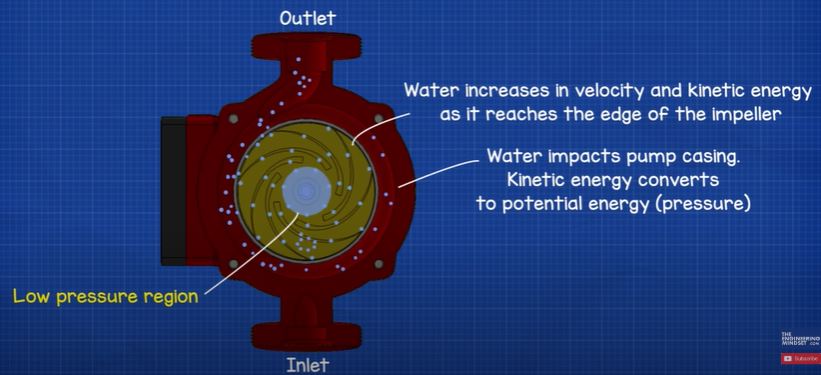
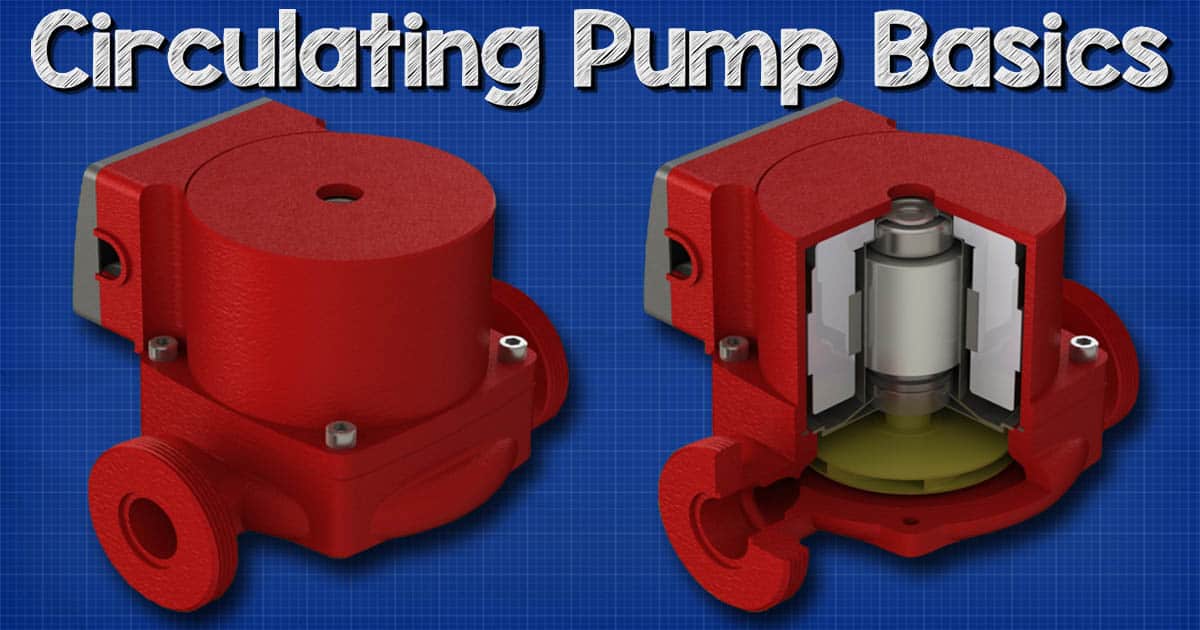
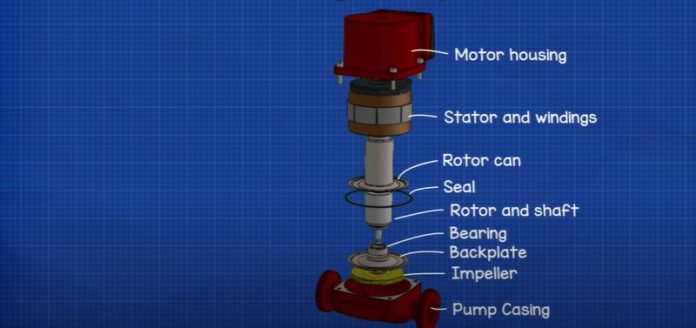
- Disassemble the pump (if possible): Depending on the pump model, you may be able to disassemble it to access the impeller and other internal components. Consult your pump's manual for specific instructions.
- Clean the components: Use a brush or cloth to remove any debris, sediment, or scale from the pump components. You can use a mild cleaning solution if necessary.
- Reassemble the pump: Carefully reassemble the pump, following the instructions in your manual.
- Reconnect the pump: Reconnect the pump to the plumbing lines, ensuring the fittings are tight.
- Turn on the power: Turn the power back on at the circuit breaker.
- Test the pump: Run the hot water and observe the pump to ensure it's functioning properly.
Step 5: Check the Pipes for Kinks or Obstructions
While less common, kinks or obstructions in the hot water pipes can also restrict water flow and cause long wait times. Inspect the accessible sections of your hot water pipes for any visible kinks or damage. If you suspect a blockage, consider contacting a professional plumber, as resolving this issue may require specialized tools and expertise.
When to Call a Professional
While many circulation pump problems can be resolved with simple DIY troubleshooting, there are situations where professional intervention is necessary. It's time to call a qualified plumber or electrician if:
- You're uncomfortable working with electricity or plumbing. Your safety is paramount.
- The circuit breaker trips repeatedly. This indicates a serious electrical problem that needs to be addressed by a qualified electrician.
- You suspect a leak or corrosion in the pump or plumbing system. Leaks can cause water damage and mold growth, while corrosion can weaken pipes and lead to further problems.
- You've tried all the DIY troubleshooting steps and the problem persists. The issue may be more complex than you can handle on your own.
- The pump is old or severely damaged. Replacing the pump may be the most cost-effective solution in the long run.
- You are not able to safely isolate and disconnect the pump from the plumbing system. Forced disassembly could result in damage to surrounding components.
Specifically, any issues related to the motor itself require a professional assessment. Do not attempt to repair a motor yourself. This includes problems such as:
- The pump motor hums loudly but doesn't circulate water. This could indicate a seized motor or a problem with the impeller.
- The pump motor smells burnt or emits smoke. This is a sign of a serious electrical problem.
- The pump motor is leaking oil. This indicates a seal failure.
Remember, a properly functioning circulation pump is essential for a comfortable and efficient home. By following these troubleshooting steps and knowing when to call a professional, you can keep your hot water flowing smoothly and avoid the frustration of long wait times.
Important Safety Note: Always prioritize safety when working with electricity and plumbing. Turn off the power and water supply before attempting any repairs. If you're unsure about any step, consult a qualified professional.