What Does A Compressor Do In Hvac

In the world of Heating, Ventilation, and Air Conditioning (HVAC), the compressor reigns supreme as a critical component. It's the heart of the cooling system, driving the refrigerant that ultimately delivers comfortable temperatures in our homes, offices, and commercial spaces. Understanding the compressor's function is paramount for anyone aspiring to a successful career in HVAC, whether you're a student just starting out, an experienced technician seeking advancement, or an employer looking to hire top talent.
The Compressor's Vital Role: Pumping Refrigerant, Pumping Comfort
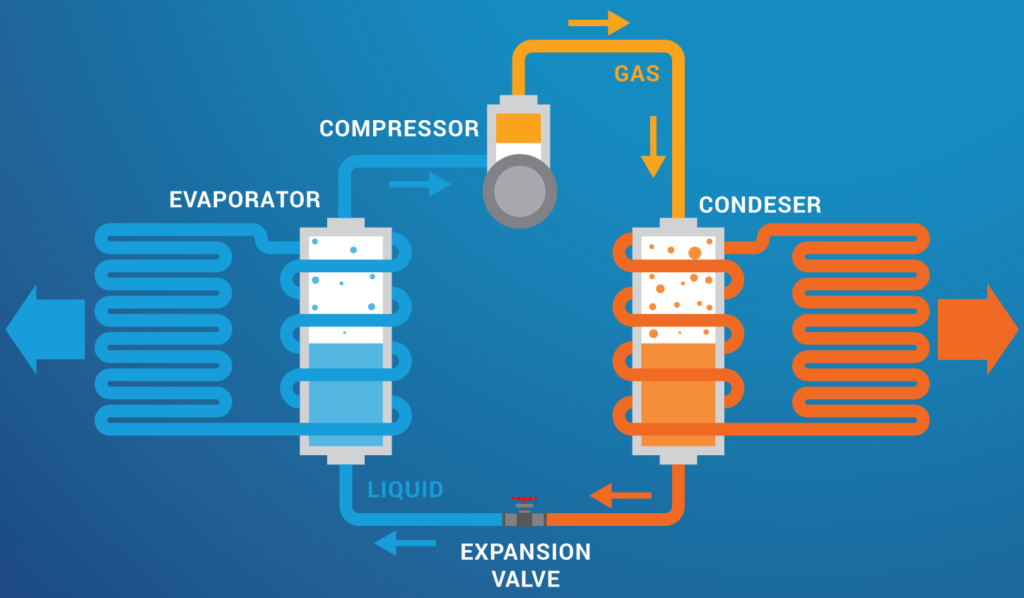
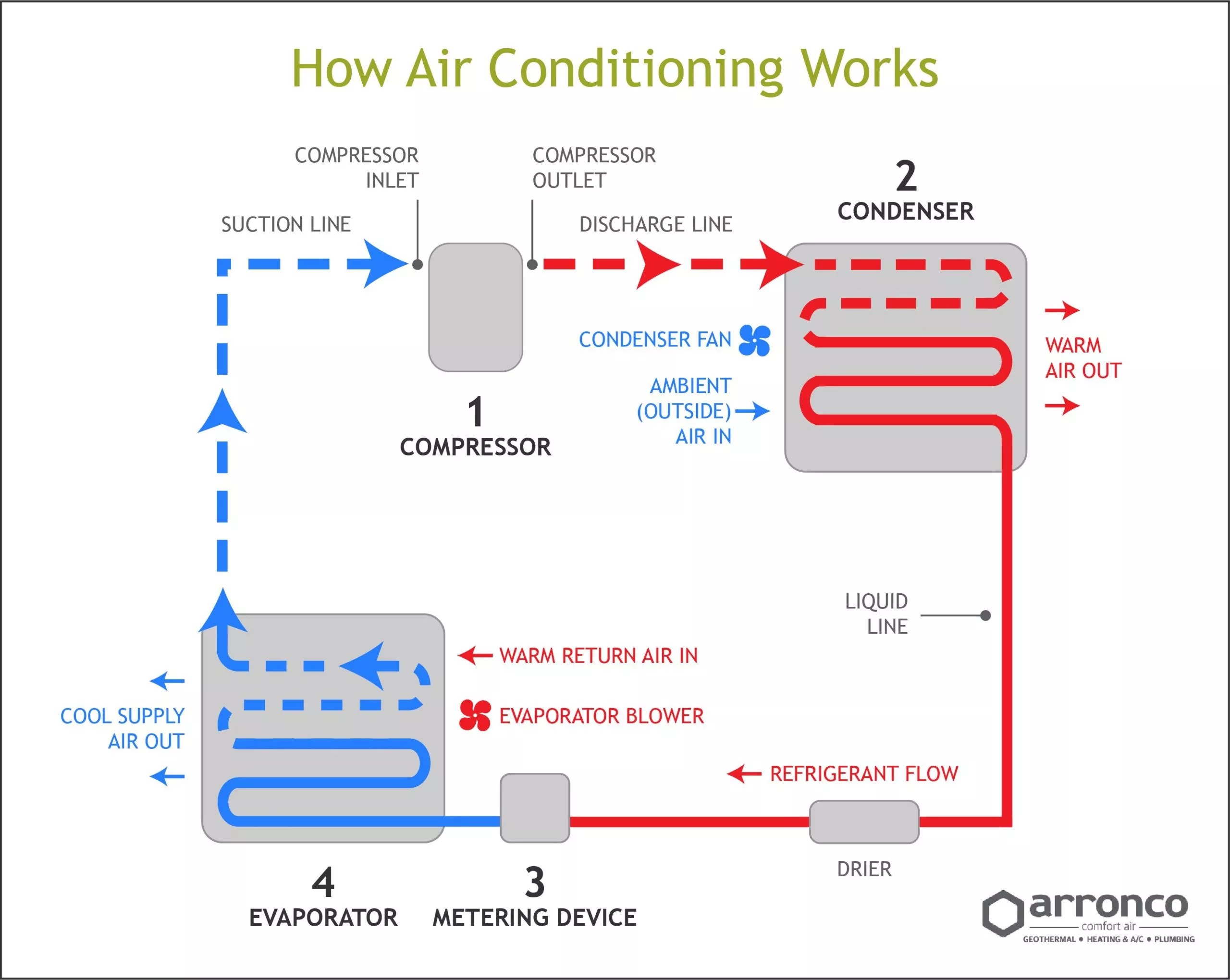
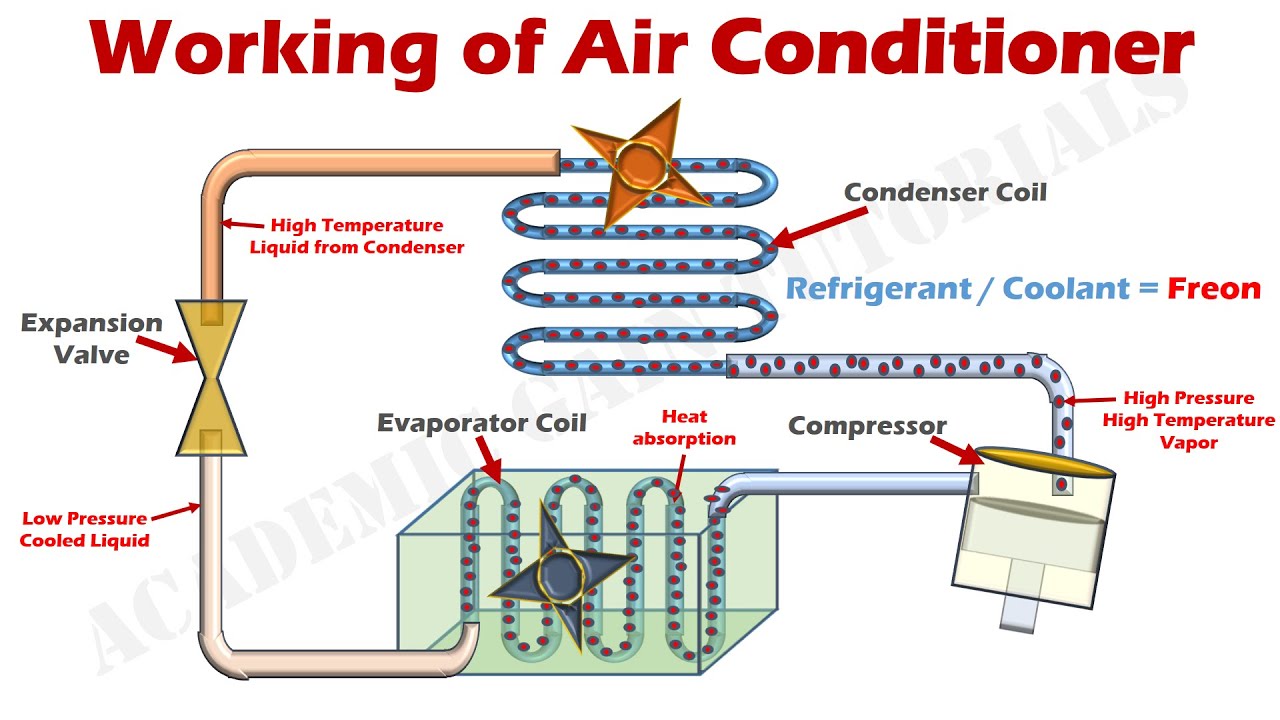
At its core, the compressor is a pump. Its primary function is to compress refrigerant vapor, increasing its pressure and temperature. This high-pressure, high-temperature refrigerant then flows through the rest of the system, releasing heat at the condenser before expanding and cooling down to provide the cooling effect in your evaporator coil. Without a functioning compressor, the entire cooling cycle grinds to a halt. Think of it like the circulatory system – the compressor is the heart, and the refrigerant is the blood.
Specifically, the compressor:
- Increases Refrigerant Pressure: This is the most critical function. Compressing the refrigerant raises its saturation temperature.
- Raises Refrigerant Temperature: The compression process also increases the temperature of the refrigerant, allowing it to effectively reject heat at the condenser coil.
- Circulates Refrigerant: The compressor ensures that the refrigerant continues to flow through the entire HVAC system.
Types of Compressors: A Technician's Guide
HVAC systems employ different types of compressors, each with its own design, efficiency, and application. Understanding these differences is crucial for diagnostics, repair, and replacement.
- Reciprocating Compressors: These use pistons to compress refrigerant. They are commonly found in smaller residential AC units and refrigerators. While they are a relatively simple design, they tend to be less efficient and noisier than other types.
- Rotary Compressors: These use a rotating mechanism (either a rolling piston or a rotating vane) to compress the refrigerant. They are more efficient and quieter than reciprocating compressors and are often used in window AC units and smaller split systems.
- Scroll Compressors: Scroll compressors utilize two interleaved spiral-shaped scrolls – one fixed and one orbiting – to compress refrigerant. They are known for their efficiency, reliability, and quiet operation, making them a popular choice for residential and light commercial applications. They have become the gold standard in many air conditioning systems.
- Screw Compressors: These use two meshing screws to compress refrigerant. They are typically used in larger commercial and industrial applications due to their high capacity and efficiency.
- Centrifugal Compressors: These use a rotating impeller to compress refrigerant. They are the largest type of compressor and are used in very large commercial and industrial applications, such as chillers for large buildings.
HVAC Career Paths: From Apprentice to Expert
A strong understanding of HVAC compressors opens doors to various career paths within the industry. Here are a few examples:
- HVAC Technician: The core of the industry, HVAC technicians install, maintain, and repair HVAC systems, with compressor diagnostics and repair being a frequent task. According to the Bureau of Labor Statistics, the median annual wage for HVAC mechanics and installers was $59,620 in May 2023. Job outlook is projected to grow 6 percent from 2022 to 2032, about as fast as the average for all occupations. About 39,400 openings for HVAC mechanics and installers are projected each year, on average, over the decade. Many of those openings are expected to result from the need to replace workers who transfer to different occupations or exit the labor force, such as to retire.
- HVAC Installer: Focusing on the installation of new systems, installers need to properly connect and commission compressors, ensuring optimal performance.
- HVAC Service Manager: With experience and expertise, technicians can move into management roles, overseeing teams of technicians and managing service operations.
- HVAC Sales Engineer: These professionals work with clients to design and sell HVAC systems, requiring a deep understanding of compressor technology and system performance.
- HVAC Design Engineer: Design engineers are involved in the development of new HVAC systems, including the selection and integration of compressors.
Real-world example: Maria started as an HVAC apprentice after completing a vocational program. She focused on learning about different compressor types and their applications. After a few years, she earned her certifications and became a lead technician, specializing in diagnosing and repairing compressor failures in commercial refrigeration systems. She now leads a team of technicians and is considering pursuing a degree in mechanical engineering to further advance her career.
Essential HVAC Certifications: Proving Your Expertise
Certifications are crucial for demonstrating competency and advancing your HVAC career. Several certifications are highly valued in the industry, and many employers require them.
- EPA Section 608 Certification: This is mandatory for any technician who handles refrigerants. It covers the proper handling, recovery, and disposal of refrigerants to protect the environment. There are different types of EPA 608 certifications (Type I, Type II, Type III, and Universal), depending on the type of equipment you work on.
- NATE Certification (North American Technician Excellence): NATE certification is a voluntary certification that demonstrates a technician's knowledge and skills in specific areas of HVAC. NATE offers certifications for various specialties, including air conditioning, heating, and refrigeration. NATE certification is widely recognized and respected in the industry and can significantly enhance your career prospects.
- HVAC Excellence Certification: Similar to NATE, HVAC Excellence offers a range of certifications for HVAC technicians, demonstrating their knowledge and skills.
- Manufacturer-Specific Training: Many manufacturers offer training programs on their specific equipment, including compressors. These programs can provide valuable knowledge and skills for working on specific brands and models.
Obtaining these certifications not only validates your skills but also demonstrates your commitment to professional development, making you a more attractive candidate for employers and increasing your earning potential. Some employers even offer bonuses or pay increases for certified technicians.
Diagnosing Compressor Problems: A Systematic Approach
Compressor failures can be a significant headache for homeowners and businesses, and diagnosing the problem quickly and accurately is essential. Here's a systematic approach to diagnosing compressor issues:
- Visual Inspection: Start by visually inspecting the compressor for any signs of damage, such as leaks, cracks, or burnt wiring.
- Electrical Testing: Use a multimeter to test the compressor's electrical components, including the windings, capacitor, and overload protector. Check for continuity and resistance to identify any electrical faults.
- Mechanical Testing: Check for signs of mechanical problems, such as excessive noise, vibration, or binding. Use a gauge manifold to check the refrigerant pressures and temperatures.
- Refrigerant Analysis: If you suspect refrigerant contamination, perform a refrigerant analysis to check for moisture, acid, or other contaminants.
- Review System History: Check the unit's maintenance log for any prior issues or repairs.
Common compressor problems include:
- Electrical Failures: Burned-out windings, short circuits, or open circuits.
- Mechanical Failures: Worn-out bearings, broken valves, or piston damage.
- Refrigerant Issues: Low refrigerant charge, refrigerant leaks, or refrigerant contamination.
- Overheating: Caused by poor ventilation, restricted airflow, or a faulty condenser fan.
Understanding these common problems and following a systematic diagnostic approach will help you quickly identify the root cause of compressor failures and implement the necessary repairs.
HVAC Industry Trends: The Future of Compressors
The HVAC industry is constantly evolving, with new technologies and regulations emerging all the time. Here are a few key trends related to compressors:
- Variable Speed Compressors: These compressors can adjust their speed to match the cooling demand, resulting in improved energy efficiency and comfort. They are becoming increasingly popular in residential and commercial applications.
- Alternative Refrigerants: Due to environmental concerns, the industry is transitioning to alternative refrigerants with lower global warming potential (GWP). This requires changes in compressor design and system components.
- Smart HVAC Systems: Smart thermostats and connected HVAC systems are becoming increasingly common, allowing for remote monitoring and control of compressors and other system components.
- Increased Efficiency Standards: Government regulations are pushing for higher energy efficiency standards for HVAC equipment, driving innovation in compressor technology.
Staying up-to-date on these trends is essential for HVAC professionals who want to remain competitive and provide the best possible service to their customers. Embracing new technologies and continuously learning will be key to success in the evolving HVAC landscape.
Employer Expectations: What Companies Look For
When hiring HVAC technicians, employers look for a combination of technical skills, soft skills, and professionalism. Here are some key expectations:
- Technical Proficiency: A strong understanding of HVAC systems, including compressors, and the ability to diagnose and repair problems efficiently.
- Certifications: EPA 608 certification is a must, and NATE or HVAC Excellence certifications are highly valued.
- Problem-Solving Skills: The ability to analyze complex problems and develop effective solutions.
- Communication Skills: The ability to communicate effectively with customers and colleagues.
- Customer Service Skills: The ability to provide excellent customer service and build strong relationships.
- Professionalism: A professional appearance, punctuality, and a strong work ethic.
- Commitment to Safety: A strong commitment to safety and the ability to follow safety procedures.
Employers often conduct background checks and drug screenings as part of the hiring process. They also look for candidates who are willing to learn and adapt to new technologies.
In conclusion, mastering the intricacies of HVAC compressors is fundamental to a thriving HVAC career. From understanding their function and types to staying abreast of industry trends and obtaining relevant certifications, a commitment to compressor expertise sets you apart in a competitive job market. Whether you're a student, a seasoned technician, or an employer seeking top-tier talent, prioritizing compressor knowledge is an investment in a successful future within the HVAC industry. The HVAC industry is constantly evolving, so continuous learning is essential for success.