What Does A Condenser Coil Look Like

Understanding the components of your air conditioning (AC) system can empower you to make informed decisions about maintenance, repairs, and upgrades. One of the most crucial components is the condenser coil. This guide will provide a comprehensive yet accessible look at what a condenser coil is, what it looks like, and why it's so important.
Think of your AC system as having two main parts: an indoor unit (containing the evaporator coil) and an outdoor unit (containing the condenser coil). The condenser coil is located outside, usually in a metal cabinet.
What is a Condenser Coil?
The condenser coil's primary job is to release heat from the refrigerant flowing through your AC system. Think of refrigerant as the "blood" of your AC system, carrying heat from inside your home to the outside. The condenser coil is where this heat is dumped into the surrounding air.
The refrigerant enters the condenser coil as a hot, high-pressure gas. As it flows through the coil, it cools down and condenses back into a liquid. This process releases the heat it absorbed from inside your home.
What Does a Condenser Coil Look Like?
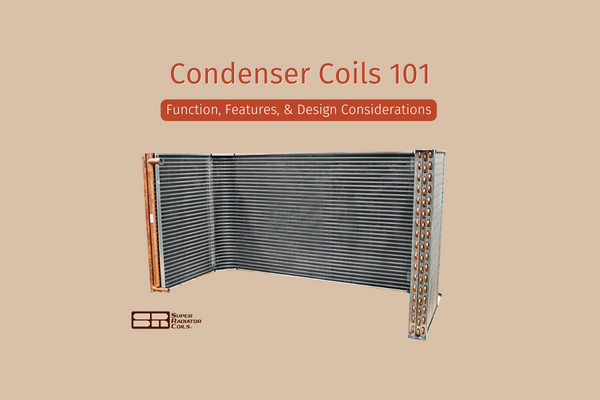
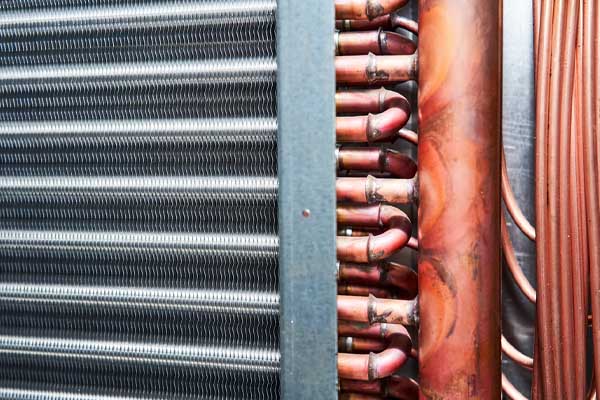
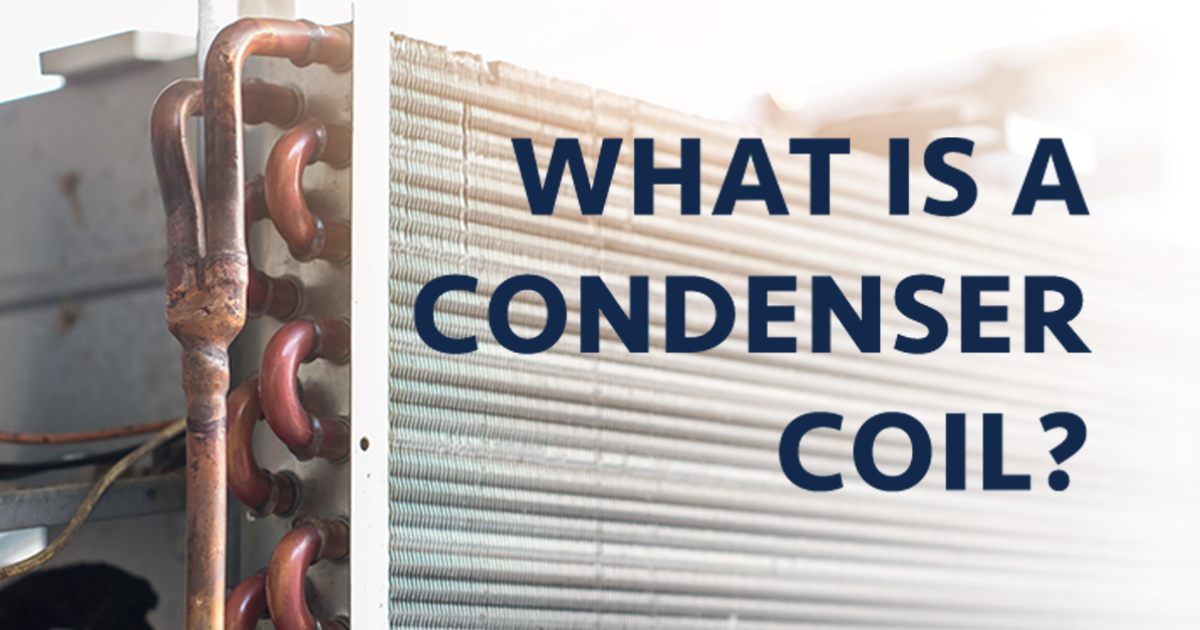
A condenser coil typically looks like a series of metal tubes arranged in a grid-like pattern. These tubes are usually made of copper or aluminum, both excellent conductors of heat. The coil is often surrounded by thin metal fins that increase the surface area, improving heat transfer.
Key Visual Characteristics:
- Tubes: Usually copper or aluminum, arranged in rows and columns. They might be straight or have a wavy or spiral design to maximize surface area.
- Fins: Thin, closely spaced metal plates attached to the tubes. They significantly increase the surface area for heat exchange. The fins are generally aluminum.
- Shape: The entire coil assembly can be rectangular, square, or cylindrical, depending on the AC unit's design.
- Location: You'll find it inside the outdoor unit, often behind a protective grille or panel.
- Color: Typically, the tubes appear as the natural color of the metal (copper or aluminum). The fins are often silver or gray. Older coils may show signs of oxidation or corrosion.
Here's a more detailed breakdown of the components:
1. Tubes
The tubes are the pathways for the refrigerant. They are usually made of:
- Copper: Copper is a superior heat conductor and is often used in higher-end or older systems. Copper coils are known for their durability, but they can be more expensive.
- Aluminum: Aluminum is lighter and less expensive than copper. Modern AC units increasingly use aluminum coils. Aluminum coils are more susceptible to certain types of corrosion, especially in coastal environments.
The arrangement of the tubes can vary:
- Parallel Flow: Refrigerant flows through multiple tubes simultaneously, offering lower pressure drop.
- Serpentine: Refrigerant flows through a single, long, winding tube.
2. Fins
Fins are critical for efficient heat transfer. They increase the surface area of the coil, allowing more air to come into contact with the hot refrigerant. This allows for faster and more effective cooling of the refrigerant.
Key characteristics of fins:
- Material: Almost always aluminum due to its light weight and good thermal conductivity.
- Density: The number of fins per inch (FPI) affects performance. Higher FPI means more surface area but can also restrict airflow and lead to increased dirt buildup.
- Types:
- Flat Fins: Simple, flat sheets of aluminum.
- Louvered Fins: Fins with small slits or louvers to increase turbulence and improve heat transfer.
- Wavy Fins: Fins with a wavy or corrugated shape for enhanced airflow and heat exchange.
3. Overall Arrangement
The arrangement of the tubes and fins within the condenser unit can vary depending on the manufacturer and model. Common configurations include:
- Flat Slab Coil: A rectangular or square coil with tubes arranged horizontally and fins vertically. This is a common design.
- Round Coil: A cylindrical coil with tubes arranged around a central axis and fins radiating outward. These are often found in smaller or more compact units.
- V-Shaped Coil: Two flat slab coils arranged in a V shape to maximize surface area within a smaller footprint.
Why is the Condenser Coil Important?
The condenser coil is essential for the proper functioning of your AC system. If the coil is damaged, dirty, or malfunctioning, it can significantly impact your system's performance and efficiency.
Here are some reasons why the condenser coil is so important:
- Cooling Capacity: A properly functioning condenser coil ensures that your AC system can effectively cool your home. If the coil is not releasing heat efficiently, the system will struggle to maintain the desired temperature.
- Energy Efficiency: A clean and well-maintained condenser coil improves energy efficiency. When the coil is blocked by dirt or debris, the system has to work harder to cool the refrigerant, leading to increased energy consumption and higher utility bills.
- System Lifespan: Overworking your AC system due to a faulty condenser coil can shorten its lifespan. The compressor, in particular, can be stressed if the condenser isn't working properly.
- Refrigerant Pressure: The condenser coil plays a crucial role in maintaining the correct refrigerant pressure within the system. Improper condensation can lead to high or low pressures, both of which can damage the compressor and other components.
Common Condenser Coil Problems
Several problems can affect the performance of your condenser coil:
- Dirt and Debris: Accumulation of dirt, leaves, grass clippings, and other debris can block airflow and reduce heat transfer efficiency. This is the most common problem.
- Bent Fins: Bent or damaged fins restrict airflow and decrease the surface area for heat exchange.
- Leaks: Refrigerant leaks can occur in the tubes, reducing the system's cooling capacity.
- Corrosion: Exposure to moisture, salt air, and chemicals can cause corrosion, weakening the coil and leading to leaks. This is especially problematic for aluminum coils in coastal areas.
- Ice Buildup: Although more common on the evaporator coil, ice can sometimes form on the condenser coil, particularly in cold weather or if there are airflow restrictions.
Maintaining Your Condenser Coil
Regular maintenance is crucial for ensuring the proper functioning of your condenser coil and extending the life of your AC system.
Here are some maintenance tips:
- Regular Cleaning: Clean the condenser coil regularly, especially during peak cooling seasons. Use a garden hose with a gentle spray nozzle to remove dirt and debris. Avoid using high-pressure washers, as they can damage the fins. Turn off the power to the unit before cleaning.
- Fin Straightening: Use a fin comb to straighten any bent fins. This will improve airflow and heat transfer.
- Clear Surrounding Area: Keep the area around the outdoor unit clear of plants, bushes, and other obstructions that could block airflow. Maintain at least two feet of clearance around the unit.
- Professional Inspection: Schedule regular professional inspections and maintenance to identify and address potential problems before they become major issues. A technician can check for leaks, corrosion, and other issues that you might not be able to detect yourself.
When to Call a Professional
While some maintenance tasks can be performed by homeowners, certain problems require the expertise of a qualified HVAC technician.
Call a professional if you notice any of the following:
- Refrigerant Leaks: If you suspect a refrigerant leak (e.g., hissing sound, oily residue), contact a professional immediately. Refrigerant leaks can be harmful to the environment and can significantly impact your system's performance.
- Severe Corrosion: Extensive corrosion can weaken the coil and lead to leaks. A technician can assess the damage and determine whether the coil needs to be repaired or replaced.
- Significant Damage: If the coil is severely damaged (e.g., crushed tubes, broken fins), it may need to be replaced.
- Decreased Cooling Performance: If your AC system is not cooling your home effectively, even after cleaning the coil, it could indicate a more serious problem.
- Unusual Noises: Strange noises coming from the outdoor unit could indicate a problem with the compressor or other components.
By understanding what a condenser coil looks like and how it functions, you can better maintain your AC system and ensure its optimal performance. Regular maintenance and prompt attention to potential problems can save you money on energy bills and prevent costly repairs in the long run.