What Does A Damper Oin Do In Hvac Systems

In the complex world of Heating, Ventilation, and Air Conditioning (HVAC) systems, many components work together to ensure optimal performance and energy efficiency. One such component, often overlooked but critically important, is the damper. Specifically, we'll delve into the role and function of the damper, how it contributes to overall system effectiveness, and why understanding dampers is essential for HVAC professionals.
Understanding Dampers in HVAC Systems
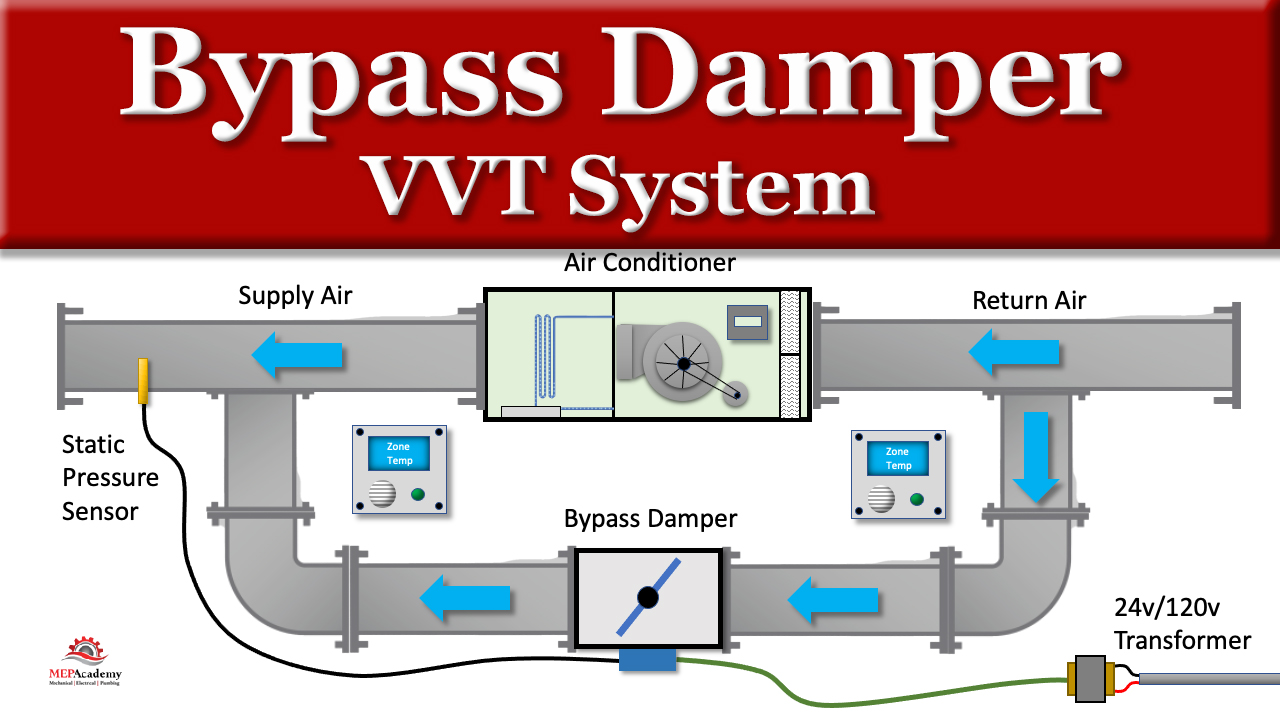
A damper is a plate or valve that regulates airflow within a duct. It's like a traffic controller for air, directing it where it's needed most. Dampers come in various shapes, sizes, and control mechanisms, each suited for specific applications within an HVAC system. They are integral to zoning, balancing airflow, and ensuring occupant comfort.
Types of Dampers
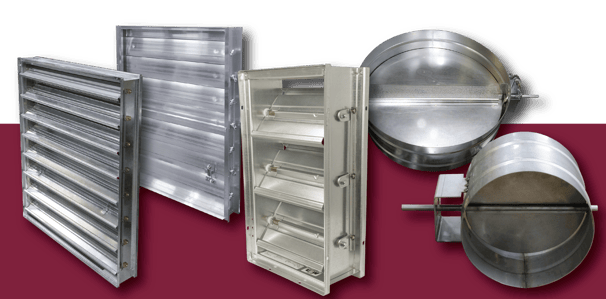
Several types of dampers exist, each designed for a particular purpose:
- Balancing Dampers: These are manually adjusted dampers used to balance airflow between different zones or registers in a building. They ensure that each area receives the intended amount of conditioned air.
- Zone Dampers: These are motorized dampers controlled by a thermostat. They open and close to regulate airflow to individual zones, allowing for customized temperature control in different areas of a building.
- Backdraft Dampers: These are one-way dampers that allow airflow in one direction only, preventing backflow and ensuring proper ventilation. They are commonly used in exhaust systems.
- Fire Dampers: These are safety devices designed to automatically close in the event of a fire, preventing the spread of flames and smoke through the ductwork. They are crucial for building safety and compliance with fire codes.
- Smoke Dampers: Similar to fire dampers, smoke dampers are designed to prevent the spread of smoke during a fire. They can be activated by smoke detectors or fire alarm systems.
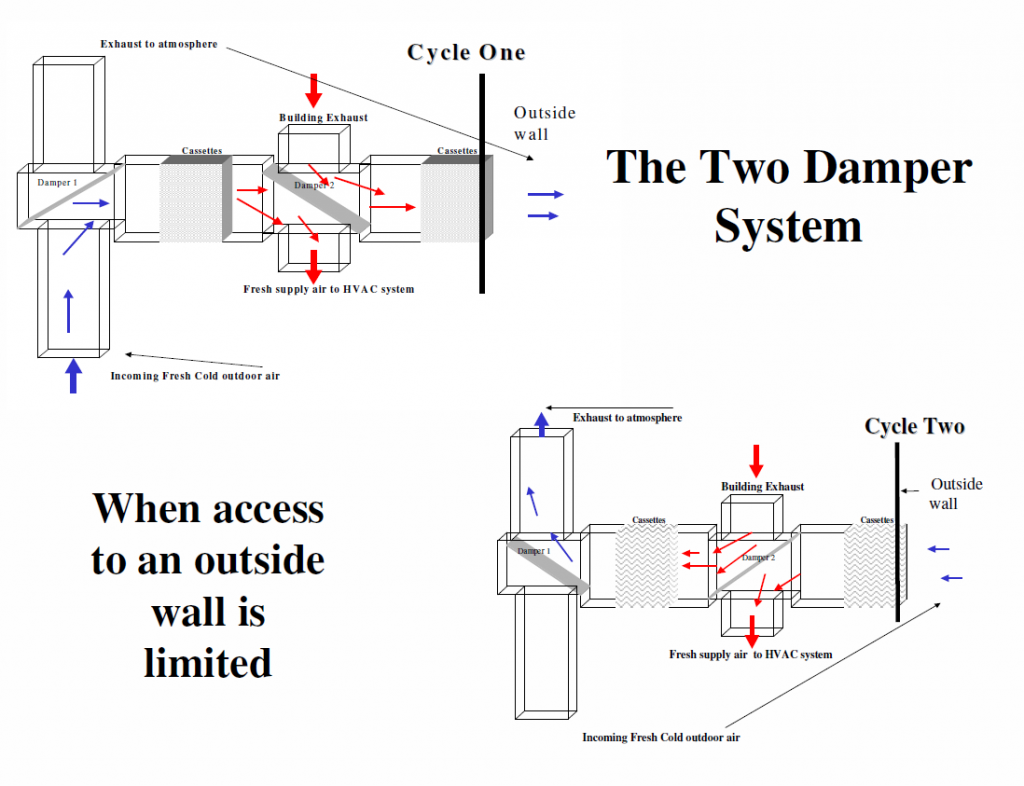
- Economizer Dampers: Used in economizer systems, these dampers control the amount of outside air introduced into the HVAC system. During favorable weather conditions, they allow for free cooling, reducing the reliance on mechanical cooling and saving energy.
The Function of Dampers
The primary function of a damper is to control airflow. This seemingly simple task has profound implications for the performance and efficiency of an HVAC system. Here's a breakdown of how dampers contribute:
- Airflow Balancing: Dampers allow technicians to balance airflow throughout a building. Without proper balancing, some areas may be too hot or too cold, while others may receive excessive or insufficient airflow.
- Zoning: Zone dampers enable zoning, allowing different areas of a building to be heated or cooled independently. This improves occupant comfort and reduces energy waste by conditioning only the occupied spaces.
- Energy Efficiency: By controlling airflow and enabling zoning, dampers contribute to energy efficiency. They prevent over-conditioning of unoccupied spaces and optimize the use of heating and cooling equipment.
- Ventilation Control: Dampers play a crucial role in ventilation systems, ensuring proper airflow and preventing backflow. They help maintain indoor air quality and prevent the buildup of pollutants.
- Safety: Fire and smoke dampers are essential for building safety. They prevent the spread of fire and smoke, protecting occupants and minimizing property damage.
Career Paths and the Importance of Damper Knowledge
Understanding dampers is crucial for various HVAC career paths. Here are a few examples:
- HVAC Technician: Technicians must be able to diagnose damper-related issues, such as malfunctioning zone dampers or improperly balanced airflow. They need to know how to adjust and repair dampers to ensure optimal system performance.
- HVAC Installer: Installers need to properly install dampers according to building codes and design specifications. This includes selecting the right type of damper for the application and ensuring proper placement and operation.
- HVAC Designer: Designers must understand the principles of airflow and zoning to specify the correct dampers for a particular building. They need to consider factors such as building size, occupancy patterns, and energy efficiency goals.
- Building Automation Specialist: These specialists work with control systems that manage zone dampers and other HVAC components. They need to understand how dampers operate and how to integrate them into building automation systems.
The job outlook for HVAC professionals is projected to grow. According to the U.S. Bureau of Labor Statistics, employment of HVAC mechanics and installers is projected to grow 6 percent from 2022 to 2032, about as fast as the average for all occupations. About 38,000 openings for HVAC mechanics and installers are projected each year, on average, over the decade. All of those openings are expected to result from the need to replace workers who transfer to other occupations or retire.
The median annual wage for HVAC mechanics and installers was $59,620 in May 2023. The median wage is the wage at which half the workers in an occupation earned more than that amount and half earned less. The lowest 10 percent earned less than $35,670, and the highest 10 percent earned more than $97,690.
Certifications for HVAC Professionals
Earning certifications can significantly enhance your career prospects and earning potential. Here are some key certifications for HVAC professionals:
- NATE (North American Technician Excellence): NATE certification is a widely recognized credential that demonstrates a technician's knowledge and skills in HVAC. NATE offers certifications in various specialties, including air conditioning, heating, and ventilation.
- EPA 608 Certification: Required for technicians who handle refrigerants, the EPA 608 certification ensures that technicians understand the proper handling and disposal of refrigerants to protect the environment. There are different levels of certification depending on the type of equipment being serviced.
- HVAC Excellence: HVAC Excellence offers a range of certifications for HVAC technicians, instructors, and programs. Their certifications cover various topics, including HVAC fundamentals, electrical systems, and troubleshooting.
- RSES (Refrigeration Service Engineers Society): RSES offers training and certification programs for HVAC professionals, covering topics such as refrigeration, air conditioning, and heating. Their certifications are recognized throughout the industry.
Continuing education is also crucial in the HVAC field. New technologies and regulations are constantly emerging, so technicians need to stay up-to-date to maintain their skills and knowledge. Many organizations offer continuing education courses and workshops for HVAC professionals.
Real-World Examples of Career Progression
Many HVAC professionals start as apprentices and gradually advance in their careers. Here are a few examples:
- Apprentice -> Journeyman Technician -> Master Technician: This is a common career path for HVAC technicians. Apprentices start by assisting experienced technicians and gradually learn the trade. After completing an apprenticeship program, they become journeyman technicians and can work independently. With further experience and training, they can become master technicians, often specializing in a particular area of HVAC.
- Technician -> Service Manager -> Project Manager: Some technicians transition into management roles, overseeing service operations or managing HVAC projects. This requires strong leadership and communication skills, as well as a deep understanding of HVAC systems.
- Technician -> Sales Engineer -> Business Owner: Some technicians use their technical expertise to move into sales, working as sales engineers to promote HVAC equipment and services. Others start their own HVAC businesses, leveraging their technical knowledge and entrepreneurial skills.
Troubleshooting Damper Issues
Diagnosing and resolving damper problems requires a systematic approach. Here are some common issues and troubleshooting steps:
- Zone Damper Not Opening/Closing: Check the thermostat settings, wiring connections, and damper motor. Use a multimeter to test the voltage to the damper motor. If the motor is faulty, replace it.
- Balancing Damper Out of Adjustment: Use a flow meter or manometer to measure airflow at different registers. Adjust the balancing damper until the airflow is within the specified range.
- Backdraft Damper Stuck Open/Closed: Inspect the damper for debris or obstructions. Clean the damper and lubricate the hinges. If the damper is damaged, replace it.
- Fire/Smoke Damper Malfunction: Fire and smoke dampers should be inspected regularly to ensure they are functioning properly. Consult the manufacturer's instructions for testing and maintenance procedures. Contact a qualified fire protection specialist for repairs or replacements.
The Future of Dampers in HVAC
As HVAC technology continues to evolve, dampers are becoming more sophisticated and integrated with building automation systems. Smart dampers can automatically adjust airflow based on occupancy patterns, weather conditions, and other factors. These advanced dampers offer even greater energy savings and improved comfort.
In conclusion, understanding dampers is essential for anyone working in the HVAC industry. From basic balancing dampers to advanced smart dampers, these components play a critical role in ensuring optimal system performance, energy efficiency, and occupant comfort. By investing in training and certifications, HVAC professionals can develop the skills and knowledge needed to excel in this growing field.