What Does A Expansion Valve Do
Imagine this: It's a sweltering summer day, and you're looking forward to the cool relief of your air conditioner. But instead of a refreshing breeze, you're greeted with lukewarm air. The system seems to be running, but it's not cooling. One potential culprit behind this frustrating scenario is a malfunctioning expansion valve. While several factors can contribute to AC problems, understanding the role of the expansion valve is crucial for effective troubleshooting.
Understanding the Expansion Valve: The Heart of Cooling
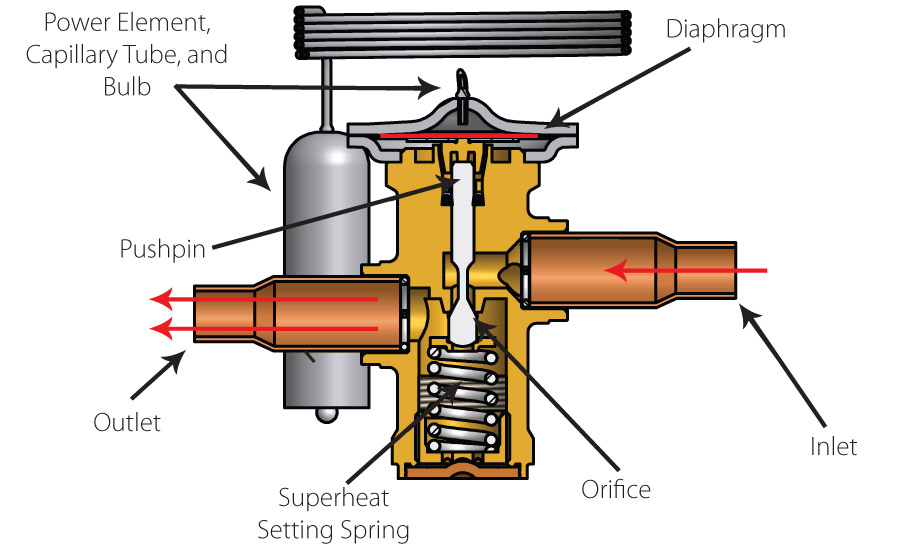
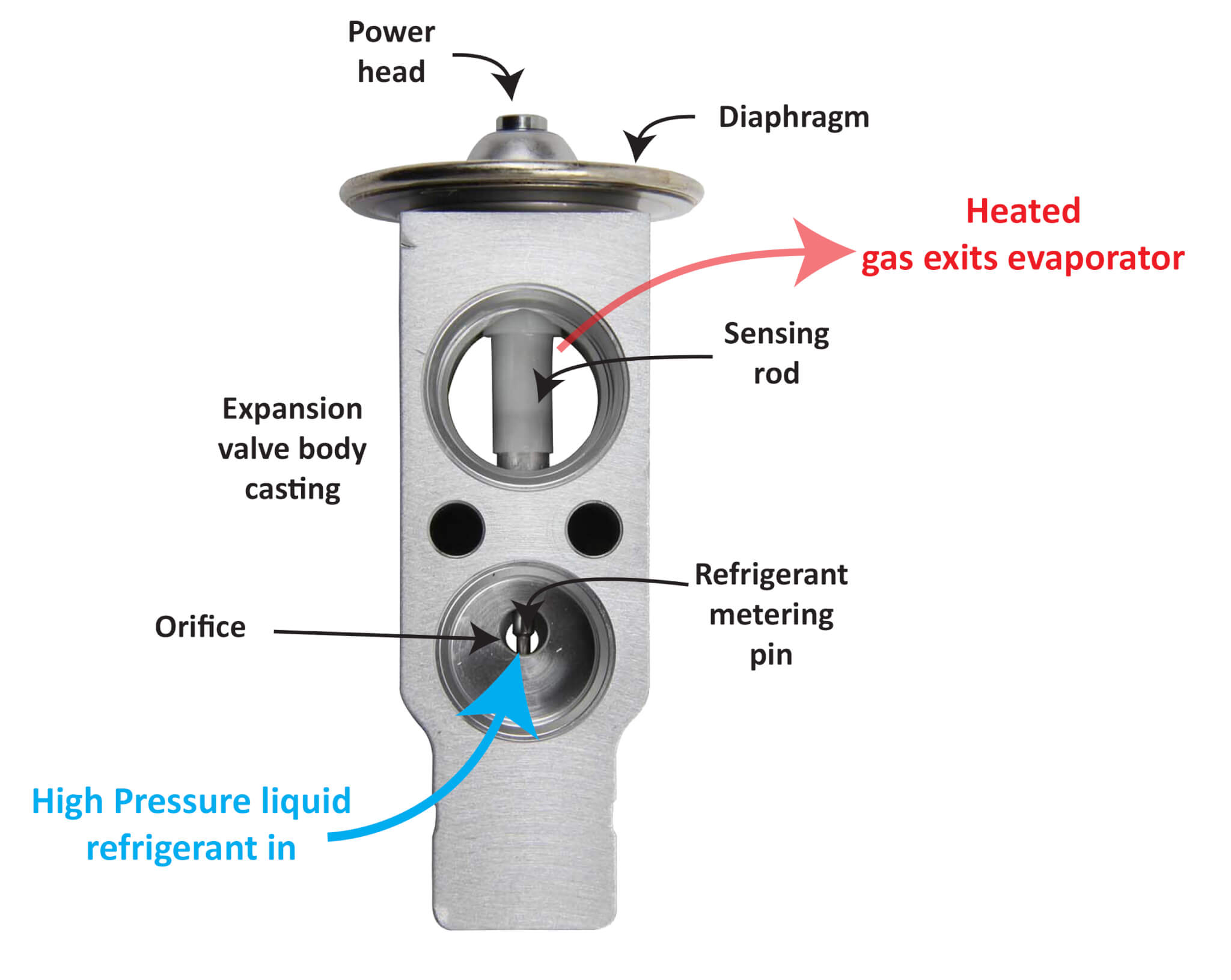
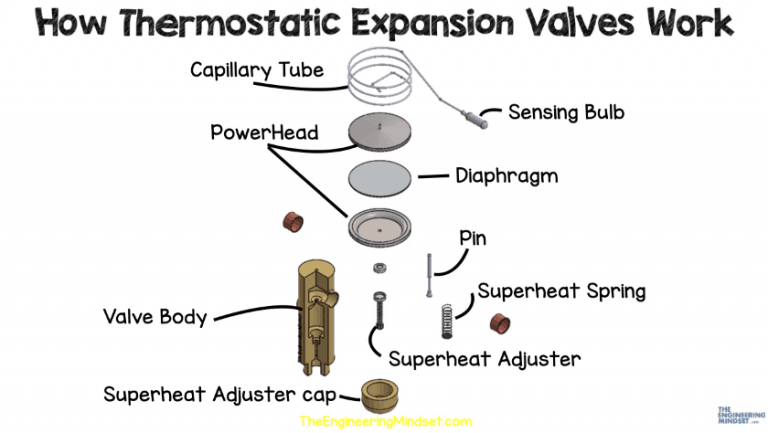
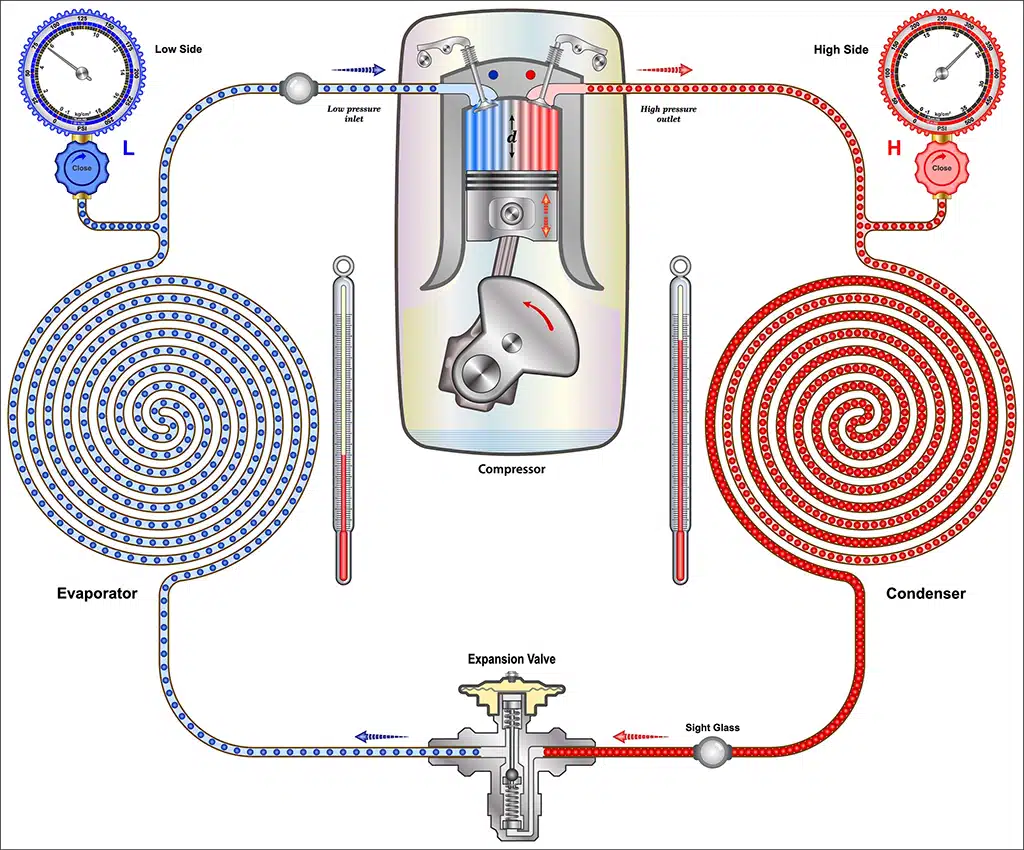
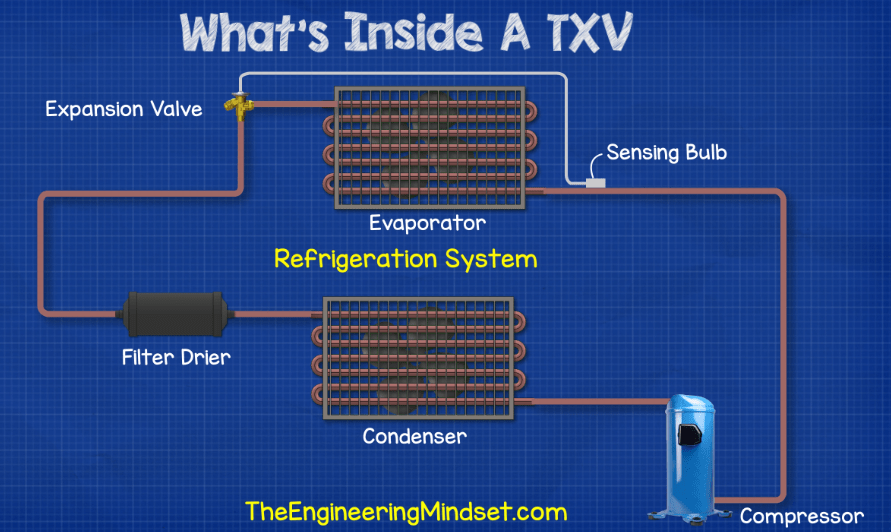
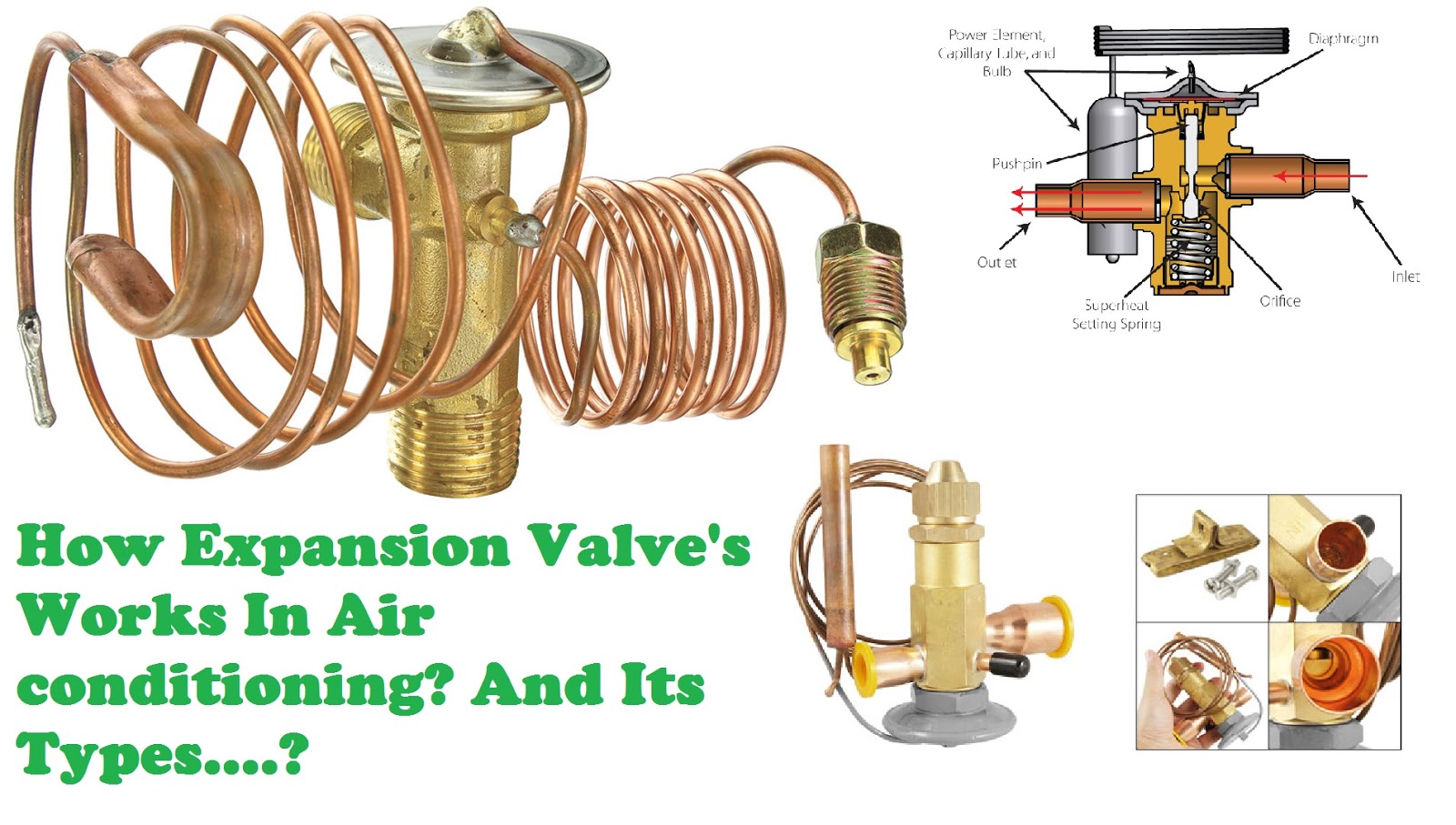
The expansion valve, sometimes called a metering device, is a critical component in your air conditioner and refrigerator. Think of it as the gatekeeper of the refrigerant, the lifeblood of the cooling process. But what exactly does it do?
- Controls Refrigerant Flow: The primary function of the expansion valve is to regulate the amount of liquid refrigerant flowing into the evaporator coil.
- Reduces Pressure: It drastically reduces the pressure of the refrigerant, causing it to rapidly expand and vaporize. This rapid expansion is what makes the refrigerant cold.
- Cools the Evaporator Coil: By controlling the refrigerant flow, it ensures the evaporator coil is cold enough to absorb heat from the air passing over it.
In simple terms, the expansion valve ensures the right amount of refrigerant enters the evaporator at the correct pressure to create the cooling effect we rely on.
Troubleshooting: Is Your Expansion Valve the Problem?
Before diving into any repairs, it's important to identify if the expansion valve is indeed the source of your air conditioning woes. Here's a step-by-step troubleshooting guide:
Step 1: Preliminary Checks - The Easy Stuff First
Start with the basics. These checks are simple and can often identify obvious problems:
- Check the Thermostat: Ensure your thermostat is set correctly to "cool" and the desired temperature is lower than the current room temperature. Sounds obvious, but it's easily overlooked!
- Inspect the Air Filter: A dirty air filter restricts airflow, which can affect the entire system's performance. Replace a clogged filter. This is a simple and inexpensive fix that can improve cooling efficiency.
- Check the Power Supply: Make sure the air conditioner is receiving power. Check the circuit breaker for the unit and reset it if necessary. Verify the unit is plugged in securely.
- Inspect the Outdoor Unit: Ensure the outdoor unit (condenser) is free from obstructions like leaves, branches, or debris. Clear away anything blocking airflow around the unit.
Step 2: Identifying Potential Expansion Valve Issues
If the preliminary checks don't solve the problem, it's time to look for symptoms that might point to a faulty expansion valve. Important: Do not attempt to directly access or manipulate refrigerant lines without proper training and equipment. Refrigerant can cause severe frostbite and is harmful to the environment.
- Uneven Cooling: If some rooms are significantly cooler than others, it could indicate an issue with refrigerant flow regulation.
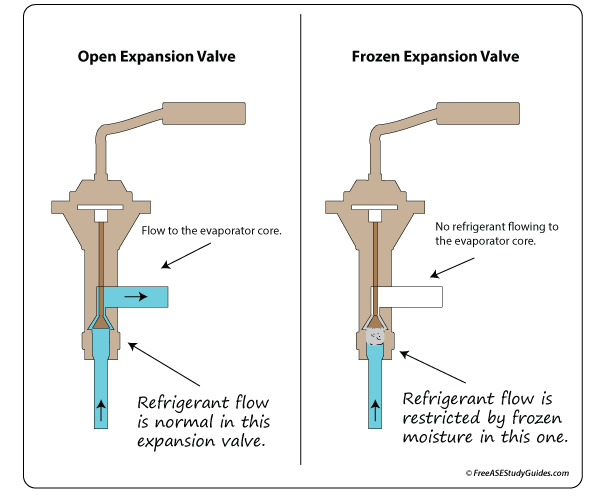
- Ice Formation: Excessive ice buildup on the evaporator coil can be a sign of a restricted expansion valve or refrigerant overcharge. However, it can also be caused by a dirty air filter.
- High Superheat or Subcooling: These measurements, taken by HVAC technicians, indicate the condition of the refrigerant. Abnormal readings often point to expansion valve problems. This requires specialized equipment and knowledge and should only be performed by a professional.
- No Cooling at All: A completely blocked expansion valve will prevent refrigerant from flowing, resulting in no cooling. However, other problems can also cause this, such as a compressor failure.
- Hissing Sound: A constant hissing sound near the evaporator coil could indicate a refrigerant leak, potentially near the expansion valve.
Step 3: DIY Checks (With Extreme Caution)
Warning: The following checks involve potentially hazardous components. If you are not comfortable working with electrical or mechanical systems, stop and call a qualified HVAC technician. Do not attempt these steps if you suspect a refrigerant leak; refrigerant exposure is dangerous.
Check for Visible Damage (Visually Inspect the Accessible Components):
- Location: Try to locate the expansion valve. It's usually near the evaporator coil. You may need to remove access panels (after turning off the power!) to see it. Look for signs of damage such as:
- Physical Damage: Visually inspect the valve and surrounding lines for any obvious damage, such as dents, cracks, or corrosion.
- Oil Residue: Look for oily residue around the valve or refrigerant lines, which could indicate a refrigerant leak.
- Ice Formation: Check for excessive ice formation around the valve or lines, which could indicate moisture in the system or a malfunctioning valve.
If you see any of these signs, do not proceed further and call a professional.
Step 4: Simple Component Checks (Proceed with Extreme Caution and Only if Comfortable)
Note: These checks are for informational purposes only and may not be applicable to all types of expansion valves. Improperly performing these checks can damage your system and void warranties. Consult a professional HVAC technician before attempting any of these procedures.
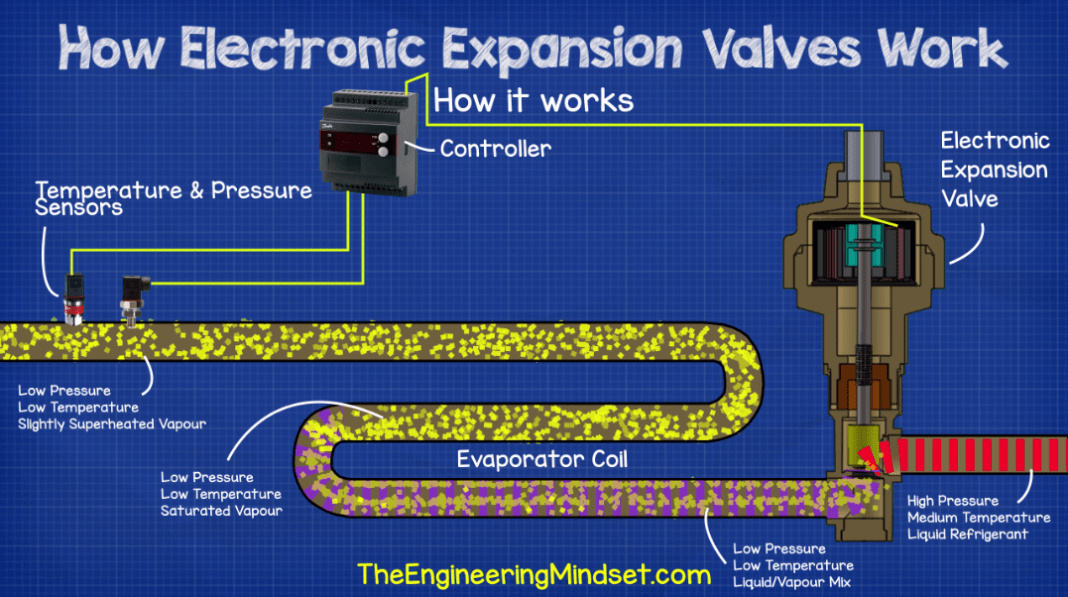
- Checking Electrical Connections (If Applicable): Some expansion valves are electronically controlled. If yours is, carefully inspect the wiring connections for any looseness or corrosion. Ensure the power is OFF before inspecting any electrical components. If you find loose connections, gently tighten them. If you see corrosion, clean it with a wire brush (after disconnecting the power!)
When to Call a Professional
While some basic troubleshooting steps can be performed by homeowners, repairing or replacing an expansion valve is almost always a job for a qualified HVAC technician. Here's why:
- Refrigerant Handling: Working with refrigerant requires specialized equipment and certifications. Improper handling can lead to environmental damage and serious health risks.
- System Pressurization: Air conditioning systems operate under high pressure. Opening the system without proper knowledge and equipment can be dangerous.
- Complex Diagnostics: Accurately diagnosing expansion valve problems often requires specialized tools and expertise.
- Proper Replacement: Replacing an expansion valve requires precise procedures and specialized knowledge to ensure proper system operation.
- Potential for Further Damage: Attempting to repair or replace the valve yourself without proper training can cause further damage to the system, leading to more expensive repairs.
Specifically, call a professional if:
- You suspect a refrigerant leak.
- You lack the necessary tools or expertise.
- You are uncomfortable working with electrical components.
- You have any doubts about your ability to safely perform the repair.
- The system is still under warranty.
Preventative Maintenance: Keeping Your System Healthy
The best way to avoid expansion valve problems (and other AC issues) is to perform regular preventative maintenance. Here are some tips:
- Regularly Replace Air Filters: A clean air filter ensures proper airflow and prevents dust and debris from clogging the system.
- Schedule Annual Professional Maintenance: A qualified HVAC technician can inspect and clean your system, identify potential problems early, and ensure optimal performance.
- Keep Outdoor Unit Clean: Clear away any debris around the outdoor unit to ensure proper airflow.
- Consider a Surge Protector: A power surge can damage the electrical components of your air conditioner, including the expansion valve (if electronically controlled).
Conclusion: Stay Cool and Stay Safe
The expansion valve plays a vital role in your air conditioning system's ability to keep you cool. While some basic troubleshooting can be done by homeowners, it's crucial to recognize when a problem requires professional attention. Prioritize your safety and the health of your system by calling a qualified HVAC technician for any complex repairs. By understanding the function of the expansion valve and performing regular maintenance, you can help ensure your air conditioner runs efficiently and reliably for years to come.
Remember, staying cool isn't just about temperature; it's also about being informed and making smart decisions about your home's comfort systems. If in doubt, always consult a professional.