What Does A Furnace Capacitor Do
Your furnace is the heart of your home's heating system, keeping you warm and comfortable during the cold months. But like any complex piece of machinery, it relies on various components working together seamlessly. One of these crucial components, often overlooked, is the furnace capacitor. Understanding its role and how to troubleshoot potential issues can save you time, money, and a lot of frustration. In this guide, we'll explore what a furnace capacitor does, how to identify problems, and when it's time to call in a professional.
What is a Furnace Capacitor and What Does it Do?
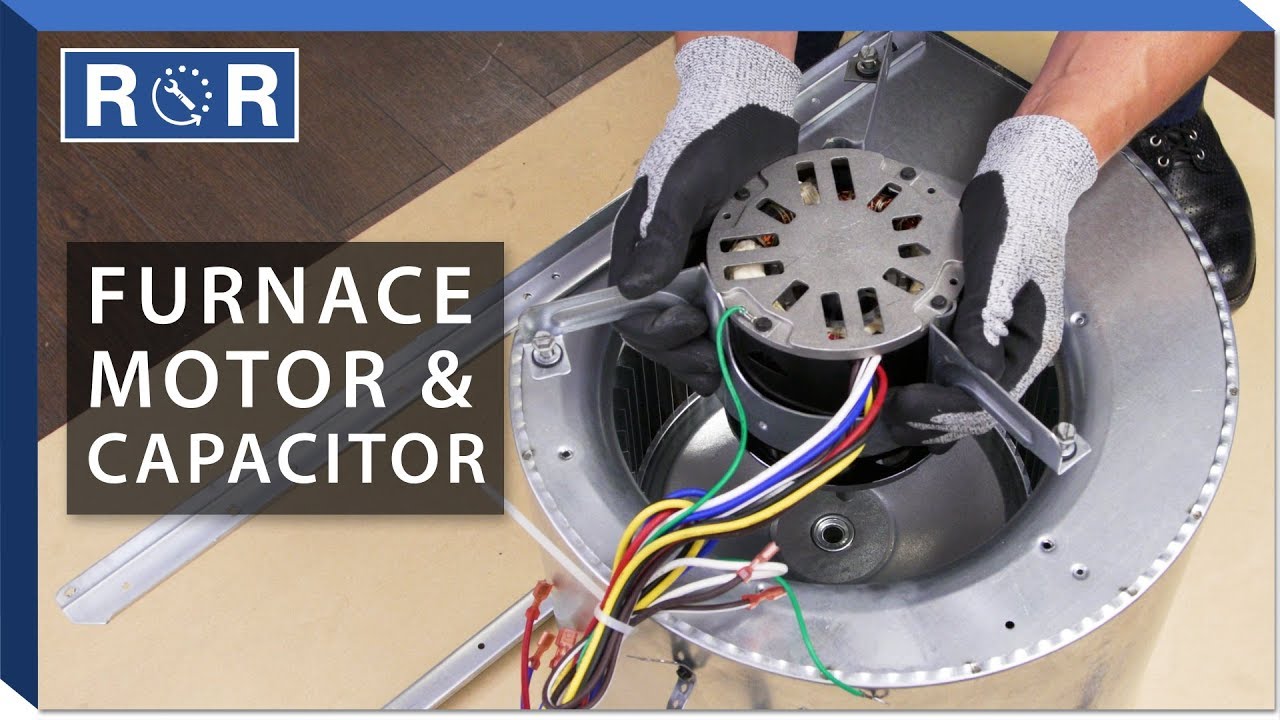
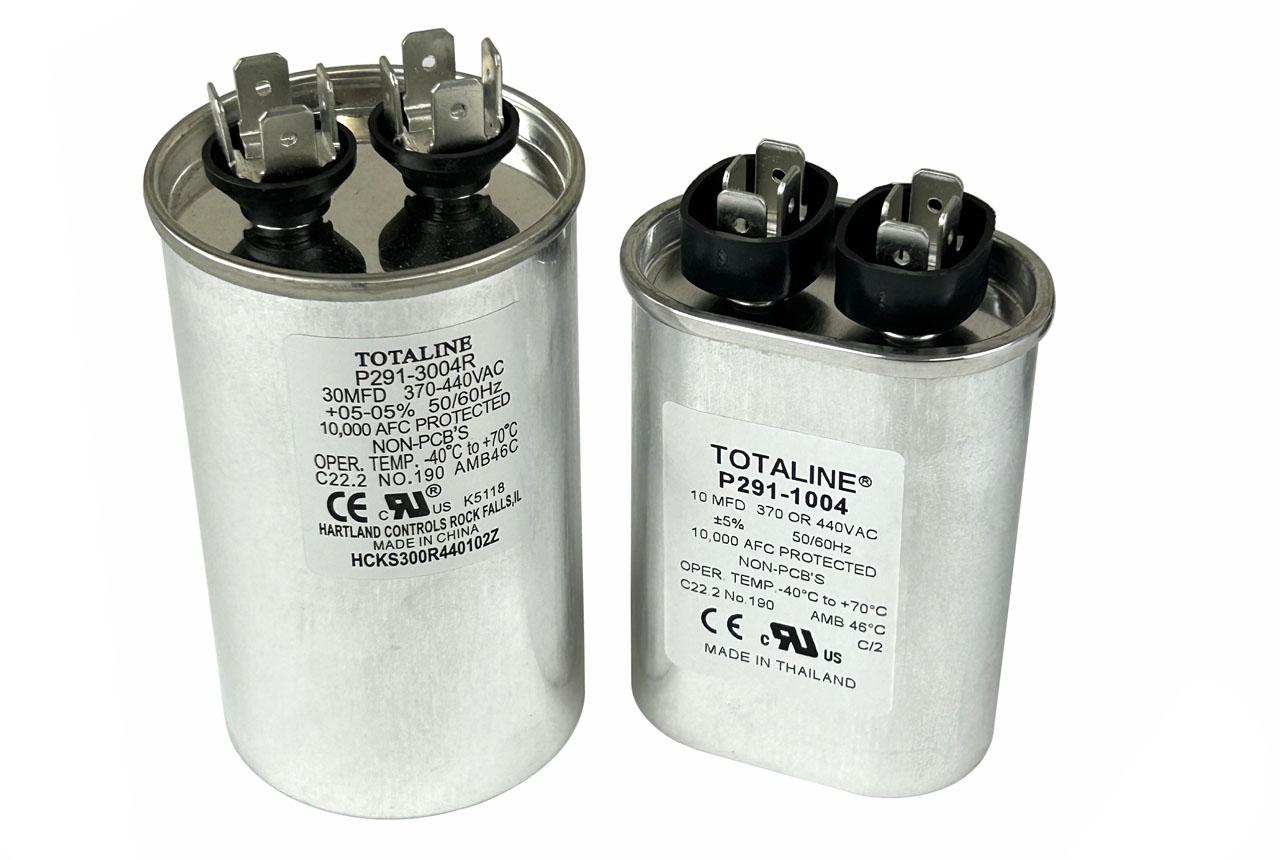
Simply put, a furnace capacitor is an electrical component that stores and releases electrical energy. Think of it as a small, rechargeable battery that gives your furnace's motors the extra boost they need to start up. Specifically, it's crucial for starting the blower motor (which circulates air throughout your home) and the draft inducer motor (which vents combustion gases safely out of your home).
Here's a more detailed breakdown:
- Starting Torque: Motors require a significant amount of energy to overcome inertia and begin rotating. The capacitor provides this initial burst of energy, often referred to as starting torque. Without a functioning capacitor, the motor may hum, struggle, or fail to start altogether.
- Running Efficiency: Some capacitors (dual run capacitors, which we'll discuss later) also help the motors run more efficiently once they're started. They improve the power factor, leading to smoother operation and reduced energy consumption.
- Protecting the Motor: By providing the necessary starting boost, the capacitor helps prevent the motor from overheating and potentially failing prematurely.
Types of Furnace Capacitors
There are two main types of capacitors commonly found in furnaces:
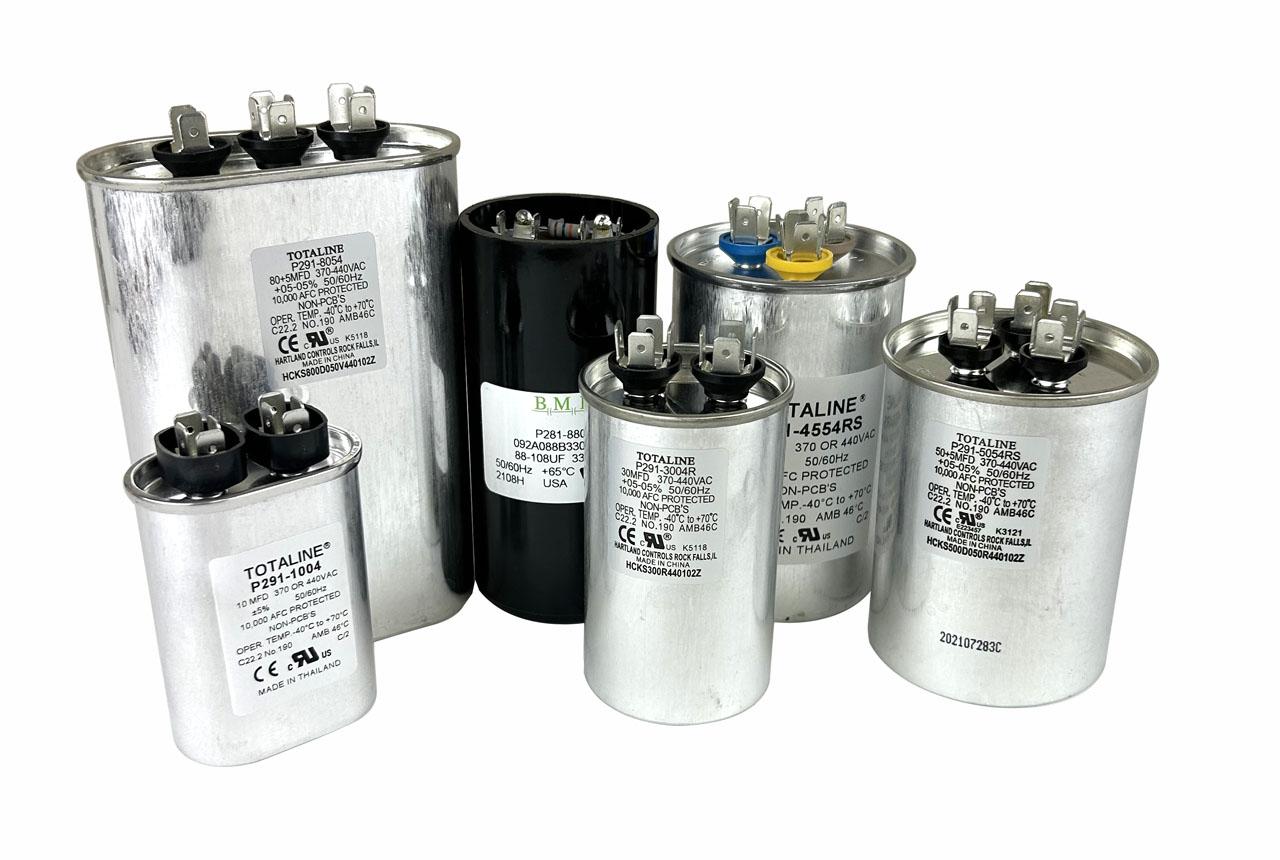
- Start Capacitors: These capacitors provide a high burst of energy for a short period to start the motor. They are typically disconnected from the circuit once the motor is running.
- Run Capacitors: These capacitors provide continuous energy to the motor while it's running, improving its efficiency and performance. They are often smaller in size than start capacitors.
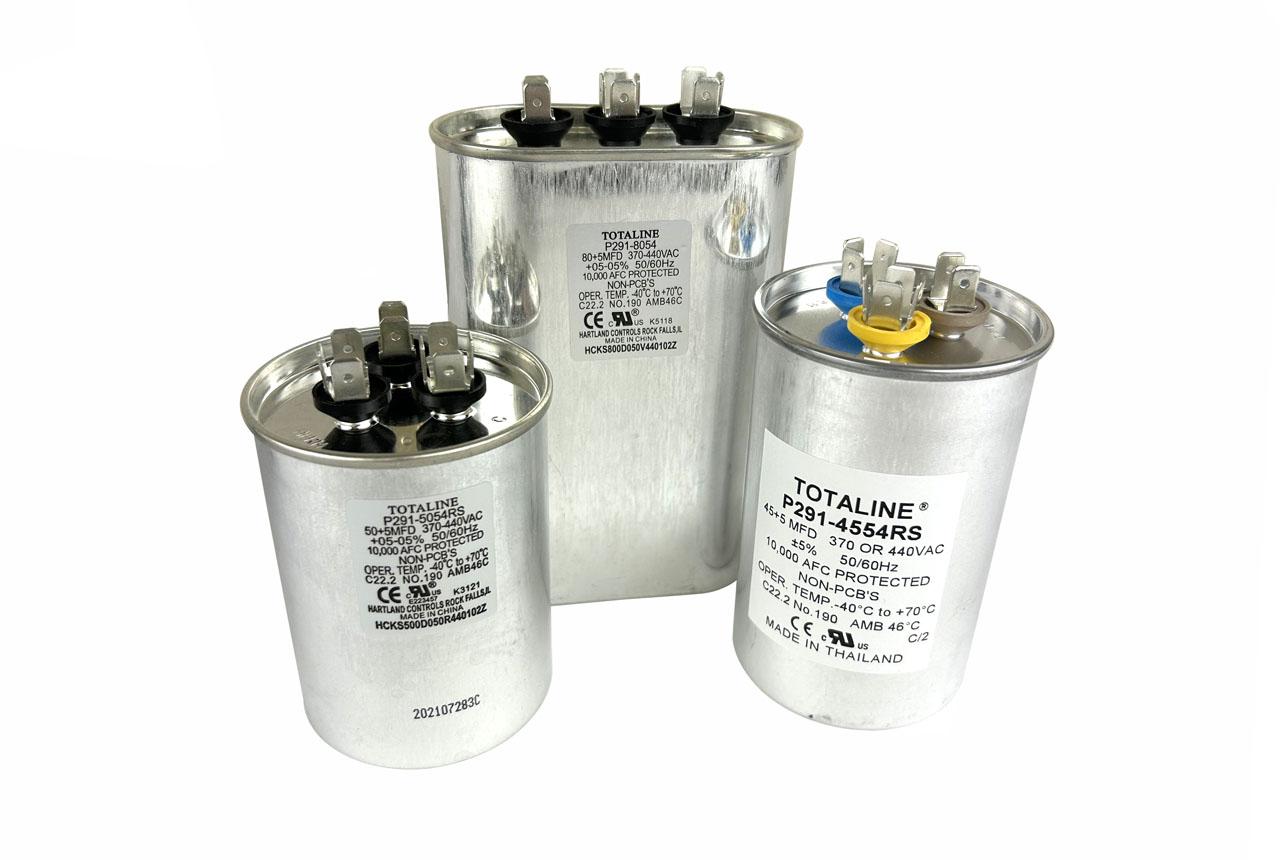
Many modern furnaces use a dual run capacitor. This type of capacitor combines the functions of both a start and run capacitor into a single unit. It has three terminals, commonly labeled "C" (common), "FAN" (for the blower motor), and "HERM" (for the compressor, though in a furnace context it will often be used by the draft inducer motor or sometimes the blower motor, depending on the system design). Dual run capacitors are more compact and simplify the wiring within the furnace.
Symptoms of a Failing Furnace Capacitor
A failing capacitor can manifest in several ways. Recognizing these symptoms early can prevent further damage to your furnace.
- Humming Noise: One of the most common signs is a humming noise coming from the furnace, especially when it's trying to start. This indicates the motor is receiving power but lacks the starting torque to begin rotating.
- Failure to Start: The blower motor or draft inducer motor may fail to start at all. You might hear a click, but nothing happens.
- Slow Start-Up: The motor may start slowly or intermittently. It might take longer than usual to reach full speed.
- Overheating: The motor may overheat due to the strain of trying to start without sufficient power. This can lead to a burning smell.
- Short Cycling: The furnace may turn on and off frequently (short cycling) as the motor struggles to maintain operation.
- Visible Damage: Inspect the capacitor itself. Look for bulges, cracks, leaks, or rust. These are clear signs of failure.
Troubleshooting a Furnace Capacitor
Before attempting any troubleshooting, remember: Safety First! Turn off the power to the furnace at the breaker box. Capacitors store electricity and can deliver a dangerous shock even after the power is disconnected. Use a screwdriver with an insulated handle to carefully discharge the capacitor by shorting the terminals (more details on this below).
Tools You'll Need:
- Insulated screwdriver
- Multimeter with capacitance testing capability
- Safety glasses
- Work gloves
- Camera or smartphone (to take pictures of wiring before disconnecting anything)
Steps to Test a Furnace Capacitor:
- Safety First: Turn off the power to the furnace at the breaker. Double-check with a non-contact voltage tester to ensure the power is off.
- Discharge the Capacitor: Using an insulated screwdriver, carefully short the terminals of the capacitor. Touch the screwdriver blade to both terminals simultaneously. This will discharge any remaining electricity stored in the capacitor. Exercise extreme caution during this step.
- Visual Inspection: Examine the capacitor for any signs of physical damage, such as bulging, leaking, or corrosion. If you see any damage, the capacitor needs to be replaced.
- Testing with a Multimeter:
- Set your multimeter to capacitance mode (usually marked with a "µF" or "mF").
- Disconnect the wires from the capacitor terminals. Take a picture first! Make sure you know exactly which wire goes where.
- Connect the multimeter probes to the capacitor terminals. For a dual run capacitor, test between "C" and "FAN" and between "C" and "HERM" terminals separately.
- Compare the readings on the multimeter to the capacitance values printed on the capacitor label. The actual reading should be within +/- 6% of the rated value. If the reading is significantly lower or zero, the capacitor is likely faulty.
Replacing a Furnace Capacitor
If your capacitor is faulty, replacing it is usually a straightforward process for a DIYer with some electrical experience. However, if you're uncomfortable working with electricity, it's best to call a qualified HVAC technician.
Steps to Replace a Furnace Capacitor:
- Purchase a Replacement: Buy a new capacitor with the exact same capacitance (µF) and voltage rating (VAC) as the original. Using a capacitor with different specifications can damage your furnace.
- Safety First: Turn off the power to the furnace at the breaker. Double-check with a non-contact voltage tester.
- Discharge the Old Capacitor: As before, use an insulated screwdriver to carefully short the terminals of the old capacitor.
- Disconnect the Wires: Disconnect the wires from the old capacitor, one at a time. Refer to the picture you took earlier to ensure you reconnect the wires to the correct terminals on the new capacitor.
- Remove the Old Capacitor: Loosen any clamps or brackets holding the old capacitor in place and remove it.
- Install the New Capacitor: Place the new capacitor in the same location as the old one and secure it with the clamps or brackets.
- Reconnect the Wires: Reconnect the wires to the corresponding terminals on the new capacitor, using your picture as a guide. Double-check that all connections are secure.
- Restore Power: Turn the power back on at the breaker.
- Test the Furnace: Turn on the furnace and observe its operation. The blower motor and draft inducer motor should start smoothly and run normally.
Cost of Replacing a Furnace Capacitor
The cost of replacing a furnace capacitor can vary depending on several factors, including:
- Type of Capacitor: Dual run capacitors tend to be more expensive than single run or start capacitors.
- Brand and Quality: Higher-quality capacitors may cost more but offer better reliability and longevity.
- Labor Costs (if hiring a professional): HVAC technician labor rates vary by location and experience.
Here's a rough estimate of the costs involved:
- DIY Replacement: The cost of the capacitor itself typically ranges from $20 to $100.
- Professional Replacement: The total cost, including labor, can range from $100 to $300 or more. This includes a service call fee, diagnosis, and the cost of the capacitor.
When to Call a Professional
While replacing a furnace capacitor can be a DIY project, there are situations where it's best to call a qualified HVAC technician:
- You're Uncomfortable Working with Electricity: Electricity can be dangerous, and it's not worth risking your safety.
- You're Not Sure How to Diagnose the Problem: If you're unsure whether the capacitor is the actual cause of the furnace issue, a technician can accurately diagnose the problem.
- Your Furnace is Under Warranty: Replacing components yourself may void the warranty.
- You Encounter Complex Wiring: Some furnaces have complex wiring systems, and it's easy to make mistakes that can damage the furnace.
- You Suspect Other Issues: If you suspect there may be other problems with your furnace, such as a faulty motor or control board, it's best to have a professional inspect the entire system.
Preventative Maintenance
Regular preventative maintenance can help extend the life of your furnace and prevent capacitor failures.
- Annual Furnace Tune-Up: Schedule an annual furnace tune-up with a qualified HVAC technician. They will inspect all components, including the capacitor, and identify any potential problems before they become major issues.
- Clean the Furnace: Keep the furnace clean and free of dust and debris. This will help prevent overheating and improve efficiency.
- Replace Air Filters Regularly: Clogged air filters restrict airflow, which can put extra strain on the blower motor and capacitor. Change your air filters regularly, typically every 1-3 months.
By understanding the role of the furnace capacitor, recognizing the symptoms of a failing capacitor, and taking preventative measures, you can keep your furnace running smoothly and efficiently for years to come. Remember to prioritize safety and don't hesitate to call a professional when needed.