What Does A Heat Pump Cost

Frequently Asked Questions: Heat Pump Costs
Considering a heat pump for your home or business? It's a smart move towards energy efficiency and cost savings. However, understanding the initial investment is crucial. This FAQ addresses common questions about heat pump costs to help you make an informed decision.
Q1: What's the average upfront cost of installing a heat pump?
The upfront cost of a heat pump can vary significantly based on several factors, but here's a general idea:
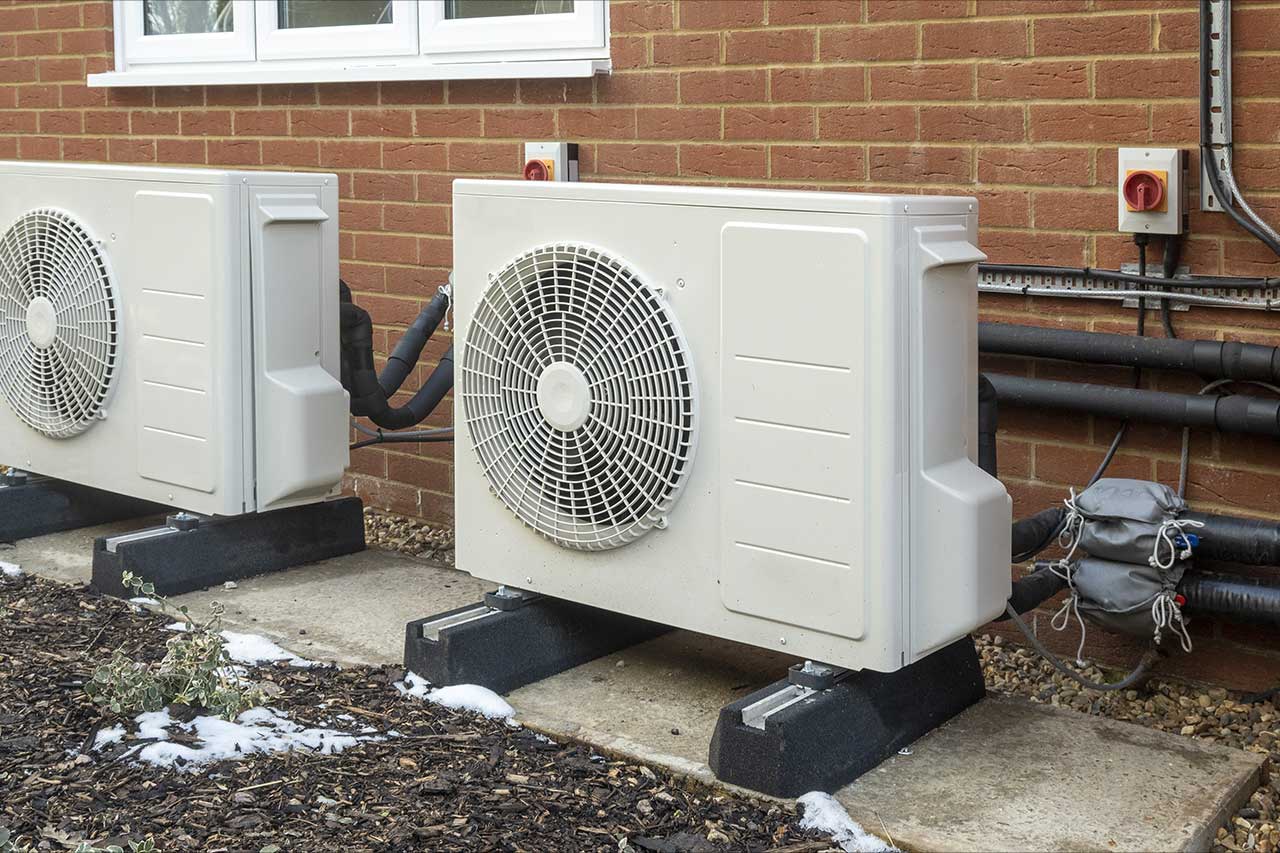
- Air-source heat pumps (ASHPs): Typically range from $4,000 to $8,000 installed. This includes the cost of the unit itself and the labor for installation. Factors such as the size of your home, the complexity of the ductwork, and the brand of the unit can all influence the final price.
- Geothermal heat pumps (GHPs): These are more expensive upfront, ranging from $15,000 to $30,000 installed. The higher cost is due to the excavation and installation of the underground loop system, which is either horizontal or vertical.
- Ductless mini-split heat pumps: Single-zone systems (heating/cooling one area) typically cost between $3,000 and $5,000 installed. Multi-zone systems, which can heat and cool several rooms, will naturally be more expensive, ranging from $7,000 to $15,000 or more depending on the number of indoor units.
Remember, these are just average ranges. Obtaining quotes from multiple qualified HVAC contractors in your area is essential to get an accurate estimate for your specific situation.
Q2: What factors affect the price of a heat pump installation?
Several key factors influence the overall cost of a heat pump installation. Understanding these can help you anticipate potential expenses and discuss them with your installer:
- Type of Heat Pump: As mentioned earlier, geothermal systems are generally the most expensive due to the extensive ground work involved. Air-source heat pumps are typically the most affordable option. Ductless mini-splits fall somewhere in between, depending on the number of zones needed.
- Size and Capacity: The size of your home or building determines the required heating and cooling capacity of the heat pump. Larger units with higher capacity will cost more than smaller ones. Accurate sizing is crucial for efficient operation. An undersized unit will struggle to heat or cool effectively, while an oversized unit can cycle on and off frequently, leading to increased wear and tear and reduced efficiency.
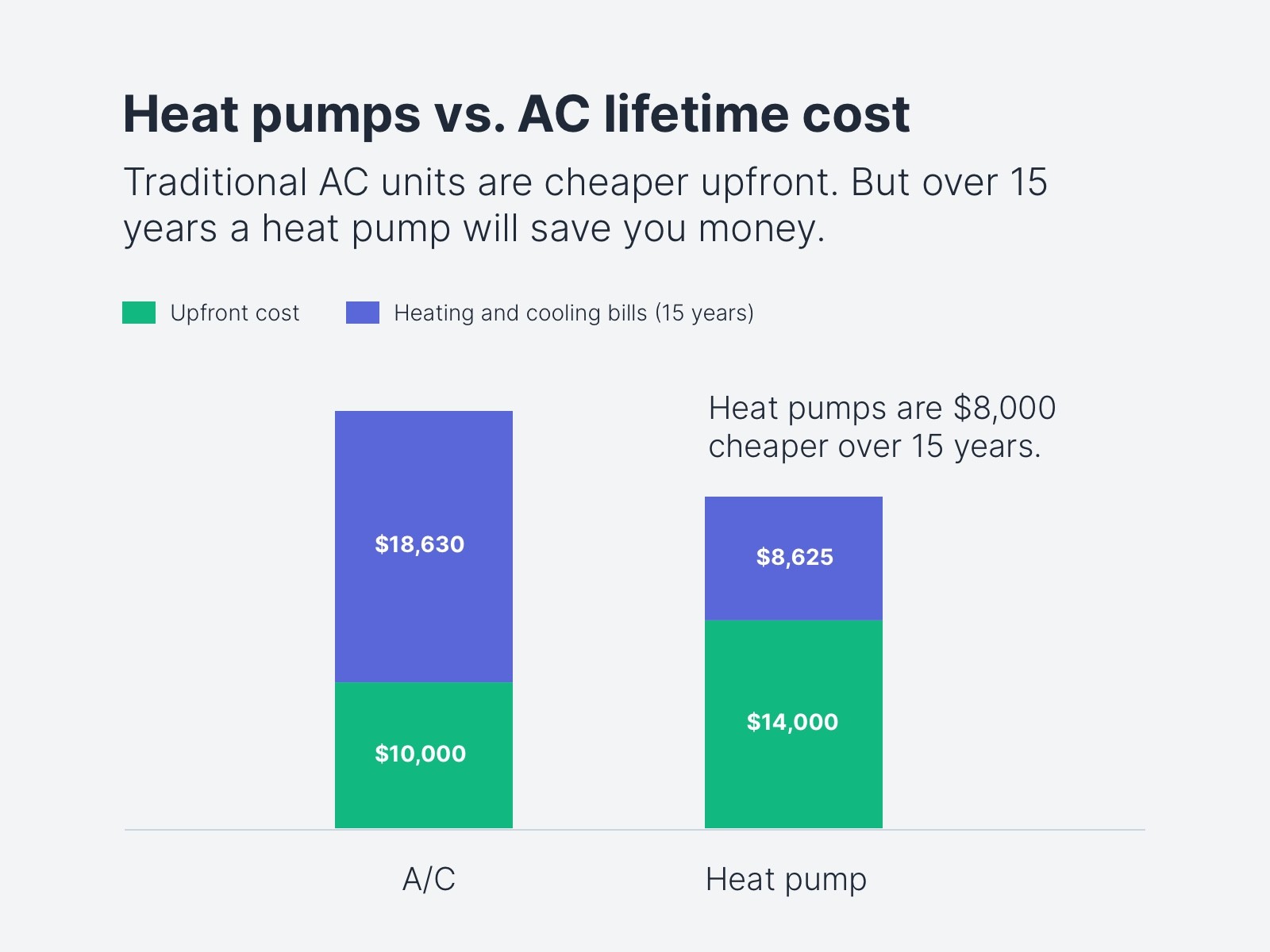
- Brand and Model: Different brands and models of heat pumps offer varying features, efficiency ratings (SEER and HSPF), and warranties. Higher-efficiency models often come with a higher price tag but can save you more money on energy bills in the long run. Well-established brands may also command a premium.
- Installation Complexity: The complexity of the installation process can significantly impact the labor costs. Factors like the condition of your existing ductwork (if applicable), the accessibility of the installation location, and the need for any modifications to your electrical system can all add to the total price. Older homes often present more installation challenges than newer ones.
- Ductwork (if applicable): If you're installing a ducted heat pump system, the condition and size of your existing ductwork will be important. If your ductwork is old, damaged, or improperly sized, it may need to be repaired or replaced, which will add to the overall cost.
- Geographic Location: Labor costs and material prices can vary depending on your location. Areas with higher cost of living tend to have higher installation costs. Additionally, certain regions may require permits or inspections that can add to the overall expense.
- Permits and Inspections: Local building codes may require permits and inspections for heat pump installations. The cost of these permits and inspections will vary depending on your municipality.
Q3: Are there any rebates, tax credits, or incentives that can help offset the cost?
Yes! There are often significant financial incentives available to help make heat pumps more affordable. These incentives can significantly reduce your upfront costs and make the investment even more attractive.
- Federal Tax Credits: The federal government offers tax credits for qualified energy-efficient home improvements, including heat pump installations. Consult the IRS website or a tax professional for the most up-to-date information on eligibility requirements and credit amounts. The Inflation Reduction Act of 2022 significantly increased and extended these credits.
- State and Local Rebates: Many states and local utility companies offer rebates for installing energy-efficient heat pumps. These rebates can vary widely in amount and eligibility requirements. Check with your local utility company or your state's energy office to see what's available in your area. Some rebates are offered upfront, while others are applied to your bill over time.
- Manufacturer Rebates: Heat pump manufacturers sometimes offer rebates on specific models. Check with your HVAC contractor or the manufacturer's website for information on available rebates.
- Energy Efficiency Programs: Some communities offer energy efficiency programs that provide financial assistance or low-interest loans for energy-saving upgrades, including heat pump installations.
Don't forget to research and take advantage of all available incentives to minimize your out-of-pocket expenses. Your HVAC contractor can often assist you in identifying and applying for these incentives.
Q4: How much can I save on my energy bills with a heat pump?
The potential savings on your energy bills with a heat pump can be substantial, but it depends on several factors:
- Your Current Heating and Cooling System: If you're replacing an older, less efficient furnace or air conditioner, the savings will be more significant. Heat pumps are generally more energy-efficient than traditional HVAC systems, especially in moderate climates.
- Climate: Heat pumps are most efficient in climates with mild winters and hot summers. In extremely cold climates, the efficiency of air-source heat pumps can decrease, and supplemental heating may be required. Geothermal heat pumps are less affected by extreme temperatures.
- Heat Pump Efficiency (SEER and HSPF): Heat pumps are rated based on their Seasonal Energy Efficiency Ratio (SEER) for cooling and Heating Season Performance Factor (HSPF) for heating. Higher SEER and HSPF ratings indicate greater efficiency. The higher the ratings, the greater the potential savings.
- Energy Usage Habits: Your thermostat settings and overall energy consumption habits will also affect your savings. Using a programmable thermostat and practicing energy-conscious habits can maximize your savings.
- Energy Prices: Fluctuations in electricity and fuel prices will impact your actual savings.
As a general guideline, homeowners switching from electric resistance heating (e.g., baseboard heaters) to a heat pump can often see significant savings, potentially reducing their heating costs by 30-60%. Those switching from older, less efficient furnaces can also expect to see noticeable savings. A detailed energy audit can help you estimate your potential savings more accurately.
Q5: What are the long-term costs associated with owning a heat pump?
Beyond the initial installation cost, it's important to consider the ongoing expenses of owning a heat pump:
- Maintenance: Regular maintenance is essential to keep your heat pump running efficiently and to prevent costly repairs. This typically includes tasks like cleaning or replacing air filters, inspecting coils, and checking refrigerant levels. Annual or bi-annual maintenance by a qualified HVAC technician is recommended.
- Repairs: Like any mechanical system, heat pumps can experience breakdowns and require repairs. The cost of repairs will depend on the specific problem and the parts needed. Regular maintenance can help prevent many common issues.
- Energy Costs: While heat pumps are generally energy-efficient, you'll still need to pay for the electricity they consume. The amount of electricity used will depend on your climate, usage habits, and the efficiency of your unit.
- Lifespan: The typical lifespan of a heat pump is 15-20 years. Eventually, you'll need to replace the unit, which will involve another significant expense. Proper maintenance can help extend the lifespan of your heat pump.
Consider purchasing a service agreement with your HVAC contractor. These agreements typically cover routine maintenance and may offer discounts on repairs. Also, be sure to factor in the potential for increased energy bills during peak heating and cooling seasons.
Q6: Should I choose an air-source or geothermal heat pump?
The best type of heat pump for you depends on your specific circumstances and priorities. Here's a brief comparison:
- Air-Source Heat Pumps (ASHPs): Pros: Lower upfront cost, easier installation. Cons: Less efficient in extreme temperatures, performance can be affected by outdoor conditions. Best suited for moderate climates.
- Geothermal Heat Pumps (GHPs): Pros: Highly efficient in all climates, consistent performance, longer lifespan. Cons: Higher upfront cost, more complex installation requiring significant excavation. Excellent for reliability and energy savings.
Consider your climate, budget, and long-term goals when making your decision. If you live in an area with very cold winters, a geothermal heat pump might be a better choice despite the higher initial cost. An ASHP may be more suitable for milder climates where heating demands are less intense. Consulting with an HVAC professional is highly recommended to determine the best option for your home.
Q7: How can I get the best price on a heat pump installation?
Getting the best price on a heat pump installation involves careful planning and research:
- Get Multiple Quotes: Obtain quotes from at least three different HVAC contractors in your area. This will allow you to compare prices and services. Make sure each contractor provides a detailed breakdown of the costs, including the cost of the unit, labor, and any additional fees.
- Compare Apples to Apples: When comparing quotes, ensure that you're comparing similar heat pump models and installation services. Pay attention to the SEER and HSPF ratings, warranty terms, and the contractor's experience and reputation.
- Negotiate: Don't be afraid to negotiate with contractors to see if they can offer a better price. You might be able to negotiate on the cost of labor or the price of the unit.
- Time Your Purchase: Demand for HVAC services is often higher during peak heating and cooling seasons. Consider scheduling your installation during the off-season (spring or fall) when contractors may be more willing to offer discounts.
- Look for Package Deals: Some contractors offer package deals that include the heat pump, installation, and maintenance services. These packages can often save you money compared to purchasing each service separately.
- Check Online Reviews: Before hiring a contractor, check online reviews to see what other customers have to say about their experience. Look for contractors with a good reputation and positive feedback.
Remember, the cheapest quote isn't always the best option. Consider the contractor's experience, reputation, and the quality of their work. Investing in a high-quality installation can save you money in the long run by ensuring that your heat pump operates efficiently and reliably.