What Does A Limit Switch Look Like On A Furnace
Imagine this: it's a chilly evening, you turn up the thermostat, but instead of the comforting whoosh of warm air, you're met with…nothing. Or maybe just a brief burst of air that quickly turns cold. A common culprit behind a failing furnace, especially one that cycles on and off rapidly, is often a faulty limit switch. Let’s explore what that means and how you can (safely) investigate.
Understanding the Limit Switch
The limit switch is a critical safety device within your furnace. Its primary job is to prevent the furnace from overheating. It does this by monitoring the temperature inside the furnace’s heat exchanger. If the temperature gets too high, the limit switch shuts down the burner to prevent damage and, more importantly, to prevent a fire. Think of it as a vital fail-safe.
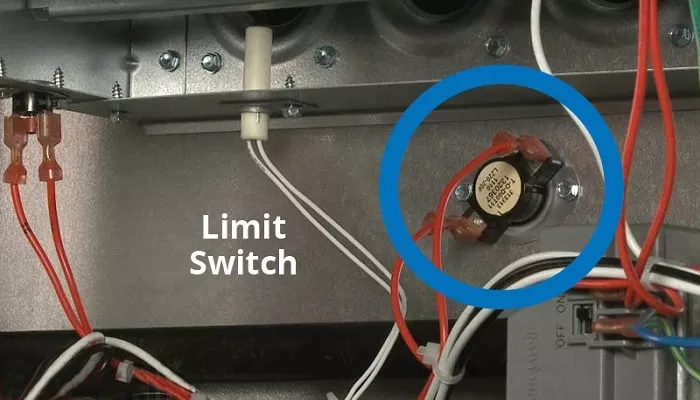
What Does a Limit Switch Look Like?
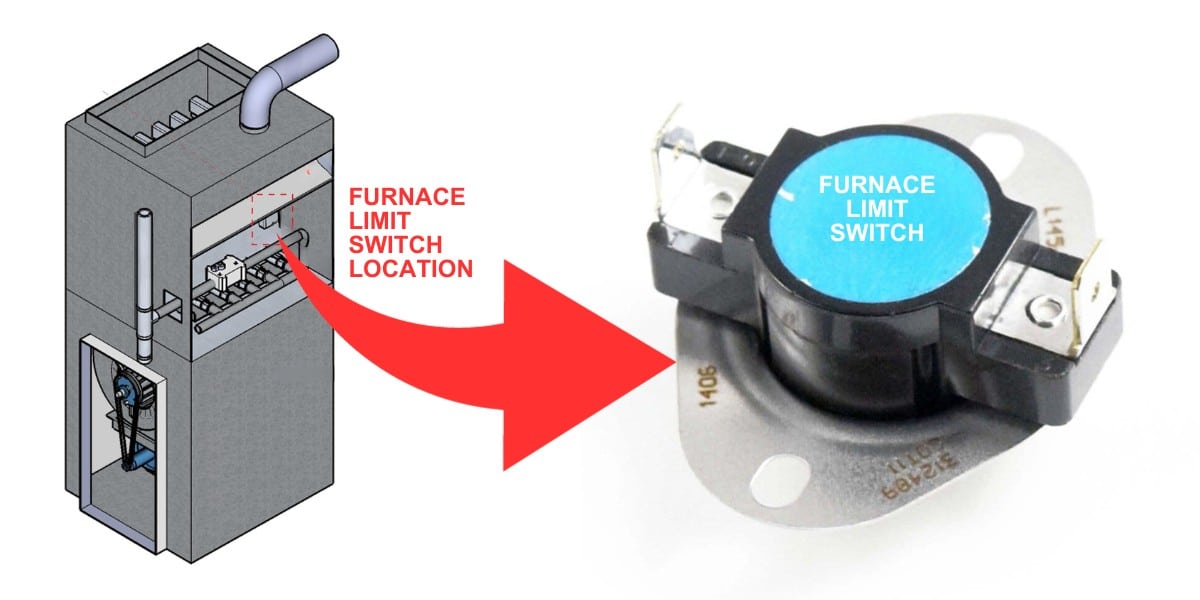
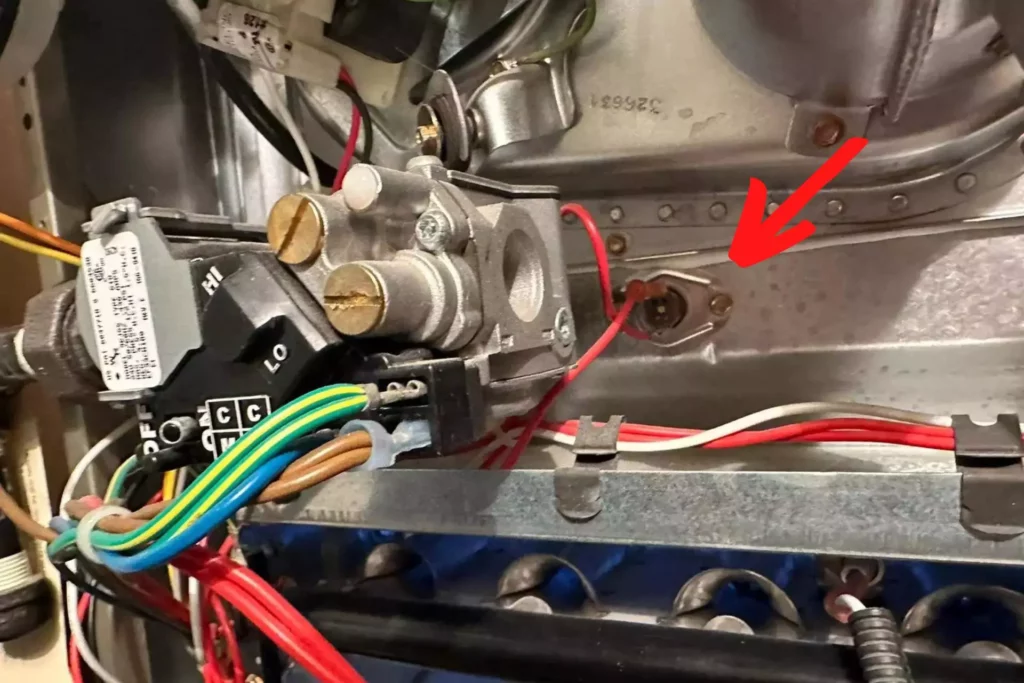
Limit switches aren’t always in the most obvious location, and their appearance can vary slightly depending on the furnace model. However, they share some common characteristics:
- Location: Typically found near the blower compartment or attached to the furnace's heat exchanger housing. Look for it mounted on the upper part of the furnace, often near the top where heat builds up.
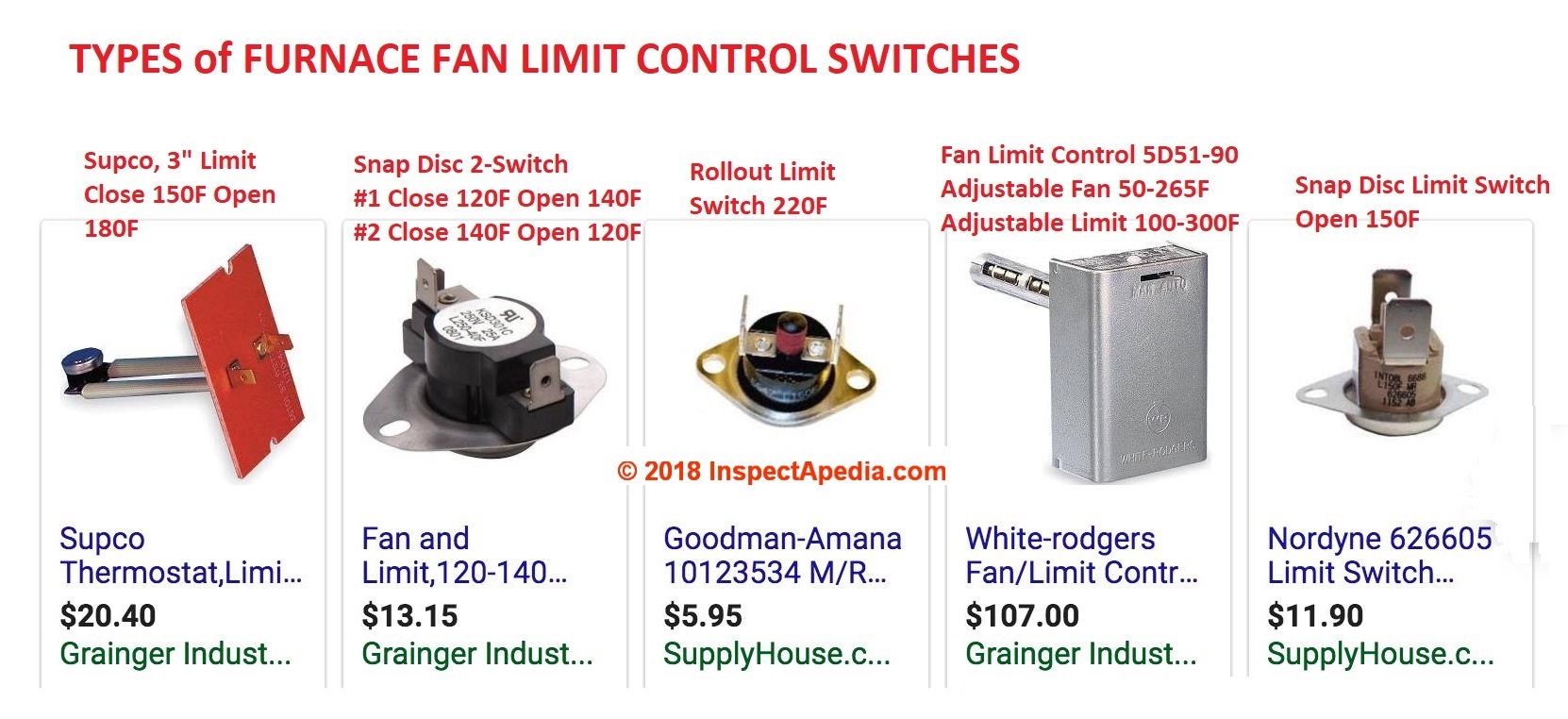
- Appearance: Generally, a small, rectangular or circular device. It’s usually metal, sometimes with a ceramic or plastic body.
- Wiring: Limit switches will have wires connected to them, usually two wires, indicating an electrical connection. These wires are essential for sensing temperature and shutting down the system.
- Markings: You might see a temperature rating (e.g., "200°F," "250°F") printed on the switch. This indicates the temperature at which the switch is designed to trip.
- Types: There are manual reset and automatic reset limit switches. Manual reset switches have a small button that needs to be physically pressed to reset the furnace after a trip. Automatic reset switches will reset themselves once the temperature cools down.
Common Causes of a Limit Switch Tripping
Before diving into troubleshooting, understanding why a limit switch trips is crucial. Several factors can cause overheating within the furnace:
- Restricted Airflow: The most common cause. A dirty air filter, blocked vents, or closed registers can reduce airflow, causing heat to build up in the furnace.
- Dirty Blower Wheel: A buildup of dust and debris on the blower wheel reduces its efficiency, hindering airflow.
- Faulty Blower Motor: If the blower motor isn't running at the correct speed or is failing, it won't move enough air to cool the heat exchanger.
- Overfiring: A gas valve that's allowing too much gas into the burner can cause excessive heat. This is a serious issue best left to a qualified technician.
- Damaged or Failing Limit Switch: Sometimes, the limit switch itself is faulty and trips prematurely or doesn't reset properly.
Troubleshooting Steps: A Practical Guide
Safety First! Before you begin any troubleshooting, turn off the power to the furnace at the circuit breaker. Also, if you smell gas at any point, immediately leave the area and call your gas company.
Step 1: Visual Inspection and Power Check
Start with a basic visual check:
- Ensure the furnace power switch is off. This is usually a switch located on the side of the furnace.
- Check the circuit breaker. Make sure the breaker for the furnace hasn't tripped. Reset it if necessary.
- Inspect the area around the furnace. Are there any obstructions blocking airflow? Make sure nothing is stored too close to the unit.
Step 2: The Air Filter – Your First Suspect
A dirty air filter is the number one culprit behind limit switch problems. This is the easiest and most common fix.
- Locate the air filter. It's usually near the blower compartment or in a slot near the return air duct.
- Remove the filter and inspect it. If it's visibly dirty (covered in dust and debris), it needs to be replaced.
- Replace the filter with a new one of the correct size. Check your furnace's manual or the old filter for the correct dimensions. Ensure you install it with the arrow pointing in the direction of airflow (usually towards the furnace).
- Turn the power back on and see if the furnace starts and runs normally.
Step 3: Checking Vents and Registers
Make sure airflow isn't restricted throughout your home.
- Inspect all supply vents (the ones that blow out warm air) in your home. Ensure they are fully open and not blocked by furniture, rugs, or other obstructions.
- Check the return air vents (the ones that suck air in). Make sure they are also clear of obstructions.
- Avoid closing too many vents in unused rooms. While it might seem like a good way to save energy, closing too many vents can restrict airflow and cause the furnace to overheat.
Step 4: Inspecting the Blower Motor
The blower motor is responsible for circulating air throughout your home. A failing blower motor can lead to overheating.
- Locate the blower motor. It's usually housed within the blower compartment.
- Turn off the power to the furnace at the breaker. This is crucial before removing any panels.
- Remove the access panel to the blower compartment. You may need a screwdriver.
- Visually inspect the blower motor. Look for any signs of damage, such as burned wires or oil leaks.
- Check the blower wheel (the fan part). Is it clean, or is it caked with dust and debris? A dirty blower wheel significantly reduces airflow.
- Cleaning the Blower Wheel (Proceed with Caution): If the blower wheel is dirty, you can try cleaning it.
- Disconnect the power to the furnace.
- Use a vacuum cleaner with a brush attachment to remove loose dust and debris.
- For stubborn dirt, use a damp cloth and mild detergent to wipe down the blower wheel. Ensure the wheel is completely dry before reassembling the furnace.
- Check if the blower motor spins freely. Manually try to rotate the blower wheel. It should spin smoothly without any grinding or resistance. If it feels stiff, the motor bearings might be failing, and you'll likely need to replace the motor. Replacing a blower motor is a more complex repair that might be best left to a professional.
Step 5: Identifying and Resetting the Limit Switch
Now that you've checked the basics, let's focus on the limit switch itself.
- Locate the limit switch. Refer to the "What Does a Limit Switch Look Like?" section above.
- Determine the type of limit switch. Is it manual reset or automatic reset?
- Manual Reset Limit Switch: If you have a manual reset switch, you should see a small reset button on the switch. After addressing the underlying cause of the overheating (e.g., changing the air filter), press this button to reset the switch.
- Automatic Reset Limit Switch: These switches reset themselves once the temperature cools down. If you have an automatic reset switch, you'll need to wait for the furnace to cool down completely (this can take an hour or more) before turning the power back on.
- Important Note: If the limit switch trips repeatedly, even after you've addressed the potential causes of overheating, the switch itself may be faulty and need to be replaced. Replacing a limit switch involves working with electrical wiring and should only be attempted if you are comfortable and competent with electrical repairs. Otherwise, call a qualified technician.
Step 6: Replacing the Limit Switch (Proceed with Caution!)
Warning: Working with electrical components can be dangerous. If you're not comfortable with electrical repairs, do not attempt this step. Contact a qualified HVAC technician.
Safety Gear: Wear safety glasses and insulated gloves.
- Turn off the power to the furnace at the breaker. Double-check to ensure the power is off.
- Take a picture of the existing wiring. This is crucial for reassembling the new switch correctly.
- Disconnect the wires from the old limit switch. Use a screwdriver to loosen the screws holding the wires in place.
- Remove the old limit switch. It may be held in place by screws or clips.
- Install the new limit switch. Ensure it's the correct type and temperature rating for your furnace (refer to your furnace's manual or the old switch).
- Connect the wires to the new limit switch, matching the wiring from the picture you took earlier. Ensure the connections are secure.
- Reinstall the access panel.
- Turn the power back on at the breaker.
- Test the furnace. Monitor it closely for a few cycles to ensure it's operating correctly and the limit switch isn't tripping again.
When to Call a Professional
While these steps can help you troubleshoot common limit switch problems, some situations require the expertise of a qualified HVAC technician:
- You smell gas. Evacuate the area immediately and call your gas company.
- You're uncomfortable working with electricity or gas.
- The furnace continues to trip the limit switch even after you've tried the troubleshooting steps. This could indicate a more serious problem, such as a faulty gas valve, a cracked heat exchanger, or a failing blower motor.
- You suspect a cracked heat exchanger. This is a serious safety hazard that can leak carbon monoxide. Symptoms include a yellow or orange flame (instead of blue), soot around the furnace, or a musty odor. Immediately shut down the furnace and call a professional.
- You need to repair or replace the gas valve. This is a complex repair that requires specialized knowledge and tools.
- You are unsure about any part of the process.
By following these steps, you can hopefully diagnose and resolve some common limit switch issues and get your furnace back up and running. However, always prioritize safety and don't hesitate to call a professional when needed. Regular maintenance, including changing your air filter and having your furnace inspected annually, can help prevent limit switch problems and keep your furnace running efficiently for years to come.