What Does A Metering Device Do

In the world of heating, ventilation, and air conditioning (HVAC), efficiency and precision are paramount. At the heart of achieving optimal performance lies a critical component: the metering device. But what exactly does a metering device do, and why is it so vital to the function of an HVAC system? This article explores the purpose, types, and significance of metering devices in HVAC, providing valuable insights for students, seasoned technicians, and employers alike.
Understanding the Role of the Metering Device
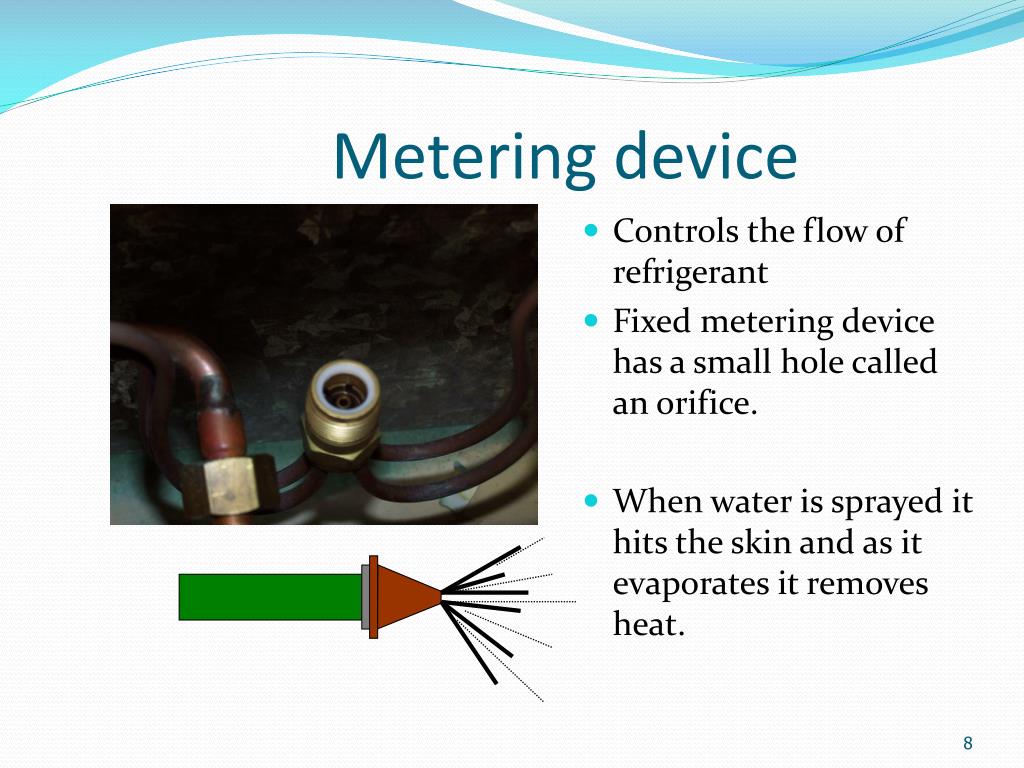
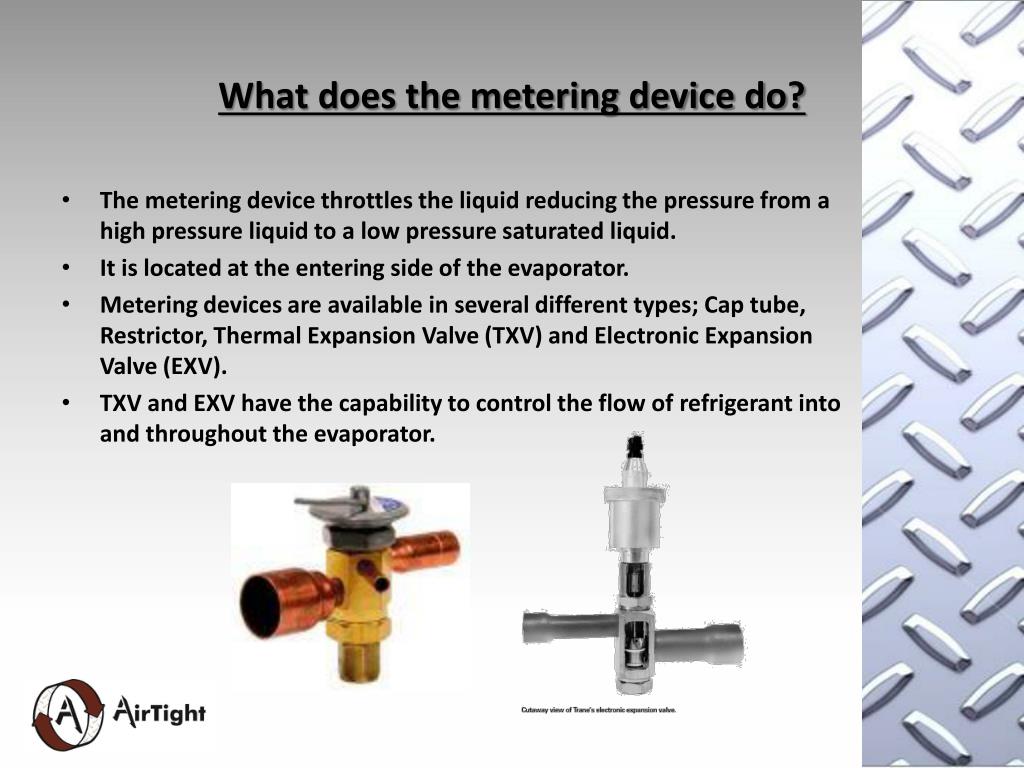
The primary function of a metering device in an HVAC system is to regulate the flow of refrigerant into the evaporator coil. This control is essential for maintaining the correct temperature and pressure within the system, maximizing cooling or heating capacity, and preventing damage to the compressor. Think of it as the system's fuel injector, delivering the precise amount of refrigerant needed at any given moment.
Without a properly functioning metering device, the system would experience either overfeeding or underfeeding of refrigerant. Overfeeding can lead to liquid refrigerant entering the compressor, causing catastrophic damage, while underfeeding reduces the system's cooling capacity and efficiency, leading to higher energy bills and potential compressor overheating.
Key Functions Summarized:
- Refrigerant Flow Regulation: Controls the amount of refrigerant entering the evaporator.
- Pressure Control: Maintains optimal pressure within the system.
- Temperature Regulation: Helps achieve desired temperature by regulating refrigerant flow based on load.
- Efficiency Maximization: Ensures the system operates at its highest efficiency by providing the correct refrigerant charge.
- Compressor Protection: Prevents damage to the compressor from liquid refrigerant floodback.
Types of Metering Devices
Several types of metering devices are commonly used in HVAC systems, each with its own characteristics and applications.
1. Fixed Orifice Devices
These are the simplest type of metering device, consisting of a precisely sized hole or capillary tube. They offer a fixed refrigerant flow rate for a given set of conditions. Fixed orifice devices are commonly found in smaller, residential air conditioning systems due to their simplicity and low cost.
Pros: Low cost, simple design, reliable.
Cons: Less efficient under varying load conditions, not as precise as other types.
2. Thermostatic Expansion Valves (TXV)
TXVs are more sophisticated metering devices that automatically adjust the refrigerant flow based on the superheat of the refrigerant leaving the evaporator coil. They use a sensing bulb that is typically attached to the suction line and connected to the valve with a capillary tube. As the temperature of the suction line changes, the TXV adjusts the opening of the valve to maintain a consistent superheat, ensuring optimal performance under varying load conditions.
Pros: High efficiency under varying load conditions, precise refrigerant control.
Cons: More complex than fixed orifice devices, higher cost, requires proper adjustment.
3. Electronic Expansion Valves (EEV)
EEVs are the most advanced type of metering device, offering precise and dynamic control of refrigerant flow. They use an electronic controller and sensors to monitor system conditions and adjust the valve opening accordingly. EEVs can optimize system performance for a wide range of operating conditions and can also be used for diagnostics and troubleshooting.
Pros: Highest efficiency, precise control, diagnostic capabilities.
Cons: Most complex and expensive, requires specialized knowledge for installation and service.
4. Capillary Tubes
Similar to fixed orifices, capillary tubes are long, narrow tubes that restrict refrigerant flow. They are often used in smaller, self-contained refrigeration systems, such as refrigerators and window air conditioners. Like fixed orifices, capillary tubes offer a fixed refrigerant flow rate and are relatively inexpensive.
Pros: Low cost, simple design, no moving parts.
Cons: Inefficient under varying load conditions, prone to clogging, difficult to clean.
The Importance of Proper Metering Device Selection and Installation
Selecting the right metering device for a specific HVAC system is crucial for optimal performance and efficiency. Factors to consider include the system's cooling capacity, type of refrigerant, operating conditions, and budget. Improper selection can lead to reduced performance, increased energy consumption, and potential equipment damage.
Proper installation is equally important. A poorly installed metering device can cause refrigerant leaks, inaccurate readings, and inefficient operation. Technicians must follow manufacturer's instructions and use proper tools and techniques to ensure a secure and leak-free installation.
HVAC Career Paths and Metering Devices
Knowledge of metering devices is essential for various HVAC career paths:
- HVAC Technicians: Must be able to diagnose and repair metering device problems, including replacing faulty valves, adjusting TXVs, and troubleshooting EEV control systems. According to the Bureau of Labor Statistics, the median annual wage for HVAC technicians was $51,390 in May 2022. The job outlook is projected to grow 6 percent from 2022 to 2032, about as fast as the average for all occupations.
- HVAC Installers: Responsible for installing metering devices according to manufacturer's specifications, ensuring proper placement and connections.
- HVAC System Designers: Need to understand the characteristics of different metering devices to select the best option for a given application.
- HVAC Sales Engineers: Must be able to explain the benefits of different metering device technologies to customers and recommend the best solutions for their needs.
Relevant Certifications for HVAC Professionals
Obtaining relevant certifications can enhance career prospects and demonstrate competency in HVAC skills. Some important certifications include:
- NATE (North American Technician Excellence): NATE certification validates a technician's knowledge and skills in specific areas of HVAC, including refrigerant handling and system performance.
- EPA 608 Certification: Required by the U.S. Environmental Protection Agency (EPA) for technicians who handle refrigerants. It covers topics such as refrigerant recovery, recycling, and proper disposal.
- HVAC Excellence: Offers a range of certifications for HVAC technicians, instructors, and programs, focusing on quality education and training.
Industry Trends and the Future of Metering Devices
The HVAC industry is constantly evolving, with a growing emphasis on energy efficiency and environmental sustainability. As a result, metering device technology is also advancing.
EEVs are becoming increasingly popular due to their ability to optimize system performance and reduce energy consumption. Smart HVAC systems that use advanced sensors and controls to monitor and adjust refrigerant flow are also gaining traction. These systems can automatically adapt to changing conditions and provide real-time feedback to technicians, enabling proactive maintenance and troubleshooting.
The use of alternative refrigerants with lower global warming potential (GWP) is also driving innovation in metering device design. Some new refrigerants require specialized valves and controls to ensure compatibility and optimal performance.
Real-World Career Examples
Example 1: Entry-Level Technician to Senior Technician
An entry-level HVAC technician might start by assisting with installations and performing basic maintenance tasks. As they gain experience and knowledge, they can progress to diagnosing and repairing more complex problems, including metering device issues. With additional training and certifications, they can become senior technicians or supervisors, leading teams and overseeing projects.
Example 2: From Technician to HVAC Designer
A skilled technician with a strong understanding of HVAC systems and components can transition into a design role. They can use their practical experience to create efficient and effective HVAC systems for residential, commercial, and industrial buildings. A solid understanding of metering device performance and selection is critical in this role.
For Employers: Hiring Skilled Professionals
When hiring HVAC professionals, employers should prioritize candidates with strong technical skills and a solid understanding of metering devices. Look for candidates with relevant certifications, such as NATE or EPA 608, and assess their ability to diagnose and repair metering device problems. Practical experience and a willingness to learn are also valuable assets.
Investing in employee training and development is essential for maintaining a skilled workforce and staying up-to-date with industry trends. Provide opportunities for technicians to attend workshops, seminars, and online courses to enhance their knowledge of metering devices and other HVAC technologies.
The effective operation of a metering device is crucial for efficient HVAC system function. From the simple fixed orifice to the advanced electronic expansion valve, each type serves a vital role in regulating refrigerant flow and maintaining optimal performance. Whether you're a student starting your HVAC journey, a technician seeking advancement, or an employer building a skilled team, understanding the intricacies of metering devices is essential for success in this dynamic field.