What Does A Mini Split Look Like Outside
Decoding the Exterior of Your Mini-Split System
So, you're considering a mini-split system for your home? Excellent choice! These ductless wonders offer efficient heating and cooling solutions, but before you finalize your decision, it's essential to understand what they look like both inside and out. This article focuses on the exterior component of a mini-split system, providing a comprehensive overview of its appearance, function, and factors to consider during installation.
The Outdoor Unit: A Closer Look
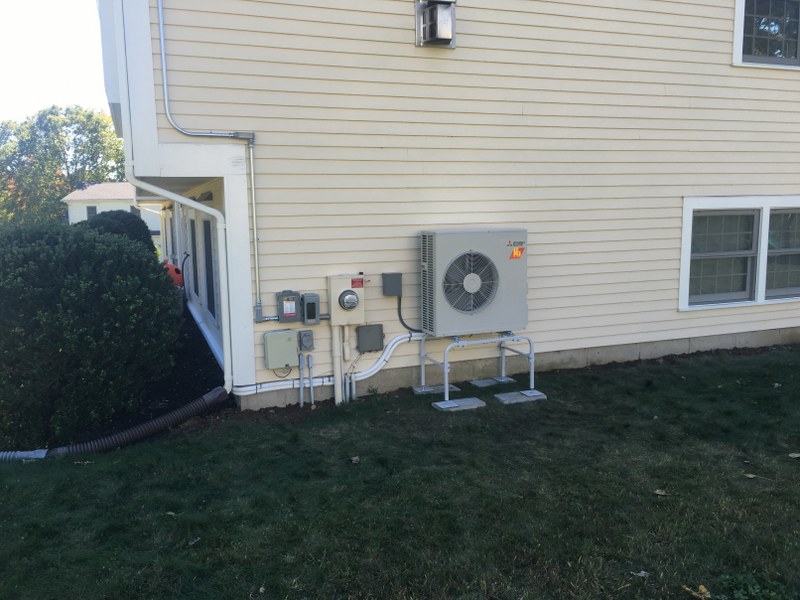
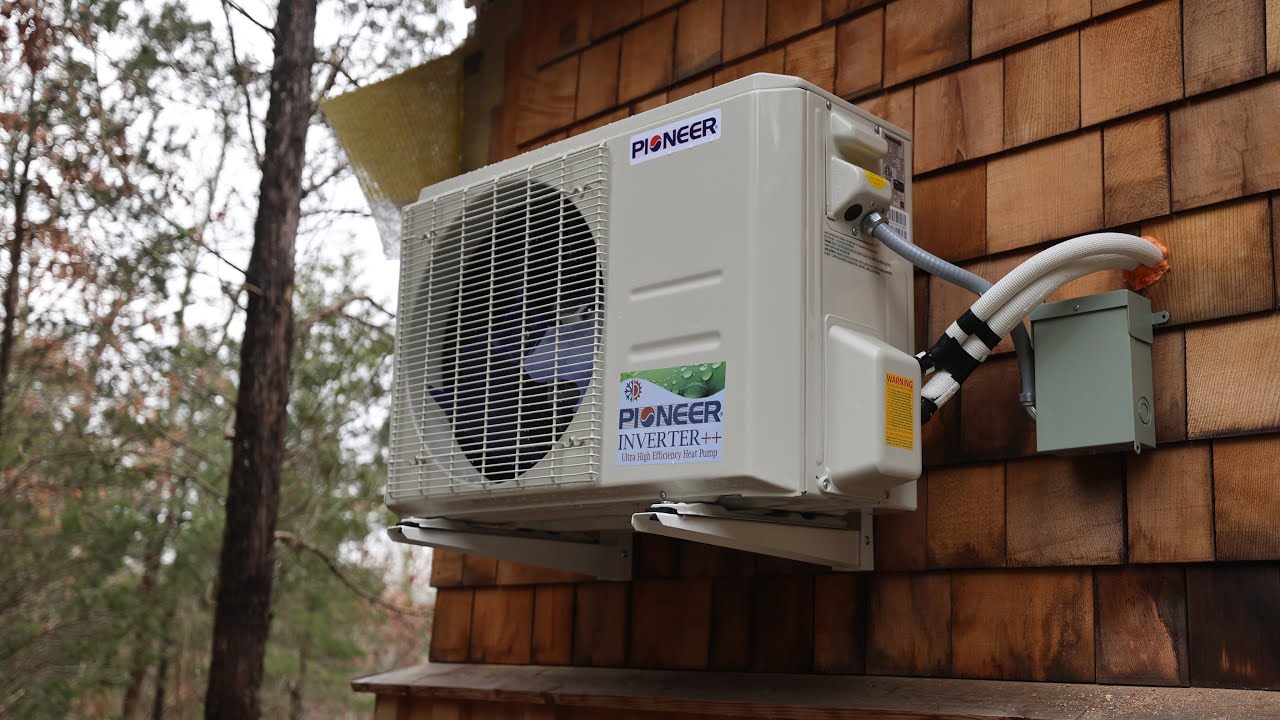
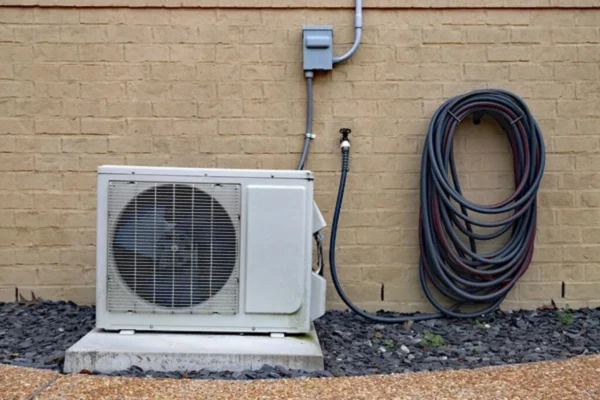
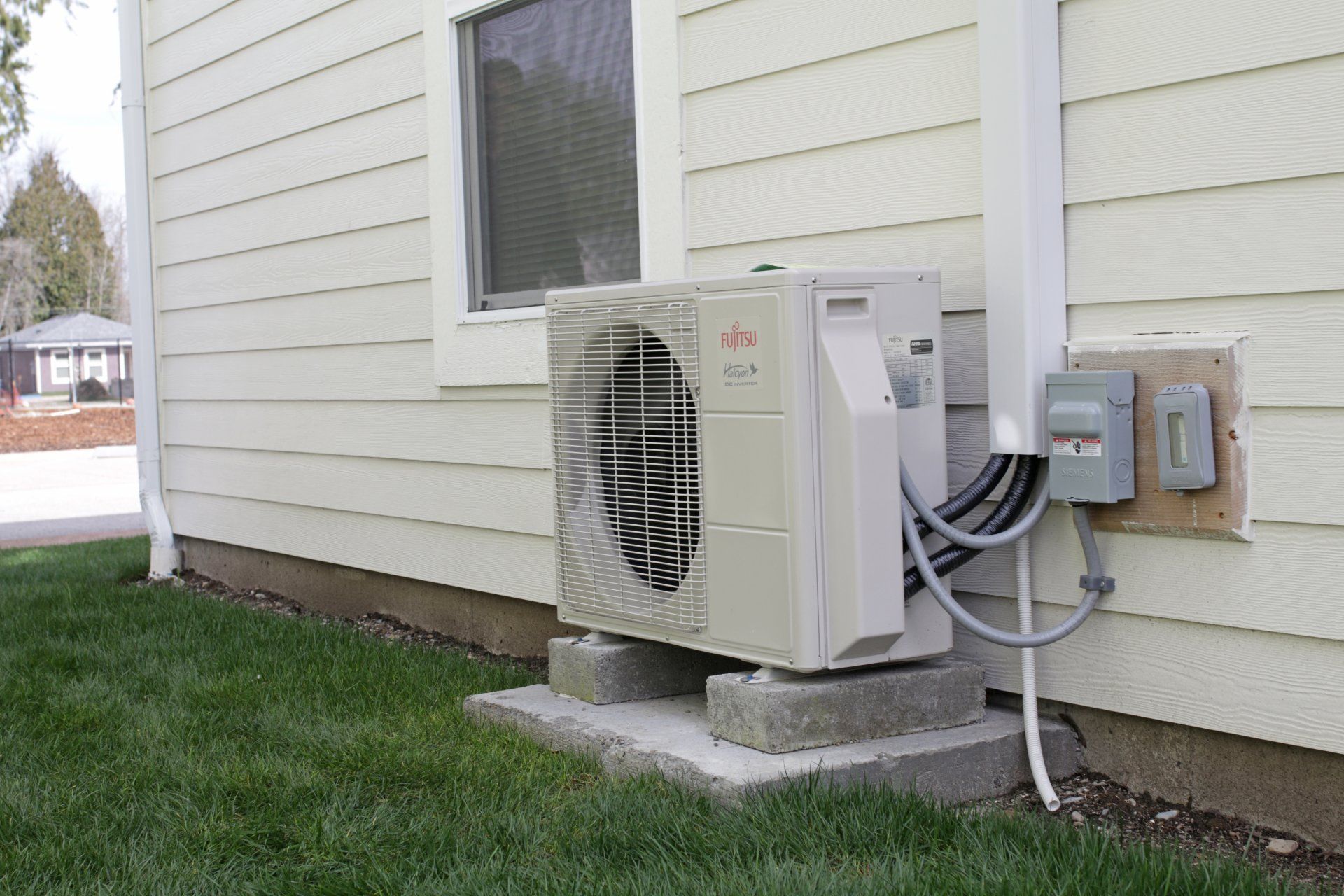
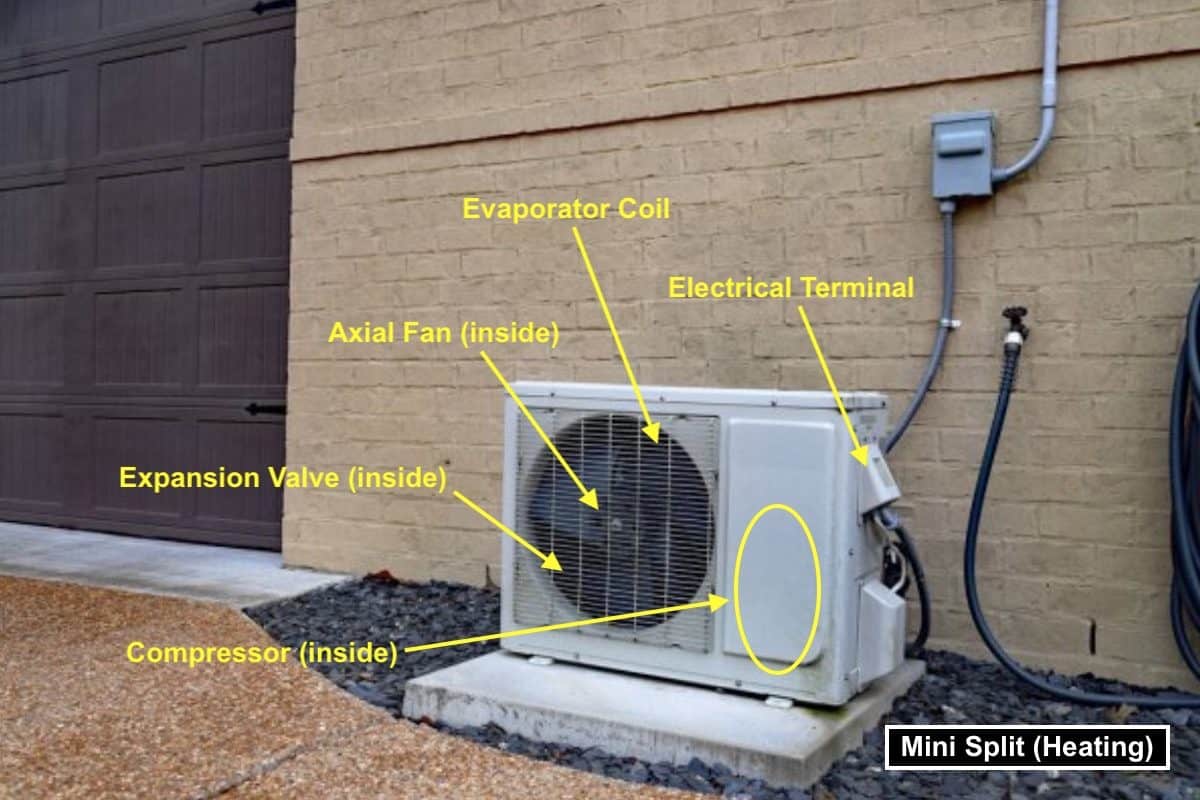
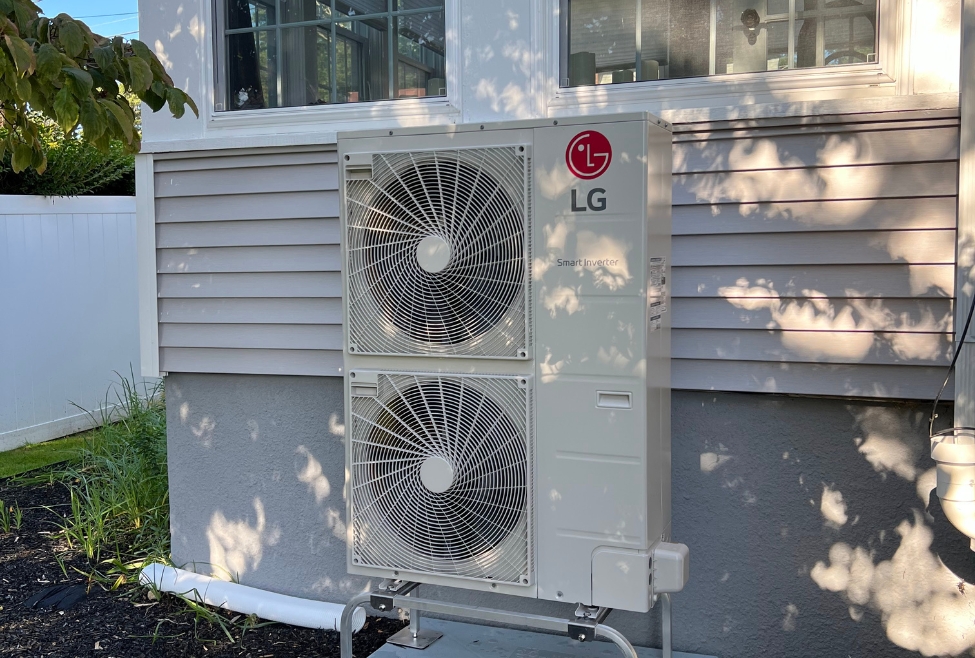
The exterior component of a mini-split system, often called the outdoor unit or condenser, is the workhorse responsible for either releasing heat from your home during cooling or absorbing heat from the outside air during heating. It’s typically a rectangular metal cabinet, designed to withstand various weather conditions.
Size and Appearance: The dimensions of the outdoor unit can vary depending on the capacity (BTU) and brand. Generally, you can expect them to range from 20 to 40 inches in width, 20 to 30 inches in height, and 10 to 15 inches in depth. The color is often a neutral shade like beige, gray, or white to blend with common building exteriors. Manufacturers like Mitsubishi, Daikin, and LG offer models with slight variations in design, some featuring sleeker, more modern aesthetics.
Components: Key components visible on the exterior include:
- Fan Grille: A protective grille covers the fan, which circulates air across the condenser coil to facilitate heat transfer.
- Refrigerant Connections: Copper pipes connect the outdoor unit to the indoor unit(s), carrying refrigerant. These connections are typically located on the side or back of the unit and should be professionally installed and sealed.
- Electrical Connections: Wires connect the unit to your home's electrical system. These are also housed within the unit and should only be handled by a qualified electrician.
- Service Ports: Small ports are used by HVAC technicians to access the refrigerant lines for maintenance and servicing.
Installation Considerations: Placement and Aesthetics
Proper placement of the outdoor unit is crucial for optimal performance and longevity. Here are some key considerations:
- Clearance: The unit needs adequate clearance on all sides (typically 12-24 inches) to allow for proper airflow. Avoid placing it directly against walls or in enclosed spaces.
- Level Surface: The unit should be installed on a level concrete pad or mounting bracket to prevent vibration and noise.
- Sunlight: While designed to withstand the elements, prolonged exposure to direct sunlight can impact efficiency and lifespan. Consider shading the unit if possible, without restricting airflow.
- Noise: Although mini-split systems are generally quieter than traditional HVAC systems, the outdoor unit does produce some noise. Avoid placing it near bedrooms or living areas where noise could be disruptive.
- Accessibility: Ensure the unit is easily accessible for maintenance and repairs. Don't bury it behind landscaping or other obstructions.
- Aesthetics: While functionality is paramount, consider the visual impact of the outdoor unit on your home's exterior. You can use landscaping to subtly screen the unit without impeding airflow.
Performance Ratings: SEER, HSPF, and AFUE
Understanding performance ratings is vital when choosing a mini-split system. Here's a breakdown:
- SEER (Seasonal Energy Efficiency Ratio): Measures cooling efficiency. The higher the SEER rating, the more efficient the unit. Look for models with SEER ratings of 16 or higher. Energy Star certified models typically have a SEER of 15 or higher.
- HSPF (Heating Seasonal Performance Factor): Measures heating efficiency. Again, a higher HSPF rating indicates greater efficiency. Aim for an HSPF of 8 or higher.
- AFUE (Annual Fuel Utilization Efficiency): While less relevant for heat pump-based mini-splits, AFUE is important if the system uses a gas furnace as a backup heat source. It measures the efficiency of converting fuel to heat.
Brands like Mitsubishi Electric and Daikin are known for their high SEER and HSPF ratings, translating to significant energy savings over time.
Popular Brands and Models
Here are some well-regarded mini-split brands and models, focusing on their outdoor unit characteristics:
- Mitsubishi Electric M-Series: Known for their quiet operation and energy efficiency. The outdoor units are compact and feature a durable, weather-resistant design. Offers models with hyper-heating for colder climates.
- Daikin Aurora: Daikin is a global leader in HVAC technology. The Aurora series is designed for cold climates and features a robust outdoor unit capable of operating in extremely low temperatures.
- LG Art Cool: LG offers stylish indoor units and reliable outdoor units. The Art Cool series focuses on aesthetics, but doesn't sacrifice performance.
- Fujitsu Halcyon: Fujitsu's Halcyon series is known for its wide range of options and reliable performance. Their outdoor units are generally compact and efficient.
- Carrier Performance Series: Carrier is a well-established brand in the HVAC industry. Their Performance Series offers a balance of performance and affordability.
When comparing models, pay attention to the unit's sound rating (measured in decibels). Lower decibel ratings indicate quieter operation.
Pricing and Installation Costs
The cost of a mini-split system varies depending on the number of indoor units, the capacity (BTU), the brand, and the complexity of the installation. Expect to pay anywhere from $3,000 to $8,000 or more for a multi-zone system.
Installation costs can also vary significantly. Factors that affect installation costs include:
- Distance between indoor and outdoor units.
- Complexity of running refrigerant lines.
- Electrical work required.
- Permitting fees.
Always obtain multiple quotes from qualified HVAC contractors before making a decision.
Warranties and Maintenance
Most mini-split manufacturers offer warranties on their products. Standard warranties typically cover parts for 5-7 years and the compressor for 7-10 years. Extended warranties are often available for an additional cost.
Regular maintenance is essential to keep your mini-split system running efficiently and reliably. This includes:
- Cleaning the air filters in the indoor units every 1-3 months.
- Cleaning the outdoor unit's coil and fan annually.
- Having a professional HVAC technician inspect the system annually.
Proper maintenance can extend the life of your system and prevent costly repairs.
Potential Downsides
While mini-splits offer numerous advantages, it's important to be aware of potential downsides:
- Aesthetics: Some homeowners find the appearance of the outdoor unit and indoor units to be less appealing than traditional HVAC systems.
- Installation Costs: Initial installation costs can be higher than traditional systems, especially for multi-zone setups.
- Maintenance: Regular filter cleaning is essential, and professional maintenance is recommended annually.
Alternatives to Mini-Splits
If a mini-split system isn't the right fit for your needs, consider these alternatives:
- Central Air Conditioning: A traditional ducted system that cools an entire home.
- Window Air Conditioners: A less expensive option for cooling individual rooms.
- Portable Air Conditioners: Can be moved from room to room, but are generally less efficient than mini-splits.
Final Thoughts
Understanding the exterior component of a mini-split system is crucial for making an informed purchase. By considering factors such as size, placement, performance ratings, and cost, you can choose a system that meets your specific needs and budget. Remember to consult with qualified HVAC professionals to ensure proper installation and maintenance.
When selecting a mini-split system, prioritize energy efficiency (high SEER and HSPF ratings) and choose a reputable brand known for reliability and performance.
Investing in a mini-split system can significantly improve your home's comfort and energy efficiency. By understanding the outdoor unit and its role in the overall system, you can make a well-informed decision and enjoy the benefits of ductless heating and cooling for years to come.