What Does A Motor Run Capacitor Do

Motor run capacitors are essential components in many HVAC systems, quietly enabling the smooth and efficient operation of motors that drive fans, blowers, and compressors. While often overlooked, understanding their function, troubleshooting potential issues, and knowing when to replace them can significantly improve system performance and lifespan. This article explores the purpose, operation, common problems, and maintenance of motor run capacitors in HVAC systems.
What is a Motor Run Capacitor?
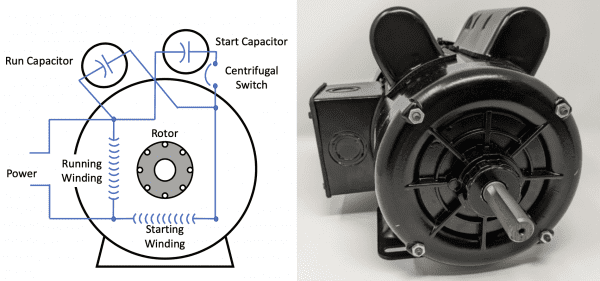
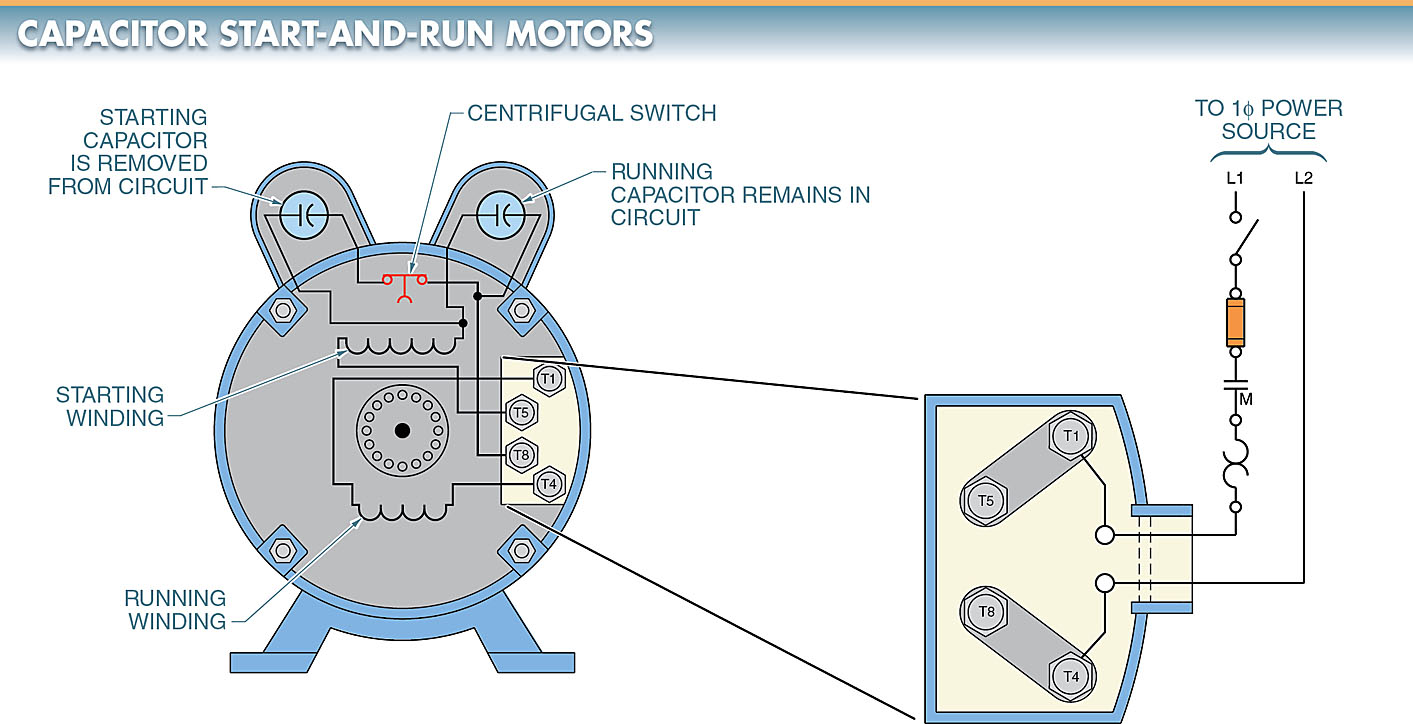
A motor run capacitor is an electrical component that provides a boost of energy to the motor, helping it to start and run efficiently. Think of it like a rechargeable battery specifically designed to work alongside the motor. It is not a starting capacitor, which is used for a short burst to initially start the motor and then disengages. Instead, the run capacitor remains in the circuit continuously while the motor is running.
In HVAC systems, run capacitors are commonly used with:
- Condenser fan motors: These fans dissipate heat from the refrigerant in the outdoor unit.
- Blower motors: These motors circulate air through the ductwork in the indoor unit.
- Compressor motors: The heart of the cooling system, the compressor circulates refrigerant.
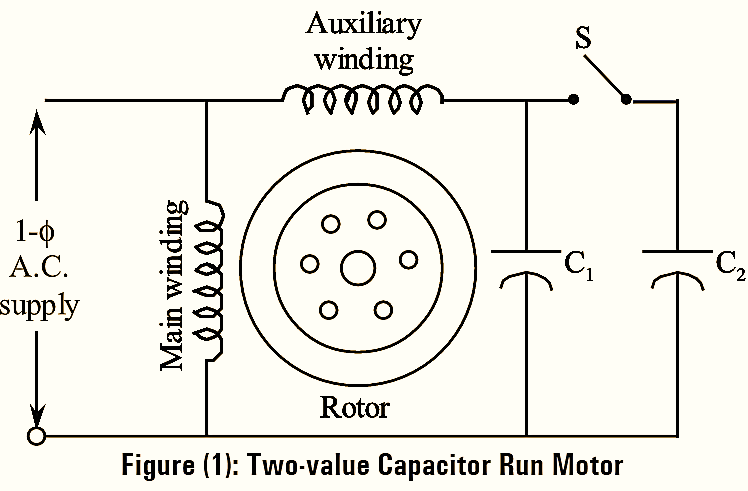
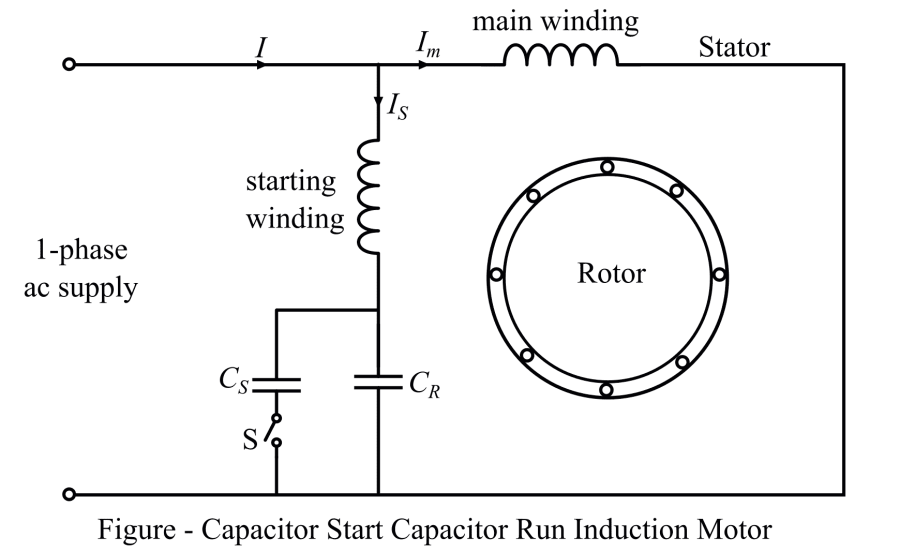
The role of the run capacitor is to create a phase shift in the electrical current supplied to the motor. This phase shift creates a rotating magnetic field, which is necessary for the motor to operate smoothly and efficiently. Without the capacitor, the motor would struggle to start, run inefficiently, or even fail altogether.
How a Motor Run Capacitor Works
Essentially, a motor run capacitor is an energy storage device, similar to a small battery. It's composed of two conductive plates separated by an insulator (dielectric). When voltage is applied, electrical energy is stored on these plates. This stored energy is then released to the motor, creating the phase shift needed for efficient operation.
More technically, AC induction motors, commonly used in HVAC applications, require two separate currents slightly out of sync to generate a rotating magnetic field, which in turn causes the rotor to spin. Single-phase power, commonly found in residential settings, only provides one AC waveform. The run capacitor introduces a phase shift, effectively splitting the single-phase power into two phases. This creates the necessary rotating magnetic field.
Run capacitors are rated in microfarads (µF), which indicates their capacitance, or ability to store electrical charge. They are also rated for a specific voltage, which must be higher than the voltage of the circuit in which they are used. Common capacitor voltage ratings include 370V and 440V. Using a capacitor with a lower voltage rating than the circuit voltage can cause it to fail prematurely and even explode.
Signs of a Failing Motor Run Capacitor
A failing run capacitor can manifest in several ways, impacting the performance and efficiency of your HVAC system. Recognizing these symptoms early can prevent more significant damage to the motor and other components.
Common signs of a failing motor run capacitor include:
- Hard starting: The motor struggles to start or makes a humming noise before starting. This is often a clear indication that the capacitor is not providing the necessary boost of energy.
- Reduced airflow: A failing blower motor capacitor can lead to reduced airflow from your vents, making it difficult to heat or cool your home.
- Overheating motor: The motor may overheat due to inefficient operation, potentially leading to premature failure.
- Increased energy consumption: The motor works harder to compensate for the failing capacitor, resulting in higher energy bills.
- Humming noise: A consistent humming noise from the HVAC unit, especially during startup, can point to a capacitor issue.
- Physical damage: Bulging, leaking, or cracking of the capacitor casing are visual indicators of failure. Never touch a damaged capacitor as it may still hold an electrical charge.
If you observe any of these symptoms, it is crucial to have your HVAC system inspected by a qualified technician. They can accurately diagnose the problem and recommend the appropriate solution.
Diagnosing a Faulty Motor Run Capacitor
Diagnosing a faulty run capacitor typically involves using a multimeter to measure its capacitance. A technician will disconnect the capacitor from the circuit and use the multimeter to check its microfarad (µF) rating. If the measured value is significantly lower than the rated value (typically more than 6% below), the capacitor is likely failing and needs replacement.
It's important to note that safety is paramount when working with electrical components. Capacitors can store a dangerous electrical charge even after the power is turned off. Always discharge the capacitor using an appropriate tool before handling it.
Visual inspection can also provide clues. Look for signs of bulging, leaking oil, or corrosion on the capacitor casing. However, a capacitor can be faulty even without visible damage, so electrical testing is essential for accurate diagnosis.
Replacing a Motor Run Capacitor
Replacing a motor run capacitor is a relatively straightforward task for a qualified HVAC technician. However, it's crucial to follow proper safety procedures and use the correct replacement part.
The replacement capacitor must have the same voltage and microfarad (µF) rating as the original. Using a capacitor with a different rating can damage the motor or other components of the HVAC system.
Here are the basic steps involved in replacing a motor run capacitor:
- Turn off the power: Disconnect the power to the HVAC unit at the breaker box.
- Discharge the capacitor: Use a screwdriver with an insulated handle to short across the terminals of the capacitor and discharge any stored electrical charge.
- Note the wiring: Carefully note the position of the wires connected to the old capacitor. Take a picture or draw a diagram to ensure proper reconnection.
- Disconnect the wires: Disconnect the wires from the old capacitor.
- Remove the old capacitor: Remove the old capacitor from its mounting bracket.
- Install the new capacitor: Install the new capacitor in the mounting bracket and connect the wires according to your diagram.
- Restore power: Turn the power back on at the breaker box.
- Test the system: Observe the HVAC unit to ensure it is operating correctly.
Important Note: Due to the risk of electrical shock, it's always recommended to have a qualified HVAC technician perform this replacement.
Cost and Lifespan
The cost of a motor run capacitor can vary depending on its size, voltage, and brand. Generally, they range from $10 to $50. However, the total cost of replacement will also include the technician's labor charge, which can vary depending on the location and complexity of the job.
The lifespan of a motor run capacitor typically ranges from 3 to 10 years, but this can be affected by factors such as operating temperature, voltage fluctuations, and the quality of the capacitor. Regular HVAC maintenance, including visual inspection and electrical testing of the capacitor, can help identify potential problems early and extend its lifespan.
Preventative Maintenance
While capacitors will eventually fail, preventative maintenance can extend their life and prevent unexpected system breakdowns.
- Regular HVAC maintenance: Schedule annual checkups with a qualified technician who can inspect the capacitor and other system components.
- Keep the unit clean: Ensure the HVAC unit is free from debris, which can restrict airflow and cause overheating, potentially stressing the capacitor.
- Monitor system performance: Pay attention to any changes in system performance, such as reduced airflow or unusual noises, which could indicate a capacitor problem.
Conclusion
Motor run capacitors play a critical role in the efficient operation of HVAC systems. Understanding their function, recognizing the signs of failure, and performing regular maintenance can help homeowners, technicians, and facility managers ensure optimal system performance and longevity. While replacing a capacitor may seem like a minor repair, it can have a significant impact on energy efficiency, motor lifespan, and overall system reliability. Remember, safety should always be the top priority when working with electrical components, and it is often best to consult with a qualified HVAC technician for diagnosis and repair.