What Does A Pressure Switch Look Like

HVAC systems are complex, and understanding their components is key to keeping your home comfortable. Among these components, the pressure switch plays a critical role in safety and operation. This article dives deep into what a pressure switch looks like, where to find it, and how to identify potential problems, all while keeping your safety in mind. If you're experiencing HVAC issues, particularly with your furnace or heat pump, knowing about the pressure switch can save you time and money. Remember, while this guide offers DIY tips, complex repairs should always be handled by a qualified HVAC technician.
Identifying a Pressure Switch: A Visual Guide
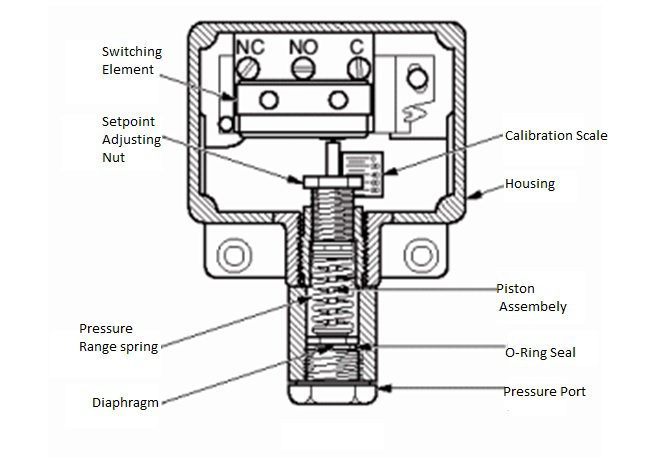
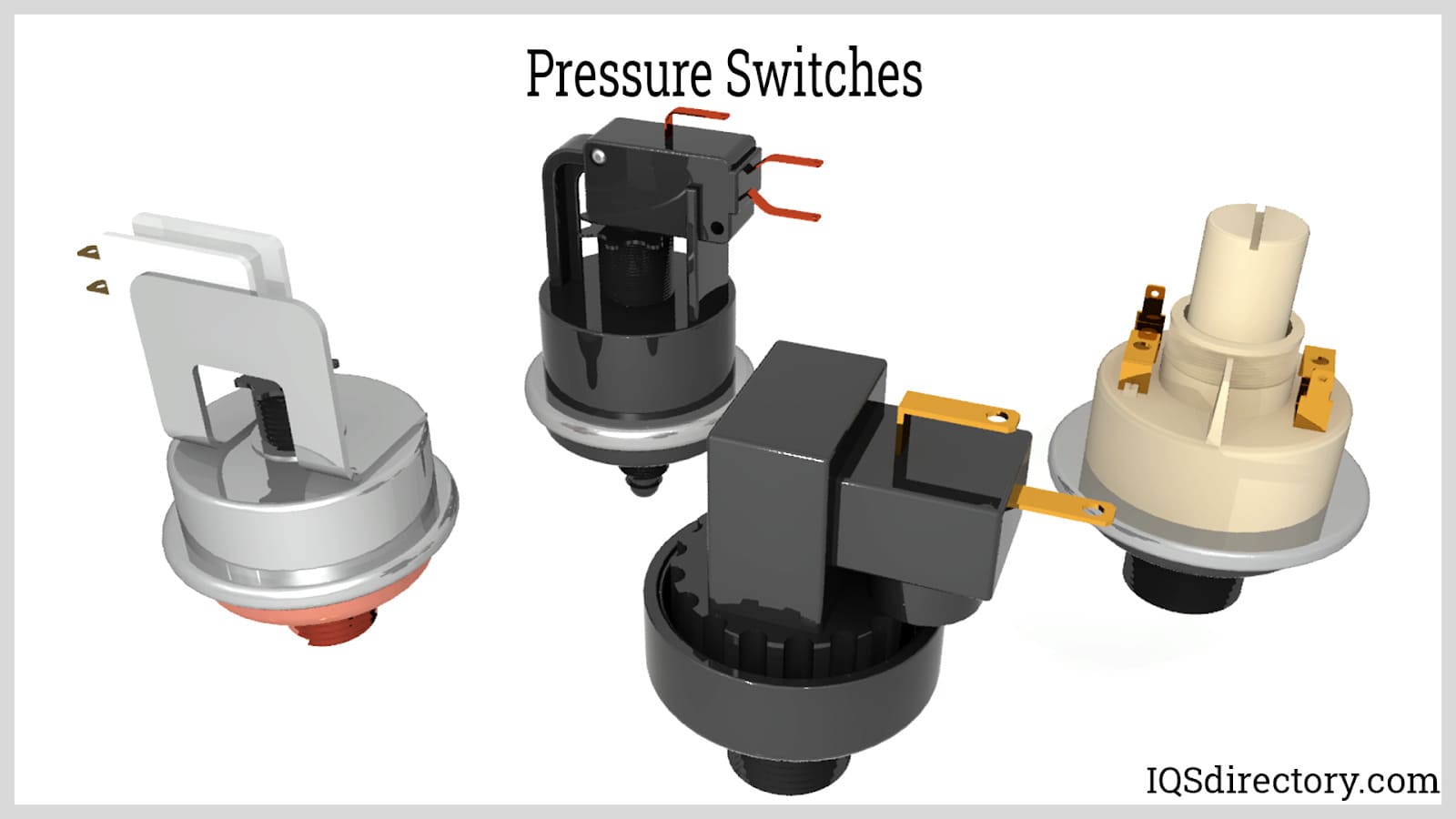
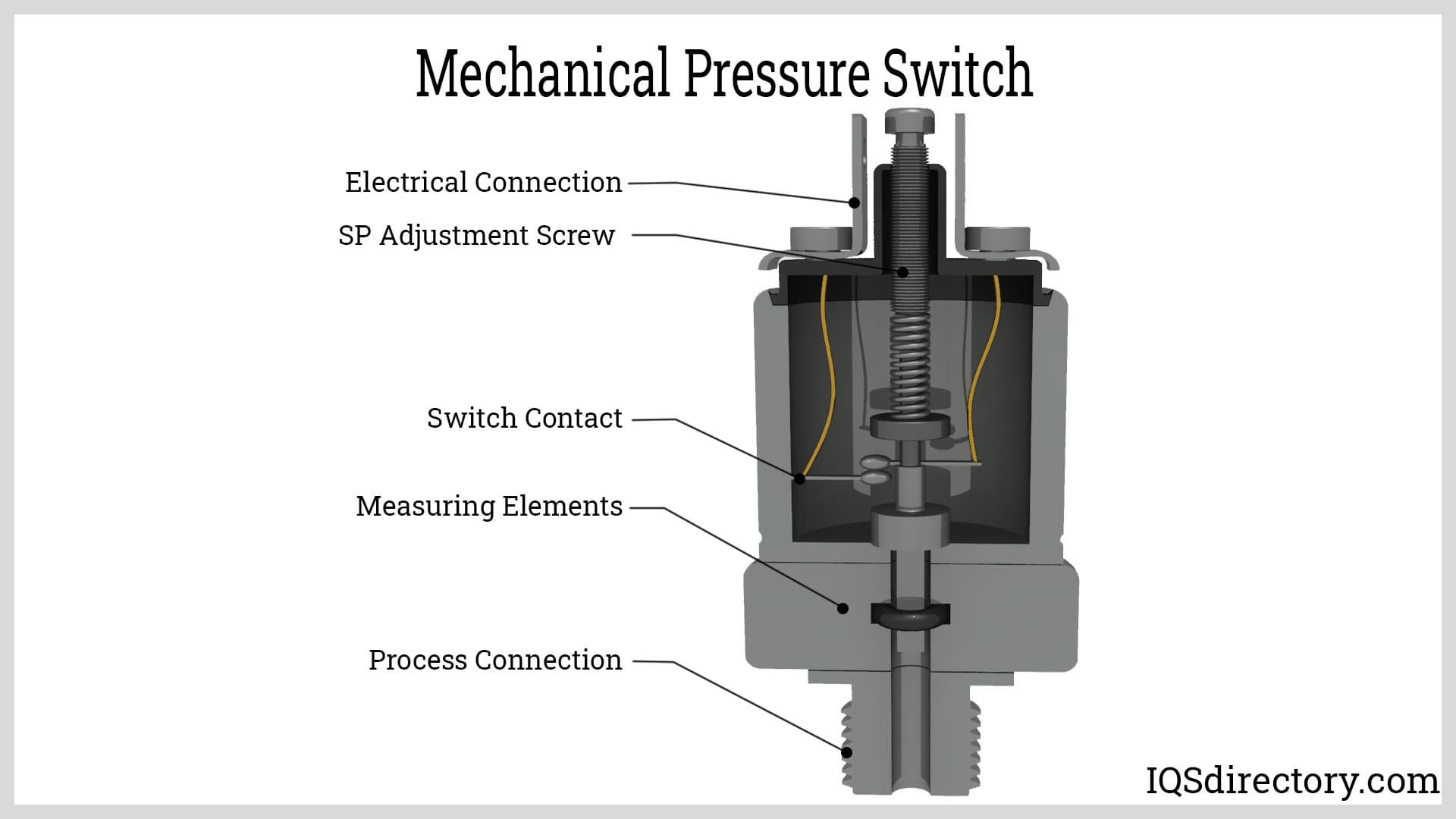
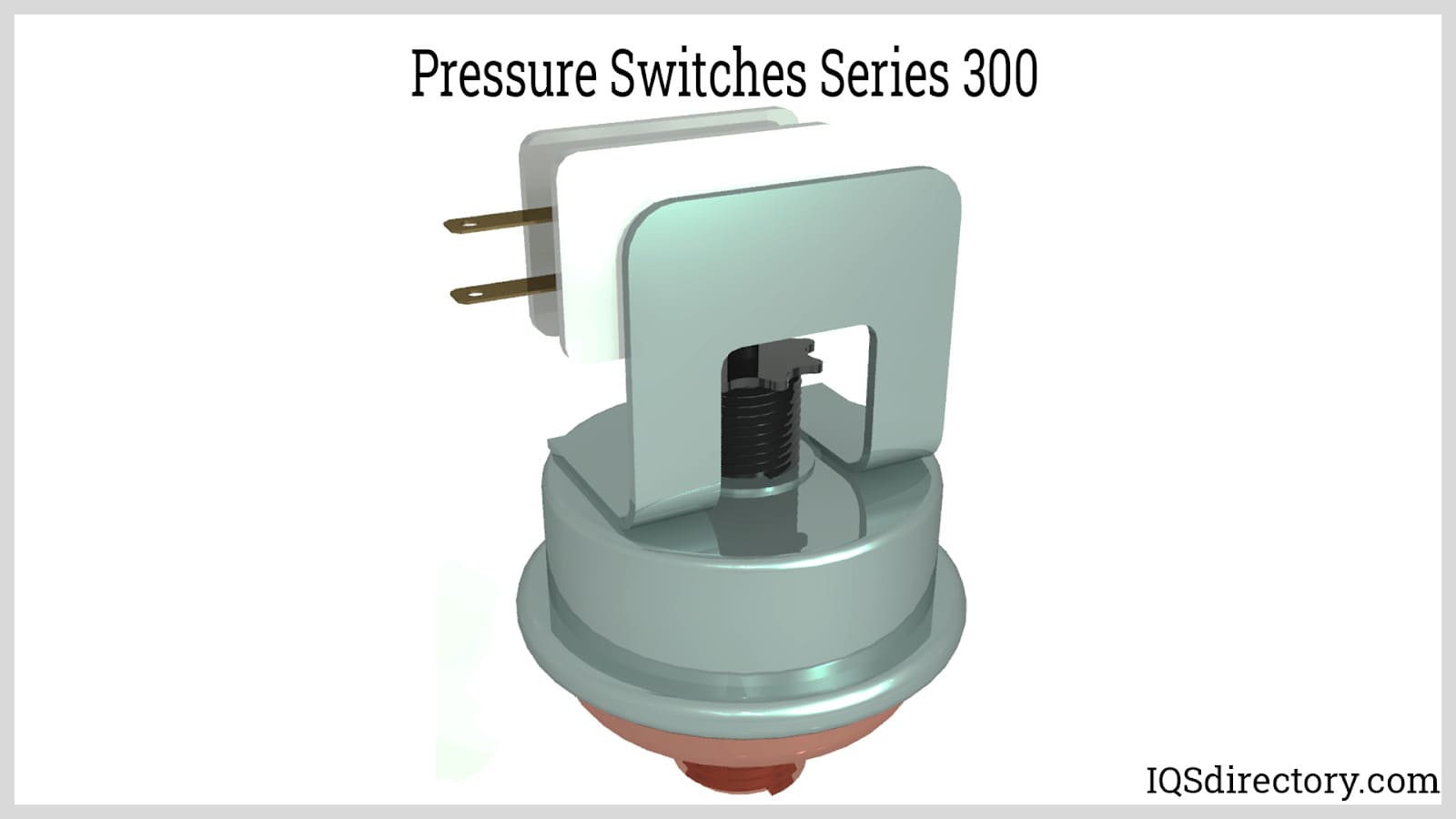
The first step in understanding your HVAC system is knowing what a pressure switch looks like. They come in various shapes and sizes, but some common characteristics will help you identify them:
- Shape: Typically, pressure switches are small, circular or rectangular devices. Many are black plastic, but can also be metal.
- Size: They're generally compact, fitting in the palm of your hand.
- Location: In a furnace, you'll usually find the pressure switch mounted near the inducer motor or on the draft inducer housing. In a heat pump, it might be located near the compressor or blower motor.
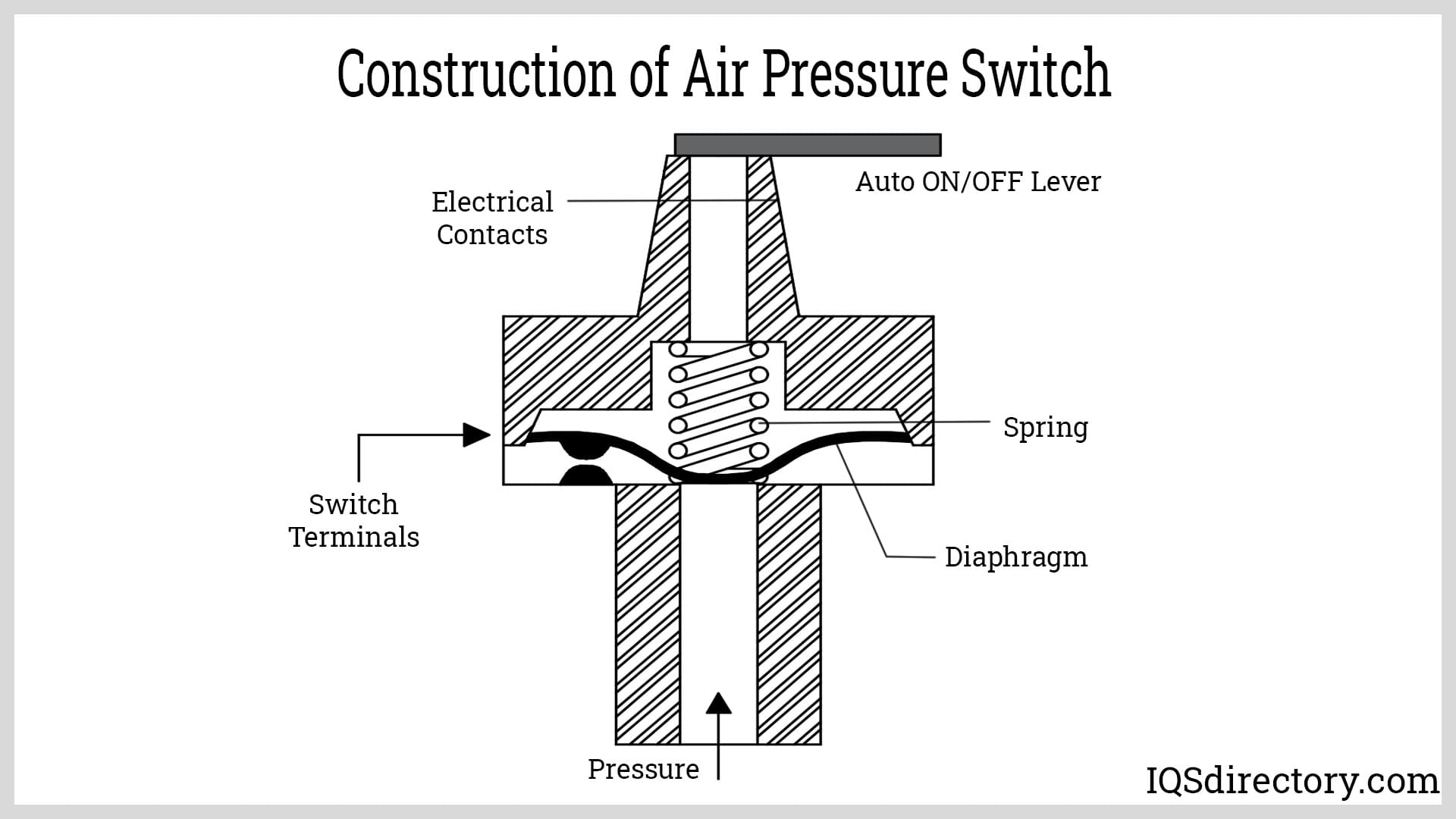
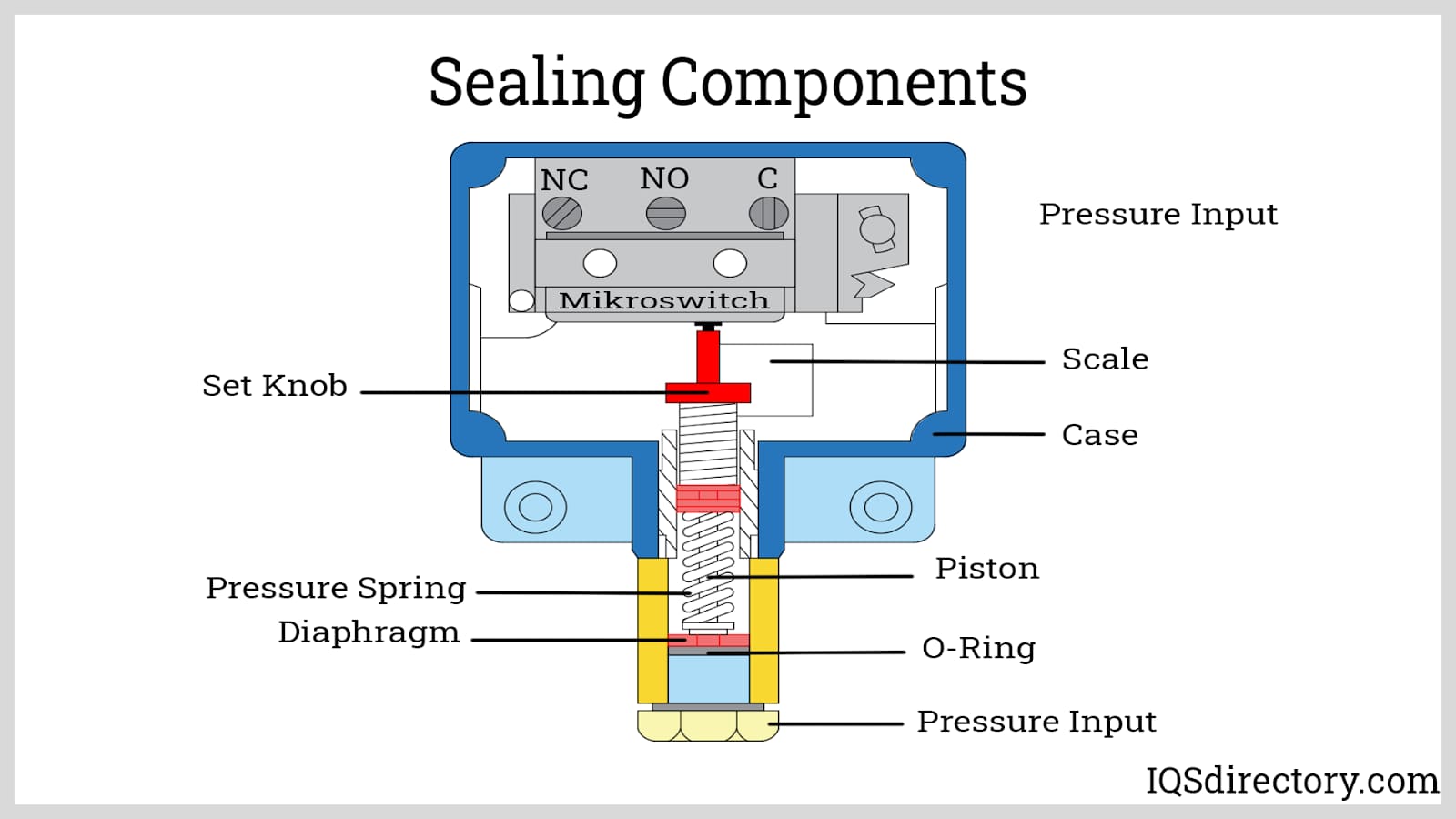
- Appearance: Look for a small, round or rectangular housing with one or two small rubber or plastic tubes connected to it. These tubes are crucial; they sense the pressure. There will also be electrical wires connected to the switch.
- Labeling: The switch should have some kind of label or marking indicating its pressure setting (e.g., "0.50" WC" for inches of water column). This marking is crucial for proper replacement.
Common Types of Pressure Switches
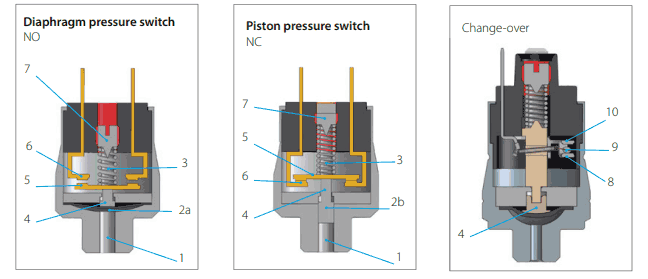
While the function remains the same, there are different types of pressure switches found in HVAC systems:
- Negative Pressure Switch: This is the most common type in furnaces. It monitors the negative pressure created by the inducer motor to ensure proper venting of combustion gases.
- Positive Pressure Switch: Found in some heat pumps and ventilation systems, it monitors positive pressure.
- Differential Pressure Switch: These switches measure the difference in pressure between two points. They are commonly used to monitor air filter performance, ensuring adequate airflow.
Where to Find the Pressure Switch in Your HVAC System
Locating the pressure switch is essential for inspection and troubleshooting. Here's where to look in different types of systems:
Furnaces
In a furnace, the pressure switch is almost always located near the inducer motor. Look for it mounted on the inducer housing or nearby, with a small tube running to the draft inducer assembly. This tube senses the negative pressure created when the inducer motor starts, proving that the venting system is working correctly.
Heat Pumps
In a heat pump, the pressure switch's location can vary depending on the model. You might find it near the compressor or the blower motor. Look for a switch with tubes connected to it, possibly monitoring refrigerant pressure or airflow.
Air Handlers
Some air handlers may use a pressure switch to monitor airflow across the evaporator coil. In this case, it will be located near the blower and the evaporator coil, with tubes connected to different points in the airflow path.
Safety First: Before you start poking around your HVAC unit, always turn off the power at the breaker. This is crucial to prevent electrical shock.
Troubleshooting a Pressure Switch: DIY Tips and When to Call a Pro
A faulty pressure switch can cause your furnace or heat pump to fail, preventing it from starting or running correctly. Here's how to troubleshoot common issues:
- Furnace won't start: This is a classic symptom of a bad pressure switch. The furnace control board relies on the pressure switch signal to ignite the burners.
- Furnace cycles on and off rapidly (short cycling): If the pressure switch is flickering or failing intermittently, it can cause the furnace to shut down prematurely.
- Error codes: Many modern furnaces display error codes that can point to a pressure switch problem. Consult your furnace's manual for specific code meanings.
DIY Troubleshooting Steps
- Visual Inspection: Check the pressure switch and its tubing for any visible damage, such as cracks, kinks, or disconnections.
- Tube Check: Disconnect the tubes from the pressure switch and blow through them to ensure they are clear of obstructions. A clogged tube can prevent the switch from sensing pressure correctly.
- Multimeter Test (Advanced): With the power OFF, use a multimeter to test the continuity of the pressure switch. When the furnace is off, the switch should be open (no continuity). When the inducer motor is running and creating negative pressure, the switch should close (continuity). If the switch doesn't change state, it's likely faulty. Warning: This step requires basic electrical knowledge. If you're not comfortable using a multimeter, call a professional.
Common Causes of Pressure Switch Failure
- Clogged Venting: Restricted venting can prevent the inducer motor from creating sufficient negative pressure.
- Faulty Inducer Motor: A weak or failing inducer motor may not generate enough suction to close the pressure switch.
- Dirty Flame Sensor: Although not directly related, a dirty flame sensor can cause the furnace to shut down, mimicking a pressure switch problem.
- Condensation Build-up: Condensation can accumulate in the tubing or switch, interfering with its operation.
- Old Age: Like any mechanical component, pressure switches can wear out over time.
When to Call a Professional
While some pressure switch issues can be resolved with simple DIY fixes, certain situations require professional attention:
- You're not comfortable working with electricity. Electrical work can be dangerous if not done correctly.
- You suspect a more complex problem with your furnace or heat pump. Pressure switch problems can sometimes be a symptom of a larger issue.
- You've tried the DIY troubleshooting steps and the problem persists.
- You're dealing with refrigerant leaks or other hazardous materials. Refrigerant handling requires specialized equipment and training.
Pressure Switch Replacement: A Word of Caution
Replacing a pressure switch can seem straightforward, but it's important to proceed with caution. Here are some key considerations:
- Choosing the Right Replacement: The replacement pressure switch MUST have the same pressure setting as the original. Using the wrong switch can lead to unsafe operation and equipment damage. The pressure rating is typically printed on the switch itself, in inches of water column ("WC").
- Proper Installation: Ensure the tubes are securely connected and free of kinks or obstructions. Incorrect installation can render the new switch ineffective.
- Calibration (if necessary): Some pressure switches require calibration after installation. Consult the manufacturer's instructions.
Estimated Repair Costs: Replacing a pressure switch typically costs between $150 and $400, including parts and labor. The exact cost will vary depending on the complexity of the job and your location. Calling a professional ensures the job is done safely and correctly, and provides peace of mind. Always get quotes from multiple licensed HVAC contractors.
Preventative Maintenance: Keeping Your Pressure Switch Healthy
Regular maintenance can help prevent pressure switch problems and extend the life of your HVAC system:
- Annual HVAC Inspection: Schedule an annual inspection by a qualified HVAC technician. They can identify potential problems early on.
- Filter Replacement: Regularly replace your air filters to maintain proper airflow.
- Venting Inspection: Ensure your venting system is clear of obstructions, such as bird nests or debris.
Conclusion
Understanding what a pressure switch looks like and how it functions is a valuable skill for any homeowner. By following the tips in this guide, you can troubleshoot simple problems and make informed decisions about when to call a professional. Remember, safety is always the top priority. When in doubt, it's always best to consult a qualified HVAC technician to ensure your system is running safely and efficiently. Staying informed about your HVAC system empowers you to maintain a comfortable and safe home environment.