What Does A Prv Look Like

Are you experiencing inconsistent heating or cooling in your home? Maybe some rooms are too hot while others are too cold? Or perhaps your heating system struggles to maintain a consistent temperature? One often-overlooked culprit could be a malfunctioning Pressure Relief Valve (PRV). This seemingly small component plays a crucial role in maintaining the safety and efficiency of your HVAC system.
Understanding the Role of a PRV
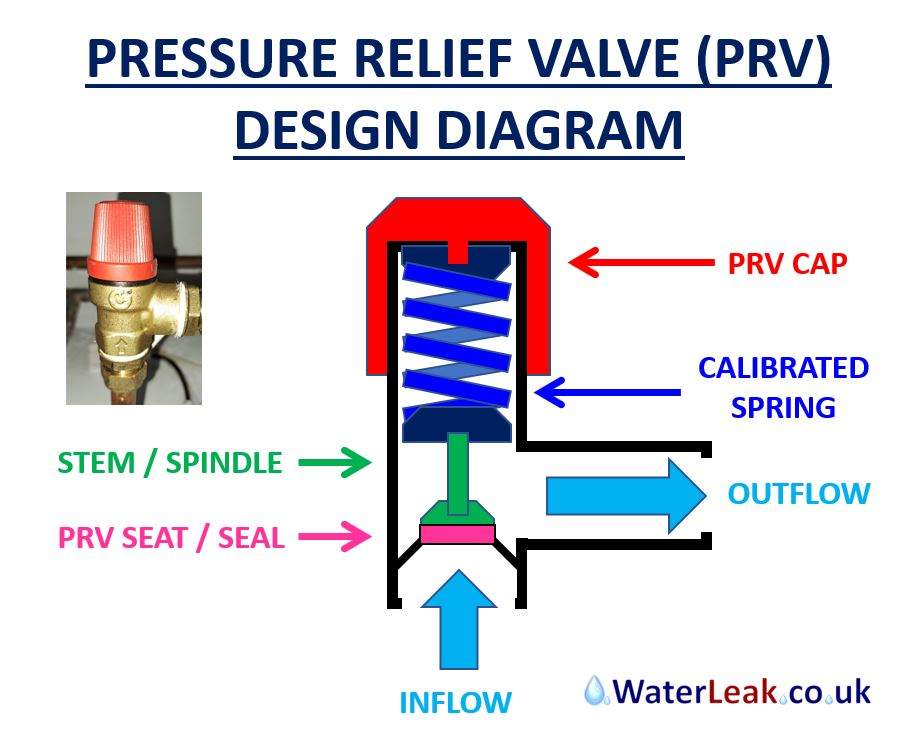
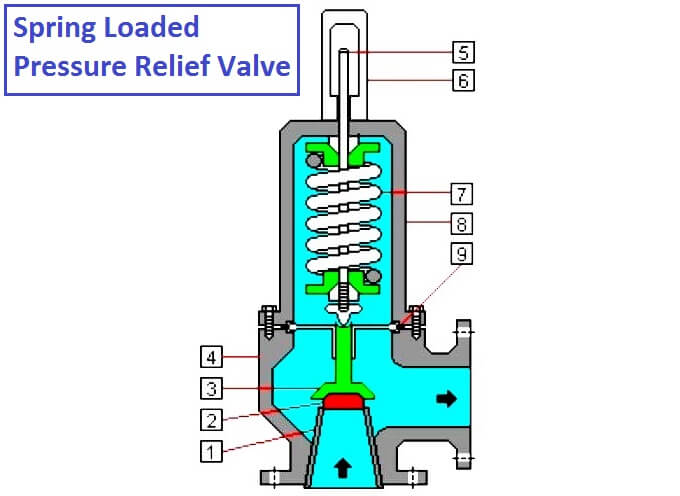
A PRV, also known as a safety valve, is designed to automatically release excess pressure within your heating or cooling system. Think of it as a safety net. When the pressure exceeds a pre-set limit, the valve opens to vent the excess, preventing potentially dangerous and costly damage to your equipment, especially your boiler or water heater.
What Does a PRV Look Like?
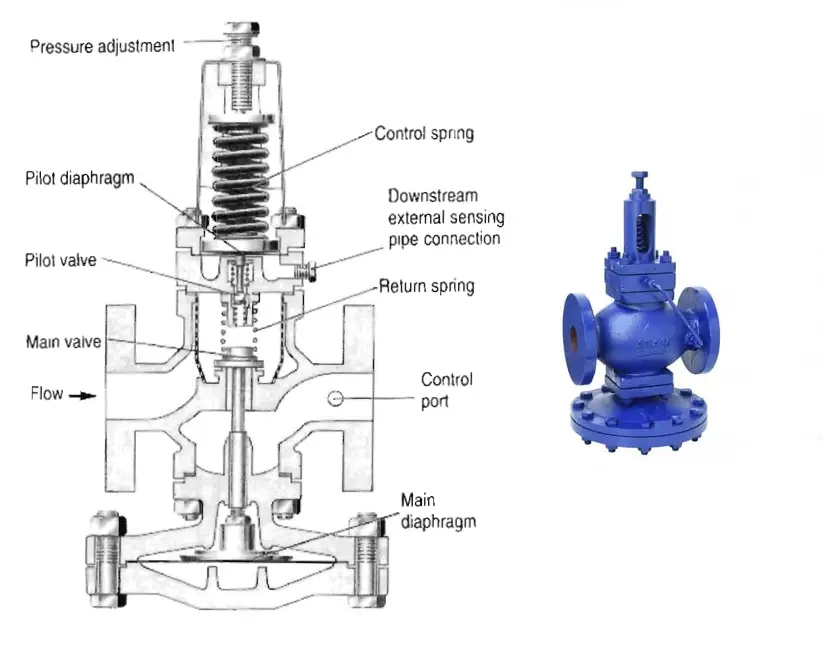
This is where things can get a bit tricky, as PRVs come in different shapes and sizes. However, there are common characteristics to look for:
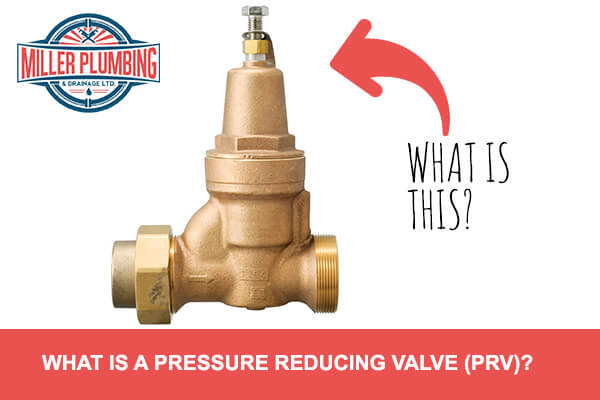
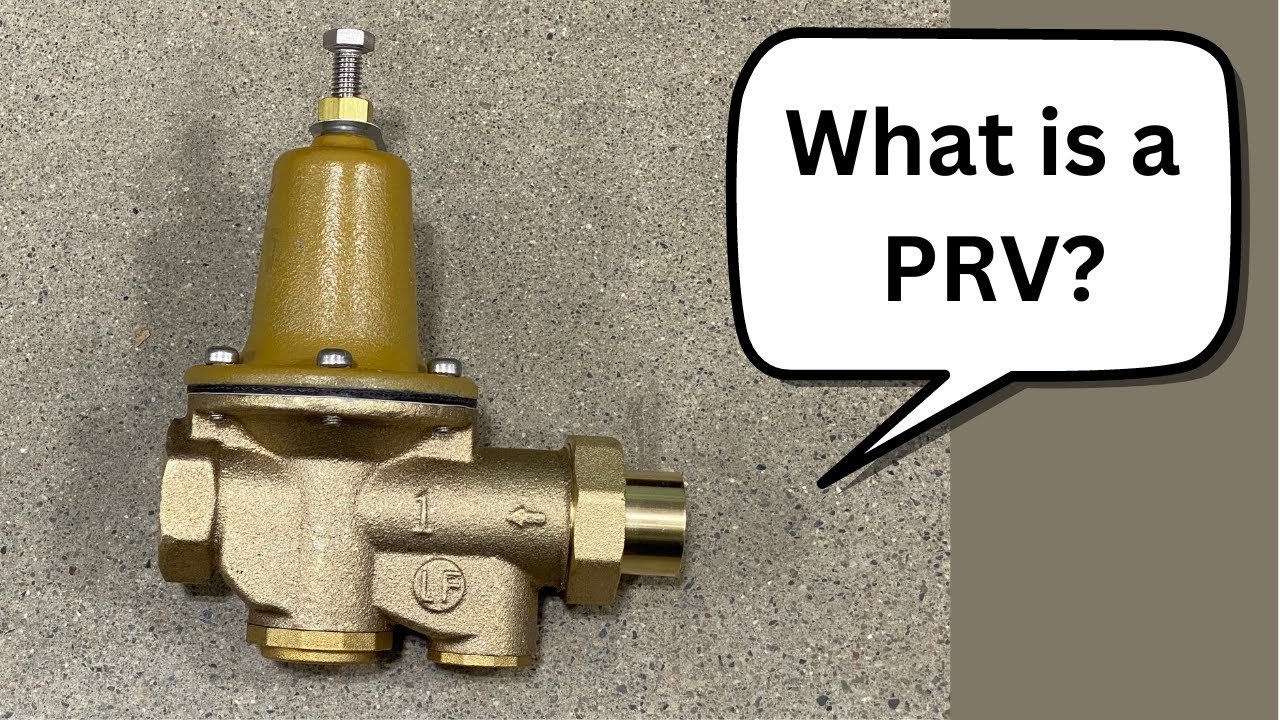
- Shape: Most PRVs are brass or bronze-colored and have a cylindrical or bell-shaped body.
- Location: You'll typically find them near your boiler, water heater, or expansion tank. They are connected to a pipe that usually runs downwards, often terminating near the floor.
- Lever or Handle: Many PRVs have a small lever or handle on top or on the side. This is used for manual testing. Important: Do not tamper with this lever unless you are following the testing procedure outlined later.
- Discharge Pipe: This is a crucial identifying feature. The discharge pipe is connected to the valve and allows excess pressure to safely escape, preventing scalding or other injuries. It should never be capped or blocked.
- Pressure Rating: Look for a stamped pressure rating on the body of the valve (e.g., 75 PSI, 100 PSI). This indicates the pressure at which the valve is designed to open.
Let's delve deeper into where to look for the PRV in common systems:
- Boilers: The PRV is usually located on the top or side of the boiler, often near the pressure gauge. It's connected to the boiler's water lines.
- Water Heaters: The PRV is typically located on the top of the water heater. It's essential to distinguish it from the temperature and pressure relief valve (T&P valve), which is a combined valve performing both temperature and pressure relief functions. While both valves serve similar safety purposes, they operate differently and are not interchangeable.
- Expansion Tanks: For closed-loop heating systems, the PRV may be located near the expansion tank.
Troubleshooting: Is Your PRV the Problem?
If you suspect a PRV issue, here's a step-by-step guide to help you diagnose the problem. Safety first! Before you begin, turn off the power to your boiler or water heater if possible and allow it to cool down to avoid burns. Never touch hot pipes or components.
Step 1: Observation (No Tools Required)
- Check for Leaks: This is the most obvious sign. Is water constantly dripping or flowing from the discharge pipe? A small drip immediately after the boiler or water heater runs might be normal, but continuous leaking indicates a problem. Look for signs of water damage around the valve or on the floor.
- Listen for Sounds: Do you hear hissing or whistling sounds coming from the valve area? This could indicate the valve is constantly releasing pressure.
- Inspect the Valve Body: Look for signs of corrosion, rust, or damage to the valve body. These can weaken the valve and prevent it from functioning correctly.
- Check the Pressure Gauge: If your boiler or water heater has a pressure gauge, check the reading. Is the pressure consistently above the recommended level? The recommended pressure is typically marked on the gauge itself. A consistently high reading suggests that the PRV is not working as it should.
Step 2: Manual Testing (Handle with Care - No Tools Required)
Caution: This step involves manually opening the PRV. Hot water could be released. Wear appropriate safety gear, such as gloves and eye protection. Ensure that the discharge pipe is directed away from people and valuables.
- Locate the Lever: Find the lever or handle on the PRV.
- Lift the Lever Briefly: Gently lift the lever to manually open the valve. Allow water to flow through the discharge pipe for a few seconds. This helps to flush out any debris that may be obstructing the valve seat.
- Release the Lever: Release the lever and observe the valve. It should snap closed and stop leaking. If the valve continues to leak after releasing the lever, it's likely faulty and needs replacement.
Important Considerations for Manual Testing:
- Frequency: Avoid testing the PRV too frequently (e.g., more than once a month). Excessive testing can wear out the valve and cause it to fail prematurely.
- Water Quality: If you have hard water, mineral deposits can accumulate inside the valve and prevent it from sealing properly. In such cases, manual testing might temporarily alleviate the problem but won't solve the underlying issue.
- Discharge Pipe Condition: Before testing, ensure the discharge pipe is clear of any obstructions. A blocked discharge pipe can cause pressure to build up and potentially damage the system.
Step 3: Further Investigation (Requires Basic Equipment)
These steps require some basic tools and a bit more technical knowledge. If you're uncomfortable performing these steps, it's best to call a qualified HVAC technician.
- Pressure Testing with a Gauge: You can use a pressure gauge to accurately measure the pressure in your system. Connect the gauge to a suitable test port on your boiler or water heater. Compare the reading with the PRV's pressure rating. If the pressure exceeds the rating, the PRV should be opening. If it's not, the valve is definitely faulty.
- Checking for Backflow: Sometimes, pressure problems can be caused by backflow from the municipal water supply. A backflow preventer, if installed, should be checked to ensure it's functioning correctly. This requires specialized tools and knowledge and is best left to a professional.
- Expansion Tank Inspection: A failing expansion tank can also cause pressure fluctuations. You can check the tank's air charge using a tire pressure gauge. The pressure should typically match the static water pressure in your system (around 12-15 PSI). If the tank is waterlogged or the pressure is significantly off, it needs to be recharged or replaced.
DIY Actions You Can Take (With Caution)
Based on your diagnosis, here are some simple DIY actions you can consider:
- Flushing the Valve (Following Manual Testing Procedure): If the valve is only slightly leaking, manually flushing it a few times might dislodge any debris and restore its proper function.
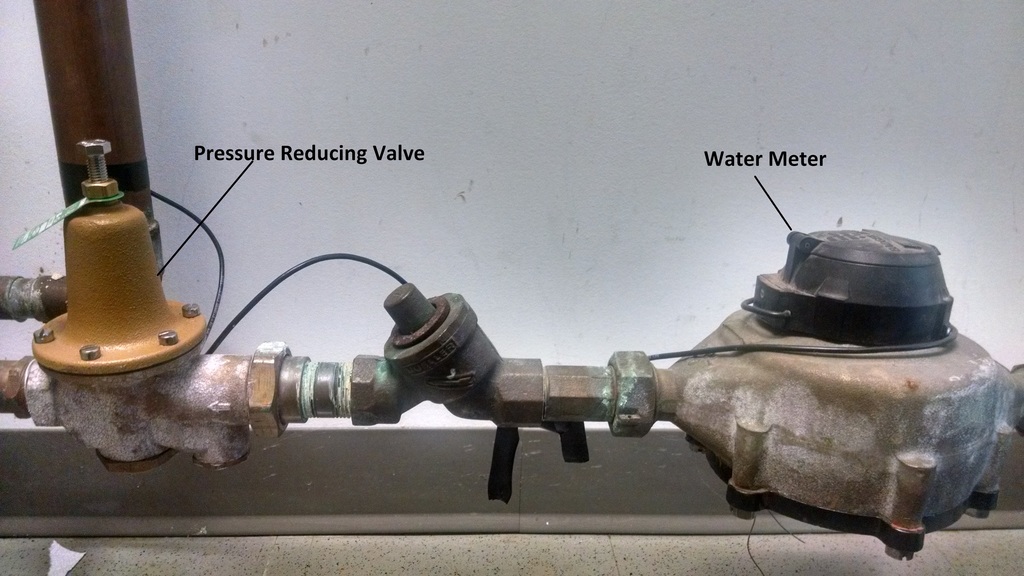
- Adjusting Water Pressure (If Applicable): If your home's water pressure is excessively high, installing a pressure reducing valve (PRV) on the main water line can help prevent over-pressurization in your heating system. This is a more involved project and might require professional assistance.
When to Call a Professional
Do not attempt these repairs yourself! The following situations warrant an immediate call to a qualified HVAC technician:
- Persistent Leaking: If the PRV continues to leak after manual testing, it needs to be replaced. Replacing a PRV involves working with pressurized water and requires proper tools and expertise. Incorrect installation can lead to leaks, damage, or even injury.
- High Pressure Readings: If the pressure gauge consistently reads above the PRV's rating, even after flushing the valve, there could be a more serious underlying problem with your heating system, such as a malfunctioning pressure regulator or a faulty expansion tank. These issues require professional diagnosis and repair.
- No Hot Water: If you have no hot water and suspect the PRV is the cause (e.g., it's constantly releasing pressure), don't attempt to repair it yourself. This could indicate a more complex problem with your water heater.
- Unfamiliar System: If you're not comfortable working with plumbing or electrical components, or if you're unsure about any step in the troubleshooting process, it's always best to err on the side of caution and call a professional.
- Corroded or Damaged Valve: If the valve body is heavily corroded or damaged, it's unsafe to attempt any repairs. The valve could fail completely, leading to a sudden release of pressure and potential injury.
Preventive Maintenance
Regular preventive maintenance can help extend the life of your PRV and prevent potential problems. Consider these tips:
- Annual Inspection: Have your HVAC system inspected annually by a qualified technician. They can check the PRV, pressure gauge, and other components to ensure they are functioning correctly.
- Water Quality: If you have hard water, consider installing a water softener to reduce mineral buildup in your heating system.
- Flush the Valve (Infrequently): As described earlier, periodically flushing the valve (following the manual testing procedure) can help to remove debris and prevent it from sticking.
In conclusion, understanding what a PRV looks like and how it functions is crucial for maintaining the safety and efficiency of your home's heating or cooling system. By following the troubleshooting steps outlined in this article, you can identify potential problems early and take appropriate action. Remember to prioritize safety and call a professional when in doubt. With a little knowledge and preventive maintenance, you can keep your system running smoothly for years to come.