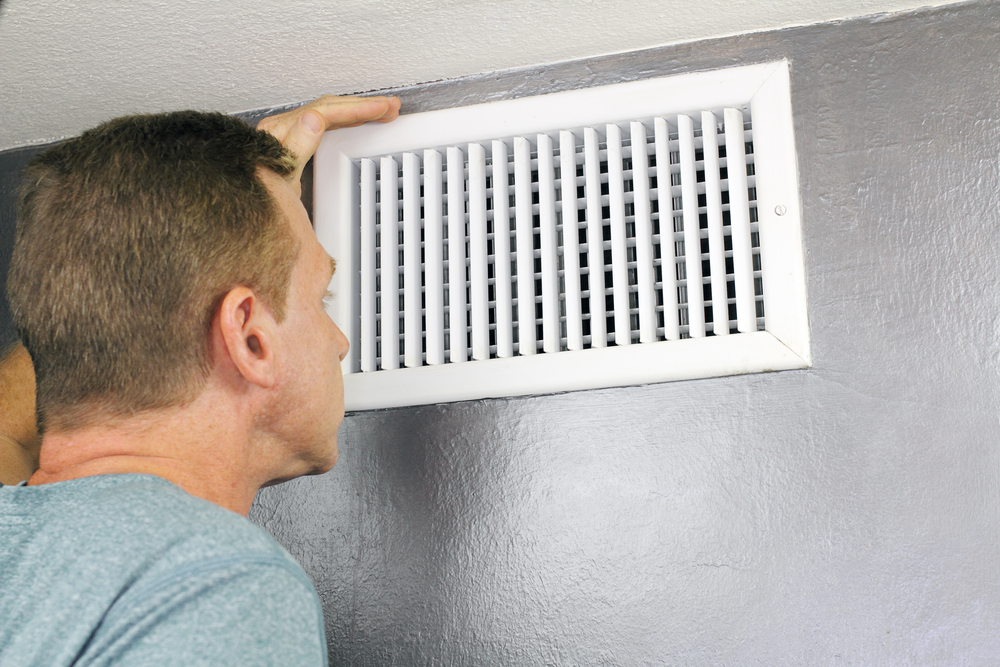
What Does A Return Vent Look Like

Understanding the different components of your home's heating, ventilation, and air conditioning (HVAC) system is crucial for maintaining a comfortable and efficient living environment. One often-overlooked part of this system is the return vent. While supply vents (those that blow air into a room) are typically more noticeable, return vents play an equally important role. This guide will help you identify return vents, understand their function, and troubleshoot common issues.
What Exactly is a Return Vent?
A return vent, also known as a return air grille, is essentially the intake point for your HVAC system. Its primary function is to draw air from your home back to the furnace or air conditioner to be reconditioned. Think of it as the 'lungs' of your HVAC system, inhaling air to be processed. This process ensures that the air in your home is constantly circulating and being filtered, contributing to better air quality and temperature consistency.
Unlike supply vents, which actively push conditioned air into a room, return vents passively pull air in. They don't have adjustable louvers to direct airflow because their purpose is simply to allow air to flow back to the HVAC unit.
Identifying a Return Vent: Key Features
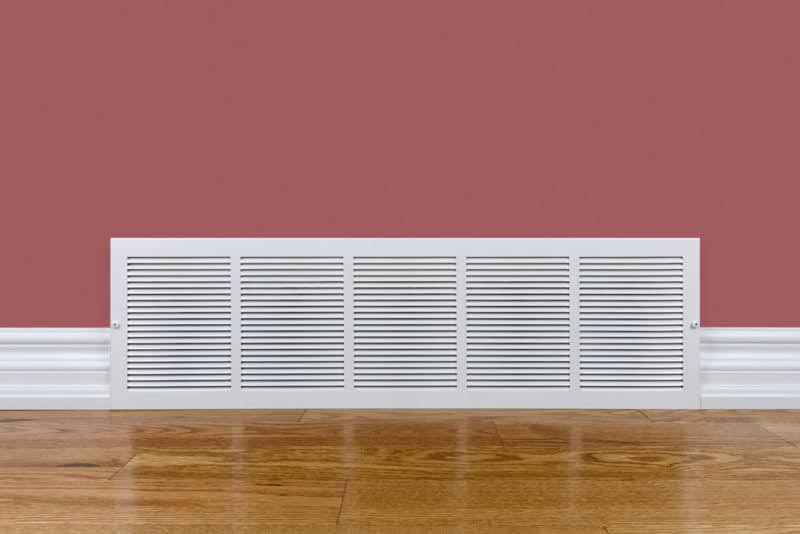
Return vents can vary in size and style, but they share some common characteristics that can help you identify them:
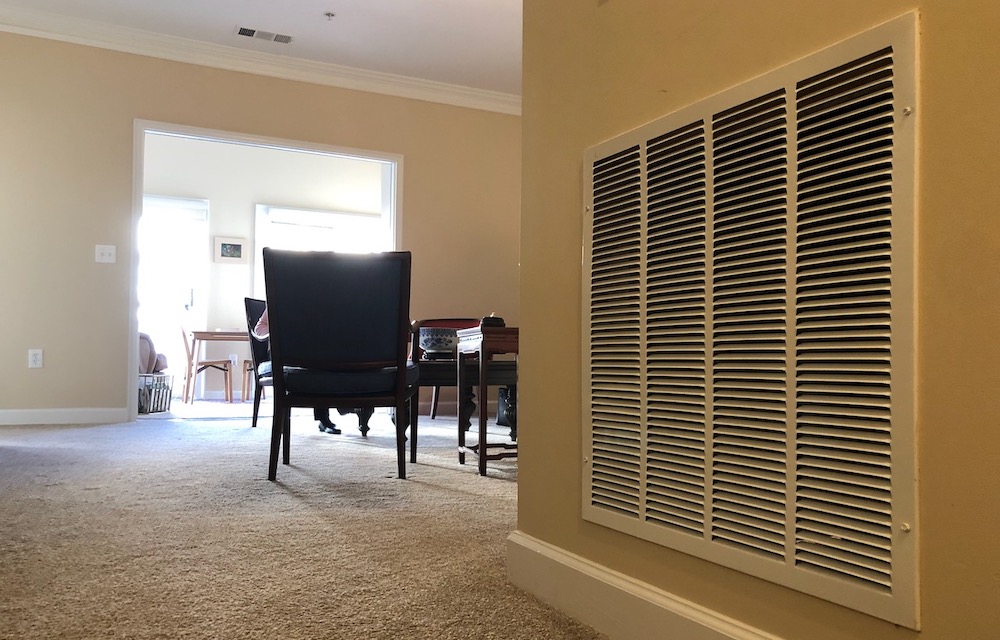
- Location: Return vents are typically located in central areas of your home, such as hallways, near stairwells, or in large open rooms. They are often positioned high on walls or on ceilings. Unlike supply vents that are found in most rooms, return vents are often limited to 1-2 per floor.
- Size: Return vents are generally larger than supply vents. This is because they need to accommodate a larger volume of air flowing back to the HVAC system. The larger size allows for more efficient air intake.
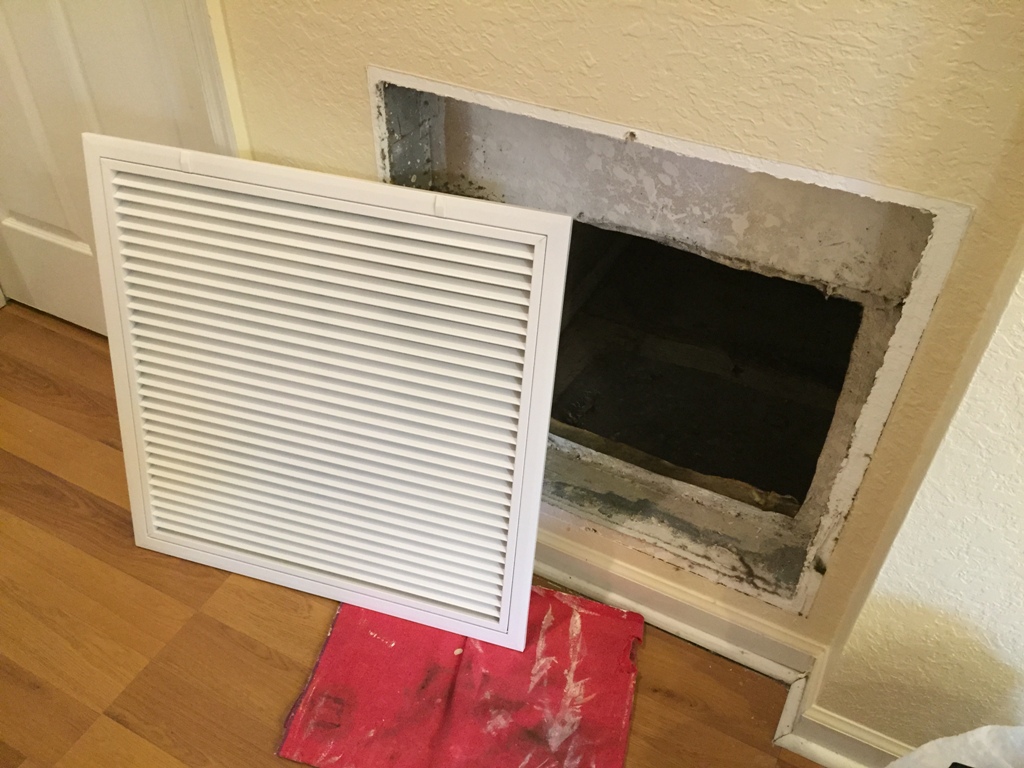
- Grille Design: The grille on a return vent usually has a simple, open design with widely spaced slots or holes. This design allows for unobstructed airflow. You won't typically find adjustable dampers or louvers on a return vent.
- Filter Presence: Some return vents, particularly those located near the furnace or air handler, may house an air filter directly behind the grille. This filter helps trap dust, pollen, and other particles before they enter the HVAC system, protecting its components and improving air quality.
- No Airflow: Unlike supply vents, you typically won't feel a strong blast of air coming *out* of a return vent. Instead, you might feel a gentle suction if you hold your hand near it. The airflow is *into* the vent.
To summarize, look for a large grille, often centrally located, with a simple design and no adjustable airflow direction. If you feel a slight pull of air when you place your hand near it, it's likely a return vent.
Why Return Vents are Important
Return vents are essential for the efficient operation of your HVAC system. Here's why:
- Air Circulation: Return vents ensure that air is constantly circulating throughout your home. Without them, the HVAC system would only be conditioning the air in the immediate vicinity of the unit, leading to uneven temperatures and poor air quality in other areas.
- System Efficiency: Proper air circulation allows the HVAC system to operate more efficiently. When air can easily return to the unit, it doesn't have to work as hard to maintain the desired temperature, reducing energy consumption and lowering utility bills.
- Air Quality: Return vents, especially those with filters, help improve indoor air quality by removing dust, pollen, and other allergens from the air. This is particularly important for people with allergies or respiratory problems.
- Preventing Negative Pressure: Without adequate return air, your home can develop negative pressure. This means that the air pressure inside your home is lower than the air pressure outside. Negative pressure can cause drafts, make doors difficult to open or close, and even pull pollutants into your home from cracks and crevices.
Imagine this: Your HVAC system is a heart, and the ductwork is its veins and arteries. Supply vents are like arteries, delivering fresh, oxygenated 'air' (conditioned air) to your body (home). Return vents are like veins, bringing deoxygenated 'air' (unconditioned air) back to the heart (HVAC system) to be re-oxygenated (reconditioned).
Troubleshooting Common Issues with Return Vents
Although return vents are relatively simple devices, they can sometimes experience problems that can affect the performance of your HVAC system. Here are some common issues and how to address them:
Blocked Return Vents
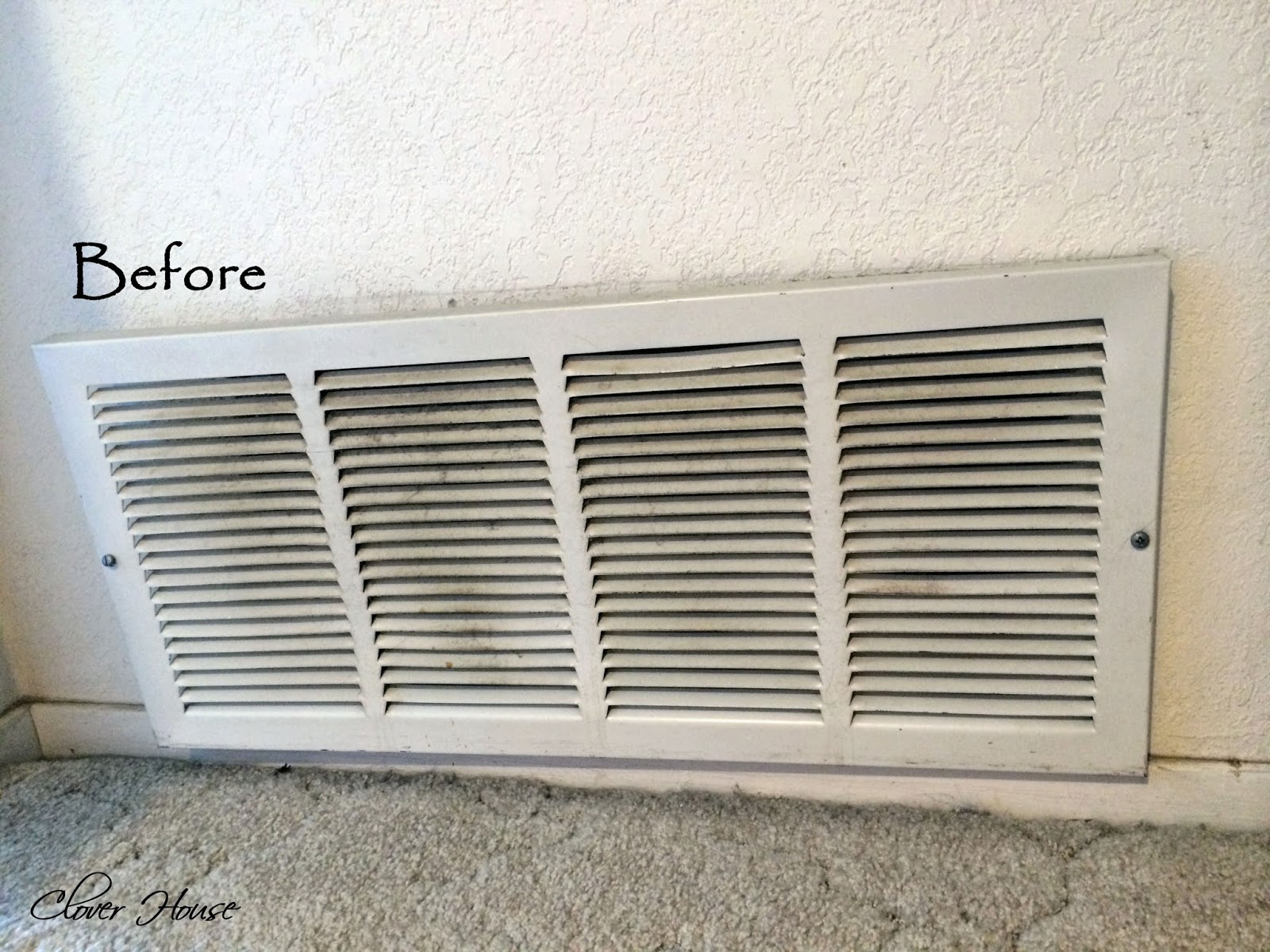
A blocked return vent is a common problem that can significantly reduce the efficiency of your HVAC system. This can happen if furniture, rugs, or other objects are placed in front of the vent, obstructing airflow.
Solution: Ensure that all return vents are clear of obstructions. Move any furniture or objects that are blocking the vent. Regularly check the vents to make sure they remain clear.
Dirty Air Filters
If your return vent has an air filter, it's important to replace it regularly. A dirty air filter can restrict airflow, making the HVAC system work harder and reducing its efficiency. It can also lead to poor air quality and even damage the HVAC unit.
Solution: Check the air filter regularly and replace it every 1-3 months, or more often if you have pets or allergies. Use a high-quality filter that is appropriate for your HVAC system. The frequency of changing the filter can also depend on the type of filter used.
Leaky Ductwork
Leaky ductwork can also affect the performance of return vents. If the ductwork connected to the return vent has leaks, it can draw air from unconditioned spaces, such as attics or crawl spaces, instead of from the living areas of your home. This can lead to uneven temperatures and increased energy bills.
Solution: Inspect the ductwork for leaks and seal any cracks or holes with duct tape or mastic sealant. Consider hiring a professional HVAC technician to inspect and seal the ductwork for optimal efficiency.
Incorrectly Sized Return Vents
In some cases, the return vents may be incorrectly sized for the HVAC system. If the return vents are too small, they won't be able to provide enough airflow to the unit, causing it to work harder and less efficiently. Conversely, if the vents are too large, then the air flow balance can be disrupted.
Solution: Consult with a qualified HVAC technician to determine if the return vents are the correct size for your HVAC system. If necessary, they can recommend replacing the vents with larger or smaller ones.
Stuck Dampers (if applicable)
While less common in standard return vents, some systems may have dampers within the return ductwork to balance airflow. If these dampers get stuck closed or partially closed, it can restrict airflow and affect the performance of the system.
Solution: Check the dampers to ensure they are functioning properly. If they are stuck, try to loosen them or lubricate the hinges. If you are unable to resolve the issue, contact an HVAC technician for assistance.
Return Vent Maintenance Tips
To keep your return vents functioning properly and ensure the efficient operation of your HVAC system, follow these maintenance tips:
- Regularly check and clean the return vents. Remove any dust, debris, or obstructions that may be blocking airflow.
- Replace the air filter regularly, as recommended by the manufacturer.
- Inspect the ductwork for leaks and seal any cracks or holes.
- Consider having your HVAC system professionally inspected and maintained annually.
- Avoid blocking return vents with furniture or other objects.
Remember, a well-maintained HVAC system, including properly functioning return vents, will provide you with a more comfortable and energy-efficient home.
When to Call a Professional
While many return vent issues can be resolved with simple troubleshooting and maintenance, there are times when it's best to call a professional HVAC technician. Consider contacting a professional if:
- You are unable to identify the cause of the problem.
- You are uncomfortable working with electrical or mechanical components.
- You suspect that there is a problem with the ductwork or the HVAC unit itself.
- You are experiencing significant temperature imbalances in your home.
- Your energy bills are unusually high.
A qualified HVAC technician can diagnose and repair any issues with your return vents or HVAC system, ensuring that it is operating safely and efficiently.
By understanding what a return vent looks like, its purpose, and how to maintain it, you can contribute to the overall efficiency and comfort of your home. Regular maintenance and prompt attention to any issues will help ensure that your HVAC system is running smoothly for years to come.