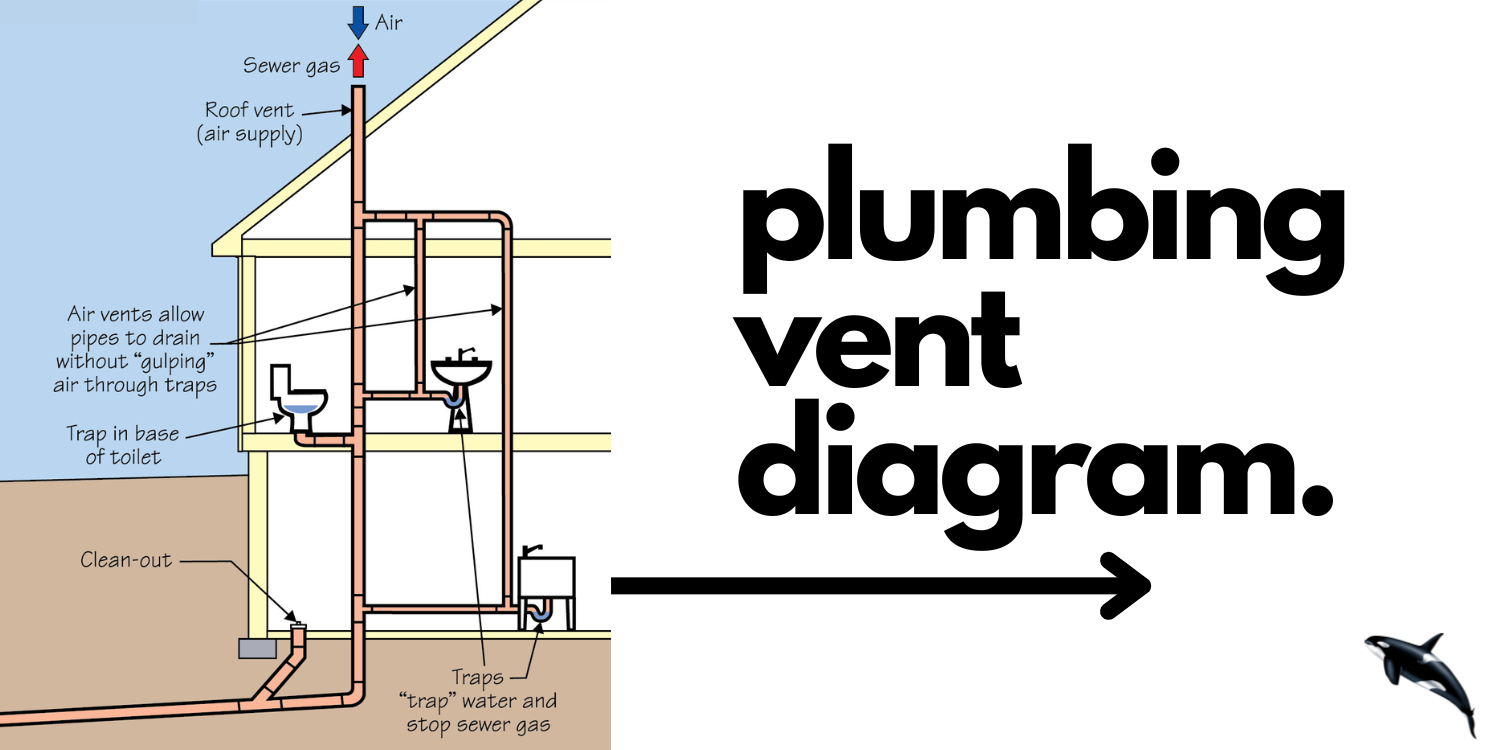
What Does A Vent Pipe Look Like
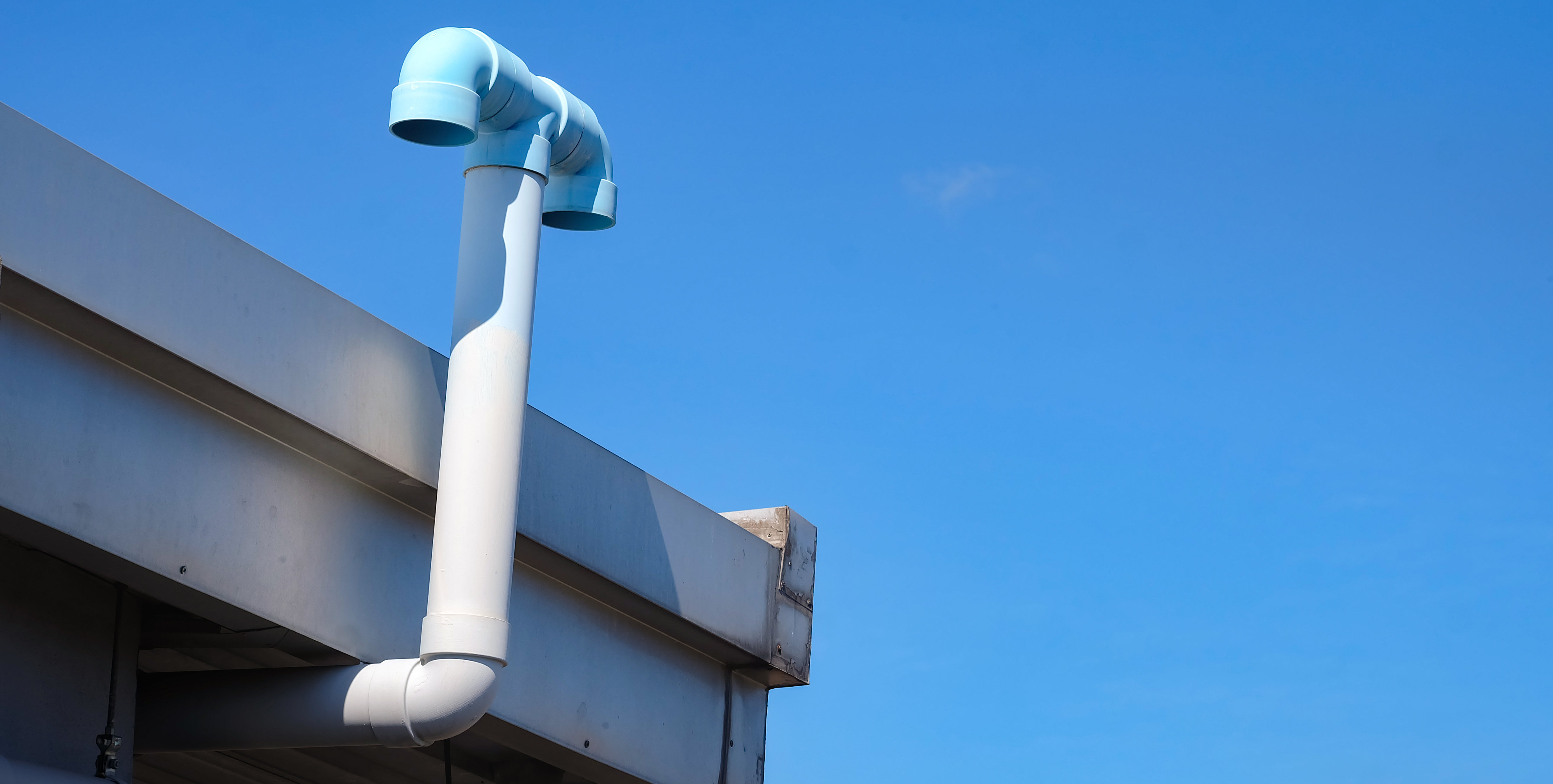
When delving into the world of HVAC (Heating, Ventilation, and Air Conditioning) systems, understanding the components, their function, and appearance is crucial. One often overlooked yet vital element is the vent pipe. This guide provides a comprehensive look at vent pipes, their purpose, different types, and what to consider when assessing or installing them.
What is a Vent Pipe and Why is it Important?
A vent pipe, in the context of HVAC systems, is a crucial component responsible for safely exhausting combustion byproducts from fuel-burning appliances such as furnaces, boilers, and water heaters. These byproducts include dangerous gases like carbon monoxide, which is odorless and potentially lethal. The vent pipe ensures these gases are safely expelled outdoors, preventing them from accumulating inside your home. A properly functioning vent pipe is paramount for the health and safety of your family.
Key Functions of a Vent Pipe:
- Carbon Monoxide Removal: This is the primary function – safely venting carbon monoxide.
- Moisture Removal: Combustion also produces water vapor, which can condense inside the vent pipe and cause corrosion if not properly managed.
- Draft Regulation: The vent pipe helps create a draft that allows the appliance to burn fuel efficiently.
Types of Vent Pipes: A Visual Guide
Vent pipes come in various materials and configurations, each designed for specific applications and fuel types.
1. Metal Vent Pipes:
Metal vent pipes are the most common and come in several sub-types:
Single-Wall Metal Vent Pipe:
This is the most basic type, constructed from a single layer of metal, usually galvanized steel or aluminum. It’s typically used for venting appliances that produce relatively low exhaust temperatures, such as some older natural gas furnaces. Single-wall pipes are generally less expensive but are more prone to condensation and corrosion. They are typically not used for modern high-efficiency systems.
Double-Wall Metal Vent Pipe (Type B Vent):
Type B vent pipes feature two layers of metal with an air gap in between, providing better insulation and reducing the risk of condensation. They are commonly used for venting natural gas and propane appliances like furnaces, boilers, and water heaters. The double-wall construction also reduces the surface temperature of the pipe, making it safer to the touch. Look for listings by UL (Underwriters Laboratories) or similar safety organizations.
Stainless Steel Vent Pipe:
Stainless steel vent pipes are the most durable and corrosion-resistant option. They are often used for venting high-efficiency appliances that produce acidic condensate, such as condensing furnaces and boilers. Stainless steel can withstand the corrosive effects of the condensate better than other materials, ensuring a longer lifespan. This is a premium option, often requiring a higher initial investment, but the long-term benefits are considerable.
Special Gas Vent (Type BH Vent):
Similar to Type B vent but designed for appliances that have a higher vent temperature rating.
2. Plastic Vent Pipes:
Plastic vent pipes are a newer option, specifically designed for high-efficiency condensing furnaces and boilers. These appliances produce cooler exhaust temperatures, allowing the use of plastic materials.
PVC (Polyvinyl Chloride) Vent Pipe:
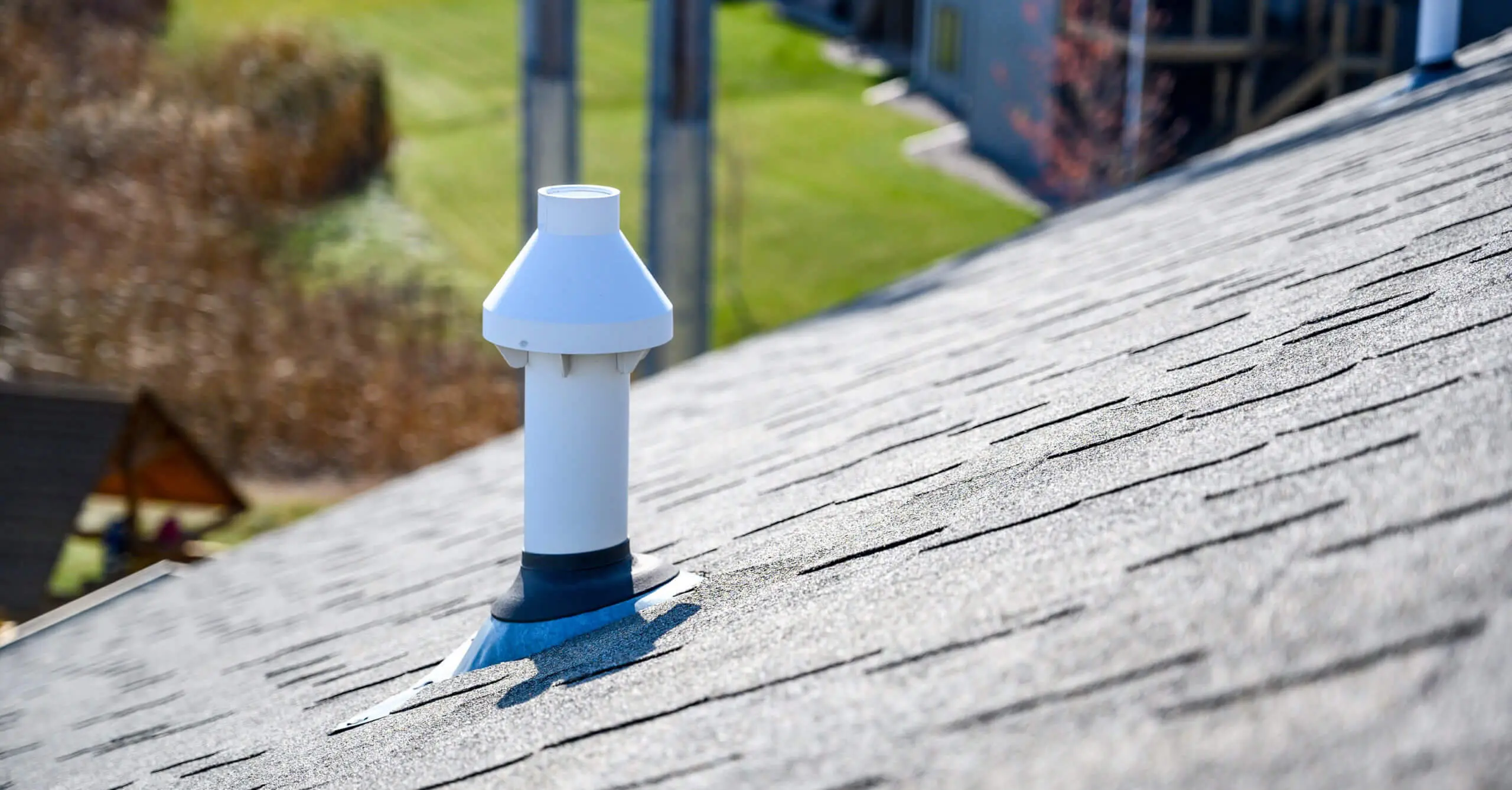
PVC is a common type of plastic vent pipe, known for its affordability and resistance to corrosion. It is typically white or gray in color and is used for venting high-efficiency furnaces and boilers. PVC vent pipes must be installed according to the manufacturer's instructions and local codes to ensure proper performance and safety. Look for the ASTM (American Society for Testing and Materials) standards compliance marking.
CPVC (Chlorinated Polyvinyl Chloride) Vent Pipe:
CPVC is similar to PVC but can withstand higher temperatures. It is often used for venting water heaters and other appliances that produce slightly warmer exhaust. CPVC is typically orange or yellow in color and is also installed according to manufacturer's instructions and local codes.
Visual Cues for Identifying Vent Pipe Types:
- Material: Metal (galvanized steel, aluminum, stainless steel) or plastic (PVC, CPVC).
- Color: Galvanized steel is silver, aluminum is dull gray, stainless steel is shiny silver, PVC is white or gray, and CPVC is orange or yellow.
- Construction: Single-wall or double-wall.
- Markings: Look for markings indicating the type of vent pipe (e.g., "Type B," "PVC," "CPVC") and the manufacturer's name.
Vent Pipe Installation and Safety Considerations
Proper vent pipe installation is crucial for the safe and efficient operation of your HVAC system. Improper installation can lead to carbon monoxide poisoning, fire hazards, and reduced appliance efficiency. Always hire a qualified HVAC technician to install or inspect your vent pipe.
Key Installation Considerations:
- Proper Slope: The vent pipe should have a slight upward slope to allow condensate to drain back into the appliance.
- Secure Connections: All connections should be properly sealed to prevent leaks.
- Clearance from Combustible Materials: The vent pipe should be installed with adequate clearance from combustible materials such as wood and insulation.
- Proper Support: The vent pipe should be properly supported to prevent sagging or damage.
- Termination Point: The vent pipe should terminate outdoors in a location that allows for proper ventilation and prevents exhaust from re-entering the building.
Safety Tips:
- Regular Inspections: Have your vent pipe inspected annually by a qualified HVAC technician.
- Carbon Monoxide Detectors: Install carbon monoxide detectors on every level of your home, especially near sleeping areas.
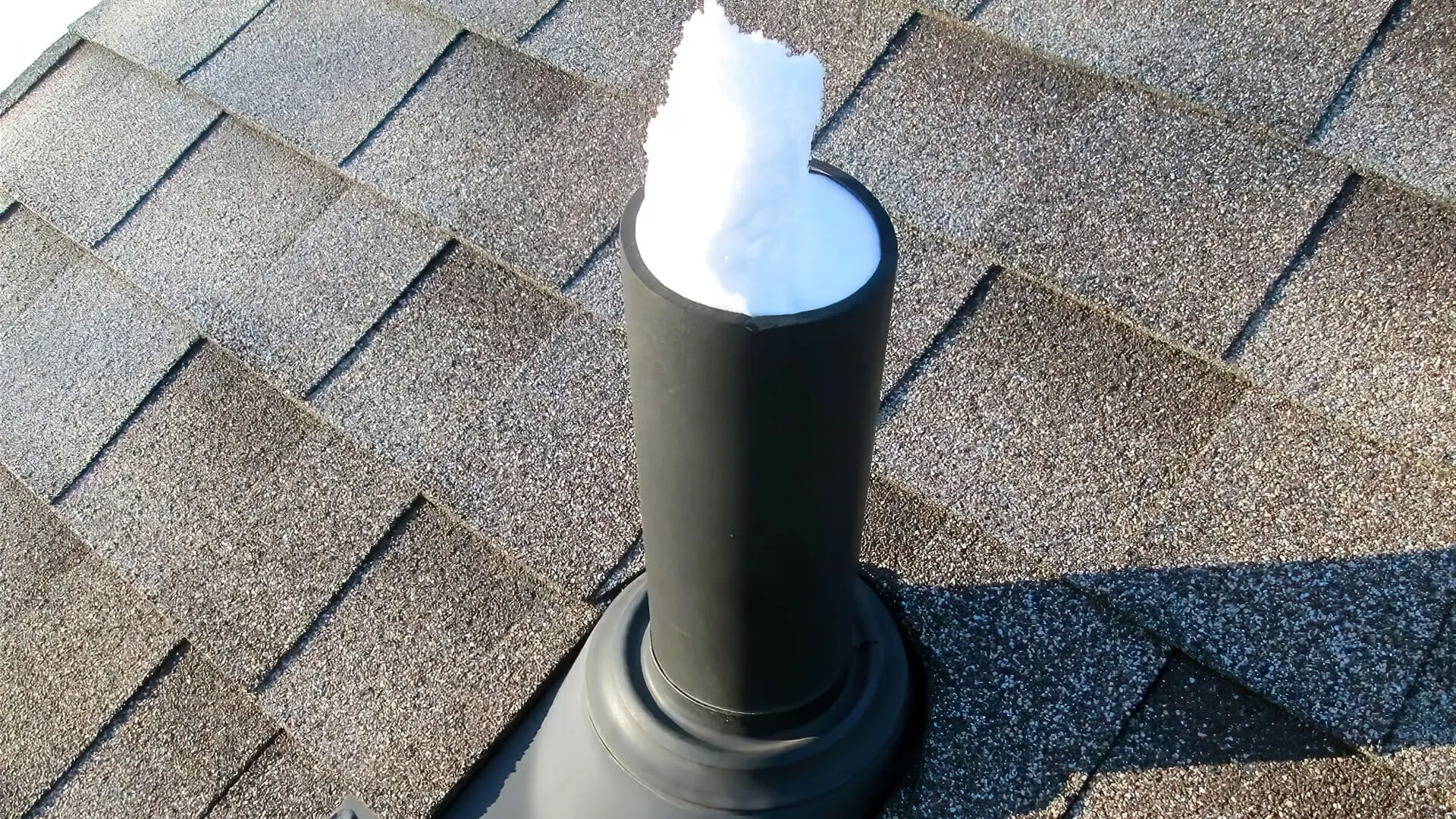
- Never Block or Obstruct the Vent Pipe: Ensure the vent pipe is free from obstructions such as snow, ice, or debris.
- Address Any Issues Promptly: If you notice any signs of damage or corrosion on your vent pipe, have it repaired or replaced immediately.
Comparing Popular HVAC Brands and Venting Requirements
Different HVAC brands and models have specific venting requirements. Here's a brief overview:
- Carrier: Offers a wide range of furnaces, boilers, and water heaters with varying venting requirements. High-efficiency models typically require PVC or CPVC venting. Always refer to the manufacturer's specifications for the specific model. Carrier's Infinity series furnaces often boast high AFUE (Annual Fuel Utilization Efficiency) ratings, necessitating proper PVC venting for optimal performance.
- Lennox: Known for its innovative HVAC technology, Lennox also offers a variety of venting options. High-efficiency furnaces may require special venting kits or materials. Their Signature Collection requires careful consideration of vent pipe diameter and material based on furnace BTU output.
- Trane: Trane's HVAC systems are known for their durability and reliability. Venting requirements vary depending on the model. Ensure the vent pipe is compatible with the appliance's fuel type and exhaust temperature. Trane's products often feature detailed venting diagrams in their installation manuals.
When selecting a new HVAC system, consider the venting requirements of the appliance and ensure that the vent pipe is properly installed and maintained. Consulting with a qualified HVAC technician is highly recommended.
AFUE, SEER, and HSPF Ratings: A Quick Guide
Understanding these ratings is crucial for choosing energy-efficient HVAC equipment.
- AFUE (Annual Fuel Utilization Efficiency): Measures the heating efficiency of furnaces and boilers. A higher AFUE rating indicates greater efficiency.
- SEER (Seasonal Energy Efficiency Ratio): Measures the cooling efficiency of air conditioners. A higher SEER rating indicates greater efficiency.
- HSPF (Heating Seasonal Performance Factor): Measures the heating efficiency of heat pumps. A higher HSPF rating indicates greater efficiency.
Warranties and Maintenance
HVAC systems typically come with warranties covering parts and labor. Read the warranty carefully to understand the coverage and any limitations. Regular maintenance, including vent pipe inspections, can help extend the lifespan of your system and prevent costly repairs.
Cost Considerations
The cost of vent pipes varies depending on the material, size, and installation complexity. Single-wall metal vent pipes are generally the least expensive, while stainless steel and plastic vent pipes are more expensive. Installation costs will also vary depending on the complexity of the job. Obtaining quotes from multiple HVAC contractors can help you find the best price.
Conclusion
Understanding vent pipes is an essential aspect of HVAC system maintenance and safety. By knowing the different types, installation requirements, and safety considerations, you can ensure your home is properly ventilated and protected from harmful combustion byproducts. Always consult with a qualified HVAC professional for any vent pipe related issues. Keep an eye on your SEER ratings and maintain all your systems for optimal performance.