What Does Ahu Mean In Hvac
Frequently Asked Questions: Understanding AHUs in HVAC Systems
Air handling units (AHUs) are a vital component of many heating, ventilation, and air conditioning (HVAC) systems, particularly in larger buildings. Understanding what an AHU is and what it does can help you better manage your building's climate control and ensure efficient operation. Here are some common questions about AHUs:
1. What exactly does AHU stand for in HVAC?
AHU stands for Air Handling Unit. It's a central piece of equipment in an HVAC system that conditions and circulates air. Think of it as the lungs of your building's climate control system.
2. What is the primary function of an AHU?
The primary function of an AHU is to take in outside air, condition it (heat, cool, humidify, or dehumidify), and then circulate it throughout a building. It plays a crucial role in maintaining comfortable and healthy indoor air quality.
To elaborate, an AHU performs several key functions:
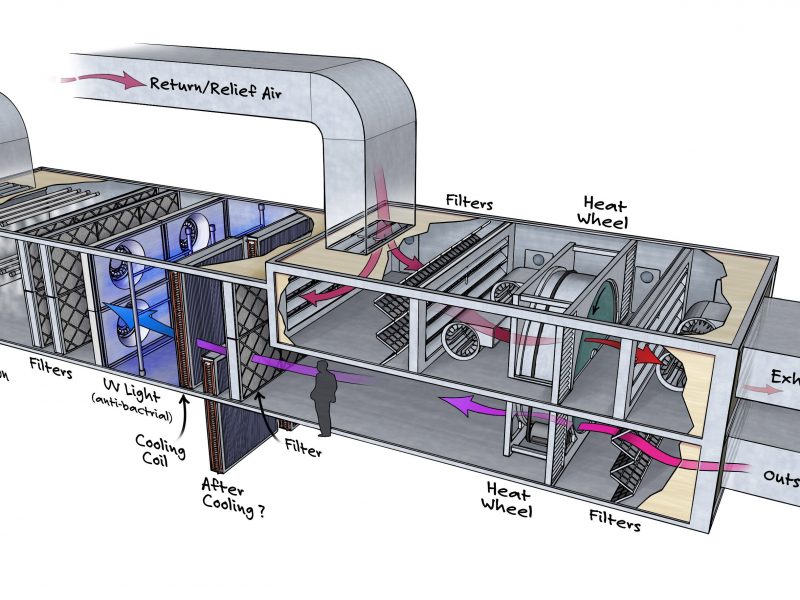
- Air Intake: Draws in fresh outside air and/or recirculates air from within the building.
- Air Filtration: Removes dust, pollen, and other particulate matter from the air to improve air quality.
- Air Conditioning (Heating & Cooling): Heats or cools the air using heating coils (often heated by hot water or steam) or cooling coils (often using chilled water or refrigerant).
- Humidity Control: Humidifies or dehumidifies the air to maintain a comfortable humidity level.
- Air Circulation: Circulates the conditioned air through ductwork to various zones within the building.
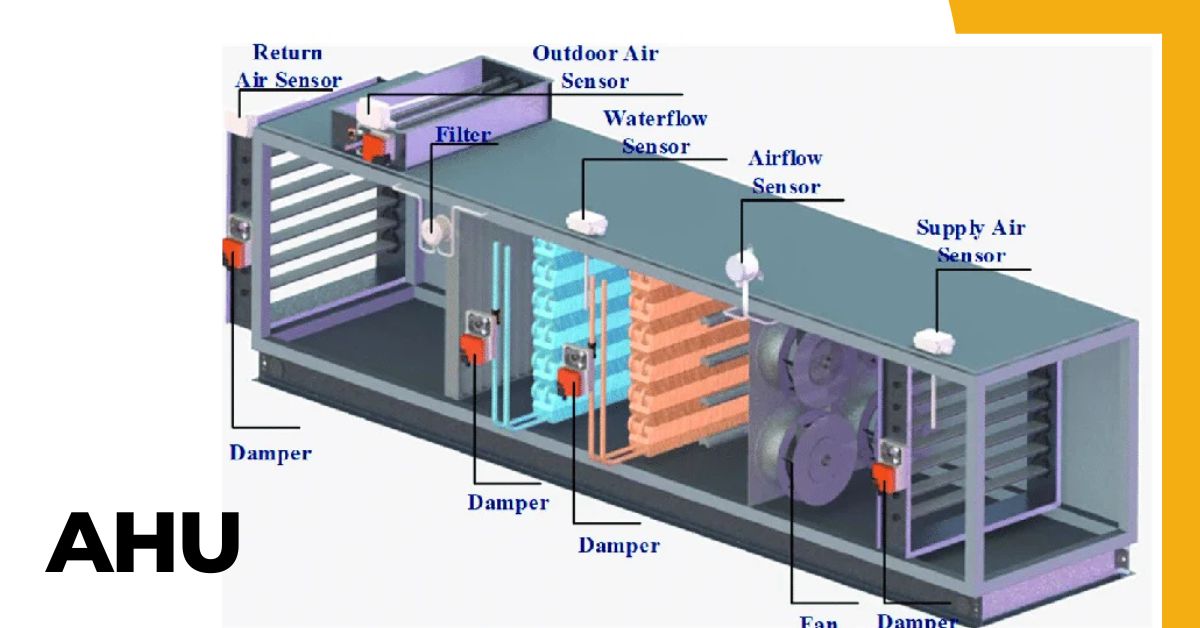
3. What are the main components of a typical AHU?
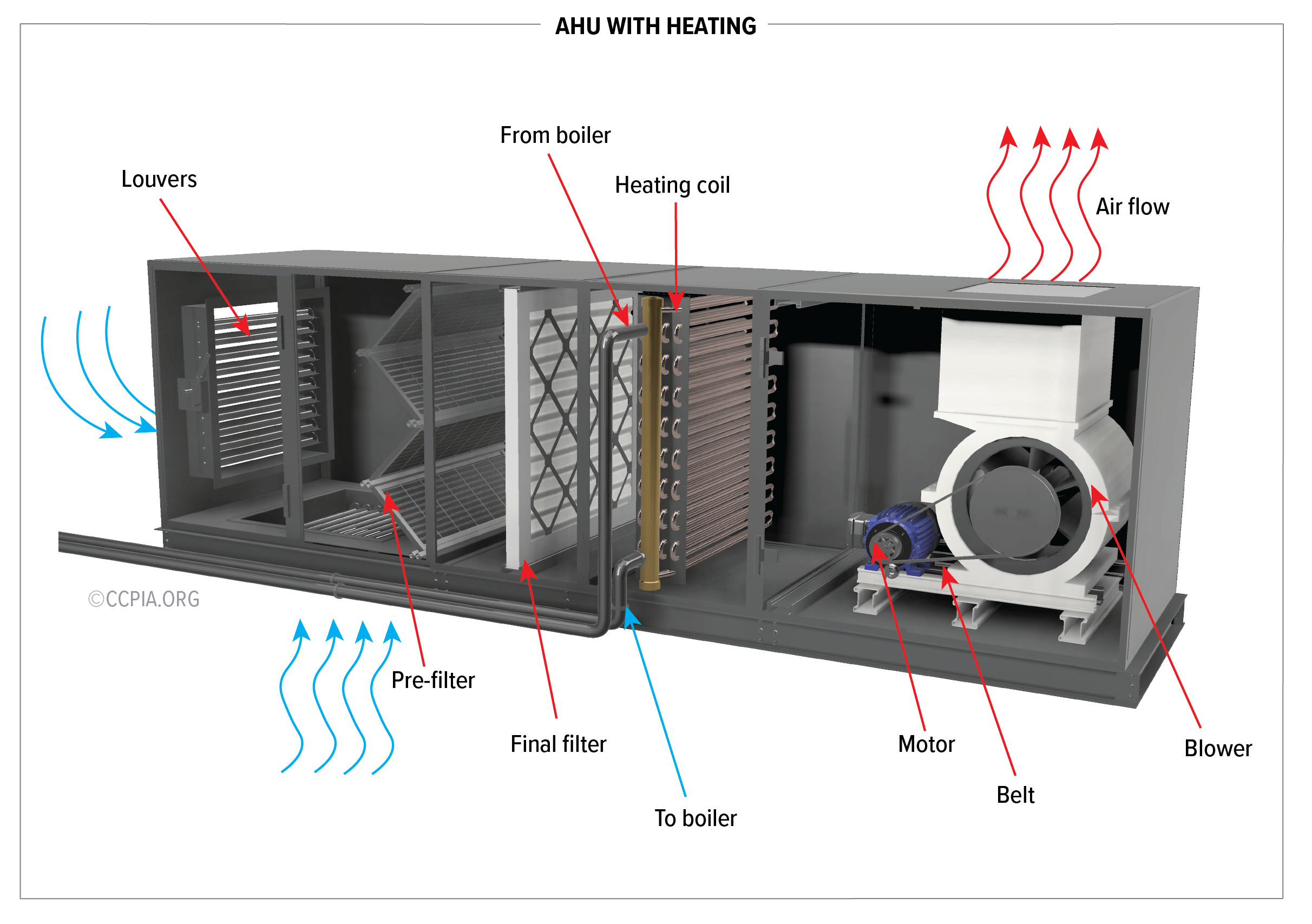
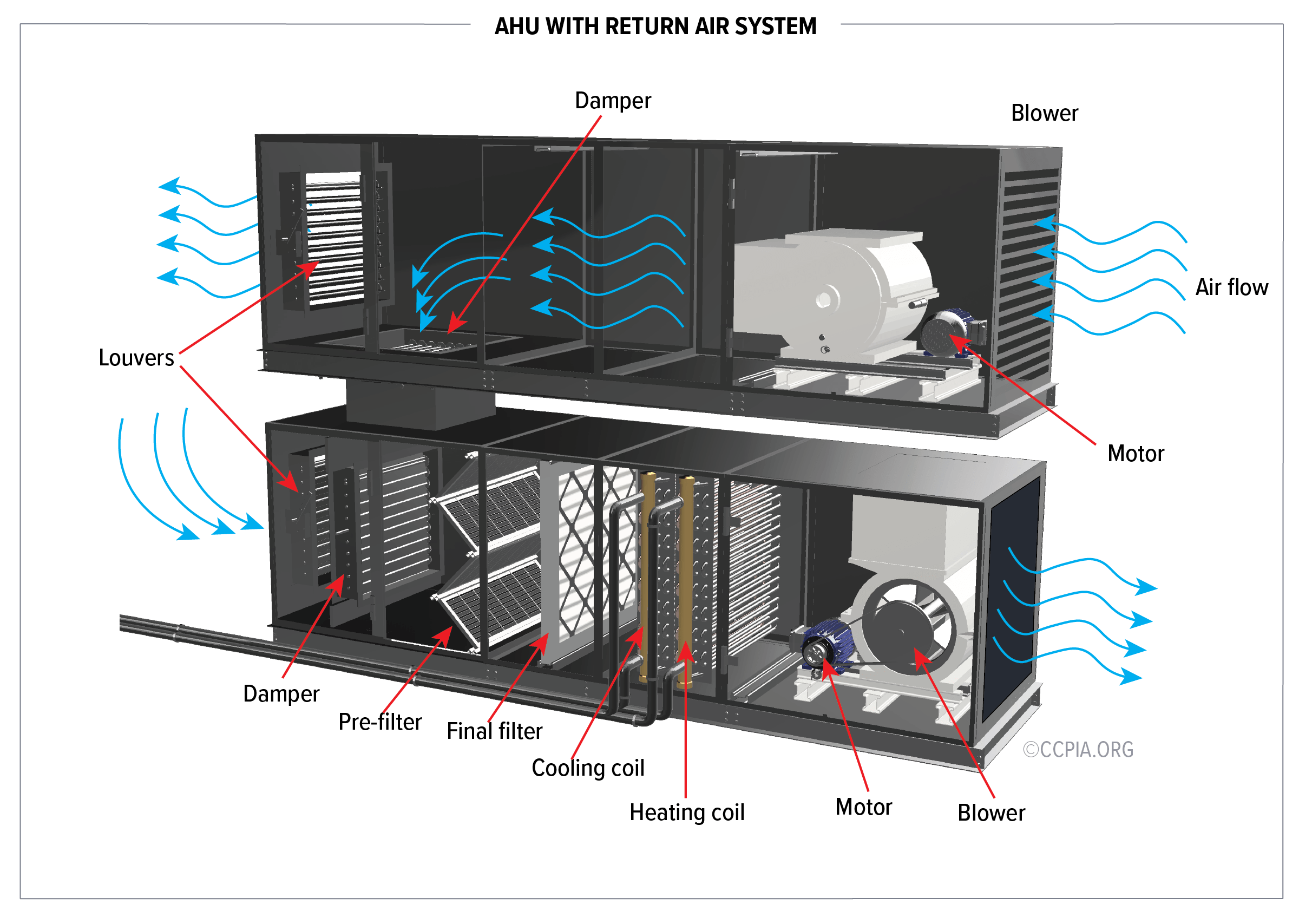
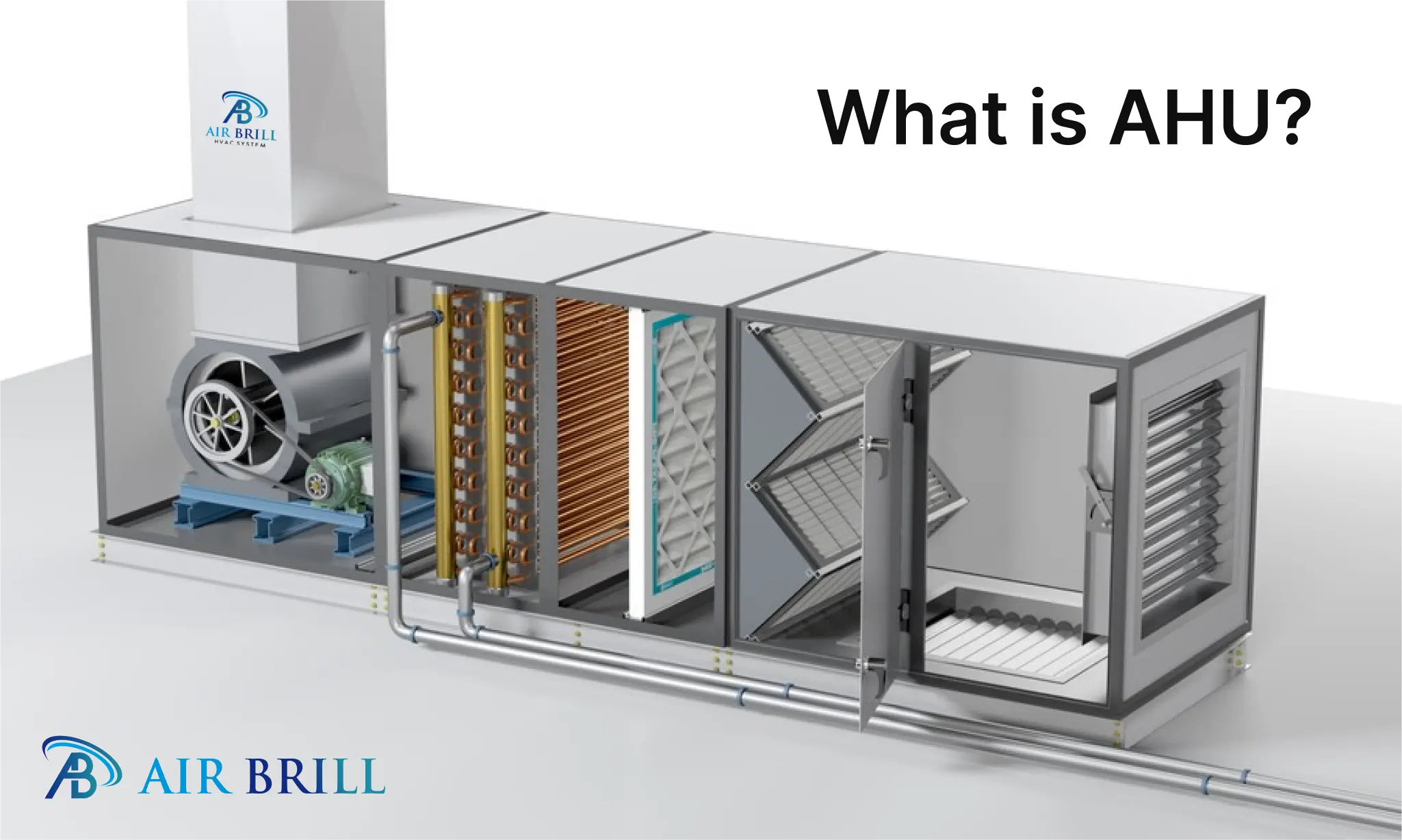
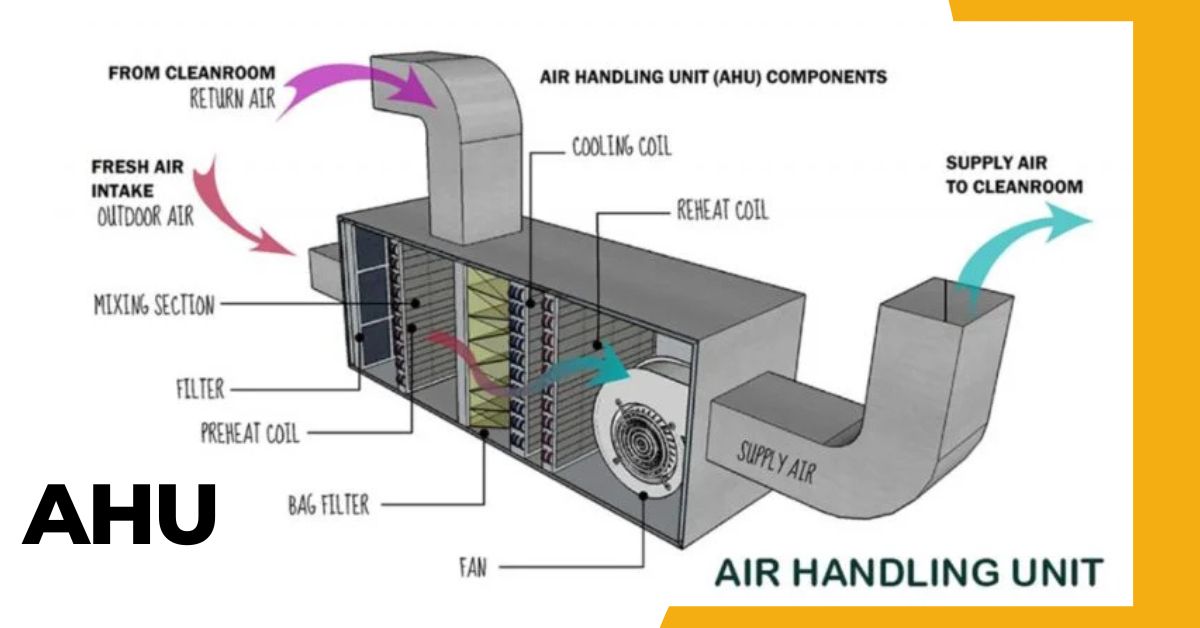
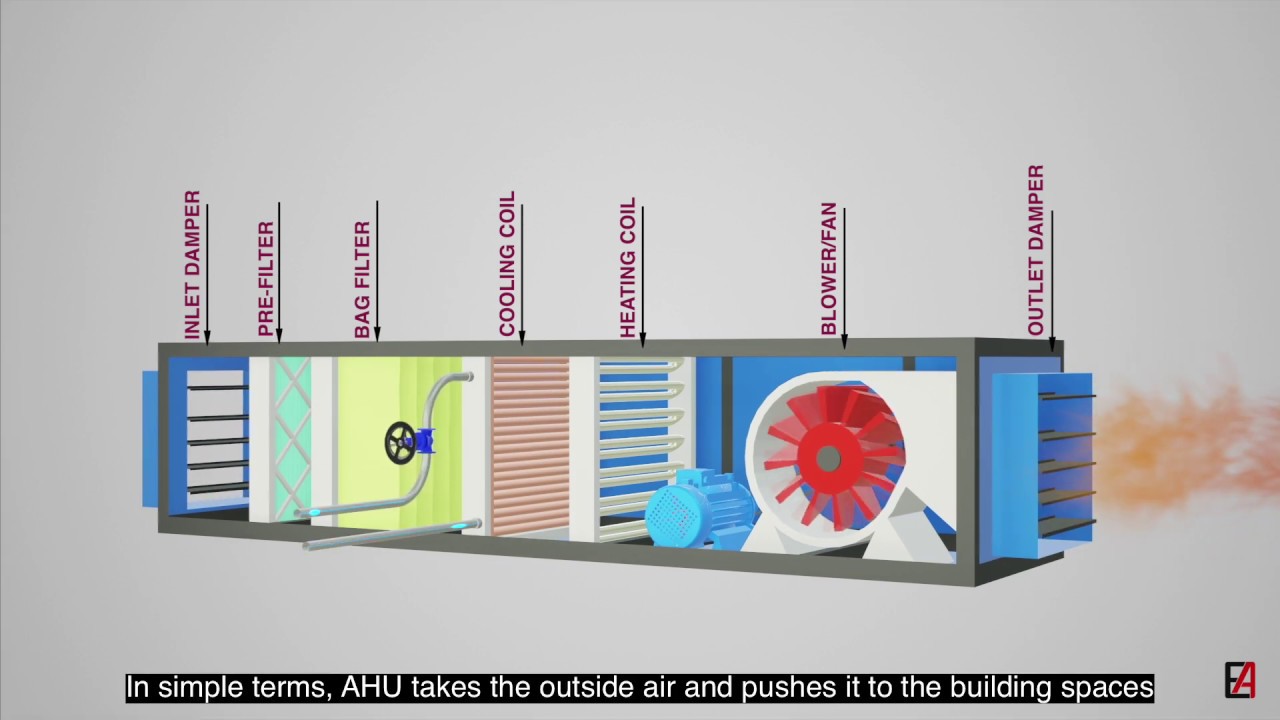
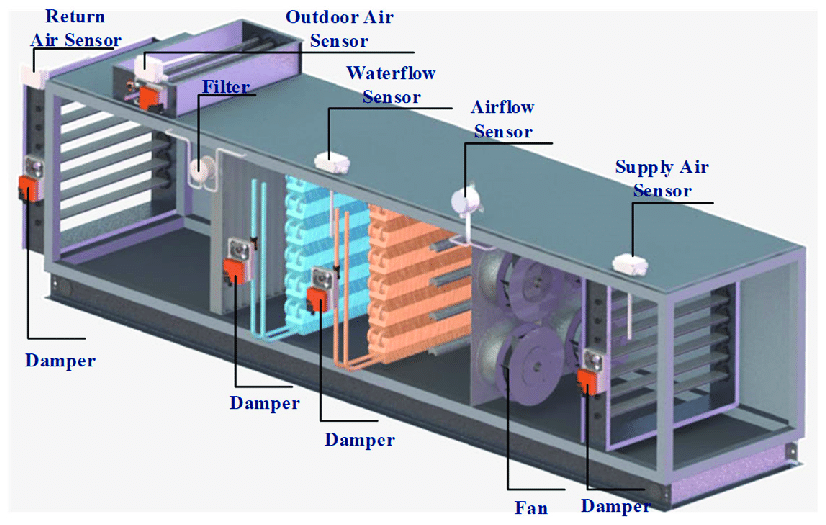
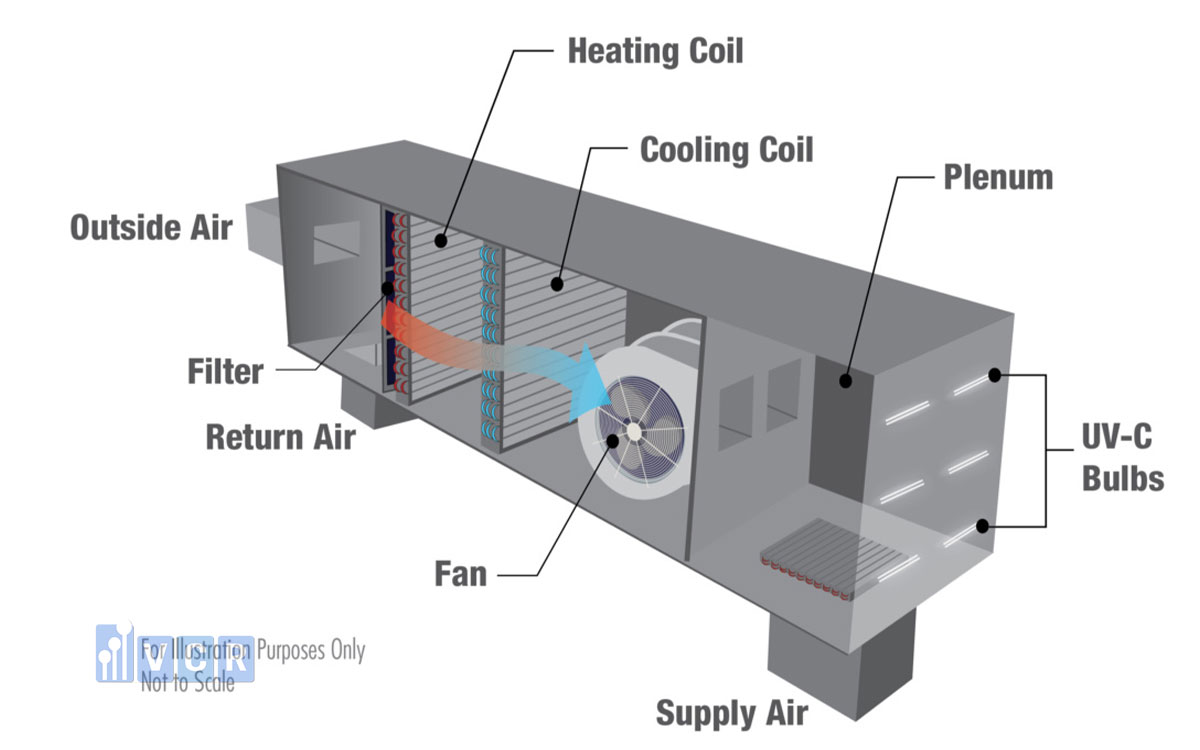
While the exact configuration can vary depending on the specific application, most AHUs consist of the following essential components:
- Casing/Cabinet: The outer shell that houses all the internal components and provides structural support.
- Filters: Remove particulate matter and contaminants from the air. Different types of filters are used to capture varying sizes of particles.
- Cooling Coil: Cools the air by passing it over a coil containing chilled water or refrigerant.
- Heating Coil: Heats the air by passing it over a coil containing hot water, steam, or electric resistance elements.
- Fan: A powerful fan that circulates the air through the AHU and into the ductwork. There are different types of fans, such as centrifugal and axial fans, each with its own advantages.
- Dampers: Adjustable plates that control the airflow into and out of the AHU, allowing for mixing of outside air and recirculated air.
- Humidifier (optional): Adds moisture to the air to increase humidity levels. This is often used in dry climates or during the winter months.
- Dehumidifier (optional): Removes moisture from the air to decrease humidity levels. This is often used in humid climates or to prevent mold growth.
- Mixing Box: A chamber where outside air and recirculated air are mixed before being conditioned.
- Controls: A system of sensors, actuators, and controllers that regulate the operation of the AHU to maintain desired temperature, humidity, and airflow. These controls can range from simple thermostats to sophisticated building automation systems (BAS).
4. How does an AHU differ from a furnace or air conditioner?
While a furnace and air conditioner are responsible for heating and cooling, respectively, an AHU does more than just that. It's a more comprehensive system that handles air filtration, humidity control, and air distribution in addition to heating and cooling (though it relies on separate heating and cooling sources). A furnace and air conditioner typically focus solely on temperature modification, while the AHU provides a broader range of air treatment functions.
Here's a table summarizing the key differences:
| Feature | Furnace | Air Conditioner | Air Handling Unit (AHU) |
|---|---|---|---|
| Primary Function | Heating | Cooling | Air conditioning, filtration, humidity control, distribution |
| Air Filtration | Minimal | Minimal | Significant (often multi-stage) |
| Humidity Control | No | Limited (dehumidification as a byproduct of cooling) | Yes (optional humidifier/dehumidifier) |
| Air Distribution | Limited (relies on ductwork connected directly to the unit) | Limited (relies on ductwork connected directly to the unit) | Comprehensive (dedicated fan and ductwork system) |
5. Where are AHUs typically used?
AHUs are commonly found in commercial and industrial buildings, such as:
- Office buildings
- Shopping malls
- Hospitals
- Schools
- Factories
- Data centers
They are used in these settings because they can efficiently and effectively condition and distribute air throughout large spaces. While less common in residential settings, smaller AHUs can be used in custom home builds or large residences with complex HVAC needs. Ductless mini-split systems, while providing localized heating and cooling, don't offer the same level of central air handling and filtration as a full AHU system.
6. What are the benefits of using an AHU?
Using an AHU offers several advantages:
- Improved Air Quality: AHUs provide superior air filtration, removing dust, pollen, and other contaminants, leading to healthier indoor air.
- Precise Temperature Control: AHUs allow for precise temperature control in different zones within a building, ensuring optimal comfort for occupants.
- Humidity Control: AHUs can maintain optimal humidity levels, preventing dryness or excessive moisture, which can improve comfort and prevent mold growth.
- Energy Efficiency: Modern AHUs can be designed with energy-saving features, such as variable speed fans and economizers, to reduce energy consumption.
- Customization: AHUs can be customized to meet the specific needs of a building, including size, capacity, and features.
- Centralized Control: AHUs can be integrated into building automation systems (BAS) for centralized monitoring and control, allowing for efficient management of the HVAC system.
7. What kind of maintenance do AHUs require?
Regular maintenance is essential to ensure the efficient and reliable operation of an AHU. Key maintenance tasks include:
- Filter Replacement: Replacing air filters regularly (typically every 1-3 months) is crucial for maintaining air quality and preventing the AHU from working harder than necessary. Dirty filters restrict airflow, reducing efficiency and potentially damaging the fan motor.
- Coil Cleaning: Cleaning the cooling and heating coils to remove dust and debris, which can reduce their heat transfer efficiency. This can be done with specialized coil cleaners.
- Fan Maintenance: Inspecting and lubricating the fan motor and bearings to ensure smooth operation. Checking the fan belts for wear and tear and replacing them as needed.
- Damper Inspection: Checking the dampers to ensure they are opening and closing properly. Lubricating damper linkages to prevent sticking.
- Drain Pan Cleaning: Cleaning the condensate drain pan to prevent the growth of mold and bacteria, which can lead to unpleasant odors and health problems. Ensuring the drain line is clear and unobstructed.
- Leak Detection: Checking for leaks in the refrigerant lines (cooling coil) or water lines (heating coil and humidifier).
- Control System Calibration: Calibrating the sensors and actuators to ensure accurate temperature and humidity control.
- Professional Inspection: Schedule regular professional inspections by a qualified HVAC technician to identify and address any potential problems before they become major issues.
By understanding the basics of AHUs and their role in HVAC systems, you can make informed decisions about your building's climate control and ensure a comfortable and healthy environment for its occupants. Regular maintenance and timely repairs are key to maximizing the lifespan and efficiency of your AHU.