What Does An Ac Filter Do
Your air conditioner works hard to keep your home cool and comfortable, especially during the sweltering summer months. But have you ever stopped to think about that seemingly insignificant component, the AC filter? It's more than just a piece of cardboard and mesh; it's the first line of defense for your HVAC system and your indoor air quality. This article breaks down exactly what an AC filter does, why it's crucial to maintain, and how to choose the right one for your needs.
What Does An AC Filter Really Do?
At its core, an AC filter performs two primary functions:
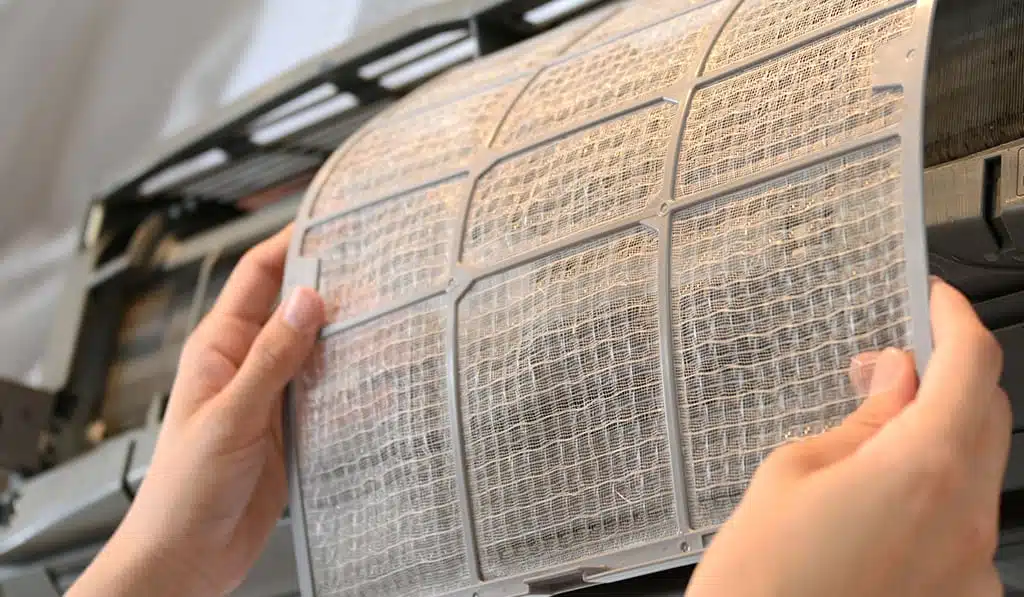
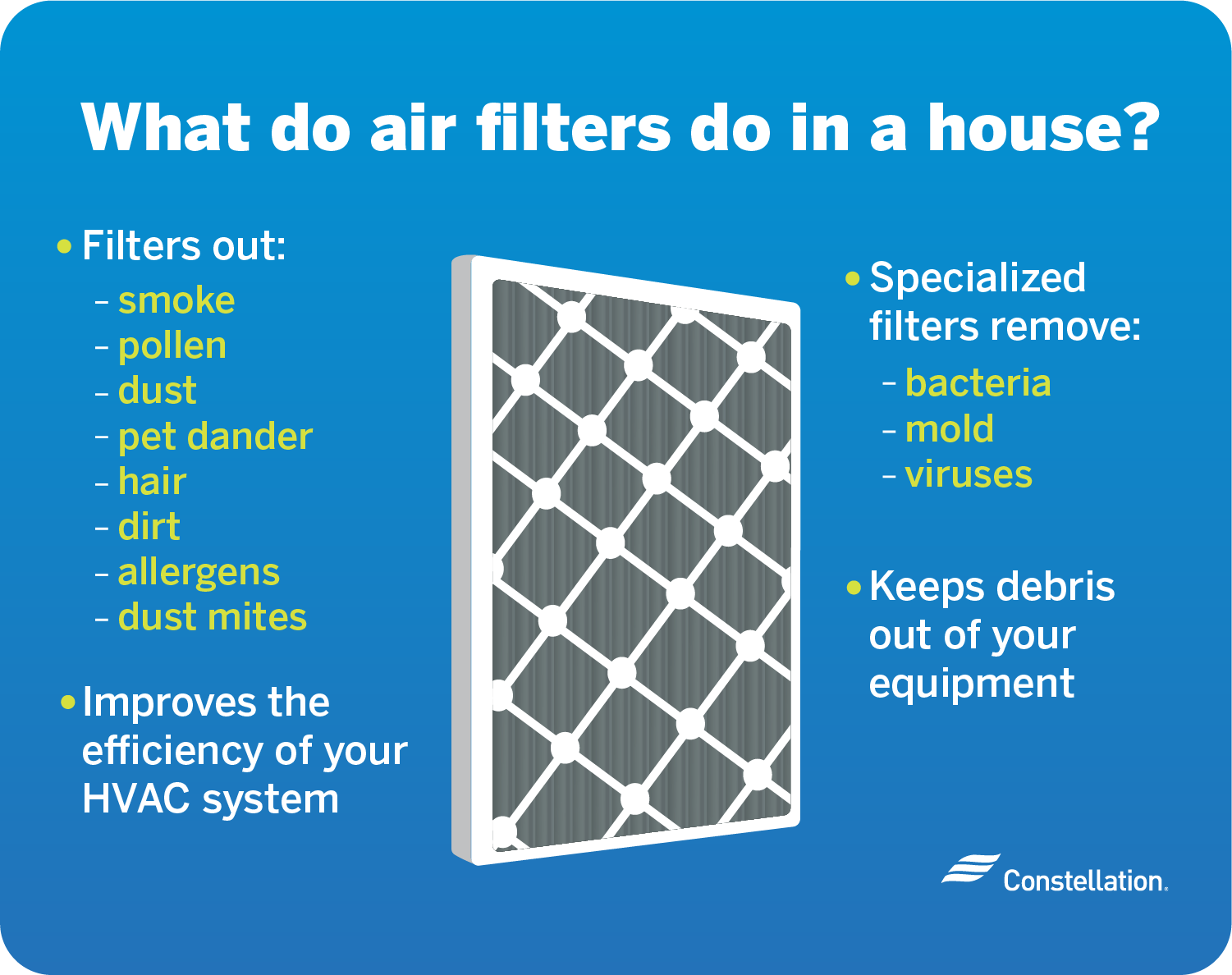
- Protecting Your HVAC System: This is the most crucial role. The filter prevents dust, dirt, pollen, pet dander, and other airborne particles from entering the delicate components of your air conditioning unit. These components include the blower motor, evaporator coil, and other internal parts. Without a filter, these particles would accumulate on these parts, reducing their efficiency and potentially causing them to fail prematurely. Imagine coating the fins of your evaporator coil with a thick layer of dust – it wouldn't be able to transfer heat effectively, and your AC would have to work much harder to cool your home.
- Improving Indoor Air Quality: While not its primary purpose, a good AC filter also contributes to cleaner air inside your home. By trapping airborne allergens and irritants, the filter helps reduce allergy symptoms, asthma triggers, and other respiratory issues. This is especially important for people with sensitivities or respiratory conditions.
The Impact of a Dirty AC Filter
Neglecting to change or clean your AC filter regularly can lead to a host of problems, affecting both your comfort and your wallet:
- Reduced Airflow: A clogged filter restricts airflow, forcing your AC unit to work harder to circulate air. This can result in uneven cooling, with some rooms feeling warmer than others.
- Increased Energy Bills: A struggling AC unit consumes more energy, leading to higher electricity bills. Think of it like trying to breathe through a stuffed nose – it takes more effort!
- Frozen Evaporator Coil: Restricted airflow can cause the evaporator coil to freeze up. This is a serious issue that can damage your compressor, one of the most expensive parts of your AC system.
- Overheating and System Failure: The strain on your AC unit from a dirty filter can eventually lead to overheating and premature failure of key components, requiring costly repairs or even a complete system replacement.
- Poor Indoor Air Quality: A clogged filter can become a breeding ground for mold, bacteria, and other contaminants, which can then be circulated throughout your home, worsening allergies and respiratory problems.
Types of AC Filters: Choosing the Right One
AC filters come in various types, each with different levels of filtration and price points. Understanding the different options will help you choose the right filter for your specific needs and budget.
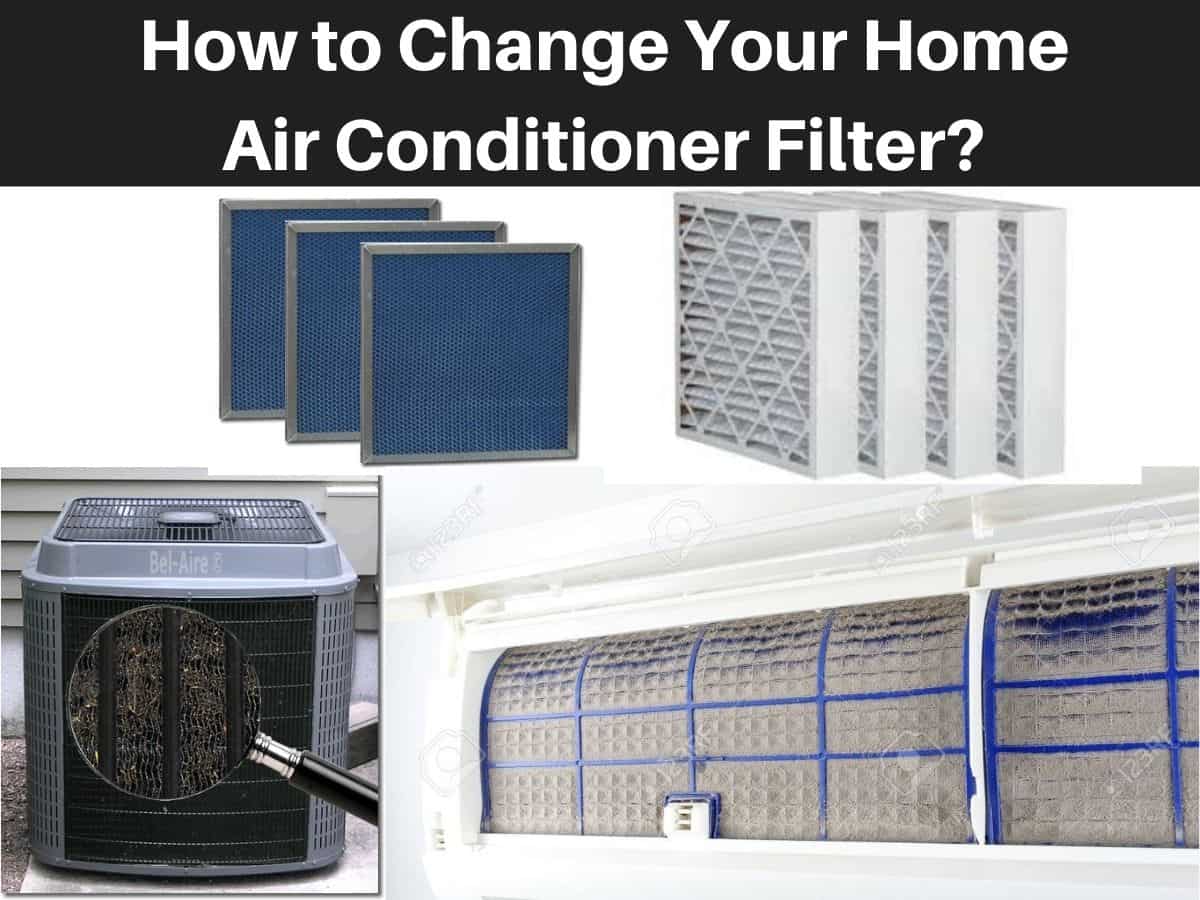
- Fiberglass Filters: These are the most basic and least expensive type of filter. They are typically made of spun fiberglass and offer minimal filtration, primarily protecting the HVAC equipment rather than improving air quality. They are generally flat and disposable.
- Pleated Filters: Pleated filters are more effective than fiberglass filters due to their increased surface area. The pleats allow them to trap more particles and provide better filtration. They are available in various MERV ratings (more on that below) and are a good balance between cost and performance.
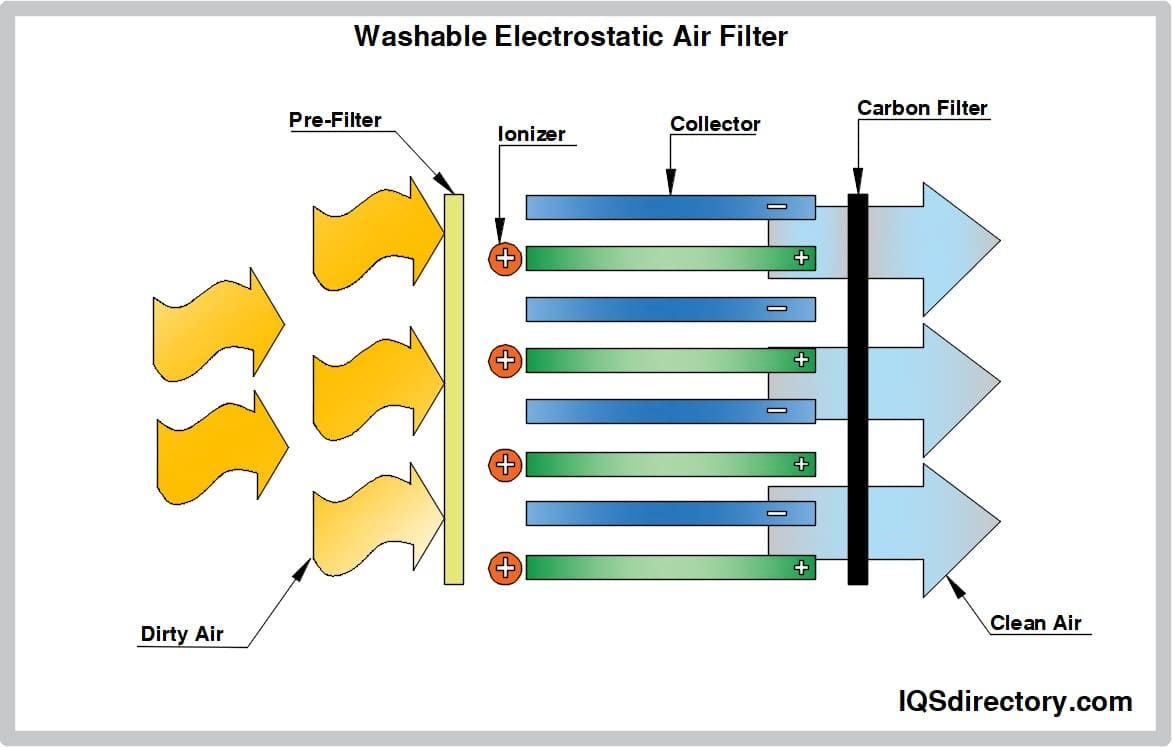
- Electrostatic Filters: These filters use an electrostatic charge to attract and trap particles. They are more efficient than fiberglass filters but less so than high-MERV pleated filters. They can be disposable or washable.
- HEPA Filters: High-Efficiency Particulate Air (HEPA) filters are the most effective at removing airborne particles. They are designed to trap at least 99.97% of particles that are 0.3 microns in size, including dust, pollen, mold spores, bacteria, and viruses. HEPA filters are typically used in hospitals and other environments where air quality is critical. However, they can restrict airflow significantly and may not be suitable for all HVAC systems. Consult with an HVAC professional before using a HEPA filter in your home.
- Washable Filters: These filters are designed to be cleaned and reused, which can save money in the long run. However, they require regular cleaning and may not be as effective at filtration as disposable filters. It's crucial to ensure they are completely dry before reinstalling them to prevent mold growth.
Understanding MERV Ratings
The Minimum Efficiency Reporting Value (MERV) rating indicates the filter's ability to capture particles of different sizes. The higher the MERV rating, the more effective the filter is at trapping smaller particles. However, higher MERV ratings also mean increased airflow restriction.
Here's a general guideline for choosing the right MERV rating:
- MERV 1-4: Basic filtration for protecting HVAC equipment. Suitable for homes with no allergies or respiratory issues.
- MERV 5-8: Good filtration for general household use. Removes dust, pollen, and pet dander.
- MERV 9-12: Excellent filtration for improving indoor air quality. Removes smaller particles like mold spores and dust mites. Suitable for people with allergies or asthma.
- MERV 13-16: Advanced filtration for superior air quality. Removes smoke, viruses, and bacteria. May require a more powerful HVAC system. Consult a professional before using these.
Important Note: Always check your HVAC system's manufacturer recommendations for the appropriate MERV rating. Using a filter with too high a MERV rating can restrict airflow and damage your system.
How to Change Your AC Filter: A Step-by-Step Guide
Changing your AC filter is a simple DIY task that can save you money and prolong the life of your HVAC system. Here's a step-by-step guide:
- Gather Your Supplies: You'll need a new AC filter of the correct size and MERV rating, gloves (optional), and a screwdriver if needed to access the filter compartment.
- Turn Off Your HVAC System: This is crucial for safety. Turn off the power to your AC unit at the thermostat and the circuit breaker.
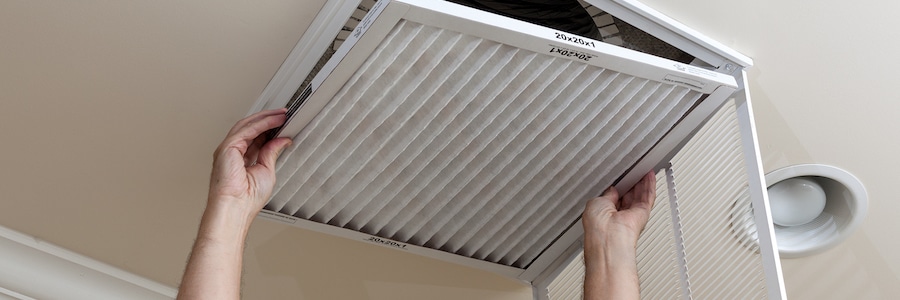
- Locate the Filter Compartment: The filter compartment is usually located in the air handler or furnace, often in a slot on the side or bottom. It may be behind a removable panel.
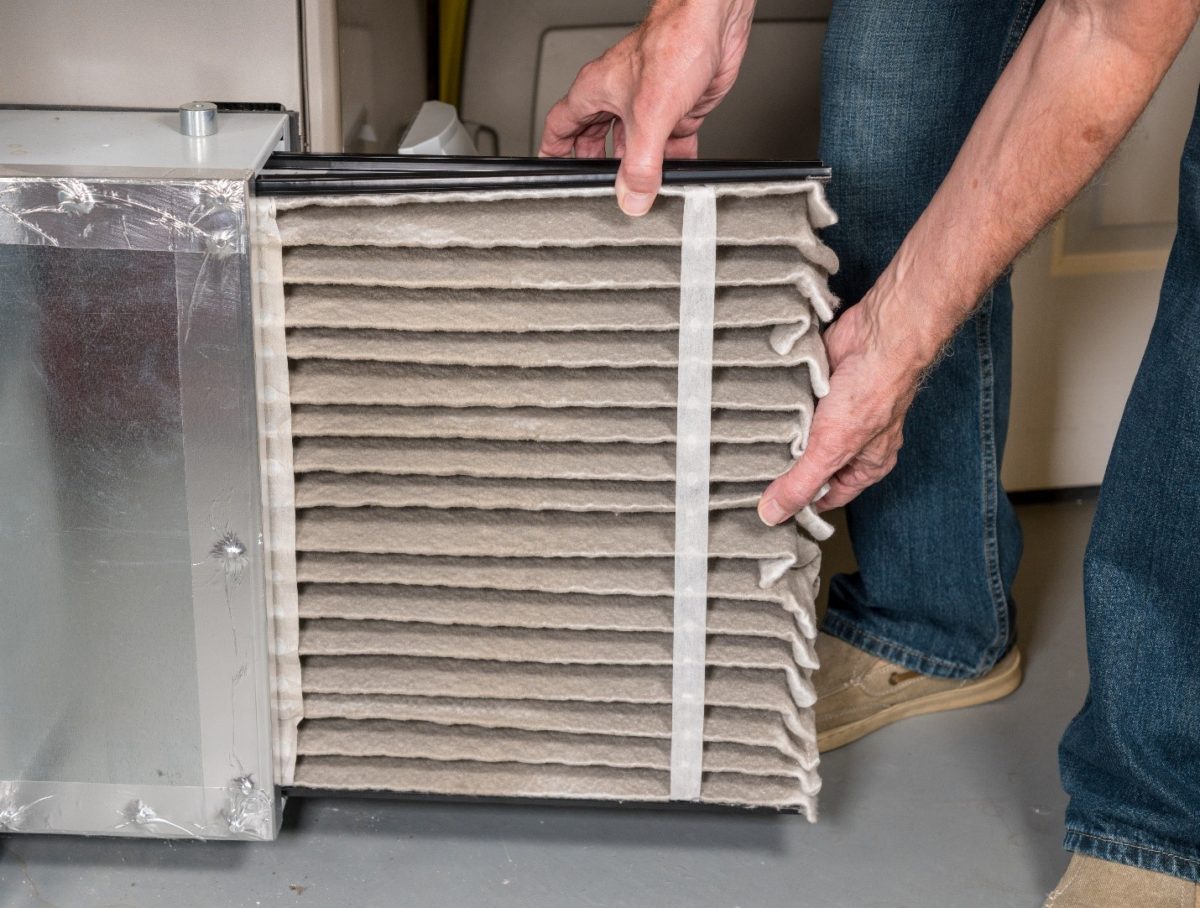
- Remove the Old Filter: Carefully slide out the old filter. Note the direction of airflow arrow on the filter – you'll need to insert the new filter in the same direction.
- Dispose of the Old Filter: Dispose of the dirty filter properly.
- Install the New Filter: Insert the new filter into the compartment, making sure the airflow arrow is pointing in the correct direction.
- Replace the Panel: Reattach the access panel, securing it with screws if necessary.
- Turn On Your HVAC System: Turn the power back on at the circuit breaker and thermostat.
How Often Should You Change Your AC Filter?
The frequency of filter changes depends on several factors, including:
- The type of filter: Basic fiberglass filters should be changed monthly, while pleated filters can last 1-3 months.
- The number of occupants in your home: More people generate more dust and allergens.
- The presence of pets: Pets shed dander, which can clog filters quickly.
- The level of outdoor air pollution: High levels of pollution can shorten filter life.
As a general rule, check your filter monthly and change it when it looks dirty or clogged. A good way to remember is to set a reminder on your phone or calendar.
When to Call a Professional
While changing your AC filter is a simple DIY task, there are times when it's best to call a professional HVAC technician:
- If you're not comfortable working with electrical components.
- If you suspect a frozen evaporator coil.
- If you notice signs of mold growth in your HVAC system.
- If you're experiencing persistent problems with your AC unit, such as uneven cooling or high energy bills.
Trying to diagnose and repair complex HVAC issues yourself can be dangerous and may void your warranty. It's always best to err on the side of caution and call a qualified professional.
Estimated Repair Costs Related to Dirty Filters
Ignoring a dirty AC filter can lead to several costly repairs. Here's a rough estimate of potential expenses:
- Frozen Evaporator Coil Repair: $200 - $1,000 (depending on the severity of the damage and whether refrigerant needs to be recharged)
- Blower Motor Replacement: $300 - $800
- Compressor Replacement: $1,500 - $4,000 (this is a major repair and can sometimes be more cost-effective to replace the entire unit)
- Complete HVAC System Replacement: $4,000 - $12,000+ (if the damage is extensive and the system is old)
As you can see, regularly changing your AC filter is a small investment that can save you a significant amount of money in the long run.
Tools and Parts You Might Need
For regular filter maintenance, you'll only need a few basic items:
- New AC Filter(s): Ensure you have the correct size and MERV rating.
- Screwdriver (possibly): Depending on how your filter compartment is secured.
- Gloves (optional): To keep your hands clean.
- Vacuum Cleaner with Brush Attachment (optional): To clean around the filter compartment.
Common AC Filter Problems and Solutions
Here's a quick troubleshooting guide for common AC filter-related issues:
- Problem: AC unit is not cooling properly. Solution: Check and replace the AC filter.
- Problem: High energy bills. Solution: Check and replace the AC filter. Ensure proper insulation in your home.
- Problem: Unusual noises coming from the AC unit. Solution: Check and replace the AC filter. If the noise persists, call a professional.
- Problem: Dusty air or allergy symptoms worsen. Solution: Check and replace the AC filter. Consider upgrading to a higher MERV rating filter (if compatible with your system).
In conclusion, the AC filter is a small but mighty component of your HVAC system. By understanding its function, choosing the right filter, and maintaining it regularly, you can protect your equipment, improve your indoor air quality, and save money on energy bills. Don't underestimate the power of a clean filter!