What Does An Air Handling Unit Do

Choosing the right HVAC system for your home or investment property can feel overwhelming. There are countless components, acronyms, and options to consider. One crucial component, often overlooked, is the air handling unit (AHU). This article will break down exactly what an air handling unit does, its key features, and how it fits into the larger picture of your home's comfort and efficiency.
Understanding the Core Function: Moving Air, Maximizing Comfort
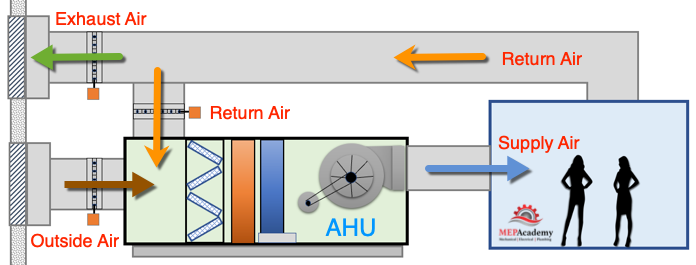
At its most basic, the air handling unit is the engine that drives air circulation throughout your home. Think of it as the lungs of your HVAC system. Its primary function is to take air – whether heated, cooled, or simply filtered – and distribute it evenly through your ductwork and into your living spaces. Without a properly functioning AHU, even the most efficient furnace or air conditioner is rendered virtually useless.
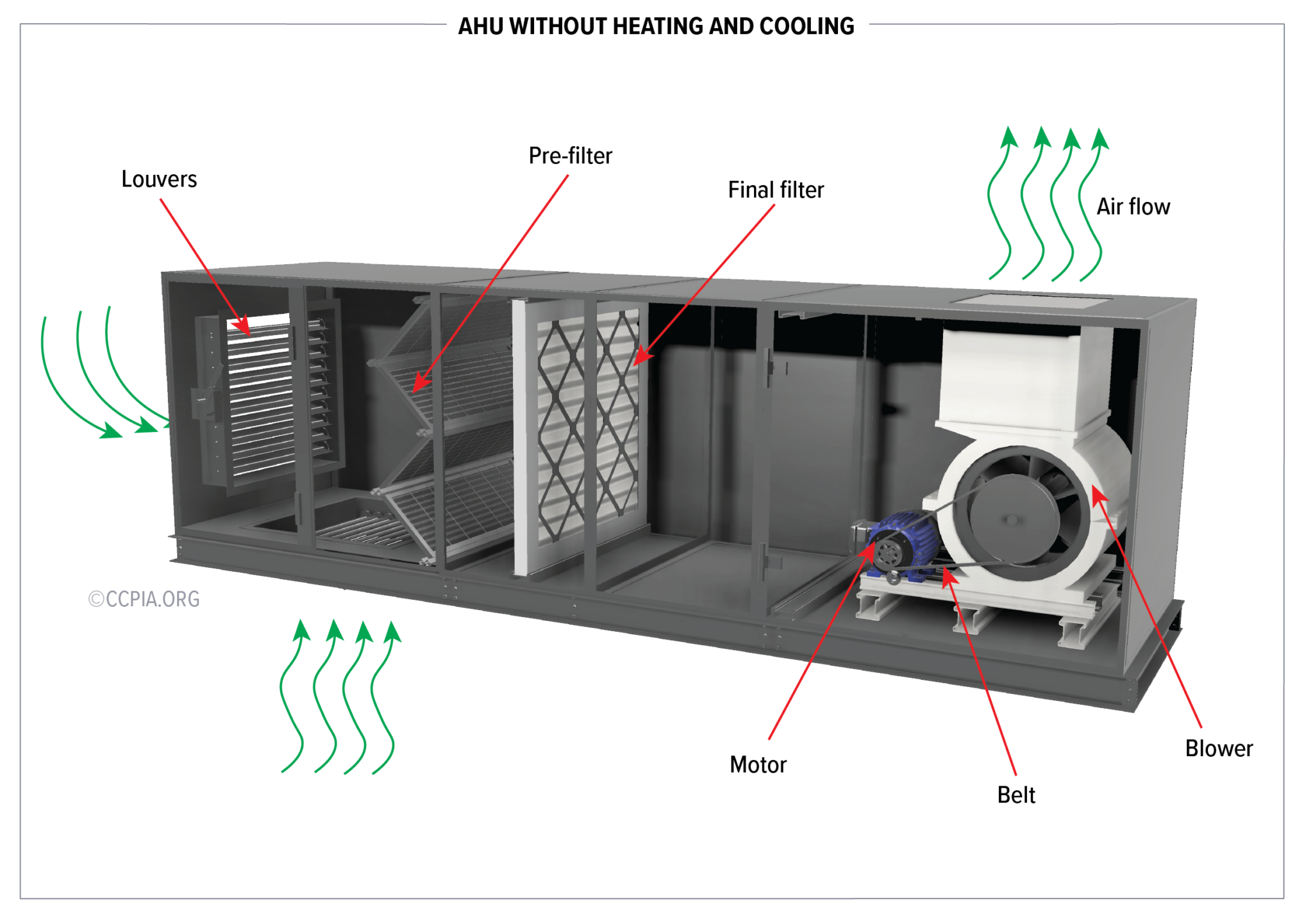
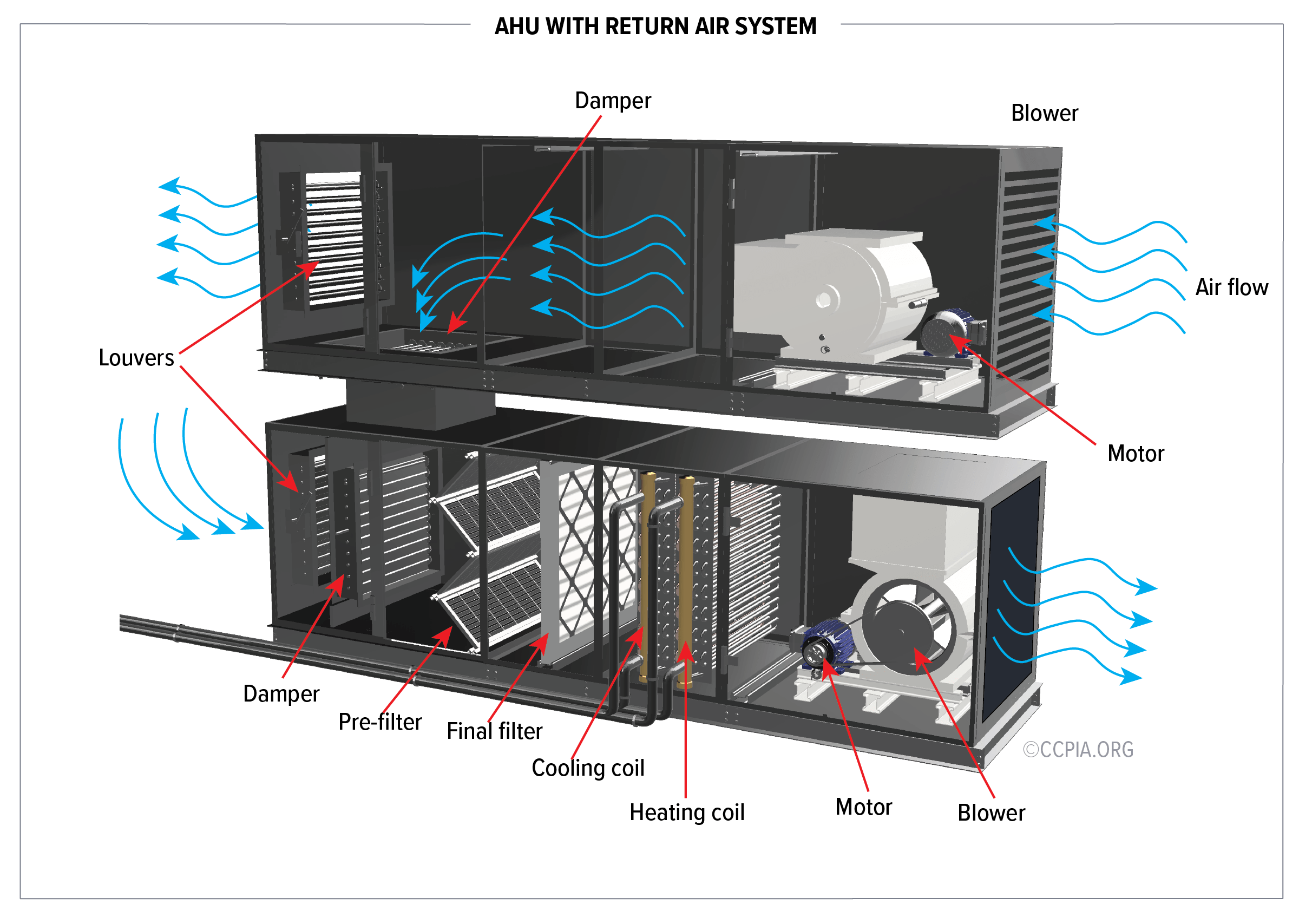
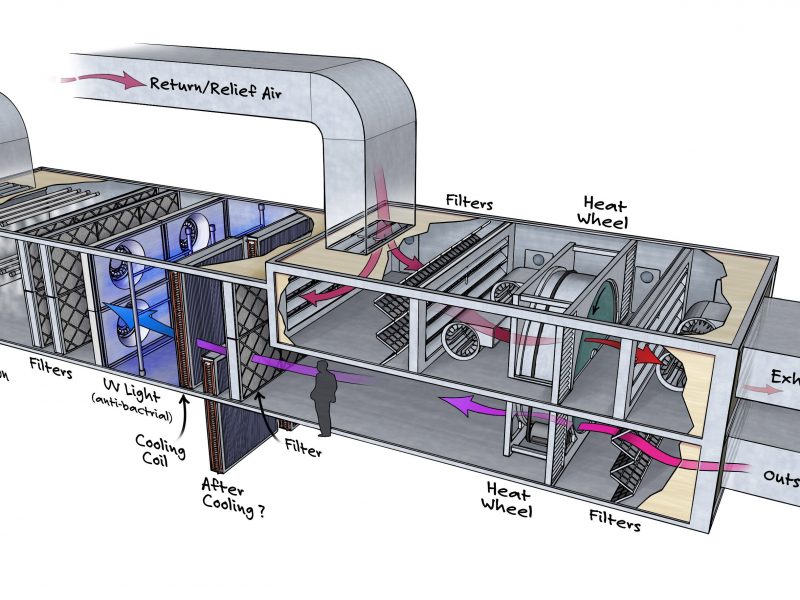
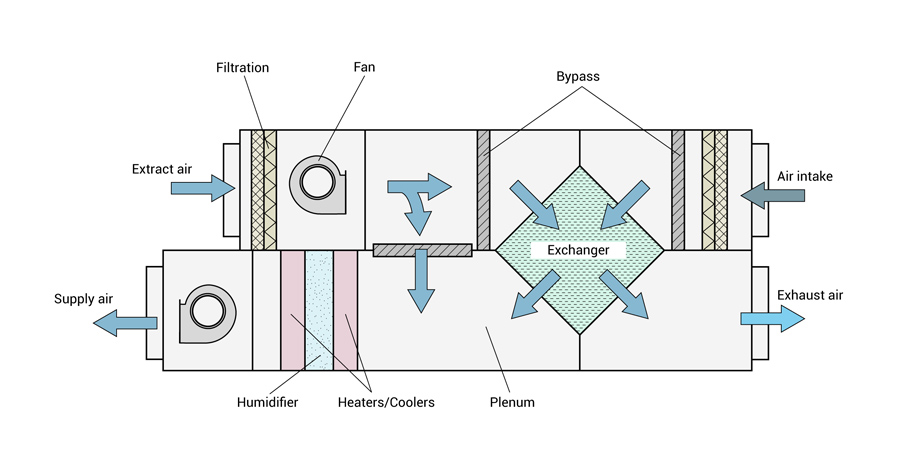
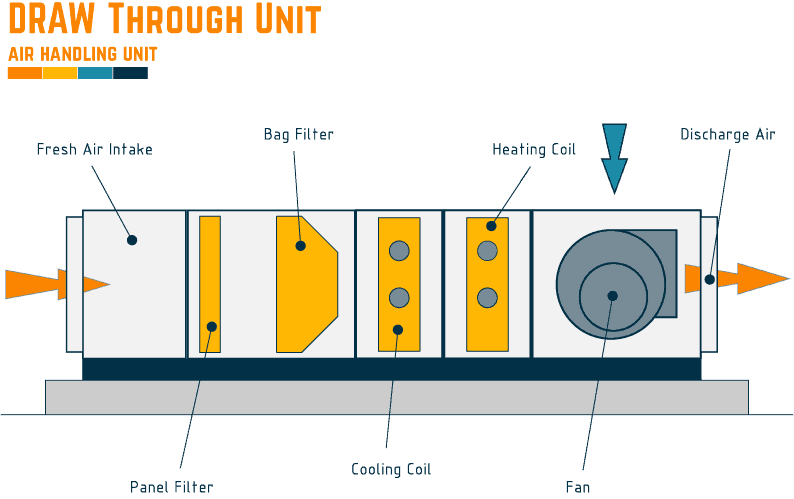
The AHU typically contains several key components:
- Blower Fan: The workhorse of the unit, the blower fan is responsible for forcing air through the ductwork. Fan speeds are often adjustable to control airflow.
- Heating/Cooling Coil: This is where the air is either heated or cooled. In a central air conditioning system, the cooling coil receives refrigerant from the outdoor condenser unit. In a forced-air heating system, the coil is heated by gas, electricity, or hot water. Heat pumps utilize this coil for both heating and cooling.
- Air Filter: A crucial component for maintaining indoor air quality, the air filter removes dust, pollen, and other airborne particles from the air before it is circulated. Filter replacement is a vital part of routine HVAC maintenance.
- Dampers: Dampers are adjustable plates that control the airflow within the AHU and sometimes within the ductwork. They can be used to balance airflow to different zones of the home.
- Humidifier/Dehumidifier (Optional): Some AHUs include integrated humidifiers or dehumidifiers to maintain optimal humidity levels in the home.
Types of Air Handling Units
AHUs come in various configurations to suit different applications. Here's a look at some common types:
Central Air Handling Units
These are the most common type found in residential homes. They are typically located in a basement, attic, or closet and serve the entire house through a network of ductwork. They connect directly to the furnace or air conditioner. Brands such as Carrier, Trane, and Lennox are well-known for their central air handling units.
Modular Air Handling Units
These AHUs are designed in sections, allowing for customization and flexibility in installation. They are often used in larger commercial buildings but can also be beneficial in larger homes with complex zoning requirements.
Packaged Air Handling Units
These units combine all the components (heating, cooling, and air handling) into a single cabinet. They are often installed on rooftops or outside the building. This is a common option for commercial buildings and some smaller residential applications where space is limited.
Fan Coil Units (FCUs)
FCUs are smaller, self-contained units that provide heating and cooling to individual rooms or zones. They are often used in apartments, hotels, and other multi-unit buildings. They use chilled water and hot water for cooling and heating, respectively.
Key Features to Consider When Choosing an Air Handling Unit
When selecting an air handling unit, consider these key features:
- Airflow Capacity (CFM): Measured in cubic feet per minute (CFM), this indicates the volume of air the unit can move. The required CFM depends on the size of your home and the efficiency of your ductwork. Consult with an HVAC professional to determine the appropriate CFM for your needs.
- Motor Type: AHUs typically use either a PSC (Permanent Split Capacitor) motor or an ECM (Electronically Commutated Motor). ECM motors are significantly more energy-efficient, offering variable speed operation and quieter performance. Upgrading to an ECM motor can result in significant energy savings over time.
- Filtration Options: Consider the type and efficiency of the air filter. MERV (Minimum Efficiency Reporting Value) ratings indicate the filter's ability to capture airborne particles. Higher MERV ratings offer better filtration.
- Sound Level: AHUs can generate noise, especially during operation. Look for units with features designed to reduce noise levels, such as insulated cabinets and vibration dampeners.
- Variable Speed Operation: AHUs with variable-speed blowers can adjust their airflow based on the heating or cooling demand, leading to more consistent temperatures and improved energy efficiency.
AFUE, SEER, and HSPF: Understanding Efficiency Ratings
While the AHU itself doesn't have an AFUE, SEER, or HSPF rating, its performance significantly impacts the overall efficiency of your HVAC system. These ratings apply to the heating and cooling components (furnace, air conditioner, or heat pump) that work in conjunction with the AHU.
- AFUE (Annual Fuel Utilization Efficiency): Applies to furnaces and measures how efficiently the furnace converts fuel into heat. Higher AFUE ratings indicate better efficiency.
- SEER (Seasonal Energy Efficiency Ratio): Applies to air conditioners and measures the cooling efficiency over an entire season. Higher SEER ratings indicate better efficiency.
- HSPF (Heating Seasonal Performance Factor): Applies to heat pumps and measures the heating efficiency over an entire season. Higher HSPF ratings indicate better efficiency.
Choosing an AHU that is compatible with a high-efficiency furnace, air conditioner, or heat pump is crucial for maximizing energy savings. A mismatched AHU can negate the benefits of a high-efficiency outdoor unit. An HVAC professional can help you select components that are properly matched and optimized for your home.
Popular HVAC Brands and Models
Several reputable HVAC brands offer a wide range of air handling units. Here are a few popular options:
- Carrier: Known for their innovation and reliability, Carrier offers a variety of AHUs with advanced features like variable-speed blowers and enhanced filtration. Look for models in their Infinity series for premium performance.
- Trane: Trane is another well-respected brand with a long history of producing durable and efficient HVAC equipment. Their XR series AHUs offer a good balance of performance and affordability.
- Lennox: Lennox offers a range of AHUs, including models with ultra-quiet operation and advanced air purification systems. Their Dave Lennox Signature Collection features top-of-the-line technology.
- Goodman: Goodman is a budget-friendly brand that offers reliable performance at a lower price point. Their AHUs are a good option for homeowners on a tighter budget.
Consult with an HVAC contractor to determine which brand and model is best suited for your specific needs and budget.
Warranties and Maintenance Needs
Air handling units typically come with a manufacturer's warranty, which covers defects in materials and workmanship. The length of the warranty can vary depending on the brand and model. It's essential to register your unit with the manufacturer to ensure your warranty is valid.
Regular maintenance is crucial for ensuring the longevity and optimal performance of your air handling unit. Key maintenance tasks include:
- Replacing the air filter regularly: This is arguably the most important maintenance task. A dirty air filter restricts airflow and can damage the AHU.
- Cleaning the blower fan: Over time, dust and debris can accumulate on the blower fan, reducing its efficiency.
- Inspecting and cleaning the coils: Dirty coils can reduce the heat transfer efficiency of the unit.
- Lubricating moving parts: This helps to reduce friction and prevent wear and tear.
- Scheduling annual professional maintenance: A qualified HVAC technician can inspect the unit, identify potential problems, and perform necessary repairs.
Neglecting maintenance can void your warranty and shorten the lifespan of your AHU.
Pricing Considerations
The cost of an air handling unit can vary widely depending on the brand, model, features, and installation costs. Basic AHUs can range from a few hundred dollars to several thousand dollars for high-end models with advanced features.
In addition to the cost of the unit itself, you'll also need to factor in the cost of installation, which can include ductwork modifications, electrical work, and refrigerant charging (if applicable).
Obtain multiple quotes from qualified HVAC contractors to compare prices and ensure you're getting a fair deal. Be sure to ask for a detailed breakdown of the costs, including the cost of the unit, installation labor, and any additional materials.
Conclusion: Choosing the Right Air Handling Unit for Your Needs
The air handling unit is a critical component of your HVAC system, responsible for circulating air throughout your home. By understanding its function, key features, and maintenance needs, you can make an informed decision when choosing a new unit. Consider your budget, the size of your home, your desired level of comfort, and the importance of energy efficiency. Working with a qualified HVAC professional is essential for selecting the right AHU and ensuring proper installation for optimal performance and long-term reliability.