What Does An Evaporator Coil Look Like
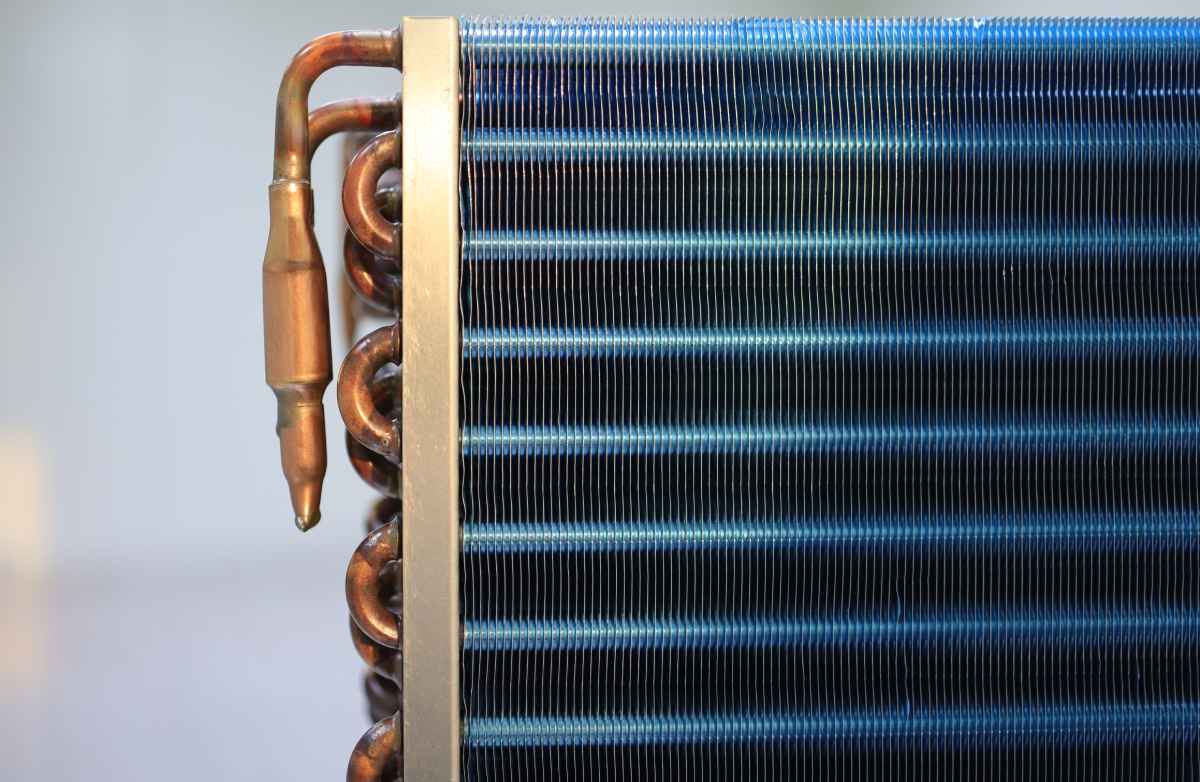
The evaporator coil is a critical component in any air conditioning or heat pump system, responsible for absorbing heat from your indoor air. Understanding its appearance, function, and potential issues is essential for homeowners, HVAC technicians, and facility managers alike. This article will provide a comprehensive overview of the evaporator coil, covering its physical characteristics, operational principles, common problems, and maintenance tips.
Visual Characteristics of an Evaporator Coil
Evaporator coils aren't typically something you'll see without some disassembly of your HVAC system, but knowing what to look for, even from a distance, can be helpful. Here's a breakdown of their common appearances:
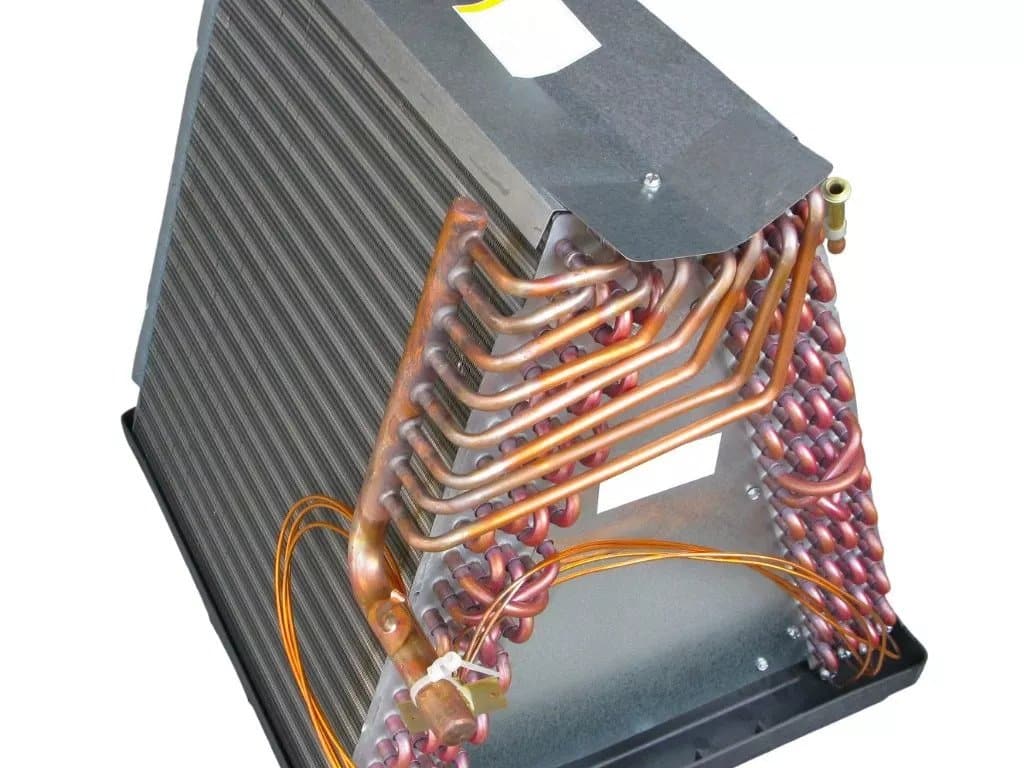
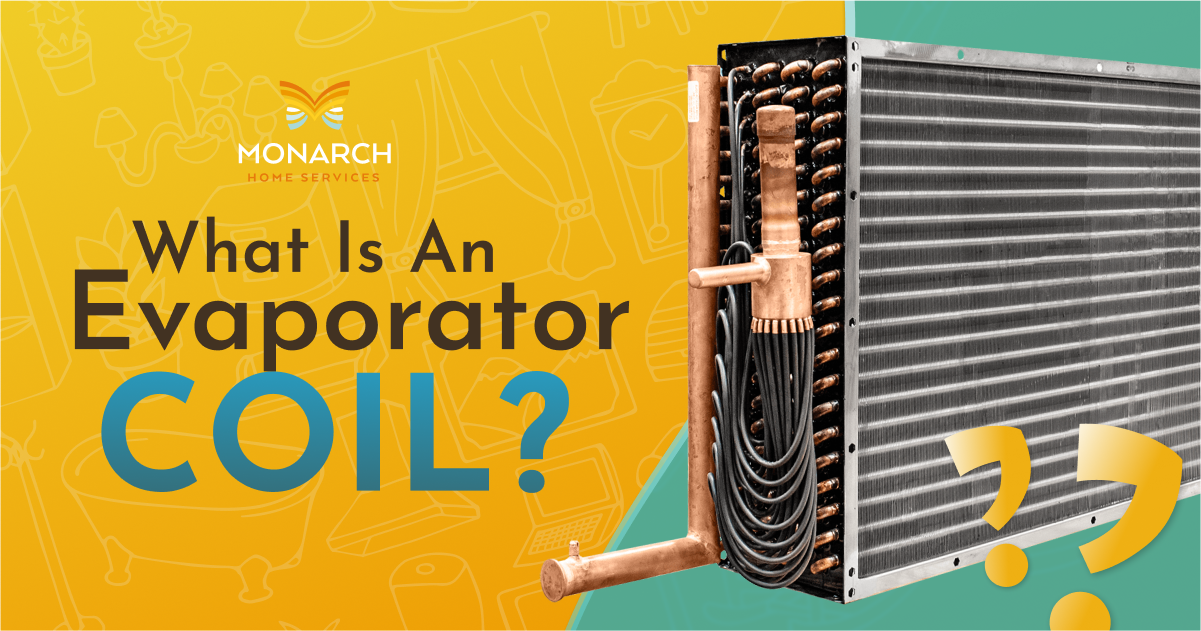
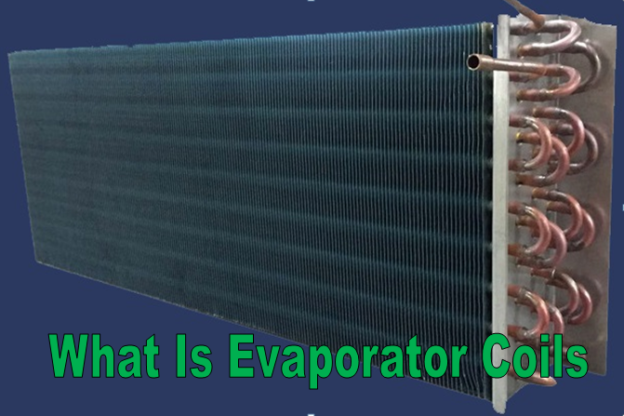
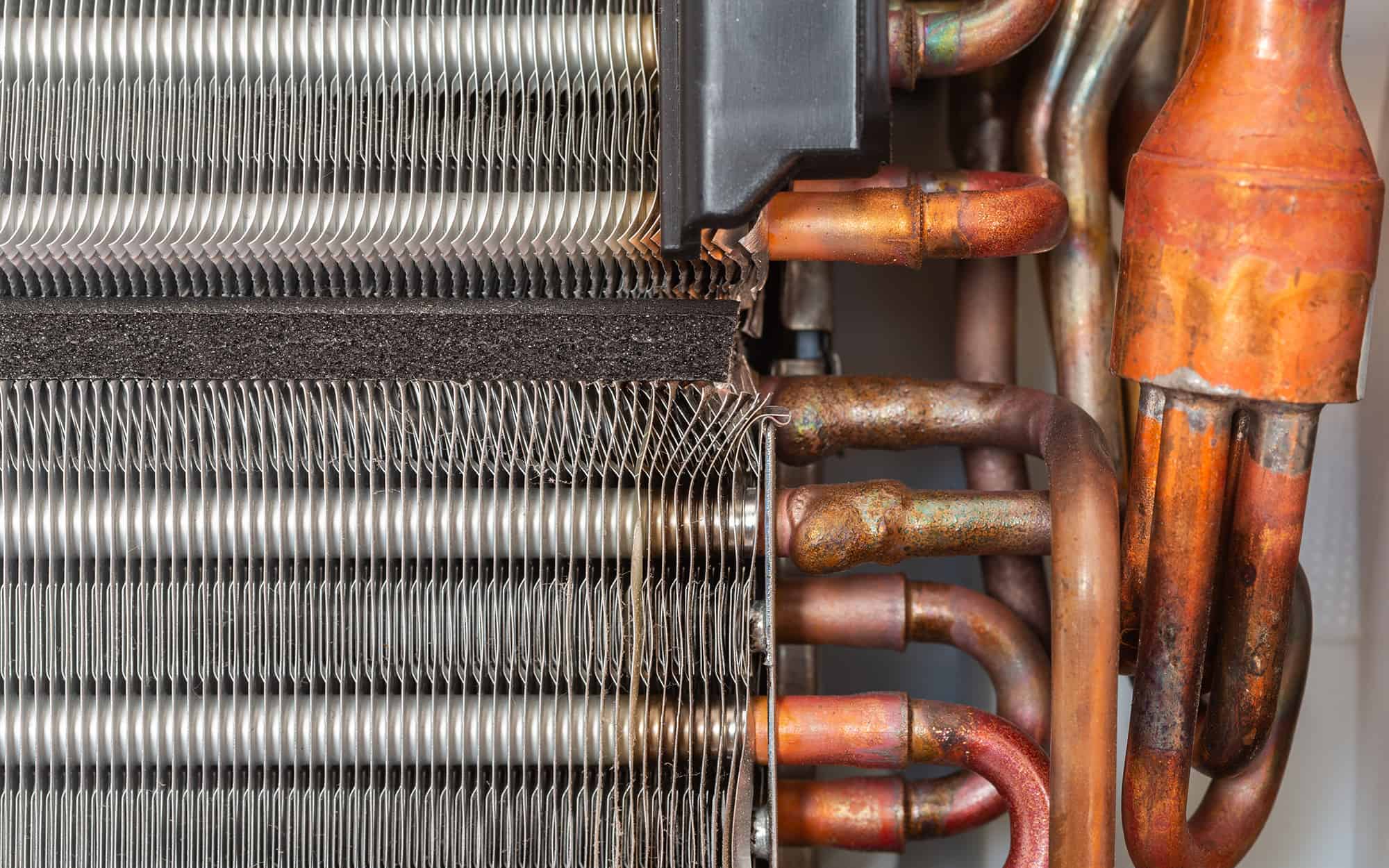
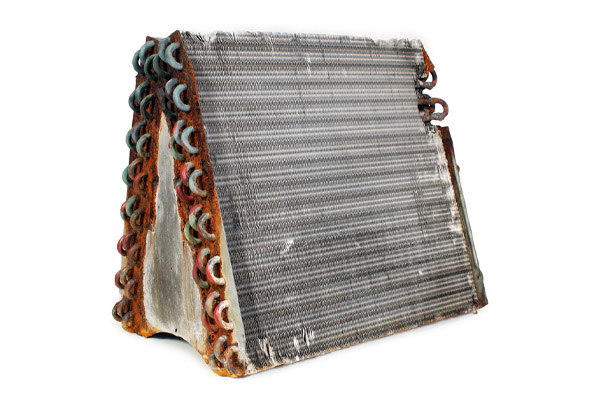
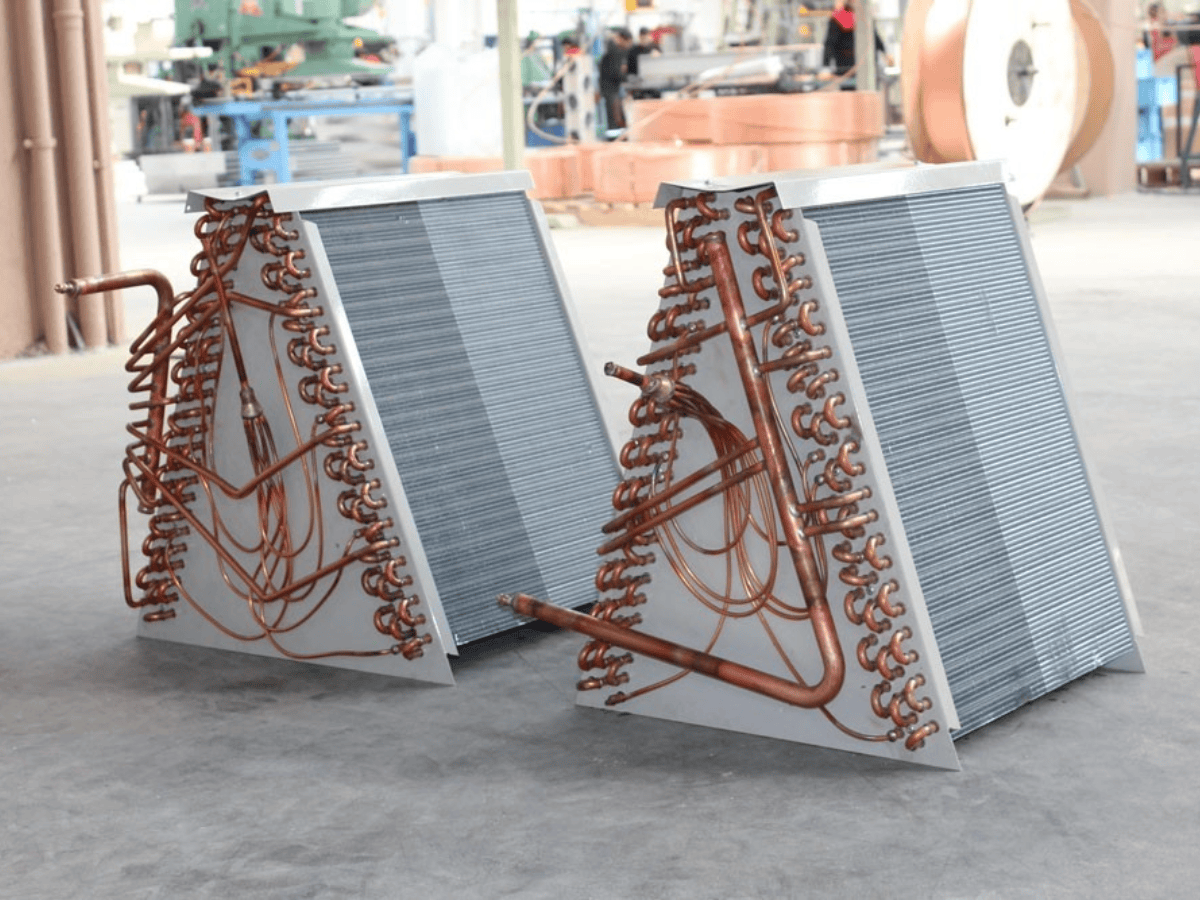
- Shape and Size: Evaporator coils come in various shapes and sizes, depending on the HVAC system's design and capacity. Common configurations include A-shaped, flat slab, and N-shaped coils. Residential units usually have smaller coils, while commercial systems can have significantly larger ones. Dimensions can range from a foot or two in smaller window units to several feet in larger split systems.
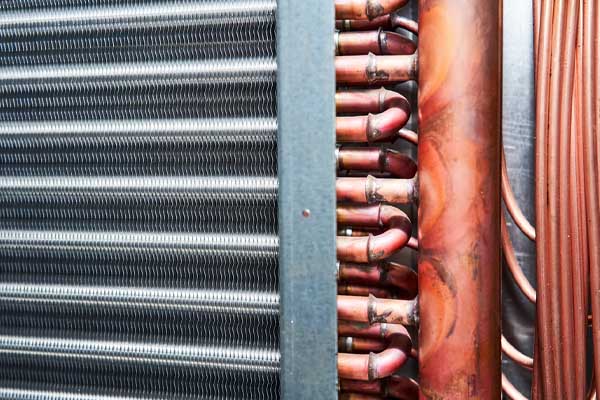
- Materials: Most evaporator coils are constructed from copper or aluminum. Copper offers excellent heat transfer properties and corrosion resistance, but it's more expensive. Aluminum is a lighter and more affordable alternative, often used in newer systems. You’ll usually find aluminum fins attached to copper tubes.
- Fins: The metal tubing of the coil is almost always covered with fins. These fins significantly increase the surface area of the coil, allowing for greater heat exchange. The fins are typically made of aluminum and are thin and closely spaced. They resemble the fins on a car radiator.
- Color: A new evaporator coil will typically appear metallic – either copper-colored (for copper coils) or silver-colored (for aluminum coils). Over time, dust and debris accumulation can darken the coil's appearance. Corrosion can also alter the color, resulting in a greenish or whitish buildup, especially on copper coils.
- Location: In a split system, the evaporator coil is located inside the indoor air handler or furnace. For heat pumps, it's also inside the indoor unit, but it operates as both an evaporator coil (in cooling mode) and a condenser coil (in heating mode). In packaged units, the evaporator coil is housed within the same cabinet as the compressor and condenser coil.
Example: Imagine opening the access panel of your home furnace. You'll likely see a large, A-shaped structure made of shiny aluminum fins surrounding copper tubing. This is a common configuration for residential evaporator coils.
How an Evaporator Coil Works
The evaporator coil's primary function is to absorb heat from the indoor air, cooling it down before it's circulated back into the living space. Here’s a simplified breakdown of the process:
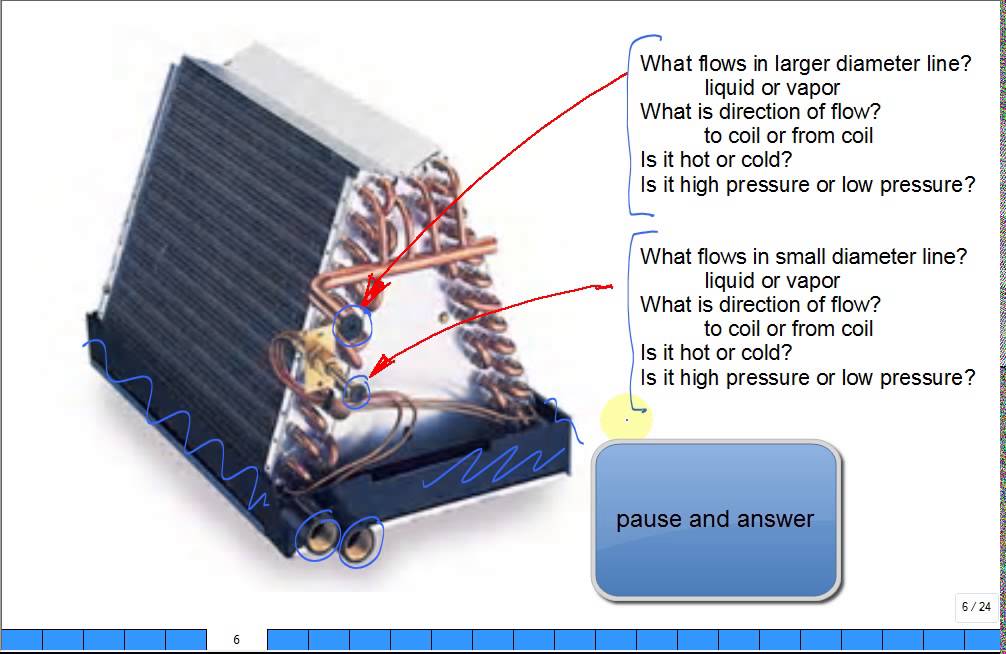
- Refrigerant Flow: Liquid refrigerant, under low pressure, flows into the evaporator coil.
- Heat Absorption: As warm air from your home is blown across the coil's fins, the refrigerant absorbs the heat.
- Phase Change: The absorption of heat causes the liquid refrigerant to change into a low-pressure gas. This phase change is what cools the air.
- Refrigerant Return: The gaseous refrigerant travels back to the compressor, where the cycle begins again.
- Condensate Formation: As the warm, humid air passes over the cold coil, moisture condenses on the coil's surface. This condensate is drained away through a drain line.
Analogy: Think of the evaporator coil like a sponge soaking up water. In this case, it's soaking up heat from the air. As the "sponge" (refrigerant) absorbs the heat, it turns into a gas and is squeezed out (compressed) to repeat the process.
Common Evaporator Coil Problems
Several issues can affect the performance of an evaporator coil, leading to reduced cooling efficiency and potential system failure. Understanding these problems is crucial for timely diagnosis and repair.
Dirty Evaporator Coil
Dust, dirt, and debris accumulate on the coil's surface, insulating it and reducing its ability to transfer heat. This is the most common problem. The unit has to work harder to try and cool the house, and this reduces efficiency. This means that the air coming out of the vents isn't as cool as it should be.
Frozen Evaporator Coil
A frozen coil occurs when the coil's temperature drops below freezing, causing moisture to freeze on its surface. This ice buildup further insulates the coil, hindering heat transfer and potentially damaging the compressor. Low refrigerant charge, restricted airflow (dirty air filter, blocked vents), or a faulty blower motor are common causes.
Real-world example: A homeowner notices that their AC is running constantly, but the house isn't getting cooler. They check the indoor unit and find a thick layer of ice on the evaporator coil. This indicates a frozen coil, likely due to low refrigerant or a clogged air filter.
Refrigerant Leaks
Refrigerant leaks can occur due to corrosion or physical damage to the coil. Leaks reduce the system's cooling capacity and can lead to compressor damage if not addressed promptly. A telltale sign is a hissing sound near the coil, accompanied by reduced cooling performance.
Note: Refrigerant leaks are also an environmental concern, as refrigerants can contribute to ozone depletion and global warming. It is important to have a qualified technician repair any refrigerant leaks and recover the refrigerant properly.
Corrosion
Exposure to moisture and certain chemicals can cause corrosion on the coil's surface. Corrosion reduces the coil's heat transfer efficiency and can eventually lead to leaks.
Example: Coastal areas are more prone to corrosion due to the salty air. Similarly, indoor environments with high humidity or chemical exposure (e.g., near swimming pools) can accelerate corrosion.
Clogged Drain Line
Condensate that forms on the evaporator coil needs to drain properly. If the drain line becomes clogged with algae, mold, or debris, water can back up, causing water damage and potentially leading to mold growth. A sign of a clogged drain line is water leaking from the indoor unit.
Maintenance and Prevention
Regular maintenance is essential for preventing evaporator coil problems and ensuring optimal system performance.
- Regular Air Filter Replacement: Replace your air filter every 1-3 months to maintain proper airflow and prevent dust and debris from accumulating on the coil.
- Professional Cleaning: Schedule annual professional cleaning of the evaporator coil to remove any accumulated dirt and debris. Technicians use specialized cleaning solutions and tools to safely and effectively clean the coil.
- Leak Detection and Repair: Have your HVAC system inspected annually for refrigerant leaks. Promptly repair any leaks to prevent further damage and maintain optimal cooling performance.
- Drain Line Maintenance: Periodically flush the condensate drain line with a solution of bleach and water to prevent clogs. You can also use commercially available drain line cleaners.
- Coil Coating: Consider applying a protective coating to the evaporator coil to prevent corrosion, especially in harsh environments. These coatings can extend the coil's lifespan and improve its efficiency.
Cost and Lifespan
The cost of replacing an evaporator coil can vary depending on the size of the unit, the type of coil, and the labor involved. Replacement costs can range from a few hundred dollars to several thousand dollars. The lifespan of an evaporator coil typically ranges from 10 to 15 years, but this can vary depending on maintenance practices and environmental conditions. Proper maintenance can significantly extend the coil's lifespan.
Consider the Seasonal Energy Efficiency Ratio (SEER) and Heating Seasonal Performance Factor (HSPF) ratings when comparing different HVAC systems. Higher ratings indicate greater energy efficiency, which can translate to lower operating costs over the system's lifespan.
Conclusion
The evaporator coil is a vital component of any air conditioning or heat pump system. Understanding its appearance, function, common problems, and maintenance requirements is crucial for homeowners, HVAC technicians, and facility managers. By performing regular maintenance and addressing problems promptly, you can ensure optimal performance, extend the lifespan of your evaporator coil, and maintain a comfortable indoor environment.