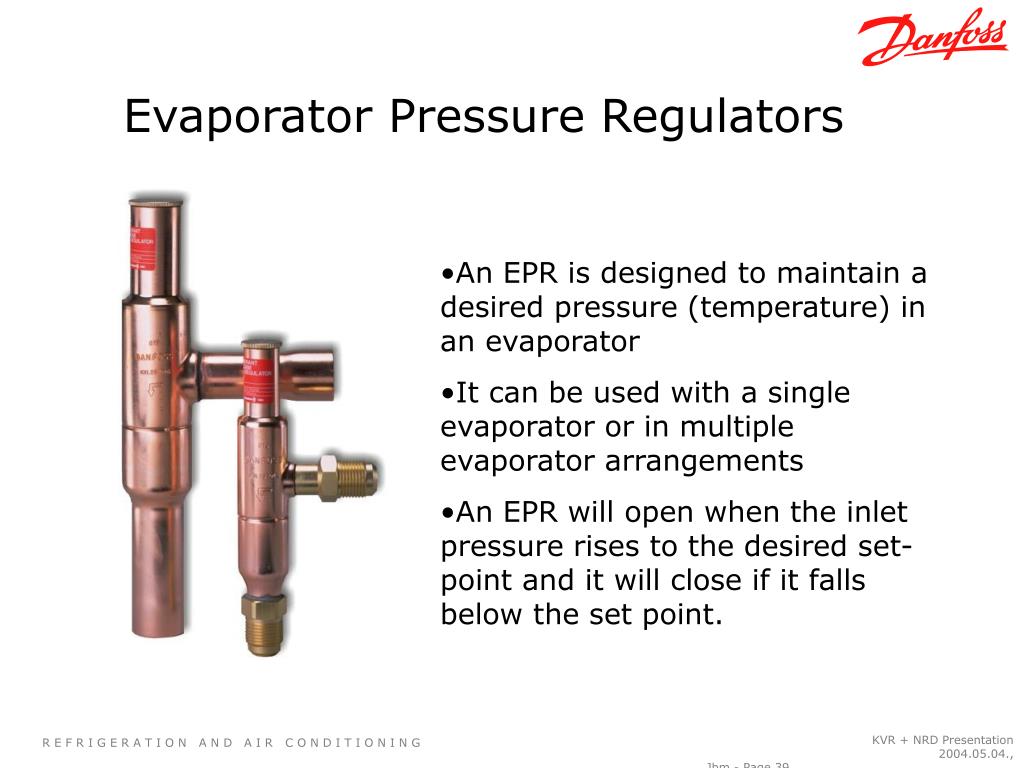
What Does An Evaporator Pressure Regulator Do
Have you noticed that some rooms in your house are freezing cold while others feel perfectly fine, even though your thermostat is set to a comfortable temperature? Or perhaps your central AC unit seems to run constantly, but never quite cools the entire house properly? This inconsistent cooling (or heating) can be incredibly frustrating. While there are several potential causes, one often-overlooked culprit might be an issue with the evaporator pressure regulator (EPR), especially if you have a more complex HVAC system with multiple evaporator coils.
Let's break down what an EPR does, how it can fail, and some basic troubleshooting steps you can take before calling in a professional. Remember, working with HVAC systems involves refrigerant and electrical components, so safety is paramount. If you're not comfortable with any of these steps, please call a qualified HVAC technician.
What is an Evaporator Pressure Regulator (EPR)?
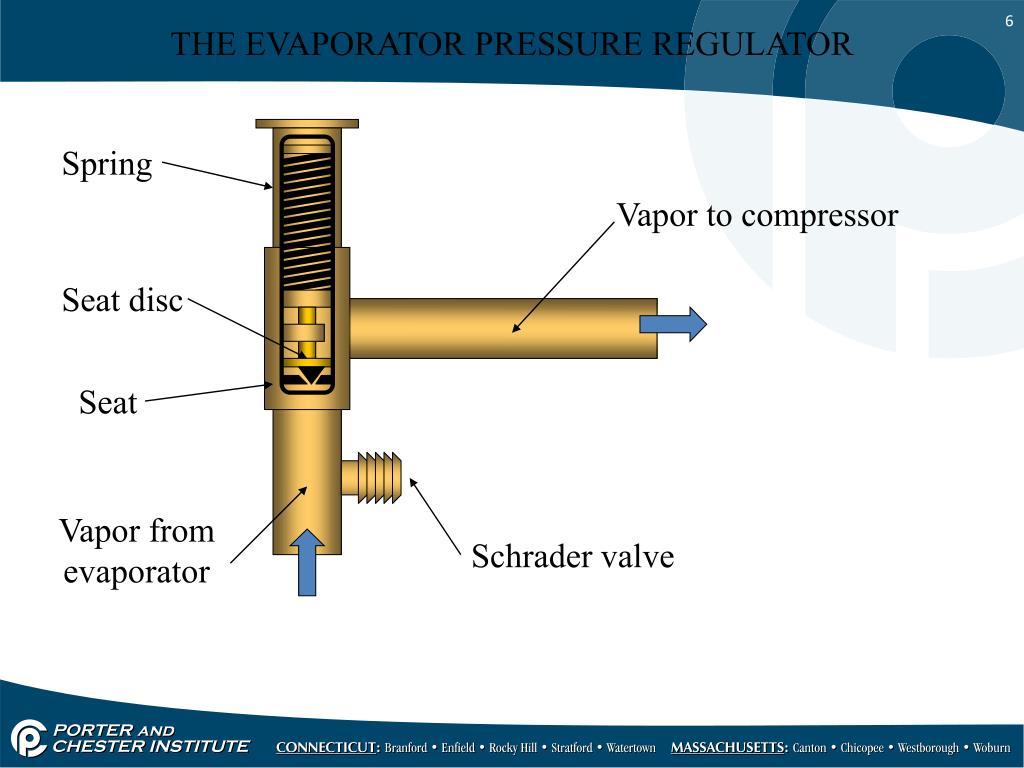
The evaporator pressure regulator, sometimes called a suction pressure regulator, is a valve installed in the suction line (the line that carries refrigerant vapor *away* from the evaporator coil and *back* to the compressor). Its primary job is to maintain a minimum pressure in the evaporator coil. Think of it as a gatekeeper for the refrigerant leaving the evaporator.
Why is this important? Because the pressure in the evaporator coil directly affects its temperature. Lower pressure means lower temperature. In systems with multiple evaporator coils serving different zones, an EPR allows you to maintain different evaporator temperatures in each zone. This prevents coils from getting too cold (which can lead to freezing) and ensures that each zone gets the proper amount of cooling based on its individual needs.
Imagine a scenario where one zone requires very little cooling, while another needs a lot. Without an EPR, the coil serving the low-demand zone might get so cold that it freezes up. The EPR prevents this by restricting the flow of refrigerant out of that coil, maintaining a higher pressure (and therefore a higher temperature) within the coil.
Symptoms of a Faulty EPR
Here are some common signs that your EPR might be malfunctioning:
- Inconsistent cooling/heating between zones: This is the most common symptom. One zone might be significantly colder or warmer than others.
- Evaporator coil freezing: If the EPR fails in a way that allows too much refrigerant to flow, the coil can get excessively cold and freeze up.
- High energy bills: An improperly functioning EPR can cause the compressor to work harder than necessary, leading to increased energy consumption.
- Short cycling of the compressor: The compressor turns on and off frequently, which is inefficient and can damage the compressor over time.
- High superheat: This requires specialized tools to measure, but a technician can diagnose this issue. Superheat refers to the temperature difference between the refrigerant vapor leaving the evaporator coil and its saturation temperature.
Troubleshooting Steps: A DIY Approach (With Caution!)
Before calling a professional, here are some steps you can take to diagnose the problem. Remember to turn off your HVAC system at the breaker before performing any of these checks!
Step 1: Visual Inspection (No Tools Required)
What to look for:
- Ice buildup on the evaporator coils: Check the evaporator coils in each zone. If you see ice, that's a strong indication of a problem. *Do not try to chip the ice off*. Let it melt naturally after turning off the system.
- Dirty air filters: A dirty air filter restricts airflow, which can contribute to evaporator coil freezing. Change your air filters regularly! This is the easiest and most important thing you can do to maintain your HVAC system.
- Damaged or kinked refrigerant lines: Look for any obvious damage to the refrigerant lines running to and from the evaporator coils. Kinks can restrict refrigerant flow.
- Listen for unusual noises: A hissing sound near the EPR could indicate a refrigerant leak.
DIY Action:
- Replace dirty air filters. This is a simple task that can often resolve minor cooling issues.
- Ensure vents are open and unobstructed. Make sure that air vents in all rooms are fully open and not blocked by furniture or other objects.
- Visually inspect for obvious damage. Note any damage and be prepared to describe it to an HVAC technician.
Step 2: Thermostat Check (No Tools Required)
What to look for:
- Thermostat settings: Ensure the thermostat is set to the correct mode (cooling or heating) and that the temperature setting is appropriate.
- Thermostat batteries: Replace the batteries in your thermostat if it's battery-powered. Low batteries can cause erratic behavior.
- Thermostat programming: Make sure the thermostat is programmed correctly for your desired schedule.
DIY Action:
- Adjust thermostat settings. Verify the thermostat is set correctly.
- Replace thermostat batteries. A simple step that can resolve many issues.
- Review and adjust thermostat programming. Make sure your schedule is correct.
Step 3: Checking Refrigerant Lines (Requires Basic Equipment & Caution)
What to look for:
- Temperature differences: *This requires a non-contact infrared thermometer*. Carefully measure the temperature of the refrigerant lines entering and exiting the EPR. A significant temperature difference can indicate a problem with the valve. However, interpreting these temperature readings requires knowledge of refrigeration cycles, so use caution!
DIY Action:
- Measure refrigerant line temperatures (with extreme caution and proper equipment). If you're comfortable using an infrared thermometer, take readings of the lines entering and exiting the EPR. Document your readings. If there's a significant difference (more than 10-15 degrees Fahrenheit) and you understand refrigeration principles, it *might* indicate a problem with the valve.
Important Safety Note: *Refrigerant can cause frostbite. Wear gloves and eye protection when working near refrigerant lines. If you suspect a refrigerant leak, do not attempt to repair it yourself. Call a qualified HVAC technician immediately.*
Step 4: Manifold Gauge Set (Requires Advanced Skills & Equipment - *NOT RECOMMENDED FOR DIY*)
Using a manifold gauge set to check refrigerant pressures is an advanced procedure that should only be performed by a qualified HVAC technician. Incorrect use of manifold gauges can be dangerous and can damage your HVAC system.
Attempting to connect gauges to the system without proper training can result in serious injury and damage to your equipment. Leave this to the professionals.
When to Call a Professional
You should definitely call a qualified HVAC technician if:
- You suspect a refrigerant leak.
- You see ice buildup on the evaporator coils and it doesn't resolve after changing the air filter and letting the ice melt.
- You are uncomfortable working with electrical components or refrigerant lines.
- You suspect the EPR itself is faulty. Replacing an EPR requires specialized tools and knowledge of refrigeration systems.
- You have attempted the basic troubleshooting steps and the problem persists.
- You are unsure about any aspect of the troubleshooting process.
In summary: If you suspect a problem with your evaporator pressure regulator, start with the simple checks: air filter, thermostat settings, and visual inspection. If those don't resolve the issue, it's best to call a professional. Working with refrigerant and HVAC systems can be dangerous, and it's always better to be safe than sorry.
By understanding the function of the evaporator pressure regulator and taking some basic troubleshooting steps, you can potentially save yourself time and money. However, always prioritize safety and don't hesitate to call a professional when needed.