What Does Circulate Mean On A Thermostat

Frequently Asked Questions: Understanding the 'Circulate' Setting on Your Thermostat
The 'Circulate' setting on your thermostat can be a bit of a mystery. Many homeowners and facility managers wonder how it works and when it's best to use it. This FAQ aims to demystify the circulate mode and help you make informed decisions about your HVAC system.
Question 1: What does "Circulate" actually mean on my thermostat?
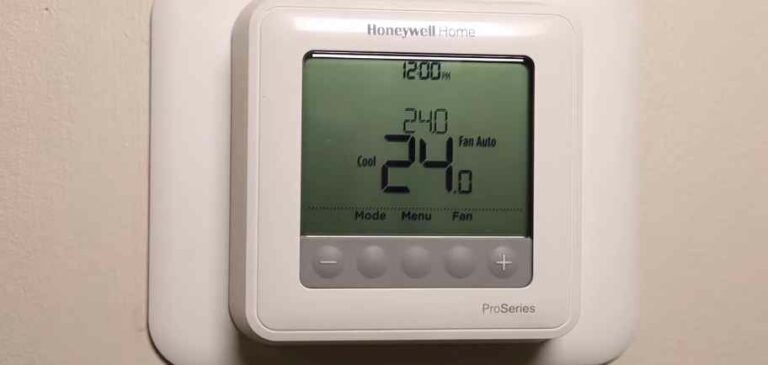
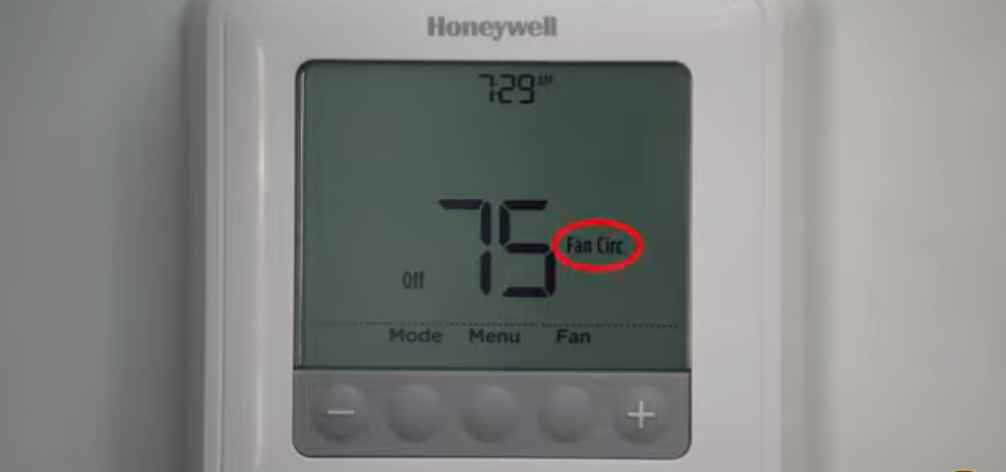
The "Circulate" setting, sometimes labeled "Fan Auto/On/Circulate," controls how your HVAC system's blower fan operates when heating or cooling isn't actively running. Instead of the fan only running when your system is heating or cooling, the "Circulate" mode makes the fan run periodically, even when your system isn't actively heating or cooling your space. It essentially turns your HVAC fan into a whole-house fan for a certain amount of time each hour.
Question 2: How does the "Circulate" mode differ from the "Auto" and "On" fan settings?
Here's a breakdown of the key differences:
- Auto: The fan only runs when the heating or cooling system is actively working to reach the set temperature. When the desired temperature is reached, the fan shuts off. This is typically the most energy-efficient setting.
- On: The fan runs constantly, 24/7, regardless of whether the heating or cooling system is running. This provides continuous air circulation but uses significantly more energy.
- Circulate: The fan runs intermittently, typically for a set amount of time per hour (e.g., 20-30 minutes), even when heating or cooling isn't needed. This provides better air circulation than "Auto" but uses less energy than "On."
Think of "Circulate" as a compromise between the energy savings of "Auto" and the consistent airflow of "On." It provides air movement without the constant energy drain.
Question 3: What are the benefits of using the "Circulate" mode on my thermostat?
The "Circulate" mode offers several potential benefits, including:
- Improved Air Distribution: Helps distribute heated or cooled air more evenly throughout your home or building, reducing temperature imbalances between rooms. This can lead to more comfortable and consistent temperatures.
- Better Air Filtration: When the fan is running, it's pulling air through your HVAC system's air filter. This can help remove dust, pollen, pet dander, and other airborne particles from the air, improving indoor air quality. Even short periods of circulation help filter the air.
- Reduced Humidity: By circulating air, the "Circulate" mode can help prevent stagnant air pockets where moisture can accumulate, potentially reducing humidity levels and the risk of mold growth. While not a dehumidifier, it aids in air movement.
- Increased Comfort: Consistent air movement can create a more comfortable environment, especially in areas prone to feeling stuffy or stagnant.
- Supplement Filtration: If you have standalone air purifiers or other air quality devices, circulate mode will help the air reach those devices, enabling them to do their jobs better.
However, it's important to weigh these benefits against the increased energy consumption.
Question 4: When is the best time to use the "Circulate" setting? Are there specific seasons or situations?
The "Circulate" mode can be particularly beneficial in the following situations:
- During periods of high pollen or allergen levels: Running the fan intermittently can help filter out these allergens from the air.
- When cooking or using cleaning products: Circulating the air can help remove odors and pollutants.
- In homes or buildings with poor air circulation: If some rooms tend to be colder or hotter than others, "Circulate" can help even out the temperature.
- When you want to improve indoor air quality: Even if you don't have allergies, regular air circulation and filtration can improve overall air quality.
- During mild weather: When neither heating nor cooling is needed, using "Circulate" can help prevent the air from becoming stagnant.
Consider using "Circulate" during these times to maximize its benefits. It might be less useful during times when you are away from home, or when the outside air is particularly dirty (such as during wildfire season.)
Question 5: Will using the "Circulate" mode significantly increase my energy bill? How can I minimize the impact?
Yes, using the "Circulate" mode will increase your energy bill compared to using the "Auto" setting. The extent of the increase depends on:
- The efficiency of your blower fan motor: Newer, ECM (electronically commutated motor) fans are far more energy-efficient than older PSC (permanent split capacitor) motors. An ECM fan will use significantly less energy in circulate mode.
- The duration of the "Circulate" cycle: Some thermostats allow you to adjust how long the fan runs per hour in "Circulate" mode.
- Your local electricity rates: The higher your electricity rates, the more you'll pay to run the fan.
- The size of your system: Larger systems have larger fans that use more energy.
To minimize the impact on your energy bill:
- Consider upgrading to a thermostat with an ECM fan: This can significantly reduce the energy consumption of the "Circulate" mode.
- Adjust the "Circulate" cycle duration: If your thermostat allows it, reduce the amount of time the fan runs per hour. Experiment to find a balance between air circulation and energy efficiency. Start with 20 minutes per hour and adjust from there.
- Use "Circulate" strategically: Only use it when you feel it's necessary, such as during allergy season or when you notice uneven temperatures.
- Ensure your air filter is clean: A clogged air filter forces the fan to work harder, increasing energy consumption. Change your filter regularly.
Consider using a smart thermostat to monitor your energy usage and optimize your "Circulate" settings.
Question 6: My thermostat doesn't have a "Circulate" option. What are my alternatives for improving air circulation?
If your thermostat lacks a dedicated "Circulate" mode, here are some alternative strategies:
- Run the "On" setting strategically: Instead of running the fan constantly, schedule it to run for a few hours each day, perhaps during peak activity times or when you're most likely to be at home.
- Use portable fans: Strategically placed fans can help circulate air in specific rooms or areas. Choose energy-efficient models.
- Open windows and doors (when weather permits): Natural ventilation can be a great way to circulate air and improve indoor air quality. However, be mindful of outdoor allergens and pollution.
- Consider a whole-house fan: A whole-house fan can be a more energy-efficient way to circulate air than running your HVAC system's fan constantly.
- Upgrade your thermostat: Consider upgrading to a smart thermostat that offers more advanced fan control options, including a "Circulate" mode.
These options allow you to manage airflow without necessarily relying on a dedicated "Circulate" setting.
Question 7: Are there any potential downsides to using the "Circulate" mode?
While the "Circulate" mode offers several benefits, it's important to be aware of potential downsides:
- Increased energy consumption: As mentioned earlier, running the fan intermittently will increase your energy bill compared to the "Auto" setting.
- Potential for spreading contaminants: If your air filter is dirty or your ductwork is contaminated, running the fan can circulate these contaminants throughout your home. This is why regular filter changes and duct cleaning are important.
- Noise: The sound of the fan running intermittently can be disruptive to some people.
- May worsen dry air: Especially in winter, running the fan can exacerbate dry air conditions, as it can draw moisture out of the air. Consider using a humidifier if this is a concern.
Weigh these potential downsides against the benefits before deciding whether to use the "Circulate" mode regularly. Regular maintenance of your HVAC system will also help mitigate some of these issues.