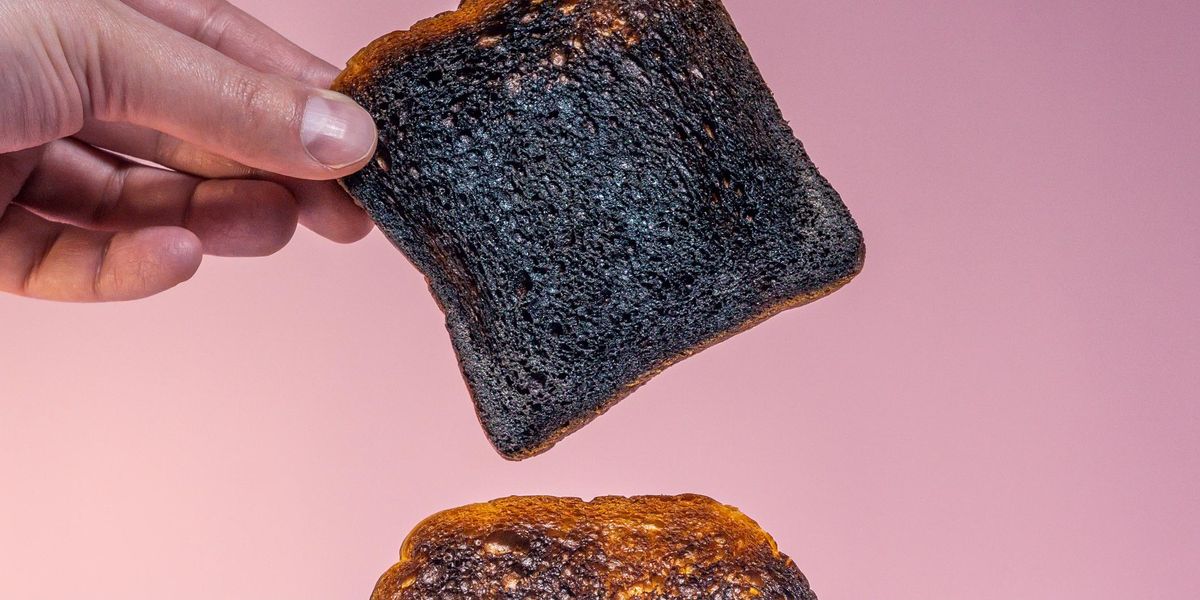
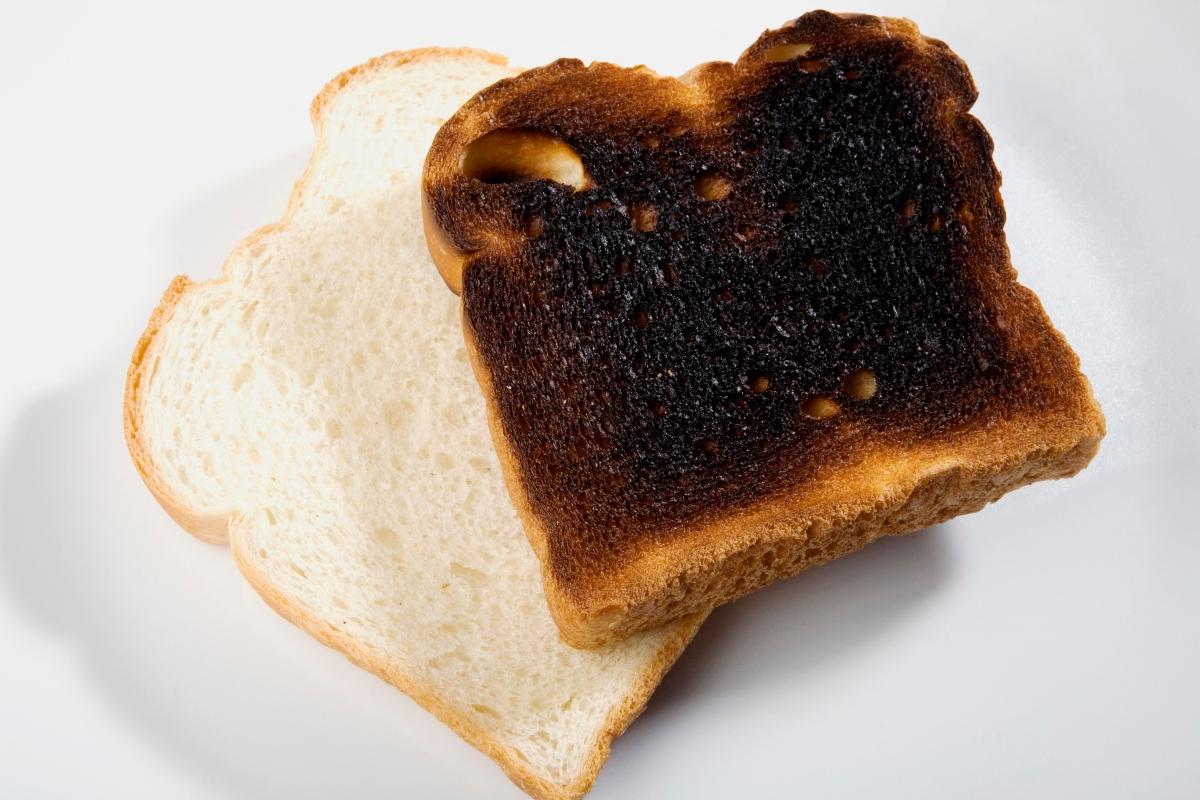
What Does It Mean If You Smell Burnt Toast
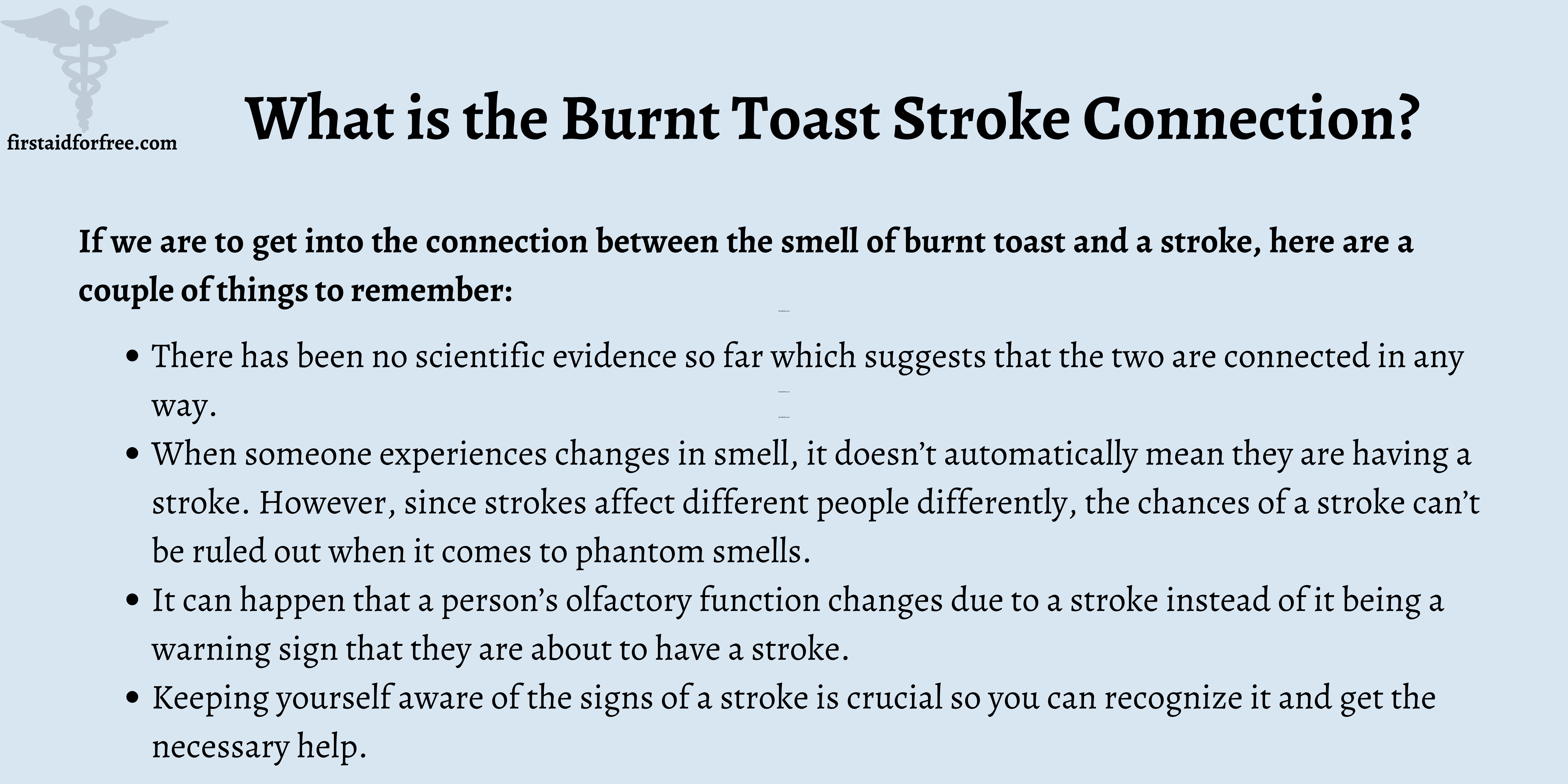
That faint, acrid smell of burnt toast lingering in your home? It's more than just a forgotten breakfast; it could be a warning sign related to your home's electrical system, and sometimes, specifically, your HVAC system. While a real piece of burnt toast is easily identified and remedied, this phantom smell needs immediate attention. This guide will help you pinpoint the source and understand what to do next.
Is It Really Burnt Toast? Ruling Out the Obvious
Before jumping to conclusions about electrical faults, let's exhaust the simple possibilities:
- Kitchen Check: Thoroughly inspect your kitchen. Toaster ovens, regular toasters, even residue on the stovetop can produce a lingering burnt smell. Clean appliances and countertops.
- Appliances: Run a smell test on other heat-generating appliances like coffee makers or hair dryers. A malfunctioning heating element can emit a similar odor.
- Food Leftovers: Check for forgotten food in ovens, microwaves, or even inside cabinet drawers. Decomposition can sometimes mimic a burnt smell.
If you've eliminated these possibilities, it's time to consider a more serious cause.
The Electrical Connection: When Burnt Toast Means Trouble
The most common reason for a "burnt toast" smell is overheating electrical components. This is because the insulation around wires and components can produce a similar odor when they start to melt or burn. This is a fire hazard and requires immediate attention.
Common Sources of Electrical Burning Smells:
- Overloaded Circuits: Too many devices plugged into one circuit can cause wires to overheat.
- Faulty Wiring: Old, damaged, or loose wiring can arc, creating heat and a burning smell.
- Failing Appliances: The internal components of appliances (refrigerators, ovens, washing machines) can fail and overheat.
- Electrical Outlets and Switches: Loose connections or worn-out components in outlets and switches can cause burning smells and even sparks.
HVAC Components and the Burnt Toast Smell
Your HVAC system, being a complex network of electrical and mechanical parts, is also a potential source of this concerning smell. Let's investigate the most common HVAC-related culprits:
Furnace Issues:
A burning smell emanating from your vents, particularly when the furnace first kicks on for the season, could indicate several problems:
- Dust Buildup: This is the most common and least dangerous cause. Dust accumulated on the heat exchanger burns off when the furnace is activated. The smell should dissipate after a short period (usually a few hours).
- Motor Overheating: The blower motor or inducer motor can overheat due to lack of lubrication, excessive dust, or a failing capacitor.
- Faulty Wiring within the Furnace: This is a serious concern. Inspect the wiring inside the furnace (after turning off the power at the breaker!) for any signs of melted insulation or burned connections.
- Heat Exchanger Problems: A cracked heat exchanger is a major safety issue, potentially leaking carbon monoxide into your home. This may or may not be accompanied by a distinct smell, but any unusual furnace odor warrants immediate professional inspection.
Air Conditioner Issues:
While less common than in furnaces, burnt smells can also arise from your air conditioning system:
- Compressor Problems: A failing compressor can overheat and emit a burning smell. This is often accompanied by a decrease in cooling performance.
- Fan Motor Issues: Similar to the furnace, the fan motor in your outdoor AC unit or the blower motor in your indoor unit can overheat.
- Electrical Problems: Again, faulty wiring within the air conditioning unit is a potential source of burning smells.
Troubleshooting: A Step-by-Step Approach
If you suspect the "burnt toast" smell originates from your HVAC system, follow these steps carefully:
- Safety First: Immediately turn off the power to the suspected appliance or HVAC unit at the breaker.
- Visual Inspection:
- Furnace: Remove the access panel (after turning off the power!). Look for signs of burning, melted wires, or excessive dust accumulation. Be extremely careful not to disturb anything.
- Air Conditioner (Outdoor Unit): Inspect the wiring connections and the compressor for signs of overheating or damage.
- Air Conditioner (Indoor Unit): Check the blower motor and surrounding components for any signs of burning.
- Smell Test (with power OFF): Carefully sniff around the suspected appliance or HVAC unit to pinpoint the source of the burning smell.
- Check Air Filter: A severely clogged air filter can restrict airflow, causing the furnace or AC unit to work harder and potentially overheat. Replace a dirty air filter immediately.
DIY vs. Calling a Professional: Knowing Your Limits
Some simple tasks, like replacing a dirty air filter or cleaning dust from around the furnace, can be safely performed by homeowners. However, any work involving electrical components, refrigerant, or complex mechanical repairs should be left to a qualified HVAC technician.
When to Call a Professional Immediately:
- You see smoke or sparks coming from any appliance or electrical outlet.
- You smell a strong, acrid burning smell, especially accompanied by a metallic or chemical odor.
- You suspect a gas leak.
- You are uncomfortable working with electricity.
- You suspect a cracked heat exchanger in your furnace. Carbon monoxide is a silent killer.
Tools and Parts You Might Need (For Simple DIY Tasks):
- Screwdrivers (various sizes and types)
- Wrench set
- Vacuum cleaner with hose attachment
- Air filter (correct size for your HVAC system)
- Multimeter (for basic electrical testing, *use with caution and proper training*)
- Wire stripper/cutter (for basic wire repairs, *use with caution and proper training*)
- Electrical tape
Estimated Repair Costs: A General Guide
These are approximate costs and can vary significantly depending on your location, the complexity of the repair, and the HVAC contractor you choose. Always get multiple quotes before proceeding with any repairs.
- Air Filter Replacement: $10 - $30 (DIY) or $50 - $100 (professional)
- Blower Motor Replacement: $300 - $800
- Compressor Replacement (Air Conditioner): $1,200 - $3,000+
- Furnace Heat Exchanger Replacement: $1,500 - $4,000+ (often more cost-effective to replace the entire furnace)
- Electrical Wiring Repair: $100 - $500+ (depending on the extent of the damage)
- Service Call Fee: $75 - $150 (typically applied towards the cost of the repair)
Preventative Maintenance: Avoiding the Burnt Toast Smell
Regular maintenance is key to preventing HVAC problems and the dreaded "burnt toast" smell:
- Annual HVAC Inspection: Schedule a professional inspection and tune-up for your furnace and air conditioner each year.
- Replace Air Filters Regularly: Check your air filter monthly and replace it every 1-3 months, depending on usage and air quality.
- Keep Vents Clear: Ensure that vents are not blocked by furniture or other objects.
- Clean Around Outdoor AC Unit: Remove any debris, plants, or weeds that are growing near the outdoor unit.
Key Takeaways:
- A "burnt toast" smell in your home should never be ignored.
- The most common cause is overheating electrical components.
- Your HVAC system is a potential source of this smell.
- Safety is paramount. Turn off the power to the suspected appliance or HVAC unit before inspecting it.
- Know your DIY limits and when to call a qualified professional.
- Preventative maintenance is crucial for avoiding HVAC problems.
By understanding the potential causes and taking appropriate action, you can protect your home and family from the dangers associated with electrical and HVAC-related burning smells. If in doubt, always err on the side of caution and call a qualified HVAC technician.