What Does The Ac Capacitor Do
If your air conditioner is sputtering, humming weakly, or just refusing to turn on at all, the problem might not be the compressor itself, but a small, often overlooked component: the AC capacitor. Understanding what an AC capacitor does and how it impacts your system’s energy efficiency can save you money on repairs and, more importantly, lower your monthly energy bills.
What is an AC Capacitor and Where is it Located?
Think of an AC capacitor as a rechargeable battery – albeit one that releases its energy very quickly. It's an electrical component responsible for giving the compressor and the fan motors in your air conditioning system the initial jolt of power they need to start. These motors require a significant amount of energy to overcome inertia and begin rotating. The capacitor stores energy and releases it in a burst, reducing the load on your electrical grid and preventing voltage sags that could damage other appliances.
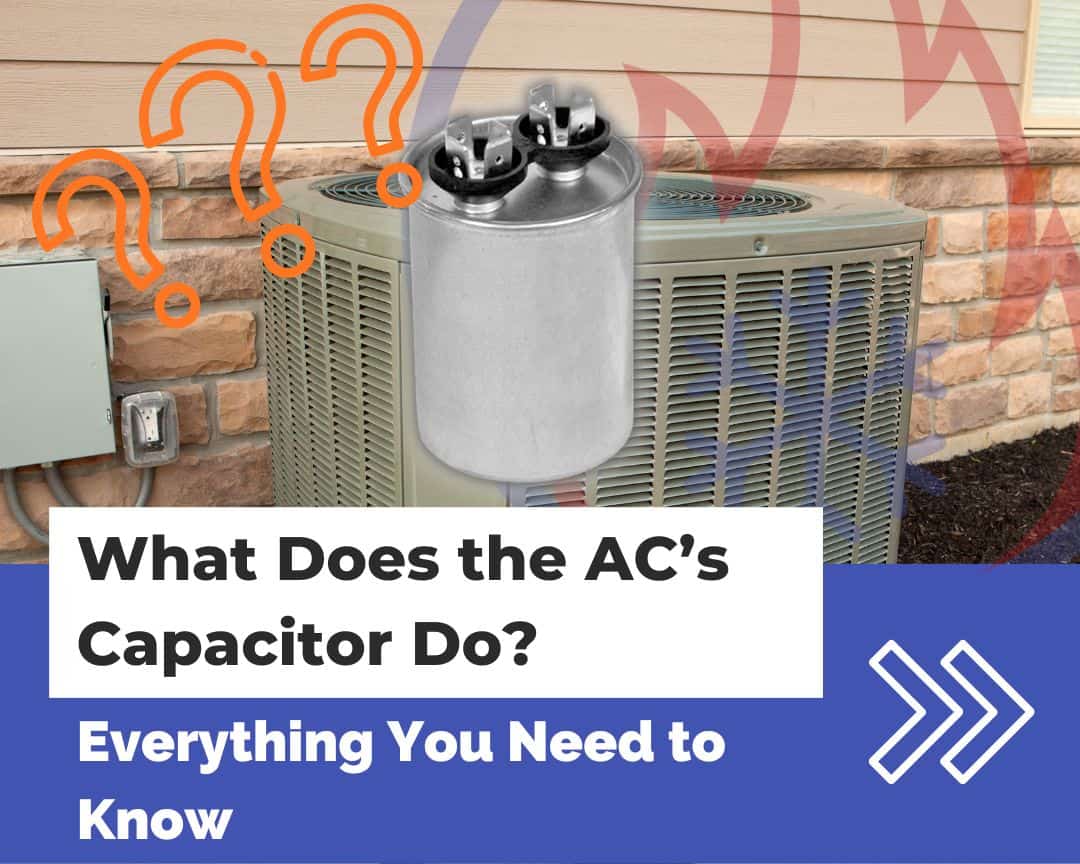
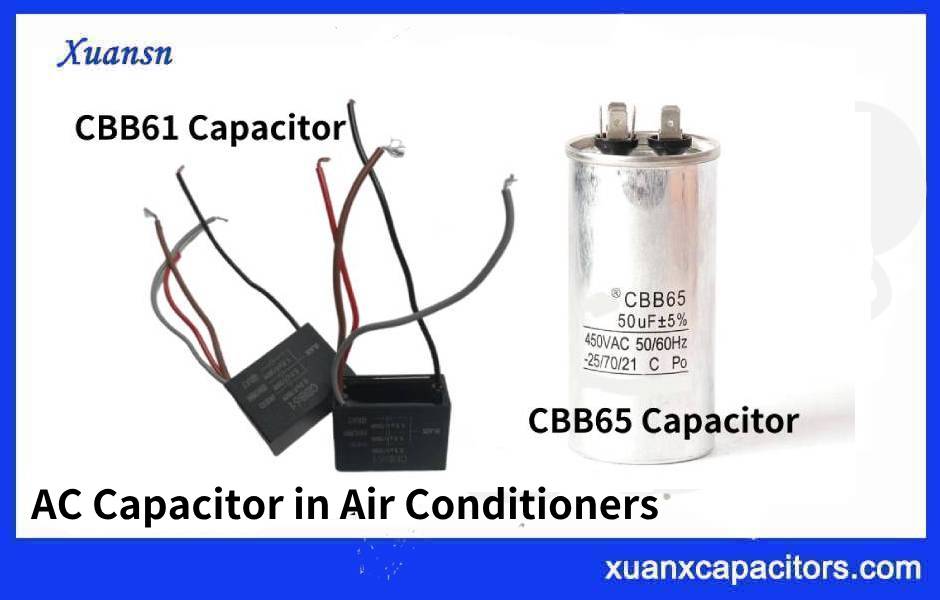
You'll typically find AC capacitors inside the outdoor unit of your air conditioner, housed in a control panel. This panel also contains other electrical components, but the capacitor is usually a cylindrical component, often silver or gray, with terminals on top. There are typically two types of capacitors used in AC systems:
- Start Capacitors: These capacitors provide a powerful burst of energy to start the motor, then quickly disconnect from the circuit.
- Run Capacitors: These capacitors provide continuous energy to the motor, helping it run efficiently. Many modern AC units use a dual run capacitor that serves both the compressor and the fan motor.
The Role of the AC Capacitor in Energy Efficiency
A functioning capacitor is crucial for the energy efficiency of your AC system. Here's why:
- Reduced Starting Load: Without a capacitor, the motor would struggle to start, drawing significantly more amperage from your electrical supply. This surge of power not only strains your electrical system but also wastes energy. A healthy capacitor ensures a smooth start-up, minimizing energy waste.
- Optimized Motor Performance: The run capacitor helps the motor operate at its optimal speed and torque. A failing capacitor can cause the motor to run inefficiently, drawing more power than necessary. Over time, this can lead to increased energy consumption and higher electricity bills.
- Extended Motor Lifespan: A failing capacitor can put undue stress on the motor, leading to premature wear and tear. By ensuring the motor receives the correct voltage and current, the capacitor helps extend its lifespan, saving you money on costly motor replacements.
According to the Energy Star program, maintaining your AC system, including replacing worn capacitors, can improve efficiency by as much as 15%. That translates into a significant reduction in your energy bills, especially during peak cooling season.
Signs of a Failing AC Capacitor
Recognizing the signs of a failing capacitor can help you address the issue before it causes further damage or leads to a complete AC system failure. Common symptoms include:
- Humming Noise: A faint humming noise from the AC unit, especially when it attempts to start, can indicate a capacitor struggling to deliver the necessary power.
- Delayed Start-up: If your AC takes longer than usual to start, or if it starts and stops intermittently, the capacitor may be weakening.
- Fan Issues: The outdoor fan may spin slowly or not at all, even though the compressor is running.
- Increased Energy Bills: A sudden and unexplained increase in your energy bills could be a sign that your AC is working harder than it should due to a failing capacitor.
- AC Unit Doesn't Start: The most obvious sign is when the AC unit refuses to start at all.
Important Safety Note: AC capacitors store a high-voltage electrical charge, even when the unit is turned off. Do not attempt to diagnose or replace a capacitor yourself unless you are a qualified HVAC technician. Improper handling can result in serious injury or death.
The ROI of Replacing a Faulty AC Capacitor
Replacing a faulty AC capacitor is a relatively inexpensive repair that can yield significant returns in terms of energy savings and equipment longevity. The cost of a capacitor typically ranges from $50 to $200, depending on the type and size, plus the cost of labor for a qualified technician to install it. However, the energy savings you'll realize from a properly functioning AC system can quickly offset this cost.
Consider this scenario: A homeowner experiences a 20% increase in their energy bill during the summer months. After diagnosing the problem, an HVAC technician determines that the AC capacitor is failing. The homeowner spends $150 on a new capacitor and $100 on labor for installation. If the homeowner's average summer energy bill is $300, the 20% increase translates to an extra $60 per month. By replacing the capacitor, the homeowner saves $60 per month, recouping the cost of the repair in just over four months. In addition, the homeowner avoids potential damage to the compressor and fan motor, preventing even more costly repairs down the line.
Government Rebates and Incentives
Many local, state, and federal governments offer rebates and incentives for energy-efficient home improvements, including HVAC system upgrades and repairs. Check with your local utility company or visit the Energy Star website to see if you qualify for any rebates on capacitor replacement or other energy-saving measures. These rebates can further reduce the cost of the repair and accelerate your return on investment.
Smart HVAC Integration and Capacitor Monitoring
Smart thermostats and sensors can provide valuable insights into your AC system's performance, including capacitor health. Some smart thermostats can monitor voltage and current levels, alerting you to potential problems before they escalate. For example, a smart thermostat might detect a drop in voltage to the compressor, indicating a weakening capacitor. This allows you to schedule a repair before the capacitor fails completely, preventing a complete AC system breakdown during a heatwave.
Furthermore, smart HVAC systems can optimize energy consumption based on real-time conditions, such as occupancy and weather patterns. By adjusting the thermostat settings and fan speed, these systems can minimize the load on the compressor and fan motor, further extending the lifespan of the capacitor and reducing energy waste.
Choosing the Right Replacement Capacitor
When replacing an AC capacitor, it's crucial to choose the correct replacement. Capacitors are rated by capacitance (measured in microfarads, or µF) and voltage. The replacement capacitor must have the same or slightly higher voltage rating as the original. Using a capacitor with a lower voltage rating can lead to premature failure and potential damage to the system. The capacitance rating must match the original capacitor's rating. Using a capacitor with a significantly different capacitance rating can damage the motor or prevent it from starting.
It's always best to consult with a qualified HVAC technician to ensure you're selecting the correct replacement capacitor for your system.
Preventative Maintenance: Extending Capacitor Lifespan
While capacitors eventually fail due to normal wear and tear, you can take steps to extend their lifespan and prevent premature failure. Regular maintenance, such as cleaning the outdoor unit and ensuring proper airflow, can help prevent overheating, which can damage the capacitor. Consider scheduling annual AC maintenance with a qualified HVAC technician. During the maintenance visit, the technician can inspect the capacitor and other components for signs of wear and tear, and recommend any necessary repairs or replacements.
Here are a few preventative tips:
- Regular Cleaning: Keep the outdoor unit free from debris such as leaves, grass clippings, and dirt.
- Proper Airflow: Ensure that nothing is blocking airflow to the unit.
- Professional Inspection: Schedule an annual HVAC inspection.
Conclusion: A Small Part with a Big Impact
The AC capacitor may be a small and relatively inexpensive component, but it plays a vital role in the energy efficiency and overall performance of your air conditioning system. By understanding what an AC capacitor does, recognizing the signs of a failing capacitor, and taking steps to prevent premature failure, you can save money on energy bills, extend the lifespan of your AC system, and enjoy a more comfortable and energy-efficient home.
Remember to always consult with a qualified HVAC technician for any repairs or replacements involving electrical components. Prioritizing safety is paramount when dealing with high-voltage systems.