What Does The Air Handler Look Like
The air handler: it's a cornerstone of any forced-air HVAC system, often hidden away but absolutely critical to maintaining comfortable indoor environments. Whether you're a student just starting your HVAC journey, a seasoned technician looking to refresh your knowledge, or an employer seeking to better understand your equipment, knowing what an air handler looks like and its components is essential. This article provides a comprehensive overview, covering various types, components, visual cues, and practical knowledge for your HVAC career.
What Does an Air Handler Look Like? A Visual Guide
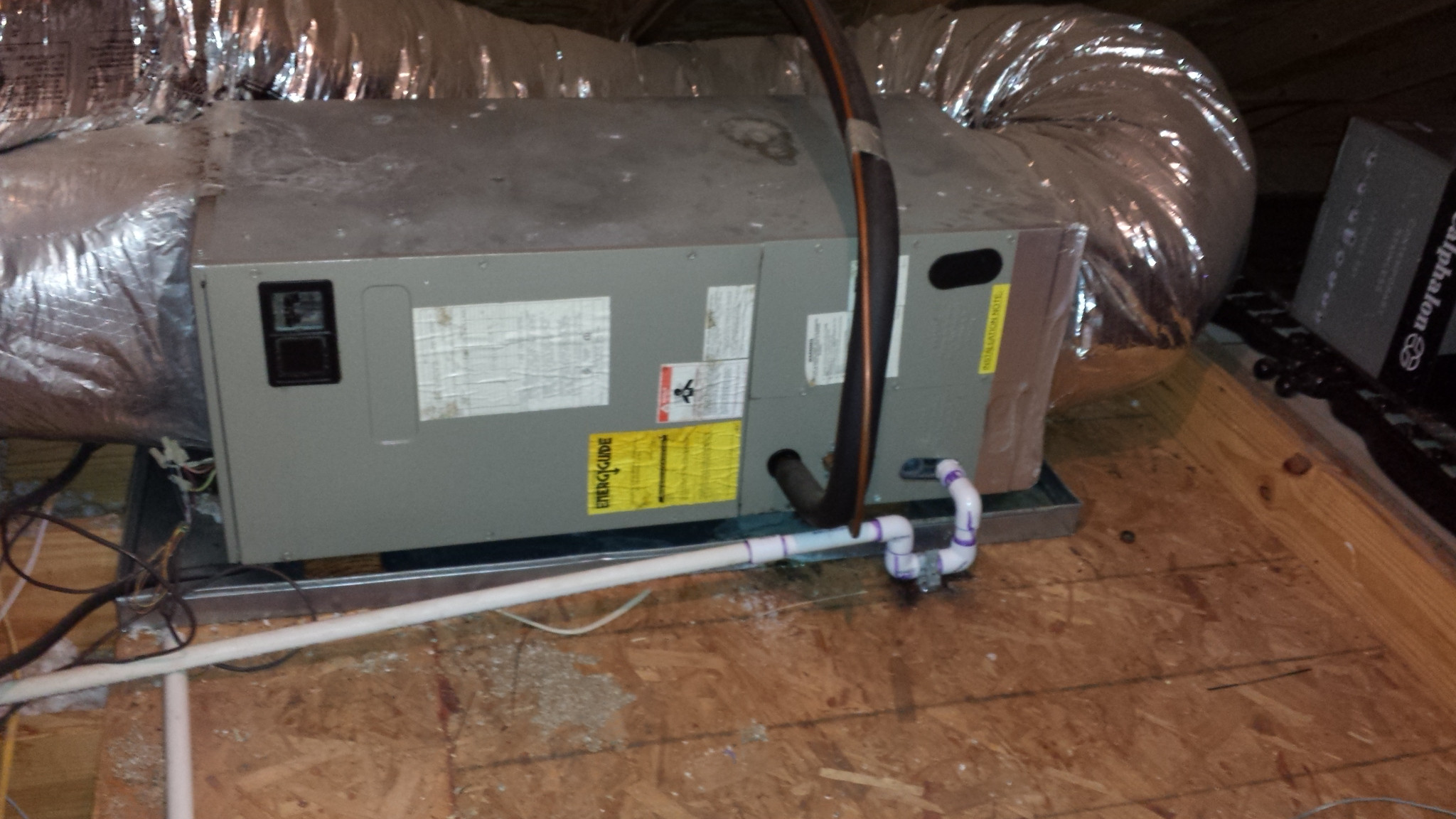
At its most basic, an air handler is a large, typically rectangular metal box. However, that description barely scratches the surface. The appearance of an air handler can vary considerably depending on its application, capacity, and manufacturer. Here’s a breakdown of what you might encounter:
Residential Air Handlers
These are generally smaller and designed to fit in closets, attics, basements, or utility rooms. Key visual characteristics include:
- Shape: Rectangular or box-like.
- Size: Varies depending on the BTU (British Thermal Units) capacity of the attached heat pump or air conditioner. Expect dimensions ranging from 3-5 feet tall, 2-4 feet wide, and 2-3 feet deep.
- Material: Galvanized steel, often powder-coated for durability and aesthetics.
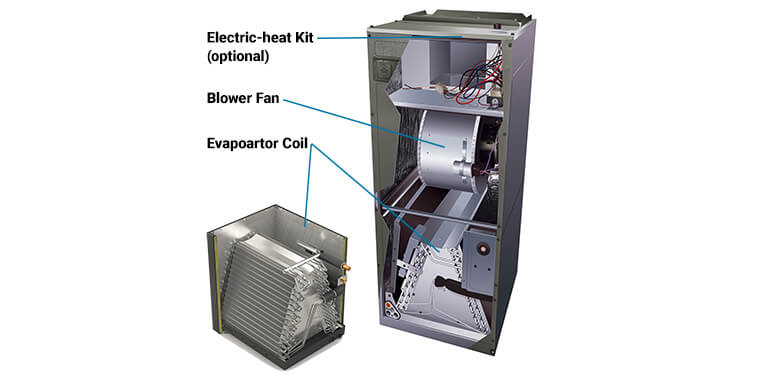
- Access Panels: Typically, multiple removable panels secured with screws or clips. These provide access to the blower motor, filter, evaporator coil, and other components.
- Duct Connections: Round or rectangular openings for connecting to supply and return air ducts.
- Drain Line: A small PVC pipe extending from the unit to drain condensate.
Look for model and serial number labels, often located on the exterior of the unit. These labels are vital for identifying the air handler's specifications, voltage requirements, and refrigerant type (if applicable, for units with electric heating coils).
Commercial Air Handlers
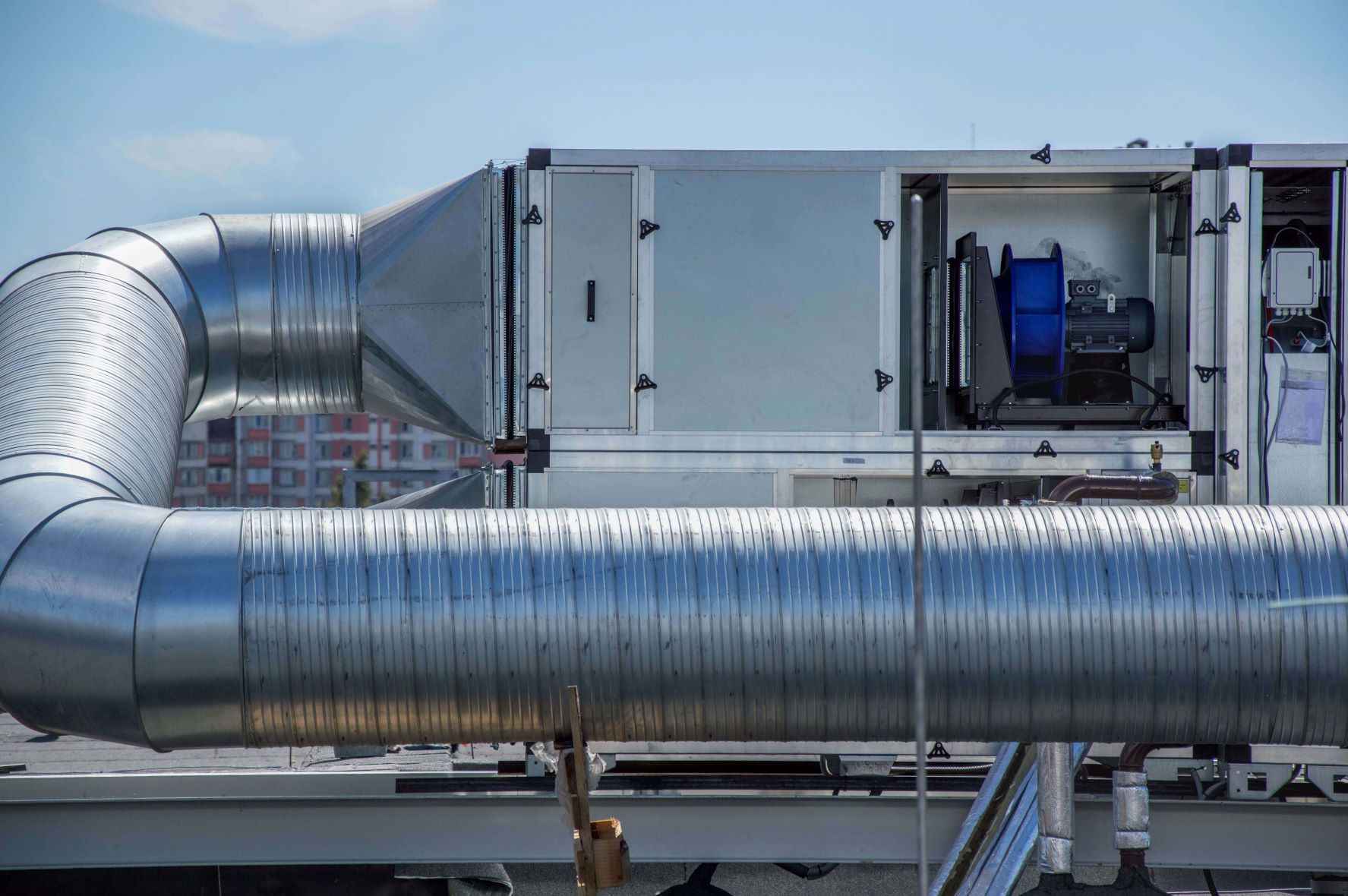
Commercial air handlers are significantly larger and more complex than residential units. They are designed to handle larger air volumes and often incorporate more advanced features. Distinguishing features include:
- Size: Substantially larger than residential units. They can be several feet tall, wide, and deep, often requiring dedicated mechanical rooms.
- Construction: Heavier-gauge steel construction, often with reinforced frames to withstand the rigors of continuous operation.
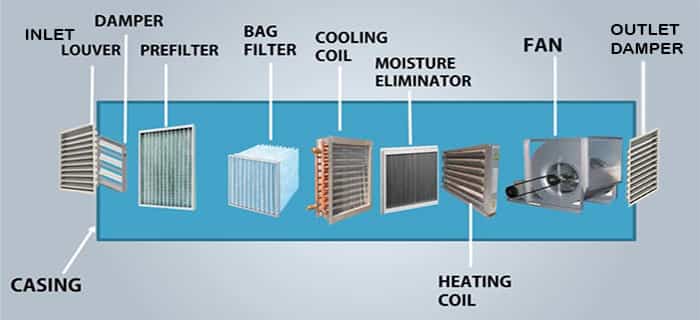
- Modular Design: Many commercial air handlers are modular, allowing for customization and scalability. Modules might include mixing boxes, heating coils, cooling coils, humidifiers, and filtration sections.
- Multiple Access Points: Numerous access doors and panels for maintenance and inspection.
- Control Panels: Integrated control panels with digital displays and diagnostic capabilities.
- Variety of Configurations: Available in various configurations, including horizontal, vertical, and rooftop units.
Commercial air handlers also often incorporate advanced filtration systems, such as HEPA filters or UV-C lights, to improve indoor air quality. These systems add to the complexity and size of the unit.
Inside the Air Handler: Key Components
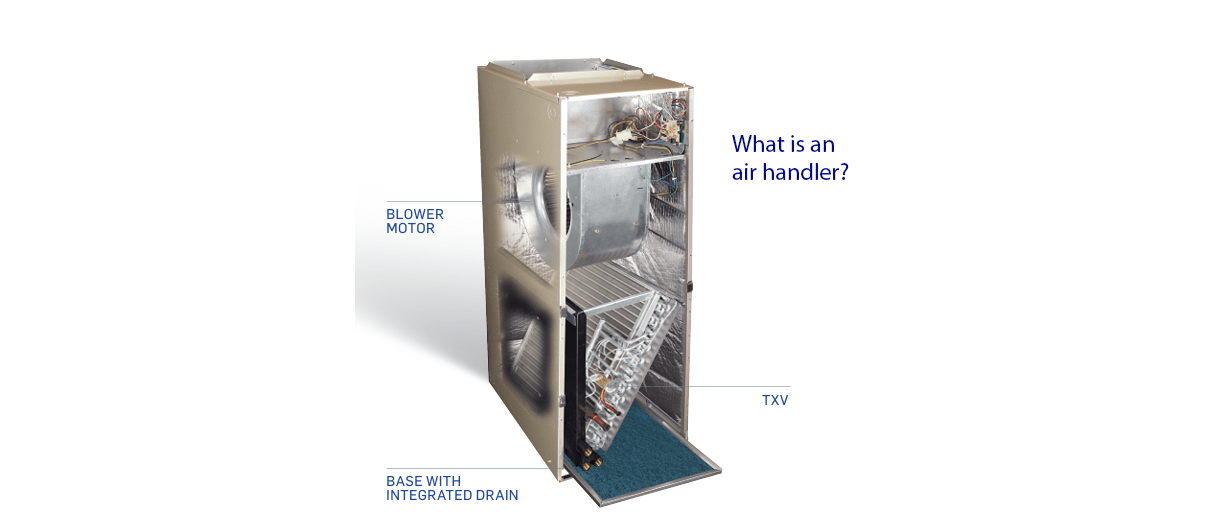
Beyond the exterior, understanding the internal components of an air handler is crucial. These are the workhorses that make the system function:
- Blower Motor: This is the heart of the air handler, responsible for circulating air throughout the ductwork. Blower motors can be single-speed, multi-speed, or variable-speed (ECM - Electronically Commutated Motor). ECM motors are becoming increasingly common due to their energy efficiency and ability to maintain consistent airflow.
- Blower Wheel (Fan): Attached to the blower motor, the blower wheel moves the air. Different types of blower wheels exist, including forward-curved and backward-inclined, each with its own performance characteristics.
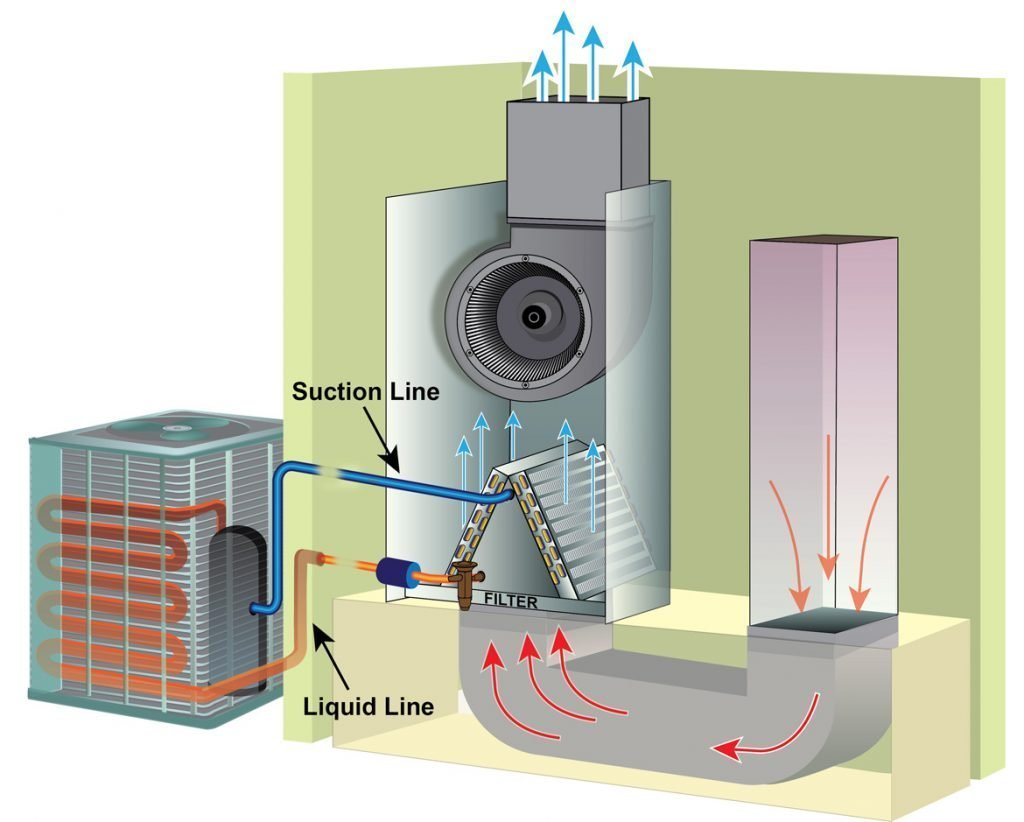
- Evaporator Coil: This is where the refrigerant absorbs heat from the air, cooling it down. In cooling mode, the evaporator coil gets very cold.
- Heating Element (Electric Resistance Heaters or Hot Water Coil): In systems with electric heat, resistance heaters provide warmth. Alternatively, some air handlers use a hot water coil connected to a boiler.
- Air Filter: This crucial component removes dust, pollen, and other contaminants from the air. Regular filter replacement is essential for maintaining indoor air quality and preventing damage to the air handler.
- Control Board: The brains of the operation, the control board manages the various components of the air handler, responding to thermostat signals and safety controls.
- Expansion Valve (or Metering Device): Meters the amount of refrigerant flowing into the evaporator coil.
- Condensate Drain Pan: Collects condensate that forms on the evaporator coil and directs it to the drain line.
Career Paths and Industry Outlook
A strong understanding of air handlers opens doors to various career paths within the HVAC industry. Here are a few examples:
- HVAC Technician: Install, maintain, and repair air handlers and other HVAC equipment. According to the Bureau of Labor Statistics (BLS), the median annual wage for HVAC mechanics and installers was $51,390 in May 2022. The BLS projects about 37,800 openings for HVAC mechanics and installers each year, on average, over the decade from 2022 to 2032.
- HVAC Installer: Specialize in installing new air handlers and ductwork.
- HVAC Service Technician: Focus on troubleshooting and repairing air handler issues.
- HVAC Design Engineer: Design and specify air handlers and HVAC systems for residential and commercial buildings.
- HVAC Sales Engineer: Sell air handlers and other HVAC equipment to contractors and building owners.
Several certifications can enhance your career prospects in the HVAC industry. NATE (North American Technician Excellence) certification is highly regarded and demonstrates a technician's competency. The EPA Section 608 certification is mandatory for technicians who handle refrigerants. Other relevant certifications include those offered by RSES (Refrigeration Service Engineers Society) and ACCA (Air Conditioning Contractors of America).
Troubleshooting Common Air Handler Issues
Being able to visually assess an air handler can help diagnose common problems. Here are some examples:
- Reduced Airflow: Check the air filter first. A dirty filter is a common cause of reduced airflow. Also, inspect the blower motor and blower wheel for obstructions or damage.
- Unusual Noises: Squealing noises could indicate a worn-out blower motor bearing. Rattling noises might indicate loose components or debris in the blower wheel.
- Water Leaks: Inspect the condensate drain pan and drain line for clogs or cracks. Make sure the drain line is properly sloped to allow for drainage.
- No Heat or Cool Air: Check the thermostat settings and the control board for error codes. Inspect the heating element (if applicable) or the evaporator coil for damage. Also, verify that the refrigerant lines are not frozen (indicating a refrigerant charge issue).
Example: You respond to a service call where the customer complains of weak airflow. Upon inspection, you notice the air filter is heavily clogged with dust and debris. Replacing the filter immediately restores airflow and resolves the customer's issue. This simple diagnosis highlights the importance of visual inspection and understanding the basic components of an air handler.
The Future of Air Handlers
The HVAC industry is constantly evolving, and air handlers are no exception. Trends to watch include:
- Smart Air Handlers: Integration with smart home systems and IoT (Internet of Things) devices for remote monitoring and control.
- Improved Energy Efficiency: Development of more efficient blower motors, heat exchangers, and control systems.
- Advanced Filtration Technologies: Increased use of HEPA filters, UV-C lights, and other advanced filtration technologies to improve indoor air quality.
- Variable Refrigerant Flow (VRF) Systems: VRF systems, which use sophisticated air handlers to provide zoned heating and cooling, are gaining popularity in commercial buildings.
As an HVAC professional, staying up-to-date on these trends is crucial for maintaining your competitive edge and providing the best possible service to your customers. Consider specializing in emerging technologies like VRF systems or smart HVAC controls to differentiate yourself in the job market.
Conclusion
Understanding what an air handler looks like, both inside and out, is fundamental to success in the HVAC industry. From identifying different types of air handlers to troubleshooting common issues and staying abreast of emerging technologies, this knowledge will serve you well throughout your career. By continuously learning and developing your skills, you can contribute to a more comfortable, efficient, and sustainable built environment.