What Does The Ambient Air Temperature Sensor Do

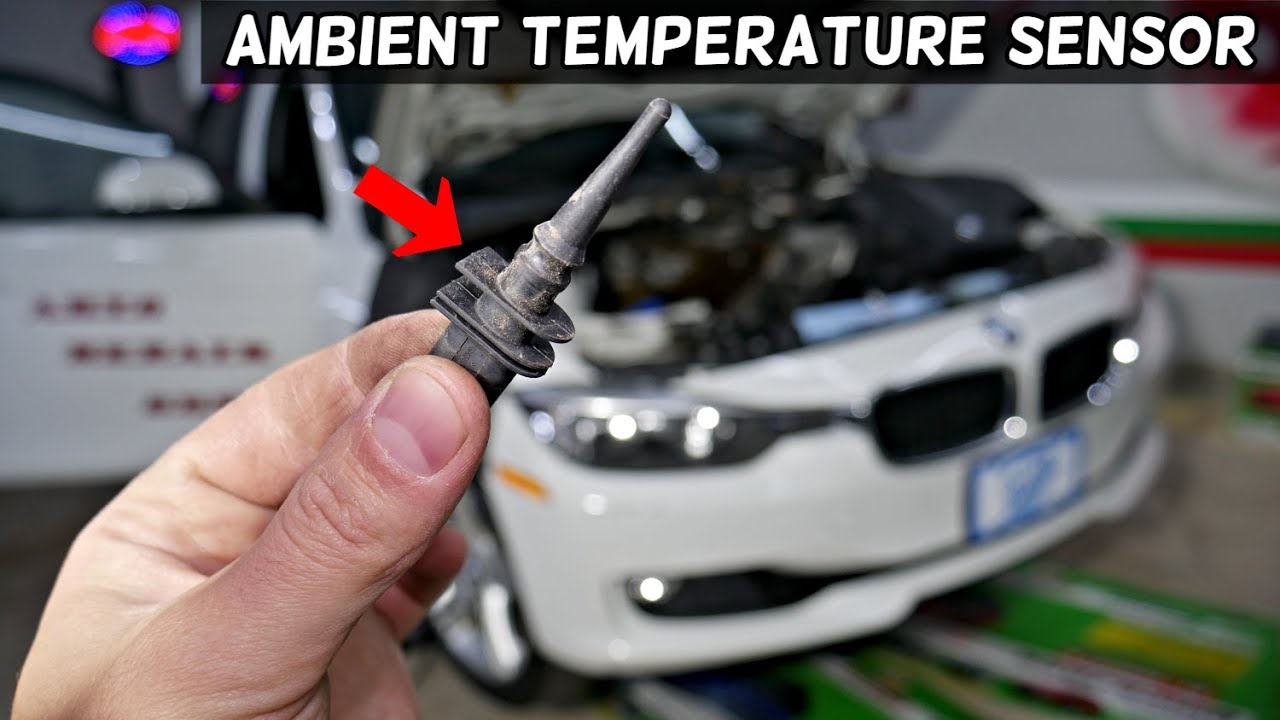
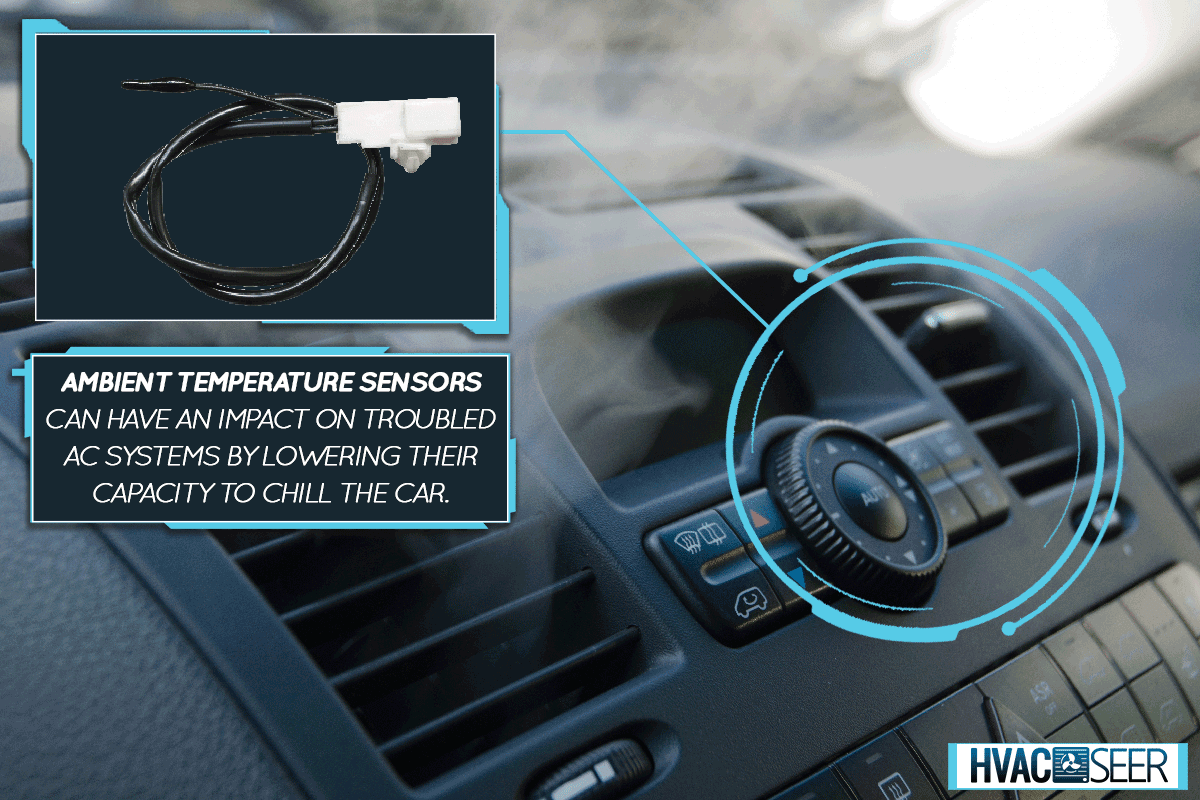
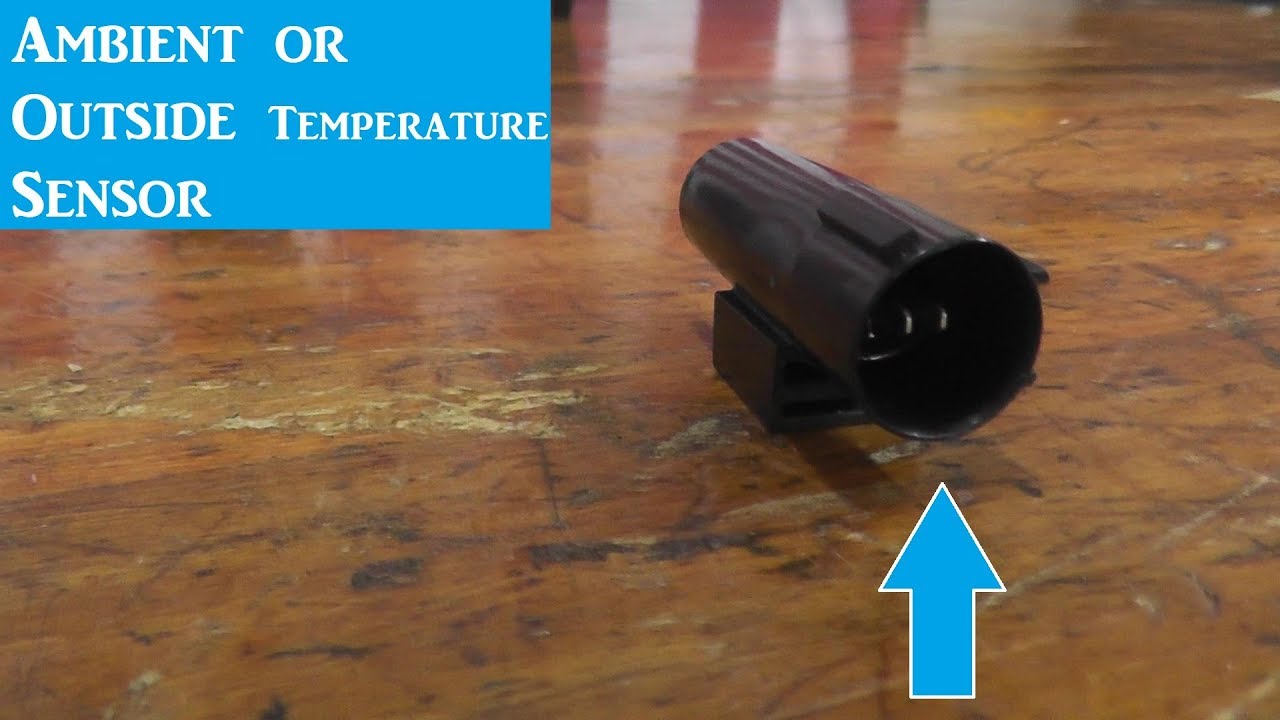
The ambient air temperature sensor, often shortened to simply “ambient sensor,” is a critical component in modern HVAC (Heating, Ventilation, and Air Conditioning) systems. It acts as the thermostat's eyes and ears, constantly monitoring the temperature of the air surrounding the outdoor unit. Understanding its function and impact can help homeowners, HVAC technicians, and facility managers optimize system performance, troubleshoot issues, and ultimately save money on energy bills.
The Role of the Ambient Air Temperature Sensor
At its core, the ambient sensor's primary function is to provide temperature data to the HVAC system's control board. This information is then used to make decisions about how the system operates, influencing everything from compressor speed and fan operation to defrost cycles and emergency heat activation. Think of it as a weather reporter for your HVAC system, informing it about the external conditions so it can react appropriately.
For Heat Pumps: The Temperature Gateway
In heat pump systems, the ambient air temperature sensor plays an especially vital role. These systems rely on extracting heat from the outside air during the heating season. As the outdoor temperature drops, the heat pump's efficiency decreases, and it becomes more challenging to extract sufficient heat to warm the building. The ambient sensor detects this temperature decrease and communicates it to the control board. This information triggers several potential responses:
- Engaging Auxiliary Heat (Electric Resistance or Gas Furnace): When the ambient temperature falls below a certain threshold (the balance point), the heat pump may no longer be able to meet the heating demand. The sensor signals the control board to activate the auxiliary heat source, which provides supplemental warmth. This is typically an electric resistance heater (heat strips) or a gas furnace.
- Initiating Defrost Cycles: During colder temperatures, moisture in the air can freeze on the outdoor coil, forming ice. This ice acts as an insulator, reducing the heat pump's ability to absorb heat. The ambient sensor, in conjunction with other sensors (such as the coil temperature sensor), helps the system determine when a defrost cycle is necessary. During a defrost cycle, the heat pump temporarily reverses its operation, sending hot refrigerant to the outdoor coil to melt the ice. The ambient sensor ensures that defrost cycles are initiated only when needed, preventing unnecessary energy consumption.
- Lockout: In extremely cold temperatures, a heat pump may be unable to operate efficiently or effectively. The ambient sensor can trigger a lockout, shutting down the heat pump to prevent damage and relying solely on the auxiliary heat source.
For example, consider a heat pump in Denver, Colorado. On a relatively mild winter day of 40°F, the heat pump can likely handle the heating load efficiently. However, on a day when the temperature drops to 15°F, the ambient sensor will signal the control board to engage the electric resistance heaters to supplement the heat pump's output. Without a functioning ambient sensor, the heat pump might struggle to maintain the desired temperature, or the auxiliary heat could engage prematurely, increasing energy costs.
For Air Conditioners: Efficiency and Protection
While the ambient sensor is most critical for heat pumps, it also plays a role in air conditioning systems. In cooling mode, the ambient sensor provides information about the outdoor temperature, which the control board uses to optimize the system's operation.
- Compressor Speed Control: In modern air conditioners with variable-speed compressors, the ambient sensor helps determine the appropriate compressor speed. On cooler days, the compressor can run at a lower speed, consuming less energy while still maintaining the desired indoor temperature. On hotter days, the compressor will run at a higher speed to provide maximum cooling capacity.
- High-Pressure Cut-Out: Extremely high ambient temperatures can cause the refrigerant pressure in the air conditioner to rise to dangerous levels. The ambient sensor can help the system detect these conditions and shut down the compressor to prevent damage.
Imagine an air conditioner in Phoenix, Arizona. On a scorching 115°F day, the ambient sensor tells the system to ramp up the compressor to full capacity to keep the home cool. On a more moderate 85°F day, the sensor allows the system to run the compressor at a lower speed, saving energy and reducing wear and tear on the unit.
Troubleshooting Ambient Air Temperature Sensor Issues
A malfunctioning ambient sensor can cause a variety of problems, including:
- Heat pump not switching to auxiliary heat when needed. This can result in a cold house during cold weather.
- Heat pump running auxiliary heat unnecessarily. This leads to high energy bills.
- Defrost cycles occurring too frequently or not at all. This can damage the heat pump and reduce its efficiency.
- Air conditioner not cooling properly or shutting down prematurely.
- Inaccurate temperature readings on the thermostat.
Technicians can use a multimeter to test the sensor's resistance. The resistance should correspond to a known temperature-resistance curve specified by the manufacturer. A reading outside of the expected range indicates a faulty sensor. Additionally, technicians should visually inspect the sensor for any signs of damage, such as corrosion or broken wires.
Replacing an ambient air temperature sensor is typically a straightforward and relatively inexpensive repair. The cost of the sensor itself can range from $20 to $100, depending on the make and model of the HVAC system. Labor costs will vary depending on the technician's hourly rate and the complexity of the installation. However, addressing a faulty sensor promptly can prevent more significant and costly problems down the road.
Ambient Sensor Placement
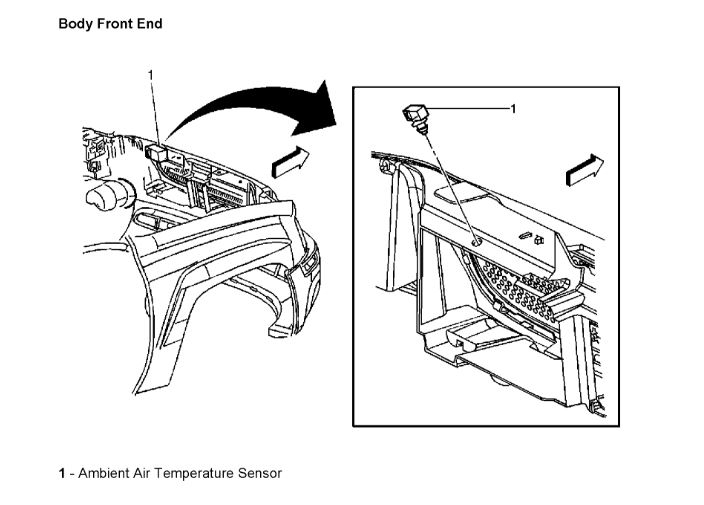
Proper placement of the ambient air temperature sensor is essential for accurate readings and optimal system performance. The sensor should be located:
- Away from direct sunlight: Direct sunlight can artificially inflate the temperature reading, causing the system to operate inefficiently.
- Away from heat sources: Similarly, the sensor should not be placed near heat-generating equipment, such as exhaust vents or outdoor lighting.
- In a well-ventilated area: The sensor needs to be exposed to freely flowing air to accurately measure the ambient temperature.
- At a representative height: The sensor should be mounted at a height that is representative of the average air temperature in the area.
Ambient Sensor Lifespan and Maintenance
Ambient air temperature sensors are generally durable components, but they can fail over time due to exposure to the elements, corrosion, or electrical surges. The typical lifespan of an ambient sensor is 5-10 years. Regular HVAC maintenance should include checking the sensor's accuracy and condition. If the sensor is suspected of being faulty, it should be tested and replaced if necessary.
The Future of Ambient Sensors: Smart HVAC Systems
As HVAC technology continues to evolve, ambient sensors are becoming increasingly sophisticated. Smart HVAC systems utilize advanced sensors and algorithms to optimize energy efficiency and comfort. These systems can learn your preferences, anticipate changes in weather patterns, and adjust the system's operation accordingly. For example, a smart system might use weather data to predict a sudden drop in temperature and pre-emptively engage the auxiliary heat to prevent a cold house.
In conclusion, the ambient air temperature sensor is a small but crucial component in modern HVAC systems. Understanding its function and potential issues can help homeowners, technicians, and facility managers ensure that their systems operate efficiently, effectively, and reliably. By properly maintaining and monitoring the ambient sensor, you can optimize your HVAC system's performance, reduce energy consumption, and extend its lifespan.