What Does The Compressor Do In The Refrigeration System
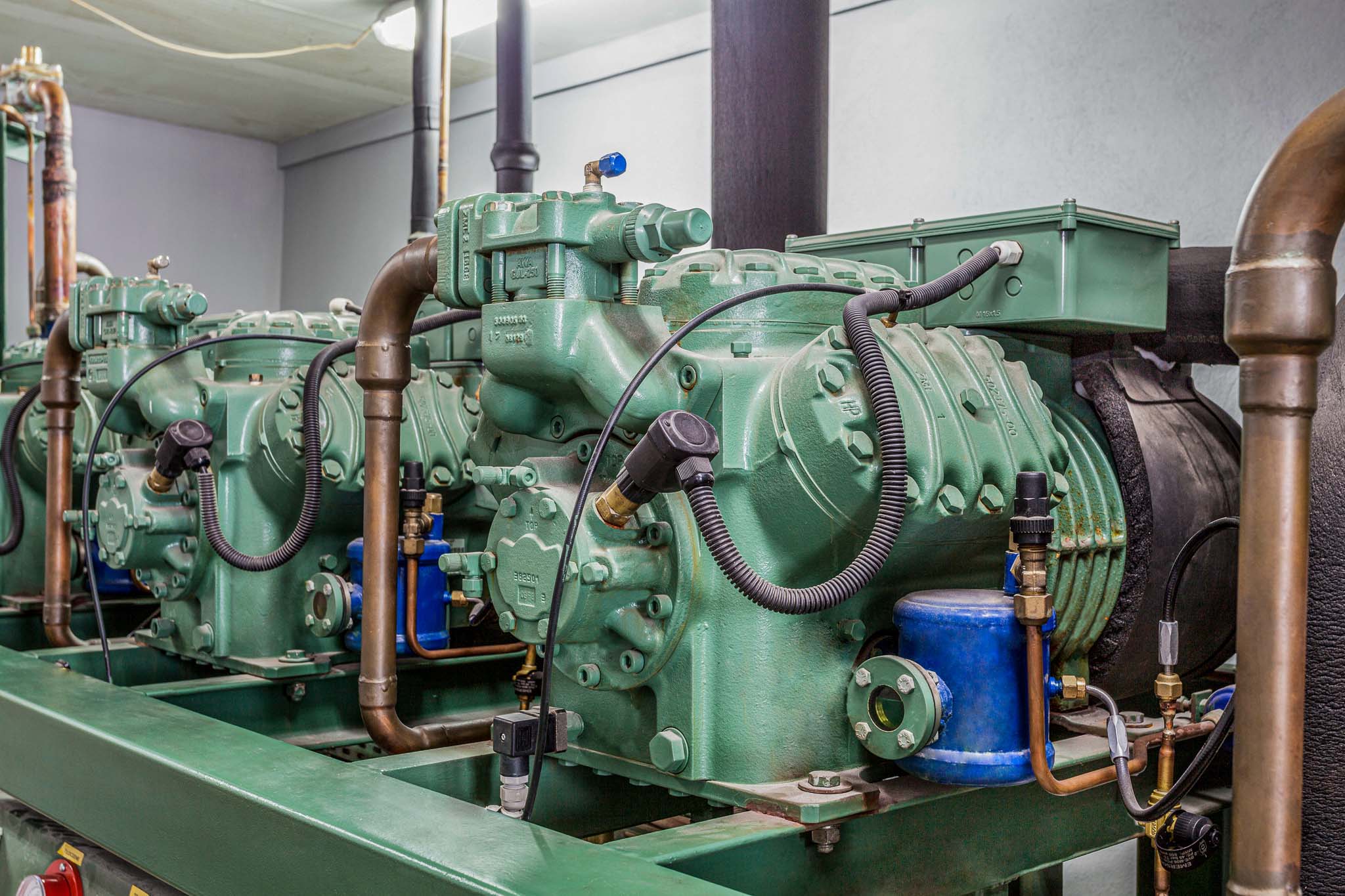
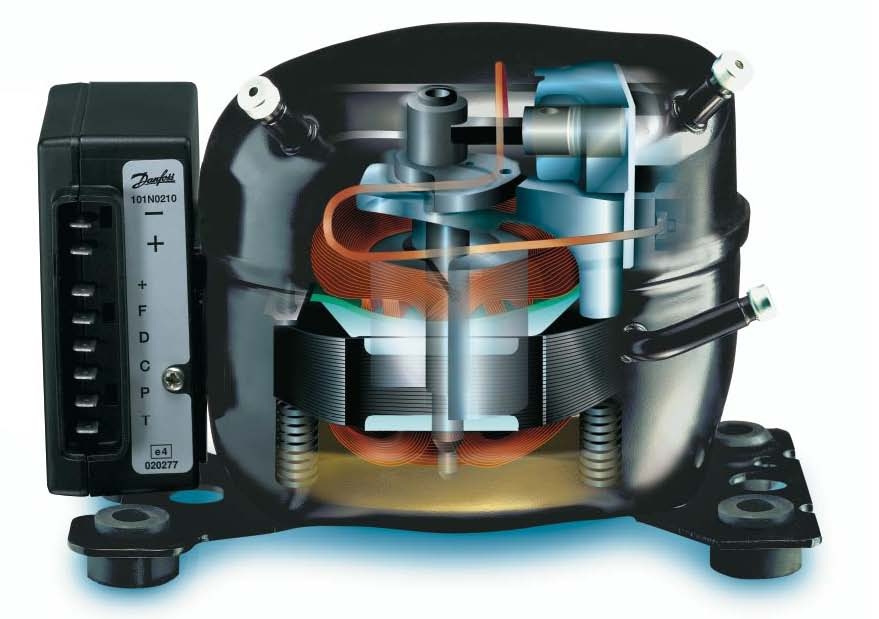
The heart of any refrigeration system, whether it's in your home's air conditioner, a commercial walk-in cooler, or an industrial chiller, is the compressor. Understanding its function is fundamental for anyone involved in the HVAC/R (Heating, Ventilation, Air Conditioning, and Refrigeration) industry. This article dives deep into the role of the compressor, its different types, and its importance in the broader context of an HVAC/R career.
The Core Function: Pumping and Pressurizing
At its most basic, the compressor acts as a pump. It takes in refrigerant in a low-pressure, low-temperature gaseous state and compresses it, raising its pressure and temperature. This high-pressure, high-temperature refrigerant is then discharged into the condenser. Think of it like squeezing a balloon – you're reducing the volume and increasing the pressure inside.
The process involves several crucial steps:
- Suction: The compressor draws in low-pressure refrigerant vapor from the evaporator.
- Compression: The volume of the refrigerant vapor is reduced, increasing its pressure and temperature.
- Discharge: The high-pressure, high-temperature refrigerant vapor is expelled into the condenser.
Without the compressor, the refrigeration cycle simply wouldn't function. The refrigerant would remain at a low pressure, unable to effectively reject heat in the condenser.
Types of Compressors: A Look at the Options
Not all compressors are created equal. Different applications require different compressor designs. Here's a rundown of the most common types:
Reciprocating Compressors
Reciprocating compressors use a piston moving back and forth inside a cylinder to compress the refrigerant. They are commonly found in smaller residential and commercial air conditioning systems.
Pros: Relatively inexpensive, can handle high compression ratios, readily available replacement parts.
Cons: Can be noisy, higher maintenance requirements due to moving parts, less efficient than some other types.
Rotary Compressors
Rotary compressors use a rotating mechanism to compress the refrigerant. There are two main types: rotary vane and scroll.
Rotary Vane Compressors
These compressors use a rotating rotor with vanes that slide in and out to compress the refrigerant. They were once common in smaller applications but are less frequently used now.
Pros: Compact size, relatively quiet operation.
Cons: Lower efficiency compared to scroll compressors, more complex design.
Scroll Compressors
Scroll compressors use two intermeshed spiral-shaped scrolls, one fixed and one orbiting, to compress the refrigerant. They are increasingly popular in residential and commercial air conditioning and heat pump systems.
Pros: High efficiency, quiet operation, reliable design.
Cons: More expensive than reciprocating compressors, sensitive to liquid refrigerant.
Screw Compressors
Screw compressors use two intermeshing screws to compress the refrigerant. They are typically used in larger commercial and industrial applications, such as chillers and refrigeration systems.
Pros: High capacity, reliable, efficient at partial loads.
Cons: More expensive than other types, require sophisticated control systems.
Centrifugal Compressors
Centrifugal compressors use a rotating impeller to accelerate the refrigerant and then convert the kinetic energy into pressure. They are used in very large industrial applications, such as large chillers and district cooling systems.
Pros: Very high capacity, efficient at full load.
Cons: Very expensive, complex design, require specialized maintenance.
The Refrigeration Cycle: Compressor's Place in the System
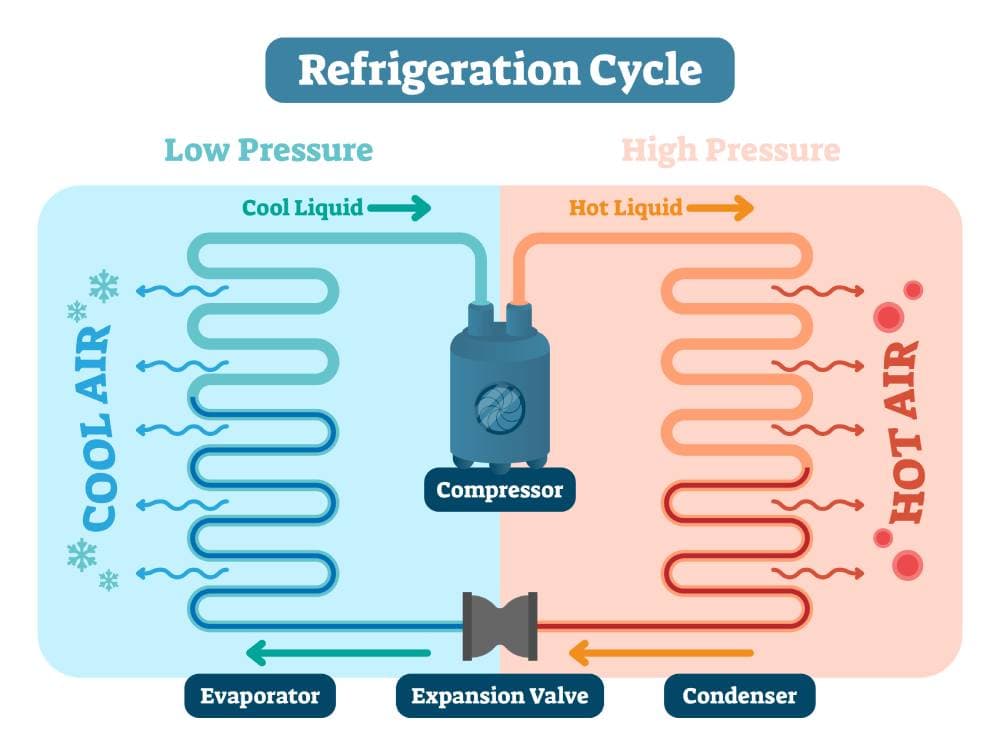
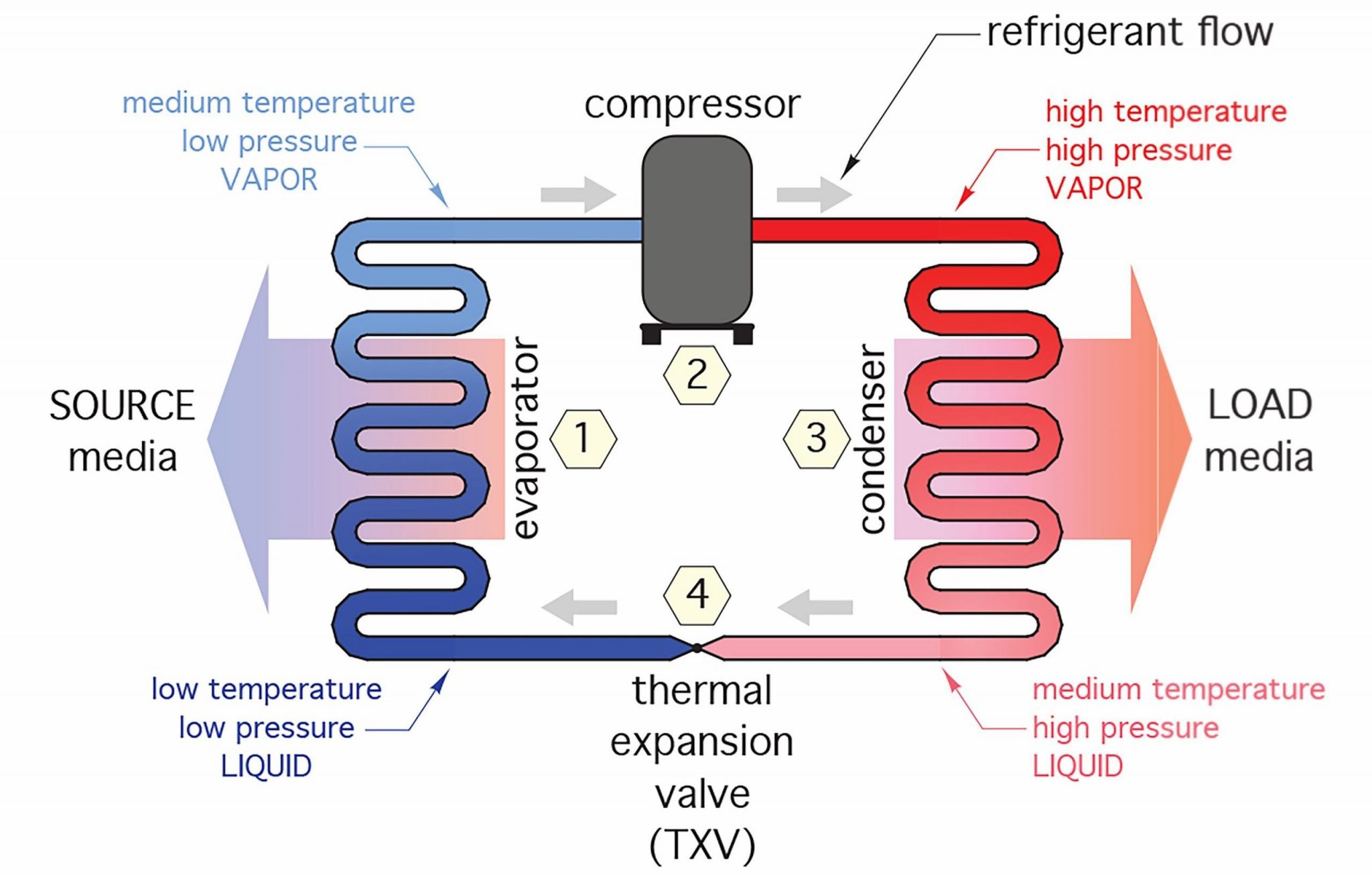
The compressor is one component in a four-part system:
- Compressor: As discussed, increases the pressure and temperature of the refrigerant.
- Condenser: Rejects heat from the high-pressure, high-temperature refrigerant vapor, causing it to condense into a high-pressure liquid.
- Expansion Valve (or Metering Device): Reduces the pressure of the high-pressure liquid refrigerant, causing it to partially vaporize and cool significantly.
- Evaporator: Absorbs heat from the surrounding environment, causing the low-pressure liquid refrigerant to completely vaporize. The low-pressure vapor then returns to the compressor, completing the cycle.
A properly functioning compressor ensures the entire cycle operates efficiently, providing the desired cooling or heating effect.
Troubleshooting Compressor Issues: Common Problems and Solutions
Compressor failure is a common cause of HVAC/R system breakdowns. Here are some typical problems:
- Electrical issues: Open windings, short circuits, grounded components.
- Mechanical failures: Worn bearings, broken valves, piston damage (reciprocating compressors).
- Refrigerant floodback: Liquid refrigerant entering the compressor, causing damage.
- Oil starvation: Insufficient lubrication, leading to wear and tear.
- Contamination: Dirt, moisture, or other contaminants entering the system, damaging the compressor.
Troubleshooting requires a strong understanding of electrical circuits, refrigeration principles, and mechanical components. Experienced technicians use a variety of tools, including multimeters, pressure gauges, and refrigerant recovery equipment, to diagnose and repair compressor problems.
HVAC/R Careers: A Booming Industry
The HVAC/R industry offers a wide range of career opportunities, from entry-level technician positions to advanced engineering roles. According to the Bureau of Labor Statistics, the median annual wage for HVAC/R mechanics and installers was $51,390 in May 2021. The job outlook is projected to grow 5 percent from 2021 to 2031, about average for all occupations. This growth is driven by the increasing demand for energy-efficient HVAC/R systems and the need to replace aging equipment.
Entry-level positions often require a high school diploma or GED and completion of a vocational training program. Apprenticeships are also a common pathway to becoming a skilled HVAC/R technician. Advanced roles, such as HVAC/R engineers, typically require a bachelor's degree in mechanical engineering or a related field.
Certifications: Boosting Your Career Prospects
Earning industry certifications can significantly enhance your career prospects and earning potential. Some of the most recognized certifications include:
- EPA Section 608 Certification: Required by the Environmental Protection Agency (EPA) for technicians who handle refrigerants. There are four types of certifications: Type I, Type II, Type III, and Universal.
- North American Technician Excellence (NATE) Certification: A widely recognized certification that demonstrates competency in HVAC/R installation, service, and repair. NATE offers certifications in various specialties, such as air conditioning, heat pumps, and refrigeration.
- HVAC Excellence Certification: Another respected certification that validates HVAC/R skills and knowledge.
Employers often prefer to hire certified technicians, as it demonstrates a commitment to professionalism and expertise. Furthermore, some jurisdictions may require specific certifications for certain types of HVAC/R work.
Salary Expectations: What You Can Earn
Salary ranges for HVAC/R professionals vary depending on experience, education, certification, and location. Here's a general overview:
- Entry-Level Technician: $35,000 - $45,000 per year
- Experienced Technician: $45,000 - $65,000 per year
- Senior Technician/Supervisor: $65,000 - $85,000+ per year
- HVAC/R Engineer: $70,000 - $100,000+ per year
Skilled technicians with specialized knowledge and certifications, such as those who can work on complex industrial refrigeration systems, can command even higher salaries.
Career Paths: From Technician to Engineer
The HVAC/R industry offers numerous career paths. Here are a few examples:
- HVAC/R Technician: Installs, services, and repairs HVAC/R equipment in residential, commercial, and industrial settings.
- HVAC/R Installer: Specializes in the installation of new HVAC/R systems.
- HVAC/R Service Technician: Focuses on troubleshooting and repairing existing HVAC/R systems.
- HVAC/R Sales Engineer: Sells HVAC/R equipment and services to customers.
- HVAC/R Design Engineer: Designs HVAC/R systems for new construction and renovation projects.
- HVAC/R Project Manager: Manages HVAC/R projects from start to finish.
- Building Automation Systems (BAS) Technician: Installs, programs, and maintains building automation systems that control HVAC/R equipment.
Many technicians start their careers as apprentices and gradually advance to more senior roles through on-the-job training and continuing education. Some technicians also choose to pursue a bachelor's degree in engineering to become HVAC/R engineers.
For example, Sarah started as an apprentice after completing a vocational program. She earned her EPA 608 and NATE certifications, and over the next five years, she progressed from a junior technician to a lead technician, specializing in commercial refrigeration systems. Her strong diagnostic skills and commitment to customer service made her a valuable asset to her company.
The Future of Compressors: Efficiency and Sustainability
The HVAC/R industry is constantly evolving, with a focus on improving energy efficiency and reducing environmental impact. Compressor technology is at the forefront of these advancements. Manufacturers are developing more efficient compressors that use less energy and refrigerants with lower global warming potential (GWP).
Variable speed compressors, also known as inverter compressors, are becoming increasingly common. These compressors can adjust their speed to match the cooling or heating demand, resulting in significant energy savings. The industry is also exploring the use of alternative refrigerants, such as carbon dioxide (CO2) and propane (R-290), which have very low GWP.
Understanding these trends is crucial for HVAC/R professionals who want to stay ahead of the curve and provide their customers with the most efficient and sustainable solutions. Continuously updating your knowledge and skills will ensure a long and successful career in this dynamic industry.