What Does The Evaporator Do In A Refrigeration System
The Evaporator's Vital Role in Your Refrigeration System: A Comprehensive Guide
When considering a new HVAC system for your home or investment property, understanding the function of each component is crucial. One of the most critical parts of any refrigeration system, including air conditioners, heat pumps, and refrigerators, is the evaporator coil. This component is responsible for absorbing heat from the air inside your home, providing the cool, comfortable environment you desire. This article will delve into the evaporator's function, its impact on system efficiency (SEER, AFUE, and HSPF), common problems, and maintenance tips, helping you make an informed decision when upgrading or replacing your HVAC unit.
What Exactly Does the Evaporator Do?
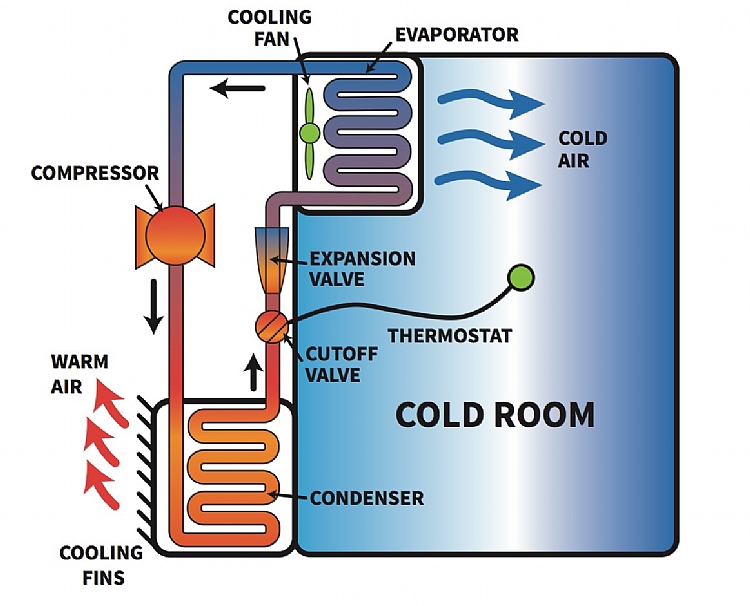
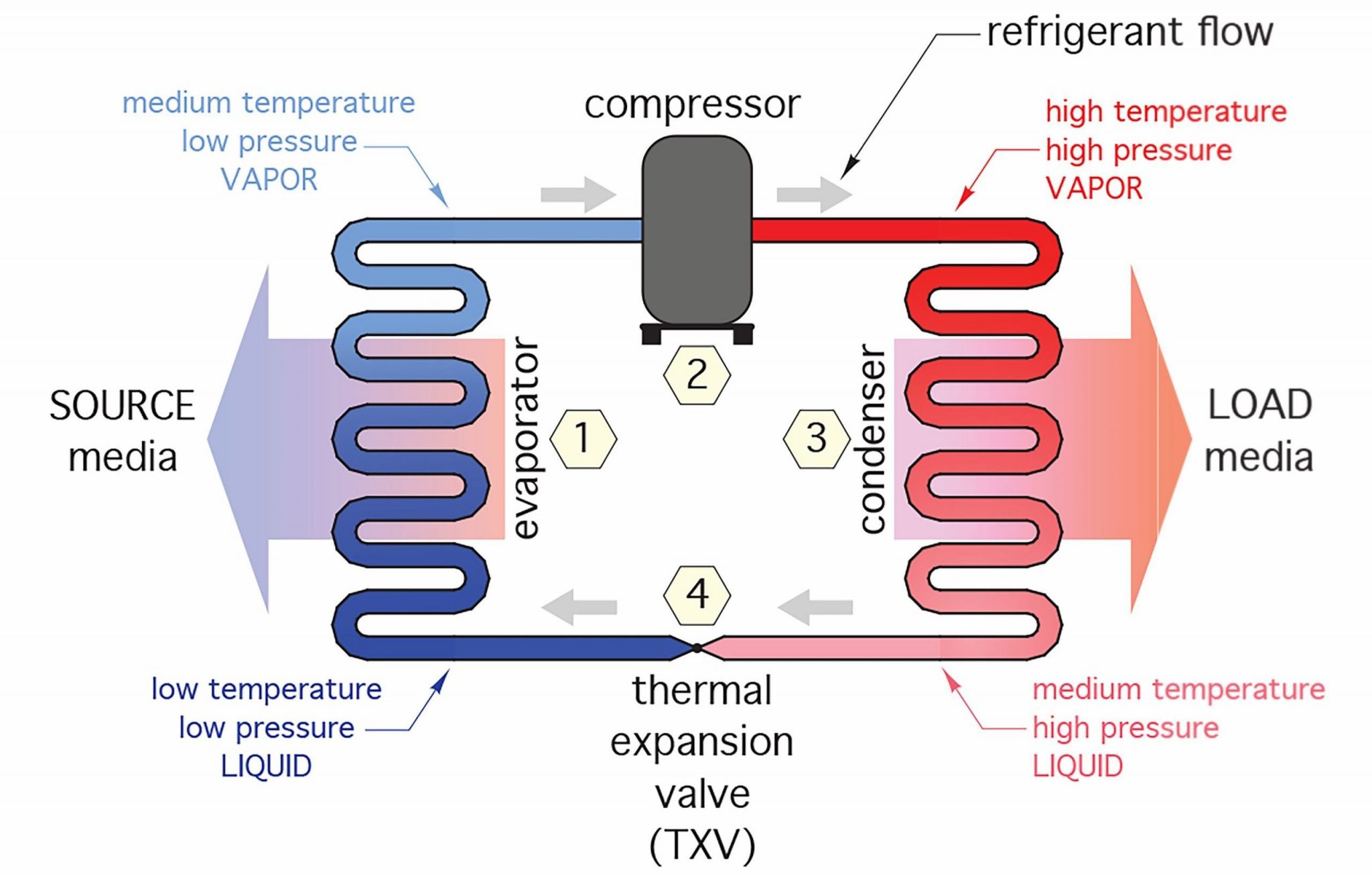
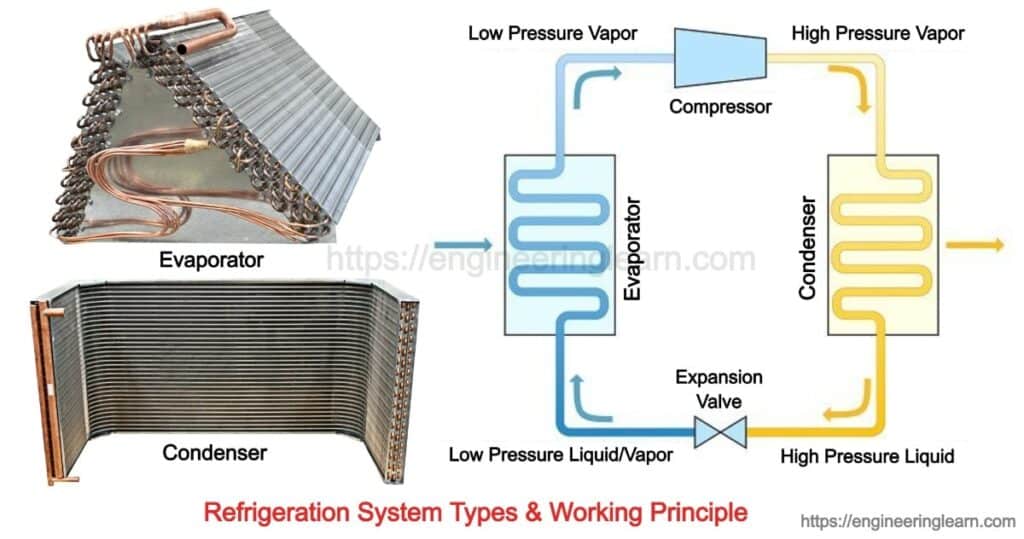
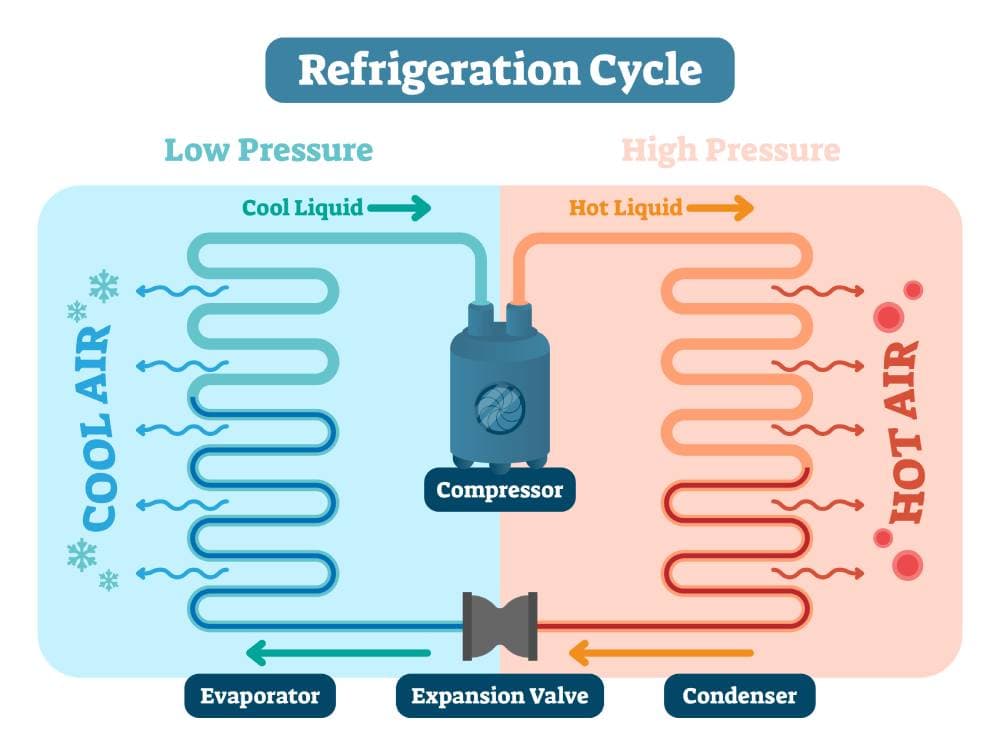
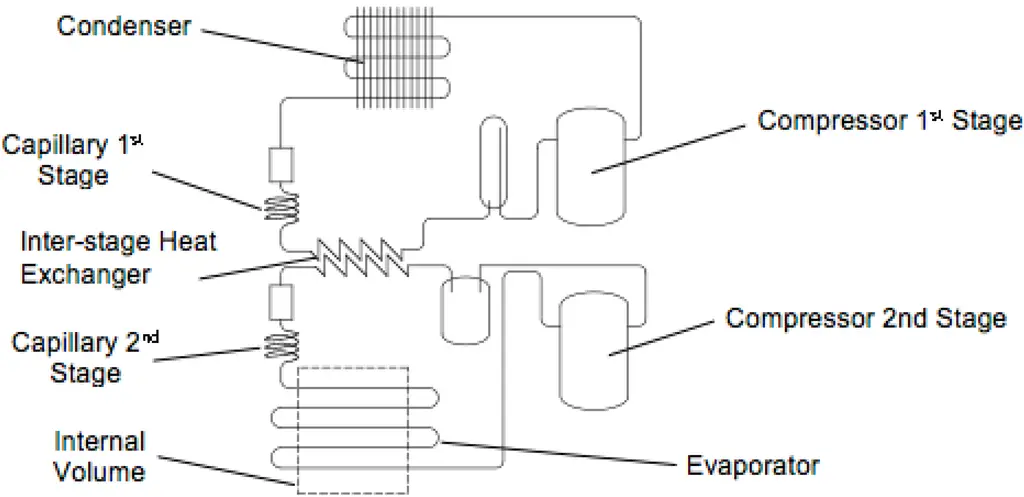
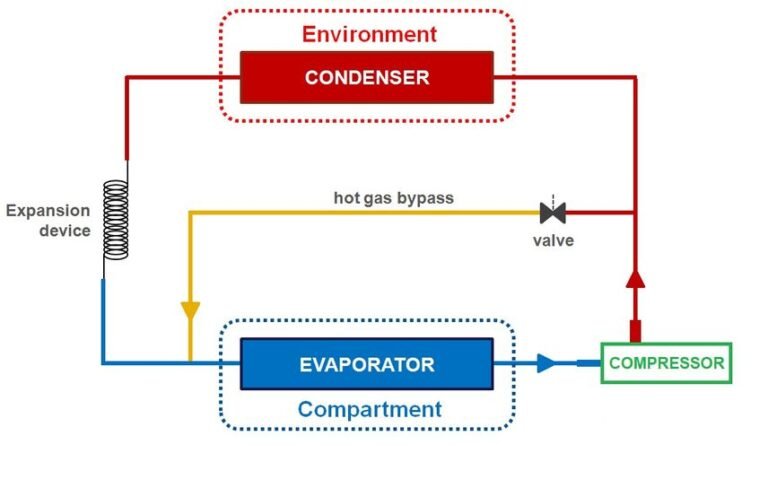
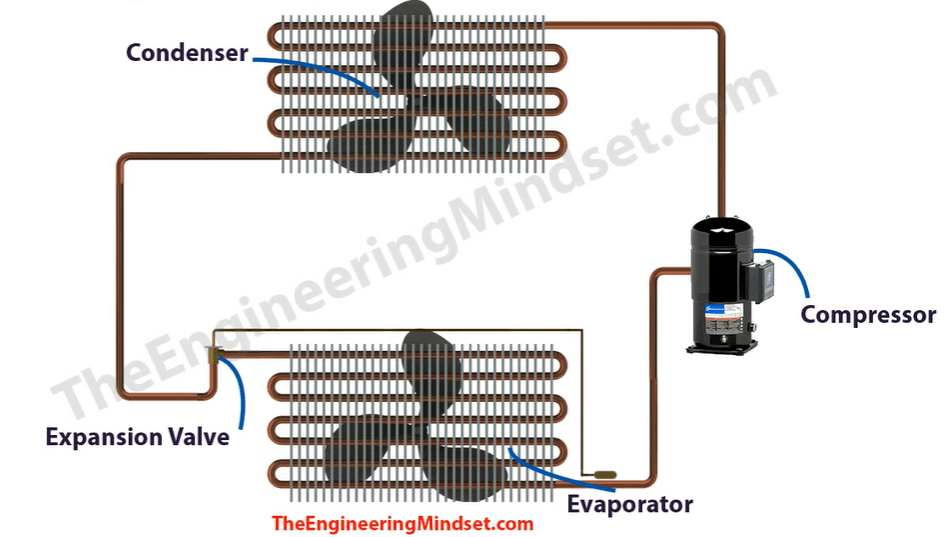
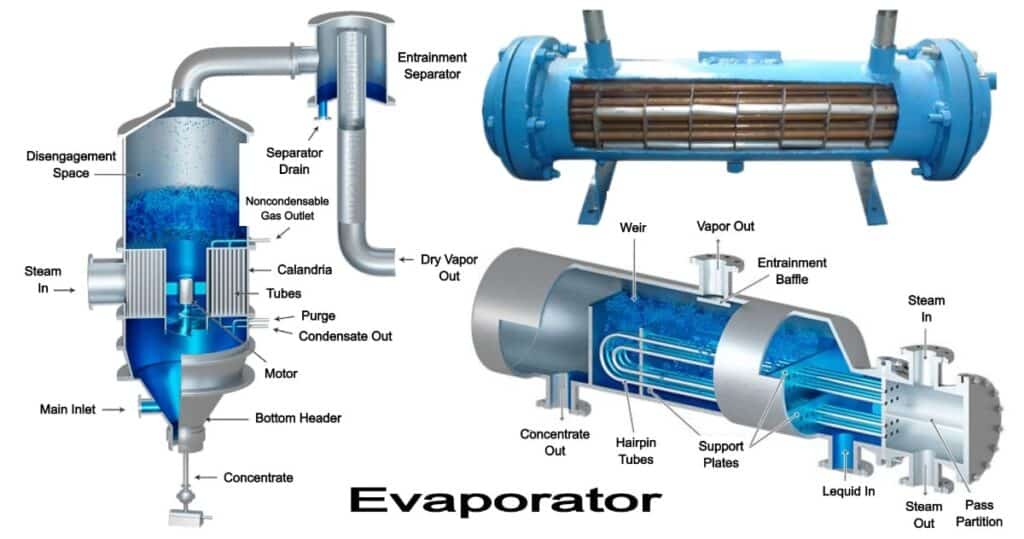
At its core, the evaporator coil is a heat exchanger. Its primary function is to absorb heat from the air circulating inside your home. Here's a simplified breakdown of the process:
- Refrigerant Arrival: Low-pressure, low-temperature liquid refrigerant arrives at the evaporator coil.
- Heat Absorption: A fan blows warm air from your home across the evaporator coil. The liquid refrigerant inside the coil absorbs this heat.
- Phase Change: As the refrigerant absorbs heat, it undergoes a phase change, transforming from a liquid into a low-pressure, low-temperature gas.
- Return to Compressor: This gaseous refrigerant then travels back to the compressor, where the cycle begins again.
The removal of heat from the air is what causes the air to cool down. This cooled air is then circulated back into your home, providing a comfortable indoor temperature.
Evaporator Coil Location and Design
The location of the evaporator coil depends on the type of HVAC system you have:
- Air Conditioners: In central air conditioning systems, the evaporator coil is typically located inside the indoor air handler unit, often alongside the furnace.
- Heat Pumps: Similar to air conditioners, heat pump evaporator coils are found within the indoor air handler. In cooling mode, it functions as an evaporator. In heating mode, it functions as a condenser.
- Refrigerators: In refrigerators, the evaporator coil is located inside the freezer compartment or behind the refrigerator walls.
Evaporator coils are usually made of copper or aluminum, both excellent conductors of heat. They feature a finned design to increase the surface area exposed to the air, maximizing heat transfer efficiency. The design and material of the coil play a significant role in the overall efficiency of the HVAC system.
The Evaporator's Impact on HVAC Efficiency Ratings (SEER, AFUE, HSPF)
The efficiency of the evaporator coil directly influences the overall energy efficiency of your HVAC system, which is reflected in ratings like SEER (Seasonal Energy Efficiency Ratio), AFUE (Annual Fuel Utilization Efficiency), and HSPF (Heating Seasonal Performance Factor).
- SEER (Cooling): A more efficient evaporator coil will allow the air conditioner to remove more heat per unit of electricity consumed, resulting in a higher SEER rating. A higher SEER rating translates to lower energy bills.
- AFUE (Heating - Furnaces): While AFUE primarily applies to furnaces (measuring the efficiency of converting fuel to heat), an efficient evaporator coil contributes to the overall performance of a system utilizing a furnace and air conditioner.
- HSPF (Heating - Heat Pumps): In heat pumps, the evaporator coil's efficiency in extracting heat from the outside air during the heating season contributes to a higher HSPF rating. A higher HSPF rating means the heat pump is more efficient at heating your home.
When comparing HVAC systems, pay close attention to these ratings. Systems with higher SEER and HSPF ratings generally have more efficient evaporator coils (and other components), resulting in lower operating costs.
Common Evaporator Coil Problems and Solutions
Like any mechanical component, evaporator coils can experience problems over time. Here are some common issues:
- Dirty Evaporator Coil: Dust, dirt, and debris can accumulate on the coil, reducing its ability to absorb heat. This can lead to decreased cooling performance and increased energy consumption. Solution: Regular cleaning of the evaporator coil.
- Frozen Evaporator Coil: A frozen coil can occur due to restricted airflow, low refrigerant levels, or a malfunctioning blower motor. Solution: Address the underlying cause, such as cleaning the air filter, adding refrigerant, or repairing the blower motor.
- Refrigerant Leaks: Leaks can occur in the coil due to corrosion or physical damage. Solution: Professional repair or replacement of the coil.
- Corrosion: Over time, evaporator coils can corrode, especially in coastal environments. Solution: Consider a coated or corrosion-resistant coil when replacing your system.
Maintenance Tips for a Healthy Evaporator Coil
Proper maintenance is essential for ensuring the longevity and efficiency of your evaporator coil:
- Regular Air Filter Changes: Changing your air filter regularly (every 1-3 months) is the most crucial step in preventing dust and debris from accumulating on the coil.
- Professional Cleaning: Schedule professional cleaning of the evaporator coil every 1-2 years.
- Annual HVAC Tune-Ups: Regular tune-ups by a qualified HVAC technician can help identify and address potential problems before they escalate.
- Monitor Performance: Pay attention to your system's performance. If you notice a decrease in cooling efficiency or unusual noises, contact a professional.
Choosing the Right HVAC System: Brands and Models
When selecting a new HVAC system, consider brands known for their quality and efficiency. Some popular brands include:
- Carrier: Offers a wide range of high-efficiency air conditioners and heat pumps with advanced evaporator coil designs. Look for models with higher SEER ratings (e.g., Carrier Infinity series).
- Trane: Known for their durable and reliable systems. Trane's evaporator coils are often designed for enhanced corrosion resistance.
- Lennox: Offers innovative and energy-efficient systems. Lennox models often feature advanced evaporator coil technology for improved performance.
- Goodman: Provides more budget-friendly options without sacrificing essential features.
When comparing models, pay attention to the SEER, AFUE, and HSPF ratings, as well as the warranty offered. A longer warranty typically indicates the manufacturer's confidence in the product's durability.
Warranty Considerations
HVAC system warranties typically cover the evaporator coil and other major components. Common warranty terms include:
- Parts Warranty: Covers the cost of replacement parts for a specified period (e.g., 5 or 10 years).
- Labor Warranty: May cover the cost of labor for repairs, but is often shorter than the parts warranty or may not be included at all.
- Compressor Warranty: The compressor (another critical component) often has a longer warranty period (e.g., 10 years or lifetime).
Read the warranty details carefully to understand what is covered and what is not. Proper installation and maintenance are usually required to keep the warranty valid.
Cost Considerations
The cost of replacing or repairing an evaporator coil can vary depending on the severity of the problem and the type of system you have. A new evaporator coil itself can range from $500 to $2000, while the total cost, including labor, can be significantly higher.
When choosing a new HVAC system, consider the long-term operating costs in addition to the initial purchase price. A more efficient system with a higher SEER or HSPF rating may have a higher upfront cost but will save you money on energy bills over time.
Conclusion
The evaporator coil is a vital component in any refrigeration system. Understanding its function, potential problems, and maintenance requirements is crucial for making informed decisions about your HVAC system. By choosing a high-efficiency system and following proper maintenance practices, you can ensure a comfortable and energy-efficient home for years to come. Remember to consult with a qualified HVAC professional for expert advice and installation.
Disclaimer: This article provides general information and should not be considered professional advice. Always consult with a qualified HVAC technician for specific recommendations for your situation.