What Does The Furnace Board Do On Most Modern Furnaces

The unsung hero of your modern furnace, often tucked away in a metal enclosure, is the furnace control board. While ductwork and burners get much of the attention, the control board is the brain orchestrating the complex sequence of events required for efficient and safe home heating. Understanding its function is crucial for HVAC students, seasoned technicians, and employers looking to hire knowledgeable professionals.
The Central Nervous System of Your Furnace
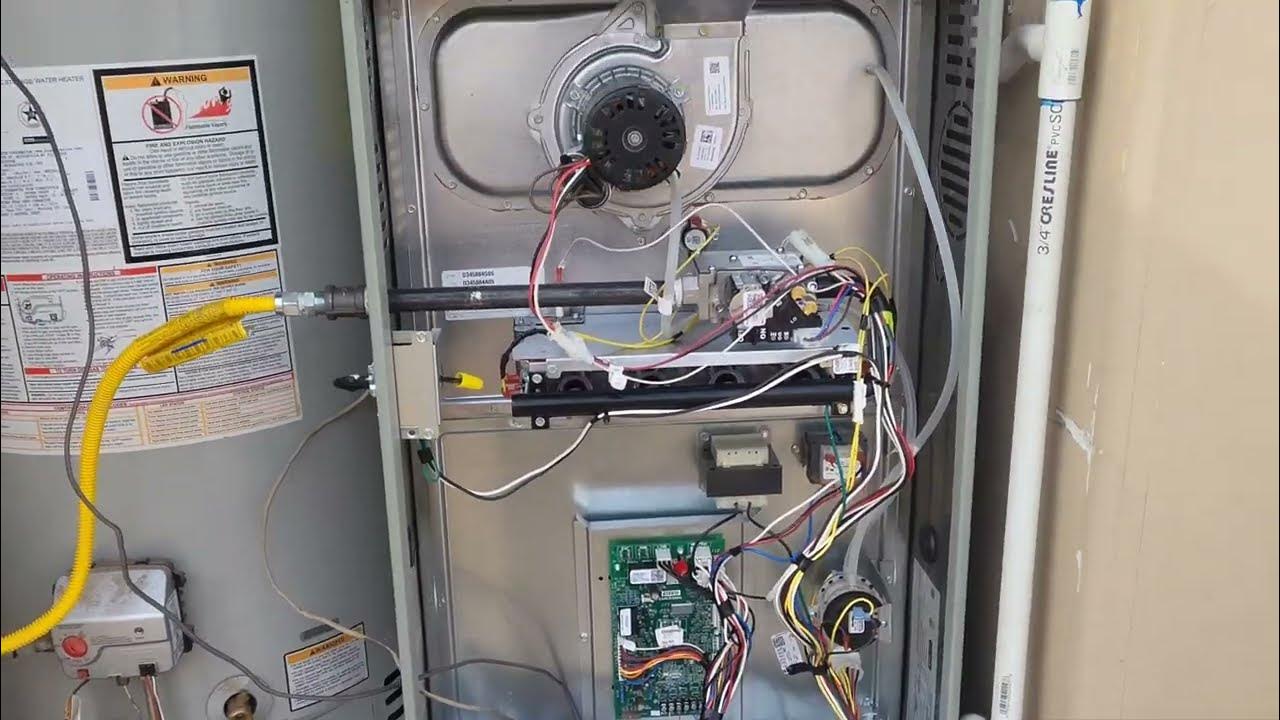
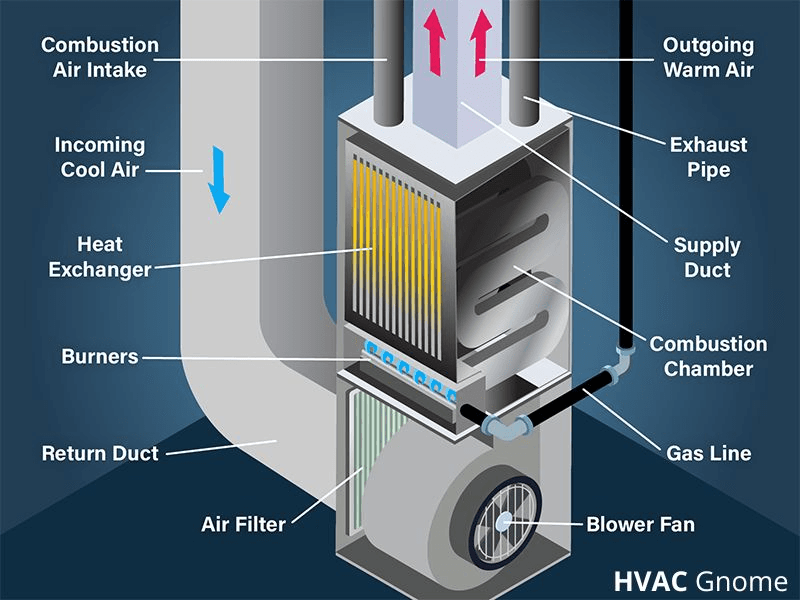
Simply put, the furnace control board is a printed circuit board (PCB) that acts as the central command center for a gas or oil furnace. It receives signals from various sensors and safety devices, interprets them, and then activates different components in the correct order and timing. Think of it as the conductor of an orchestra, ensuring each instrument (component) plays its part flawlessly.
Key Functions Performed by the Control Board
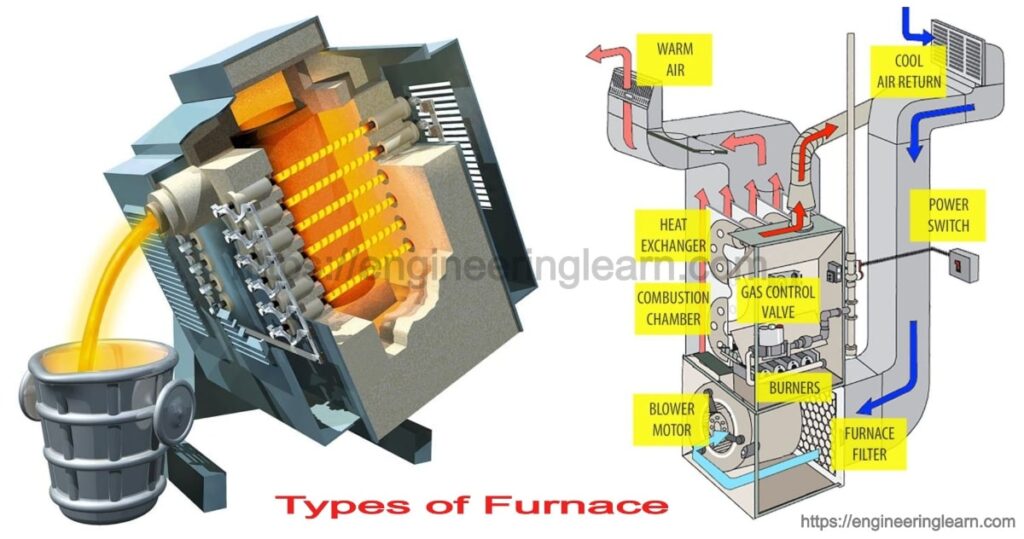
The modern furnace board oversees a multitude of critical functions, including:
- Ignition Sequence: This is arguably the most important function. The board controls the ignition process, ensuring that gas flow is initiated only after safety checks are completed. It manages the spark igniter or hot surface igniter and monitors the flame sensor to confirm successful ignition. A faulty flame sensor or ignition sequence failure is a common diagnostic challenge.
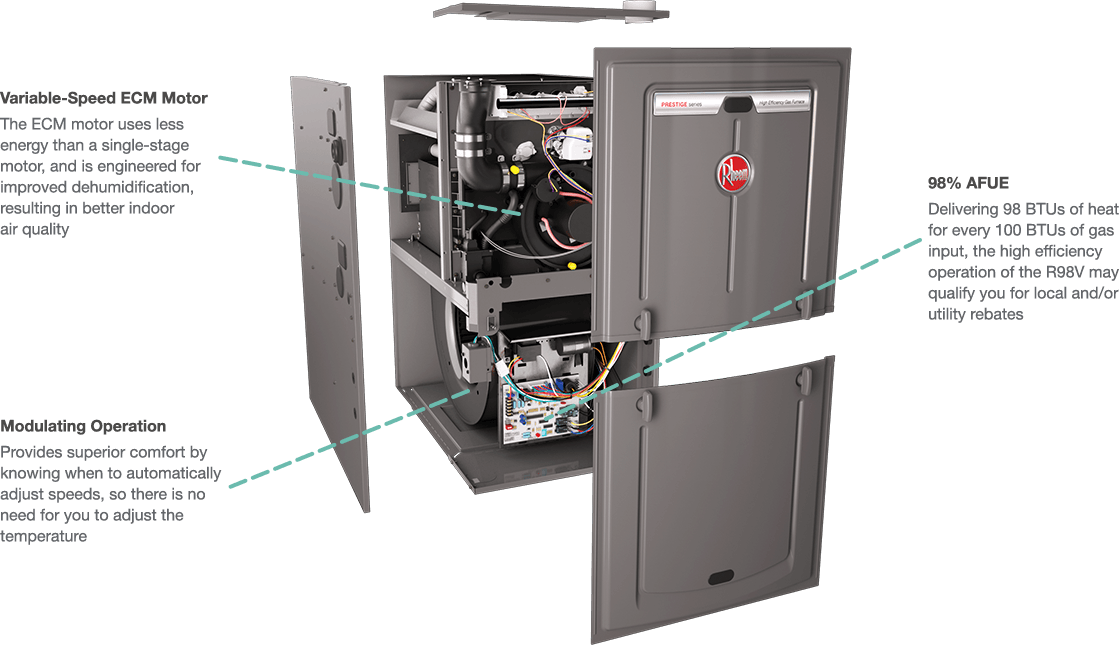
- Blower Motor Control: The control board regulates the blower motor, which circulates heated air throughout the house. It controls the blower's on/off cycles, speed, and potentially variable speeds based on the furnace's heating demand. Some newer furnaces use ECM (Electronically Commutated Motor) blower motors, which offer improved efficiency and require more sophisticated control signals from the board.
- Safety Monitoring: Furnaces are equipped with numerous safety devices, such as high-limit switches, rollout switches, and pressure switches. The control board constantly monitors these switches. If any of these devices detect an unsafe condition (e.g., overheating, blocked flue), the board immediately shuts down the furnace to prevent damage or hazards.
- Thermostat Communication: The control board receives signals from the thermostat, indicating the desired temperature. Based on this information, it determines whether to activate the heating cycle and at what intensity. Modern thermostats can communicate digitally with the control board, allowing for more precise temperature control and advanced features.
- Diagnostic Capabilities: Many modern furnace control boards incorporate self-diagnostic features. They can store error codes that indicate specific problems within the system. These error codes can be accessed via a display on the board or through a diagnostic tool, enabling technicians to quickly identify and troubleshoot issues.
- Flame Rectification: The board monitors the flame rectification signal. Flame rectification is a process where the furnace uses the flame itself to conduct a small electrical current. This current is sensed by the flame sensor and the control board, confirming that a stable flame is present. If the flame is lost, the current stops, and the board shuts off the gas supply.
Evolution of Furnace Control Boards
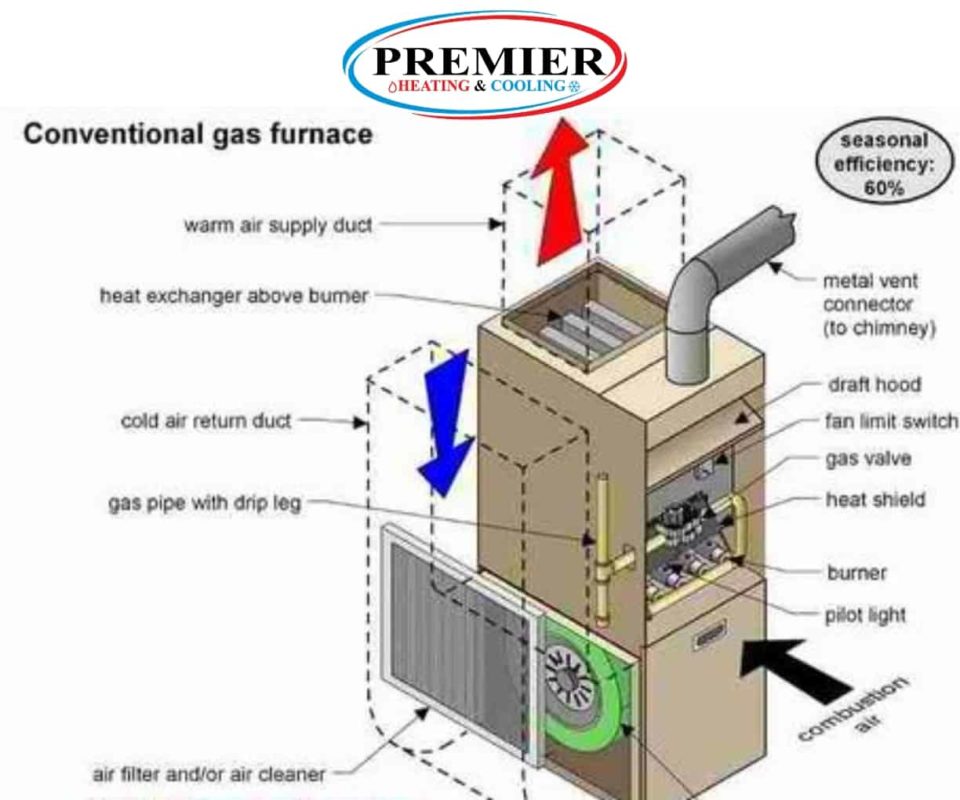
Early furnaces relied on electromechanical relays and timers to control their operation. These systems were relatively simple but prone to wear and tear. Modern furnaces use electronic control boards, which are more reliable, energy-efficient, and capable of performing more complex functions. The shift towards digital communication and variable-speed components has further increased the sophistication of these boards.
Why Understanding the Furnace Board Matters: Career Implications
For HVAC professionals, a solid understanding of furnace control boards is non-negotiable. It's the foundation for accurate diagnostics, efficient repairs, and confident troubleshooting.
- HVAC Students and Apprentices: Mastering the fundamentals of control board operation is essential for success in your training. Pay close attention to wiring diagrams, safety protocols, and troubleshooting techniques related to these boards. Hands-on experience is invaluable, so seek opportunities to work on different types of furnaces and control boards.
- Experienced Technicians: Staying up-to-date with the latest advancements in control board technology is crucial for maintaining your competitive edge. Consider pursuing certifications like NATE (North American Technician Excellence) to demonstrate your expertise. The NATE certification exams often include questions related to control board diagnostics and repair. Also, don't underestimate the importance of EPA 608 certification, particularly if you are working with refrigerants.
- Employers: When hiring HVAC technicians, prioritize candidates who possess a strong understanding of furnace control boards. Look for individuals with relevant certifications, experience with different types of furnaces, and a proven track record of troubleshooting electrical and electronic systems. Investing in training for your employees can also improve their skills and increase their value to your company.
Real-World Career Paths
A strong understanding of furnace control systems can open doors to various career paths within the HVAC industry:
- Service Technician: This is the most common career path for HVAC professionals. Service technicians diagnose and repair heating, ventilation, and air conditioning systems in residential and commercial buildings.
- Installation Technician: Installation technicians install new HVAC systems, including furnaces, air conditioners, and ductwork. They must be able to properly wire and configure control boards to ensure optimal performance.
- HVAC Sales Engineer: Sales engineers work with customers to design and specify HVAC systems. They must have a thorough understanding of control systems to recommend the best solutions for their clients' needs.
- HVAC System Designer: System designers use software tools to design HVAC systems for buildings. They must be able to select the appropriate control components and integrate them into the overall system design.
Job Outlook and Salary Expectations
The job outlook for HVAC technicians is excellent. The U.S. Bureau of Labor Statistics projects a growth rate of approximately 5% over the next decade, which is about average for all occupations. This growth is driven by factors such as increasing demand for energy-efficient HVAC systems, the growing population, and the aging infrastructure of existing buildings.
Salaries for HVAC technicians vary depending on experience, location, and certifications. According to recent data, the median annual salary for HVAC mechanics and installers is around $51,390. However, experienced technicians with specialized skills, such as control board diagnostics and repair, can earn significantly more. Entry-level positions may start at around $35,000 per year, while top earners can reach $75,000 or more.
“The demand for skilled HVAC technicians is consistently high, especially those with expertise in modern control systems,” notes Sarah Miller, a lead recruiter at a major HVAC company. “We are always looking for qualified candidates who can troubleshoot complex issues and provide exceptional customer service.”
Troubleshooting Common Control Board Issues
Diagnosing a faulty furnace control board requires a systematic approach. Here are some common problems and troubleshooting steps:
- No Power: Check the circuit breaker, power switch, and wiring connections. Use a multimeter to verify that the board is receiving power.
- Error Codes: Consult the furnace's service manual to interpret the error codes. Follow the troubleshooting steps recommended for each code.
- Ignition Problems: Check the igniter, flame sensor, and gas valve. Use a multimeter to test the igniter's resistance and the flame sensor's signal.
- Blower Motor Issues: Check the blower motor's capacitor, wiring connections, and motor windings. Use a multimeter to test the capacitor's capacitance and the motor's resistance.
- Safety Switch Tripping: Identify the cause of the safety switch tripping. Common causes include overheating, blocked flue, and low gas pressure.
Important Safety Tip: Always disconnect power to the furnace before working on the control board. Follow all safety procedures outlined in the furnace's service manual and wear appropriate personal protective equipment (PPE).
The Future of Furnace Control
Furnace control technology continues to evolve, driven by the demand for greater efficiency, improved comfort, and enhanced safety. Expect to see the following trends:
- Smart Home Integration: Furnaces will increasingly be integrated with smart home systems, allowing users to control their heating remotely and monitor system performance.
- Predictive Maintenance: Control boards will incorporate sensors and algorithms that can predict potential problems before they occur, enabling proactive maintenance and preventing breakdowns.
- Advanced Diagnostics: Diagnostic tools will become more sophisticated, providing technicians with detailed information about the furnace's operating parameters and potential issues.
- Artificial Intelligence (AI): AI algorithms will be used to optimize furnace performance, reduce energy consumption, and improve troubleshooting capabilities.
By staying informed about these trends and continuously developing your skills, you can position yourself for a successful and rewarding career in the HVAC industry.