What Does The Thermocouple Look Like

Decoding the Thermocouple: A Simple Part with a Big Impact on Your Energy Bills
If you're a homeowner battling soaring energy costs, a business aiming for a greener footprint, or an HVAC contractor focused on energy-efficient solutions, understanding the components of your heating system is crucial. One often-overlooked but vital piece is the thermocouple. While it might seem insignificant, this small part plays a critical role in ensuring your furnace, water heater, or gas fireplace operates safely and efficiently. Let's delve into what a thermocouple looks like, how it works, and why it matters for your energy savings.
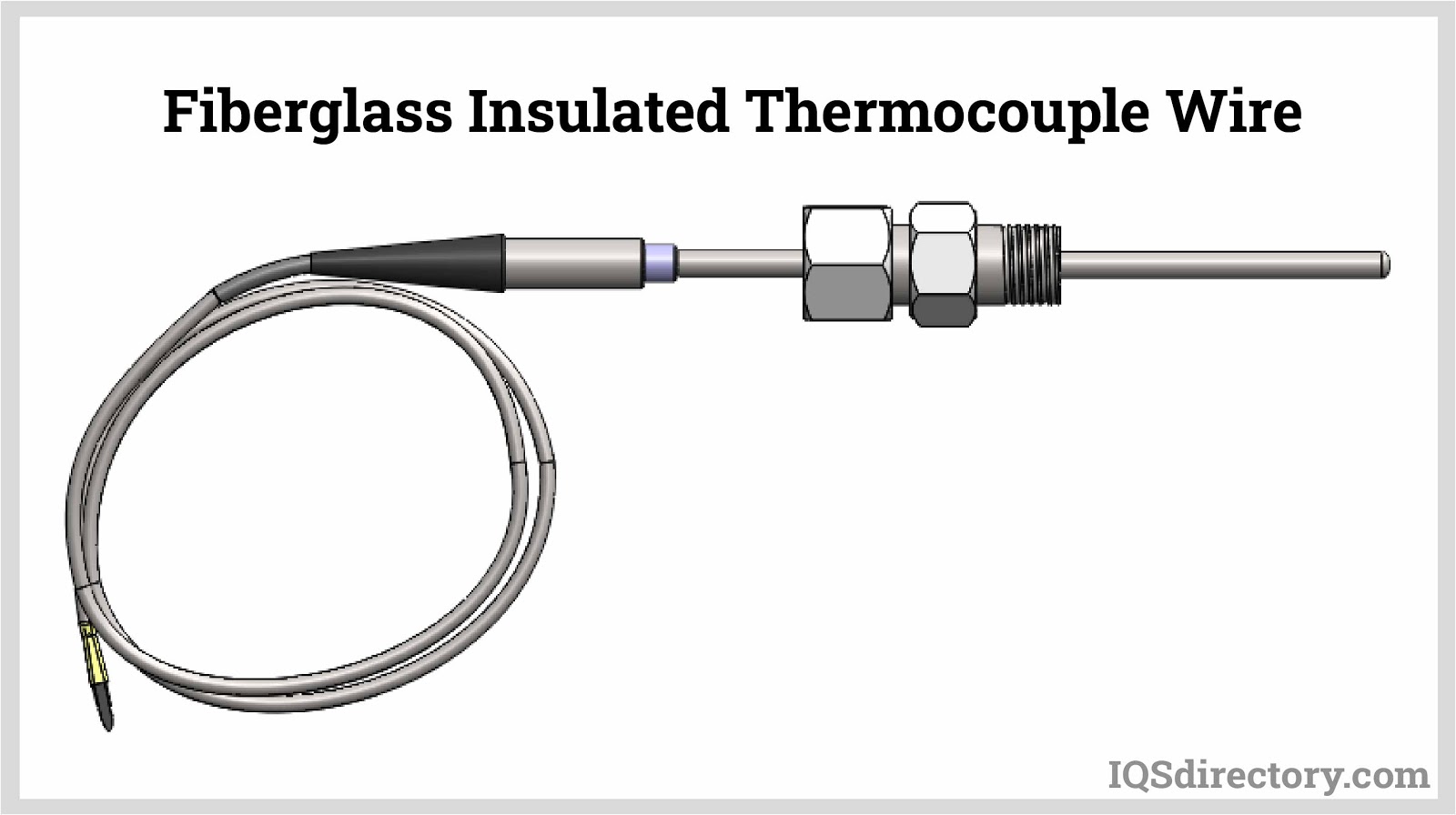
What Exactly *Does* a Thermocouple Look Like?
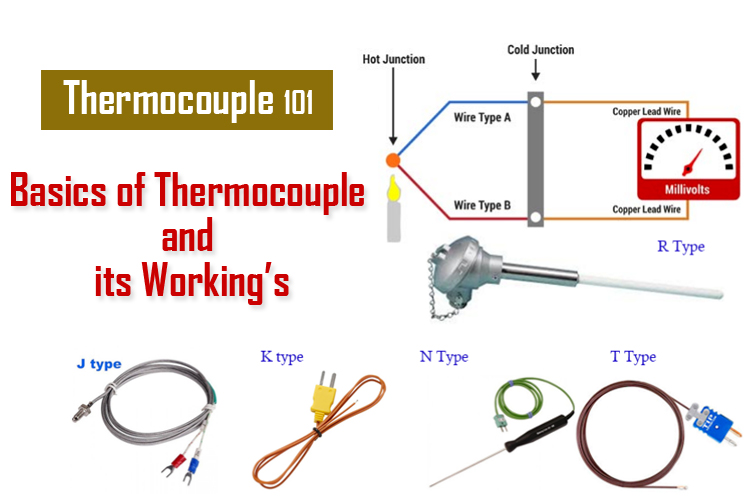
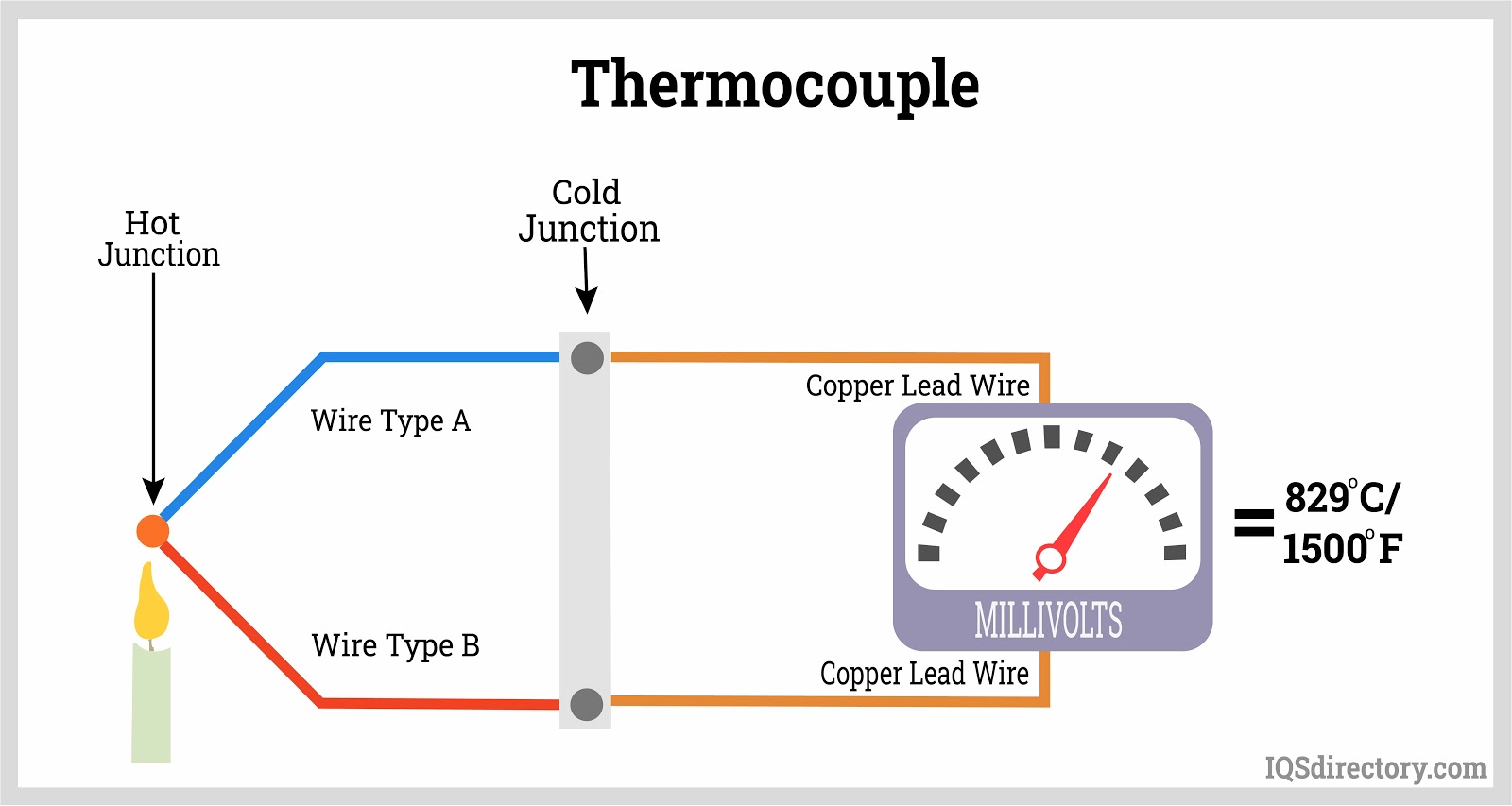
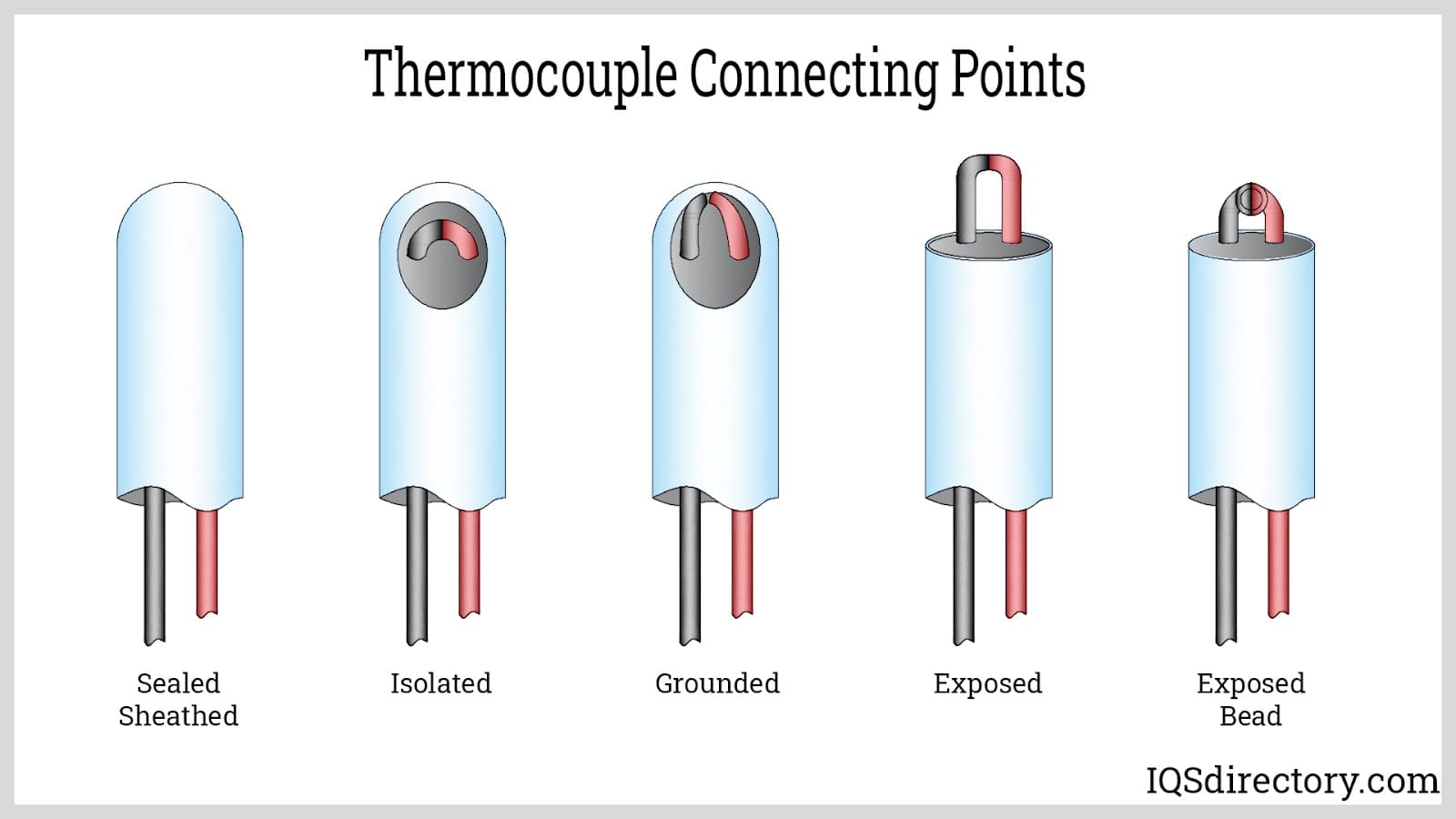
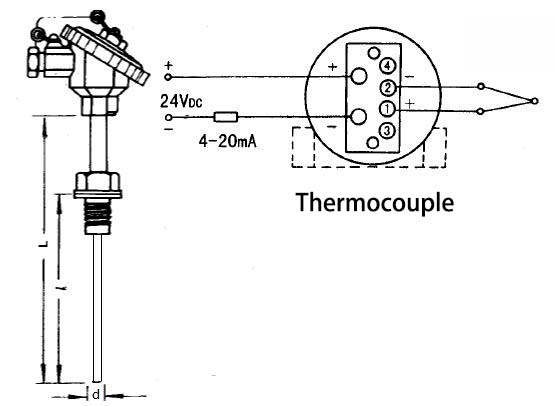
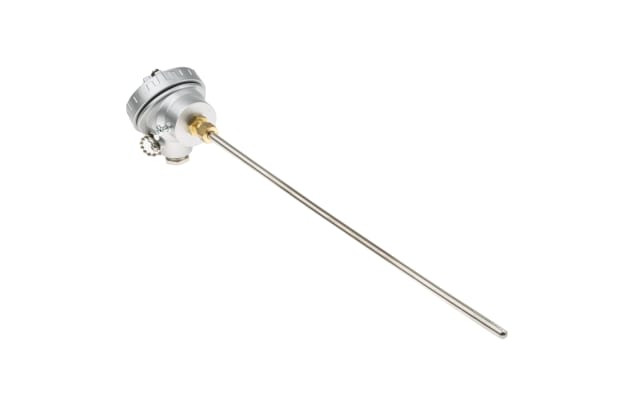
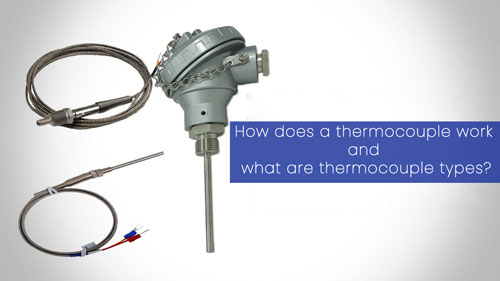
The thermocouple is typically a thin, metal rod. Think of it like a slender, metallic finger that extends into the pilot light flame or near the burner in your appliance. It's usually made of two dissimilar metal wires joined at one end, called the 'hot junction' or 'sensing junction'. These wires are often encased in a protective metal sheath, typically made of materials like stainless steel or Inconel, to withstand high temperatures and harsh environments.
Visually, you'll typically find the following characteristics:
- Shape: Usually a straight rod, although some may have a slight curve or bend depending on the appliance's design.
- Size: Generally between 1 to 3 inches long, but length can vary depending on the application.
- Color: Metallic, often with a silver or gray sheen. The sheath may have a slightly tarnished appearance over time due to heat exposure.
- Connections: One end is the sealed “hot junction” that sits in the flame. The other end has electrical connections (usually screw terminals or spade connectors) that attach to the gas valve.
Think of it this way: if you were to open up your gas furnace, you'd typically find the thermocouple positioned very close to the pilot light (if your furnace has one) or near the main burner. Its job is to "sense" the presence of a flame. It's a crucial safety component.
How Does This Little Rod Affect My Energy Bill?
The thermocouple's primary function is safety. But safety translates directly into energy efficiency. Here's why:
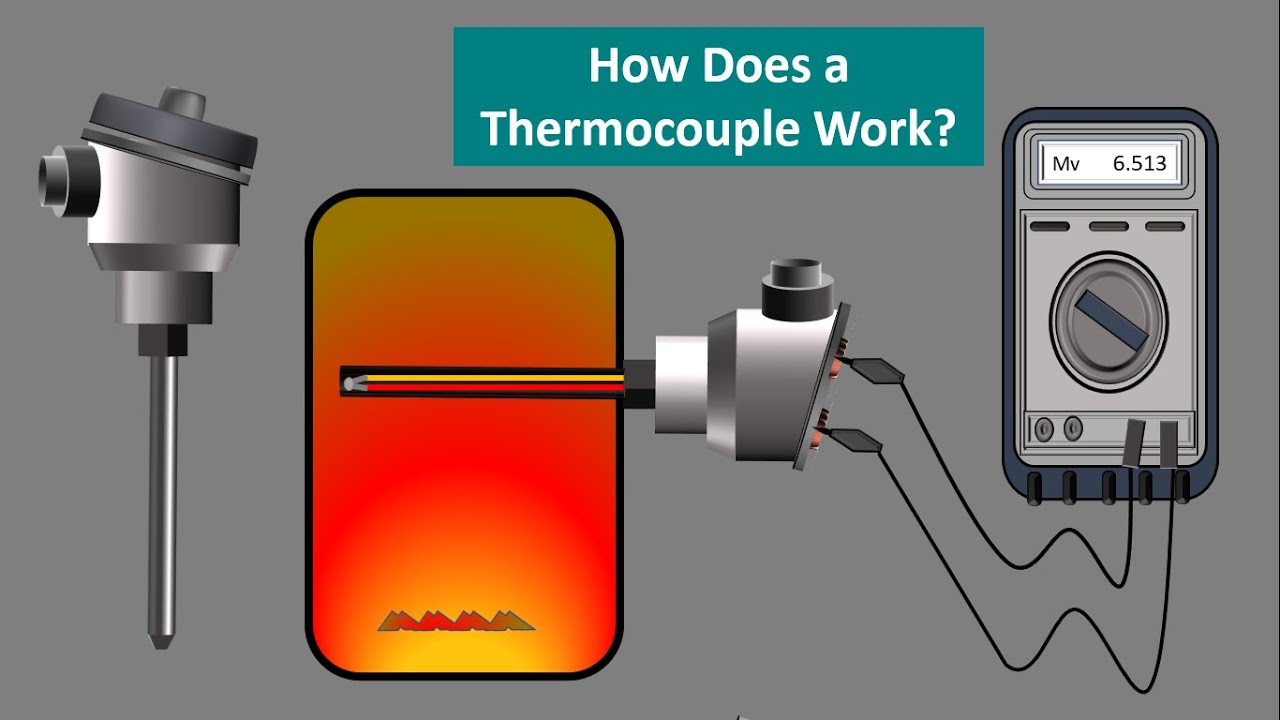
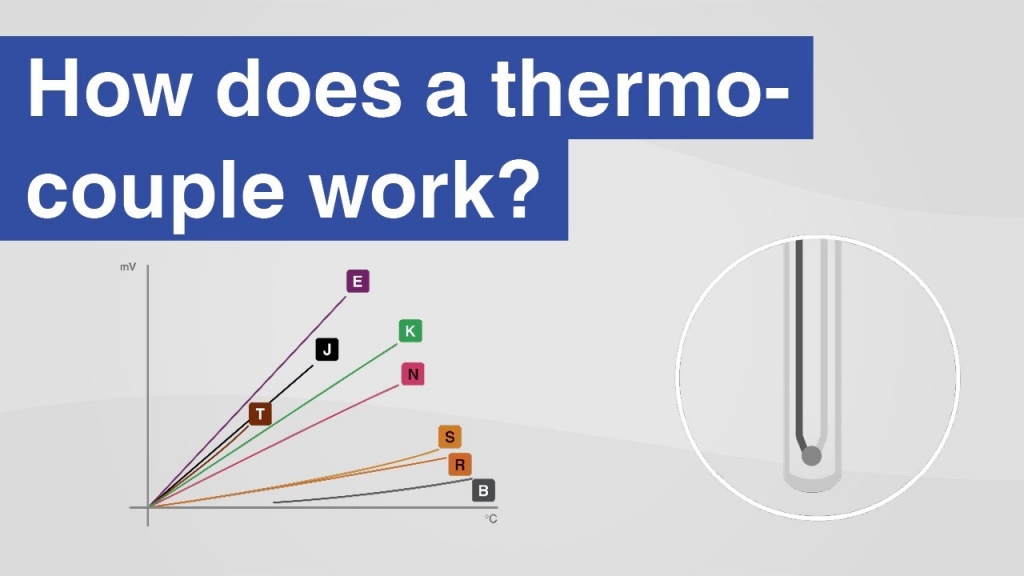
The thermocouple generates a small electrical current when its hot junction is heated by the flame. This current is sent to the gas valve, which is the control mechanism that allows gas to flow to the burner. If the thermocouple doesn't sense a flame (either because the pilot light is out or the thermocouple is faulty), the electrical current stops. This cuts off the gas supply, preventing a potentially dangerous gas leak.
Now, here's the connection to energy efficiency: A faulty thermocouple can lead to:
- Pilot Light Issues: A weak thermocouple might cause the pilot light to flicker or go out frequently. This requires the furnace to repeatedly relight the pilot, wasting gas. Even a continuously burning pilot light, while seemingly insignificant, consumes energy. According to the Department of Energy, pilot lights can account for a surprisingly large portion of your annual gas bill, especially in older appliances.
- Incomplete Combustion: A malfunctioning thermocouple can disrupt the proper gas flow, leading to incomplete combustion. Incomplete combustion means that the fuel is not burning completely, releasing less heat and wasting energy. It also generates harmful byproducts like carbon monoxide.
- System Shutdowns: A failing thermocouple will eventually prevent the furnace from operating altogether. This could leave you without heat in the dead of winter, resulting in discomfort and potentially costly emergency repairs.
Therefore, a healthy, properly functioning thermocouple ensures consistent and efficient operation of your heating system, minimizing gas wastage and keeping your energy bills in check.
Diagnosing and Replacing a Faulty Thermocouple
If you suspect your thermocouple is failing, there are a few telltale signs:
- The pilot light frequently goes out.
- The furnace struggles to ignite or shuts down shortly after starting.
- You smell gas near the appliance (if you smell gas, immediately evacuate the area and contact your gas company or a qualified HVAC technician).
While some homeowners might be comfortable testing and replacing a thermocouple themselves (using a multimeter to check the voltage output), it's generally recommended to call a qualified HVAC technician. Working with gas lines and electrical components can be dangerous if not done correctly. An HVAC professional can accurately diagnose the issue and ensure the replacement is done safely and properly.
Smart HVAC Integration: Even More Control Over Efficiency
While the thermocouple itself isn't a "smart" device, it's an integral part of any HVAC system, including those integrated with smart thermostats and sensors. Smart thermostats can provide even more sophisticated control over your home's heating and cooling, further enhancing energy efficiency.
Here's how smart integration complements the thermocouple's function:
- Precise Temperature Control: Smart thermostats allow you to set precise temperature schedules, ensuring you're only heating your home when needed. This minimizes energy waste and reduces your carbon footprint.
- Remote Monitoring and Control: With a smart thermostat, you can monitor and adjust your home's temperature from anywhere using your smartphone or tablet. This allows you to make adjustments based on real-time weather conditions and your occupancy schedule.
- Energy Usage Tracking: Many smart thermostats provide detailed reports on your energy usage, allowing you to identify areas where you can further improve efficiency. Some can even alert you to potential problems with your system, such as a malfunctioning thermocouple, before they escalate into major issues.
- Integration with Smart Home Ecosystems: Smart thermostats can often be integrated with other smart home devices, such as smart sensors and smart vents, to create a fully automated and energy-efficient heating and cooling system. For example, smart sensors can detect occupancy in different rooms and adjust the temperature accordingly, ensuring you're only heating the areas you're using.
By combining a well-maintained HVAC system with a smart thermostat, homeowners and businesses can achieve significant energy savings and reduce their environmental impact. The *Energy Star* program offers certifications for smart thermostats, indicating that they meet strict energy-efficiency standards. Look for the Energy Star label when choosing a smart thermostat for your home or business.
ROI and Energy Savings: The Long-Term Benefits
While replacing a thermocouple might seem like a minor expense, the long-term benefits in terms of energy savings and system reliability can be substantial. A properly functioning thermocouple ensures that your heating system operates efficiently, minimizing gas wastage and reducing your energy bills.
Consider this: A faulty thermocouple can lead to a 10-15% increase in gas consumption, depending on the severity of the issue. Over the course of a heating season, this can translate into hundreds of dollars in wasted energy. By replacing the thermocouple, you can recoup these savings and improve the overall efficiency of your heating system.
Furthermore, a well-maintained heating system is less likely to experience breakdowns, saving you money on costly repairs. Regular maintenance, including checking and replacing the thermocouple as needed, is an investment that pays off in the long run.
In addition to direct energy savings, many utility companies offer rebates and incentives for homeowners and businesses who upgrade to energy-efficient HVAC systems. These rebates can help offset the cost of new equipment, such as smart thermostats, and make energy-efficient upgrades even more affordable. Check with your local utility company to see what rebates are available in your area.
Conclusion: The Thermocouple – A Small Part with a Big Role
The thermocouple may be a small and relatively inexpensive component, but it plays a vital role in the safe and efficient operation of your heating system. By understanding what a thermocouple looks like, how it works, and the signs of a failing thermocouple, you can take proactive steps to ensure your system is operating at peak performance. Regular maintenance, combined with the integration of smart HVAC technology, can lead to significant energy savings and a more comfortable and sustainable living environment. Don't underestimate the power of this little rod; it could be the key to unlocking lower energy bills and a greener future.