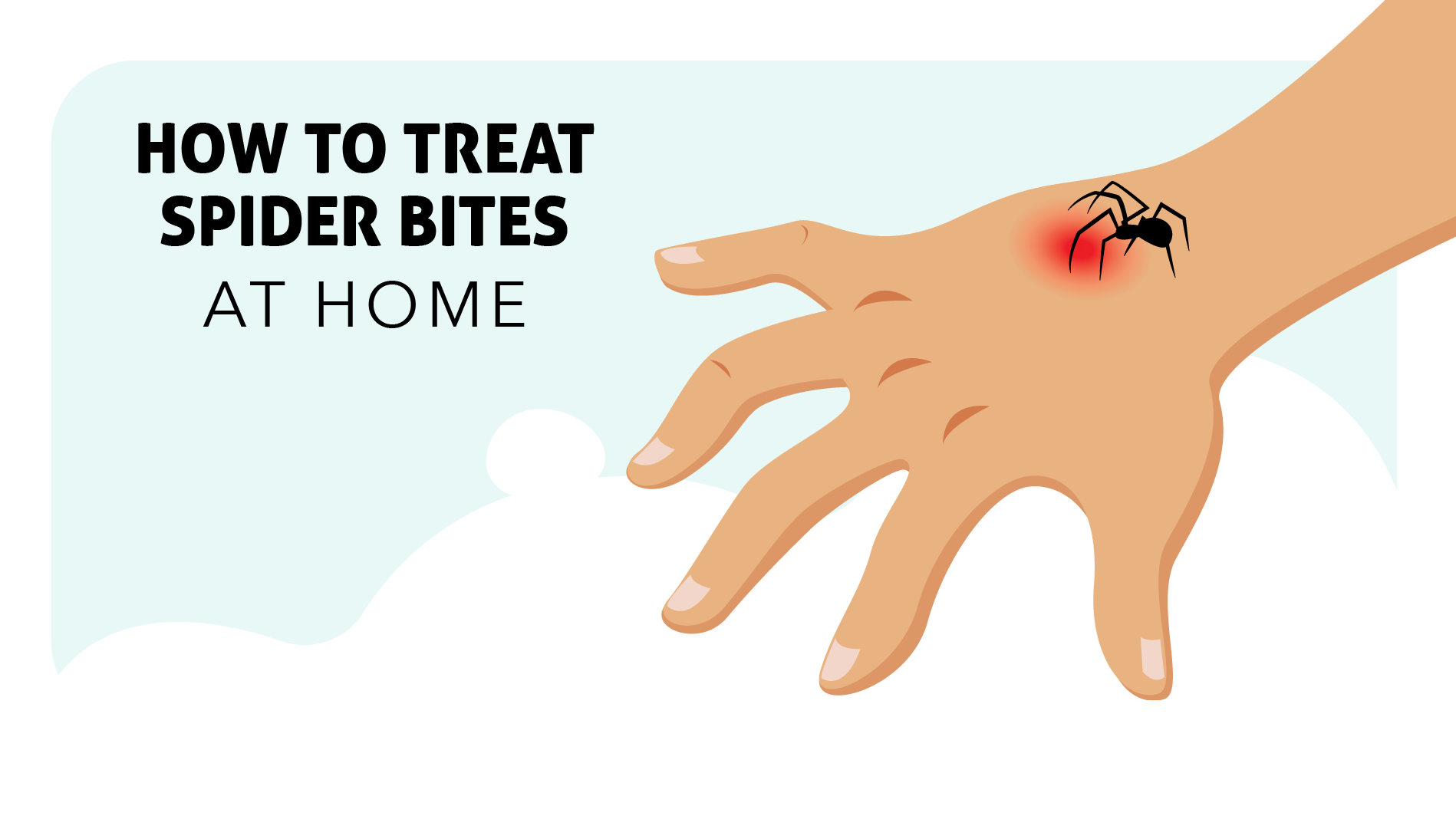
What Draws Poison Out Of A Spider Bite

Frequently Asked Questions: Drawing Out Venom from Spider Bites
Spider bites can be a cause for concern, and it's natural to want to alleviate the pain and potential complications as quickly as possible. This FAQ addresses common questions about drawing venom out of spider bites, providing practical advice and clarifying misconceptions.
Question 1: Can you actually "draw out" spider venom after a bite?
The idea of physically drawing venom out of a spider bite is largely a misconception. Most spider venoms, once injected, rapidly spread into the surrounding tissues and bloodstream. While some methods may offer temporary relief or superficial cleansing, they are unlikely to remove a significant amount of venom.
Think of it like injecting dye into fabric. Once the dye spreads, you can't simply "draw" it back out from the point of injection.
Focus should be on managing symptoms and seeking medical attention if necessary, especially if you suspect a bite from a potentially dangerous spider like a black widow or brown recluse.
Question 2: What home remedies are sometimes suggested for drawing out venom, and are they effective?
Several home remedies are often suggested, but their effectiveness in drawing out venom is questionable:
- Baking Soda Paste: Some believe applying a baking soda paste can neutralize venom. While it might soothe the skin due to its alkaline properties, it won't draw venom out.
- Activated Charcoal: Activated charcoal is known for its absorbent properties, but it primarily works by binding to substances in the digestive tract. Applying it topically to a spider bite is unlikely to extract venom.
- Epsom Salt Soaks: Epsom salt soaks can help reduce inflammation and pain, but they don't draw venom out.
- Poultices (e.g., plantain, clay): Historically, poultices were used to treat various ailments. While some herbs may have anti-inflammatory properties, there's no scientific evidence they can draw out spider venom.
- Suction Devices (Venom Extractors): These devices are designed to create suction and extract venom. Studies on their effectiveness for snake bites (which inject venom more superficially) have shown limited benefit, and they are unlikely to be helpful for spider bites where the venom disperses quickly. Their use is generally discouraged by medical professionals.
While these remedies might offer some comfort through anti-inflammatory or soothing effects, they are not proven methods for removing venom.
Question 3: If "drawing out" venom isn't effective, what *should* I do immediately after a spider bite?
Here's a step-by-step guide to immediate care after a spider bite:
- Stay Calm: Panic can increase your heart rate and potentially spread the venom faster.
- Clean the Area: Wash the bite area thoroughly with soap and water. This helps prevent secondary infections.
- Apply a Cold Compress: Use a cold pack or ice wrapped in a cloth to reduce swelling and pain. Apply for 10-15 minutes at a time, several times a day.
- Elevate the Affected Limb: If the bite is on an arm or leg, elevate it to help reduce swelling.
- Monitor for Symptoms: Watch for signs of a severe reaction, such as difficulty breathing, chest pain, muscle cramps, nausea, vomiting, or a spreading rash.
- Identify the Spider (If Possible, Safely): If you can safely identify the spider (e.g., by taking a picture), it can help medical professionals determine the appropriate treatment. Do not risk another bite to capture or kill the spider.
- Seek Medical Attention: If you suspect a bite from a potentially dangerous spider (black widow, brown recluse) or if you experience any severe symptoms, seek immediate medical attention.
The focus should be on symptom management and seeking professional medical advice.
Question 4: When is it *essential* to see a doctor after a spider bite? What are the red flags?
Seek medical attention immediately if you experience any of the following:
- Difficulty Breathing or Swallowing: This could indicate an allergic reaction or severe envenomation.
- Chest Pain or Tightness: This could be a sign of a serious systemic reaction.
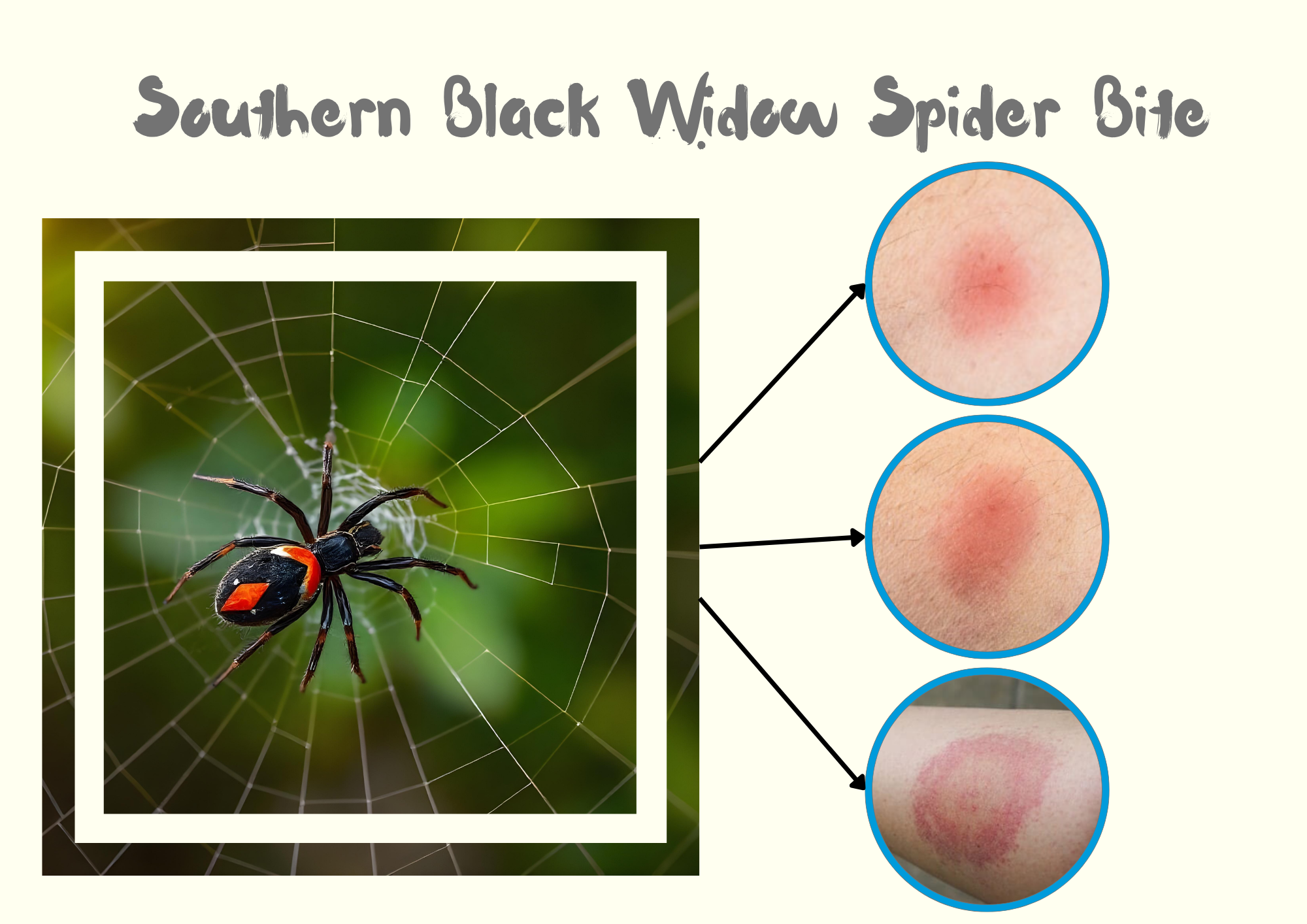
- Severe Muscle Cramps or Spasms: Especially in the abdomen, back, or chest. This is common with black widow bites.
- Nausea, Vomiting, or Diarrhea: These can be signs of systemic envenomation.
- Severe Pain at the Bite Site: Disproportionate pain that doesn't respond to over-the-counter pain relievers.
- A Spreading Rash or Blisters: This could indicate a serious reaction or secondary infection.
- Fever or Chills: These can be signs of infection.
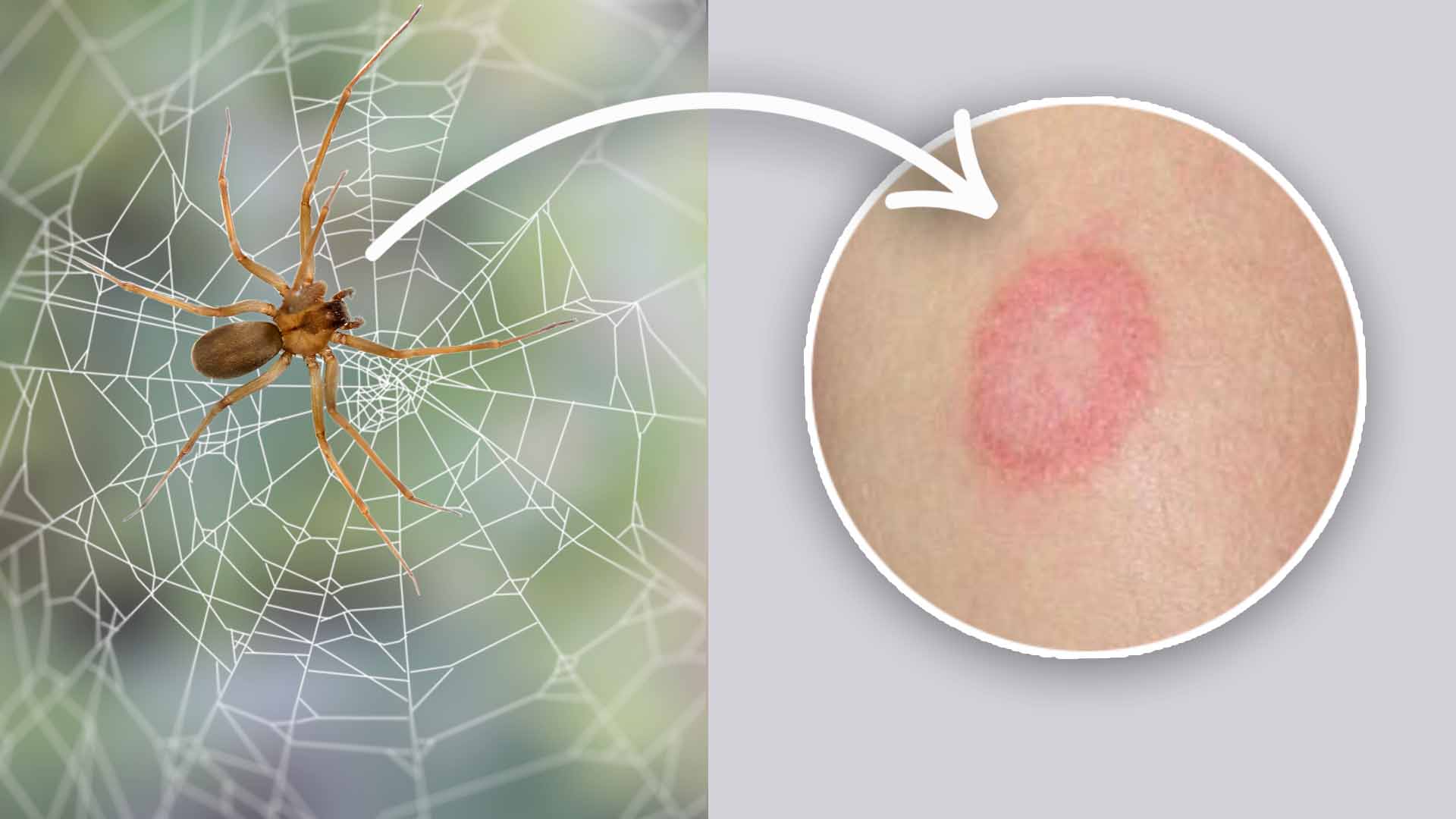
- A Bite You Suspect is from a Black Widow or Brown Recluse: These spiders have potent venom and can cause significant tissue damage or systemic effects.
- If you are unsure about the spider that bit you and have concerning symptoms. It's always better to err on the side of caution.
Don't delay seeking medical help if you have any concerns. Early treatment can prevent serious complications.
Question 5: What are the potential complications of a spider bite, and how are they treated?
Potential complications of spider bites vary depending on the type of spider and the individual's reaction. Some possible complications include:
- Necrosis (Tissue Death): Brown recluse bites can cause significant tissue damage, leading to necrosis. Treatment may involve wound care, antibiotics, and in severe cases, surgery.
- Systemic Envenomation: Black widow bites can cause systemic symptoms like muscle cramps, nausea, and high blood pressure. Treatment may include pain medication, muscle relaxants, and antivenom (if available and deemed necessary).
- Secondary Infection: Any break in the skin can lead to a bacterial infection. Treatment involves antibiotics.
- Allergic Reaction: Some people may have an allergic reaction to spider venom. Treatment may include antihistamines, corticosteroids, or epinephrine (for severe reactions).
- Scarring: Bites that cause significant tissue damage can result in scarring. Treatment may involve scar creams or, in some cases, reconstructive surgery.
Treatment depends on the specific complications and the spider involved. A medical professional will assess the situation and determine the most appropriate course of action.
Question 6: How can I prevent spider bites in my home or facility?
Preventing spider bites involves reducing spider populations and minimizing contact with them:
- Seal Cracks and Crevices: Seal any cracks or crevices in your foundation, walls, and around windows and doors to prevent spiders from entering.
- Remove Webs and Egg Sacs: Regularly remove spider webs and egg sacs from your home or facility.
- Reduce Clutter: Spiders like to hide in cluttered areas. Remove clutter from attics, basements, garages, and storage areas.
- Wear Gloves and Long Sleeves: When working in areas where spiders may be present, wear gloves and long sleeves.
- Shake Out Clothing and Shoes: Before wearing clothing or shoes that have been stored for a while, shake them out to dislodge any spiders.
- Use Insecticides (Judiciously): Consider using insecticides around the perimeter of your home or facility. Follow the instructions carefully and use them sparingly.
- Maintain Landscaping: Keep grass trimmed, and remove weeds and debris around your home or facility.
- Inspect Items Brought Indoors: When bringing items inside from outdoors (e.g., firewood, plants), inspect them for spiders.
- Consider Professional Pest Control: If you have a persistent spider problem, consider hiring a professional pest control company.
Taking proactive steps to prevent spider infestations can significantly reduce your risk of being bitten.
Question 7: Are there any reliable resources where I can learn more about spider bites and their treatment?
Yes, several reputable organizations provide accurate information about spider bites:
- Centers for Disease Control and Prevention (CDC): The CDC offers information on various health topics, including spider bites.
- Mayo Clinic: The Mayo Clinic's website provides comprehensive information on spider bite symptoms, diagnosis, and treatment.
- American Academy of Dermatology (AAD): The AAD offers information on skin conditions, including spider bites.
- Your Local Poison Control Center: Poison control centers can provide immediate advice and guidance in case of a spider bite.
- National Institutes of Health (NIH): The NIH conducts research on various health topics, including spider bites.
Always consult with a qualified healthcare professional for diagnosis and treatment of spider bites. The information provided here is for general knowledge and should not be considered medical advice.
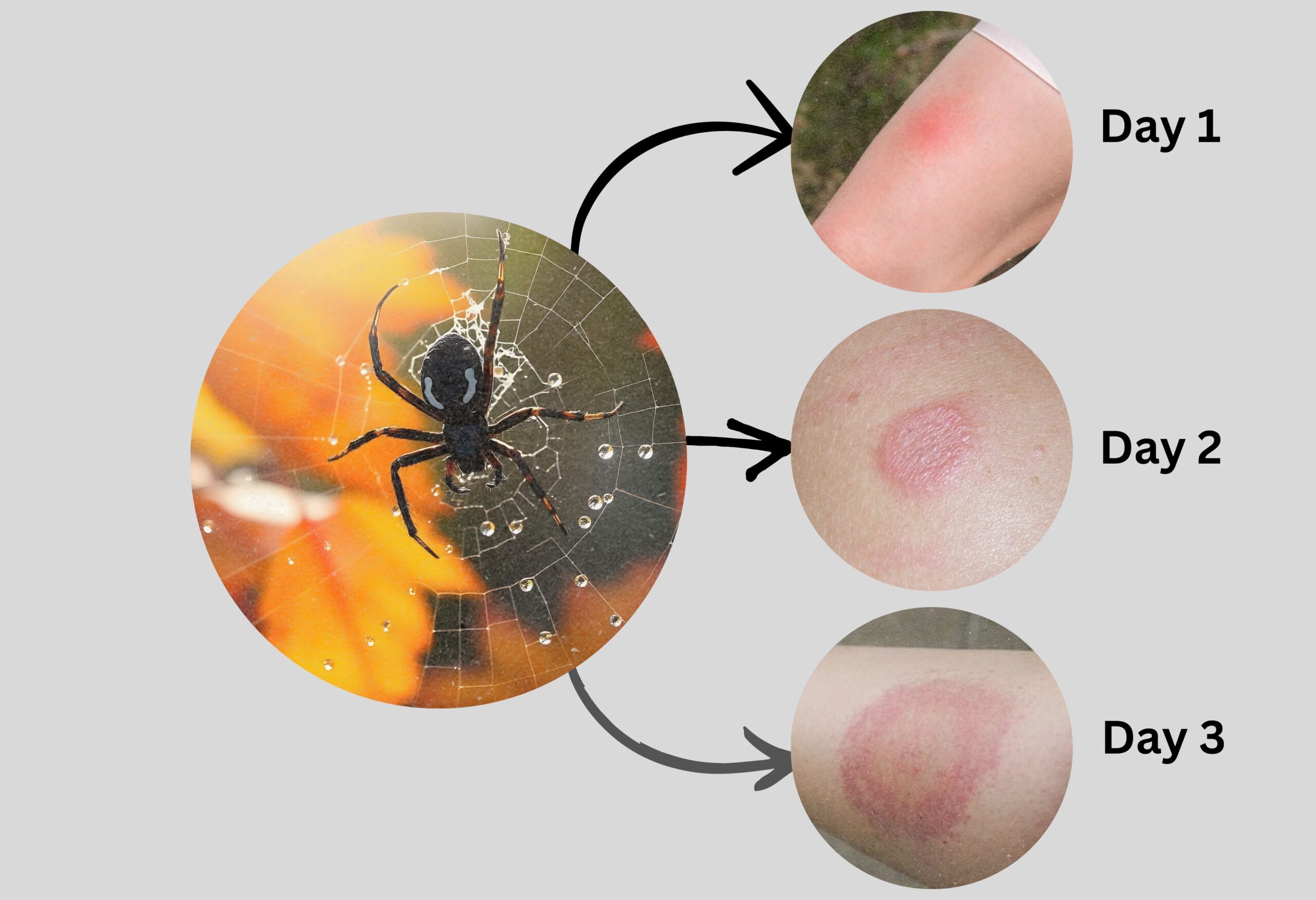
:max_bytes(150000):strip_icc()/spiderbitefinal-5a2ff7229e94270037bb4efa.png)