What Effects Does Deforestation Have On The Environment

We've all been there. You're happily gardening, enjoying the sunshine, when suddenly you notice something's not quite right. Your once vibrant vegetable patch is struggling, your lawn is thinning despite regular watering, or maybe you're experiencing more frequent and intense flooding in your yard. While many factors can contribute to these problems, it's worth considering the larger environmental picture, specifically the impact of deforestation. Understanding the consequences of deforestation can help you diagnose and address some of these issues, even on a small scale, and appreciate the interconnectedness of our environment.
Understanding the Link: Deforestation and Your Backyard
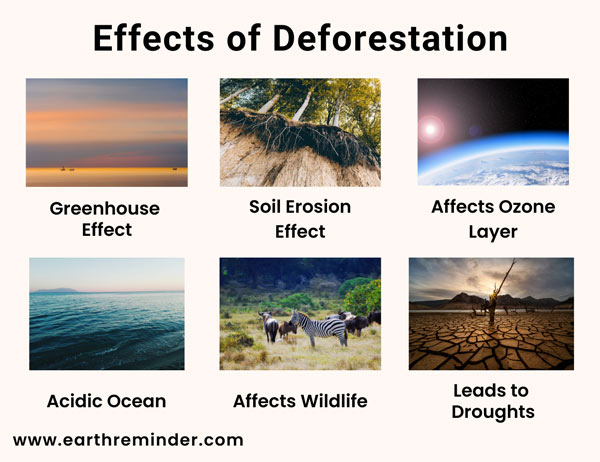
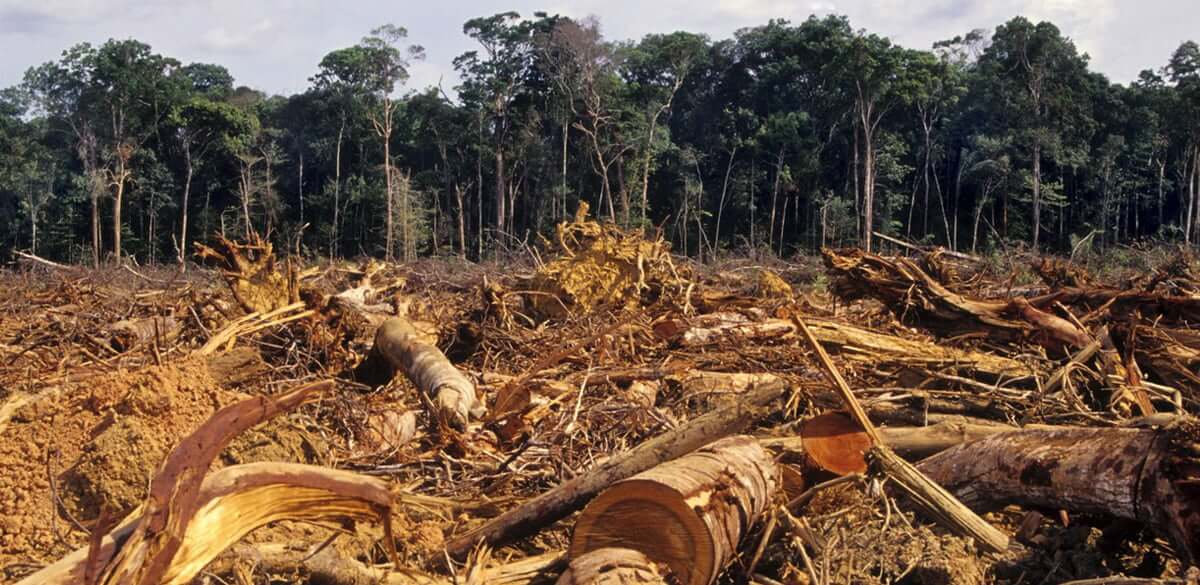
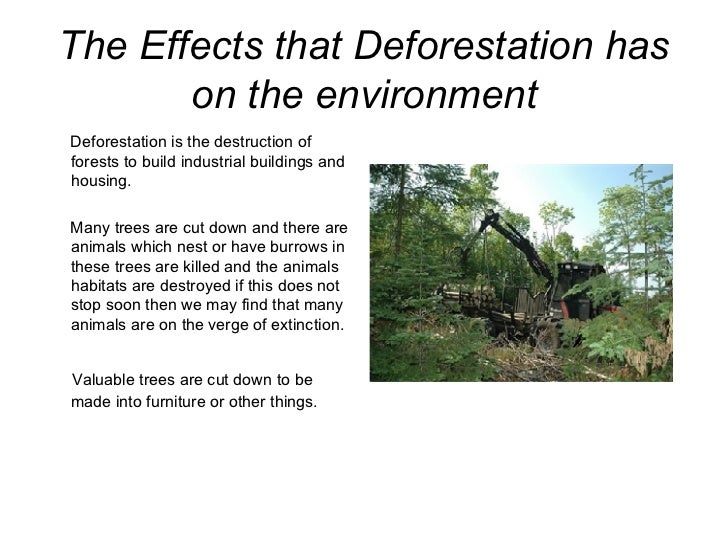
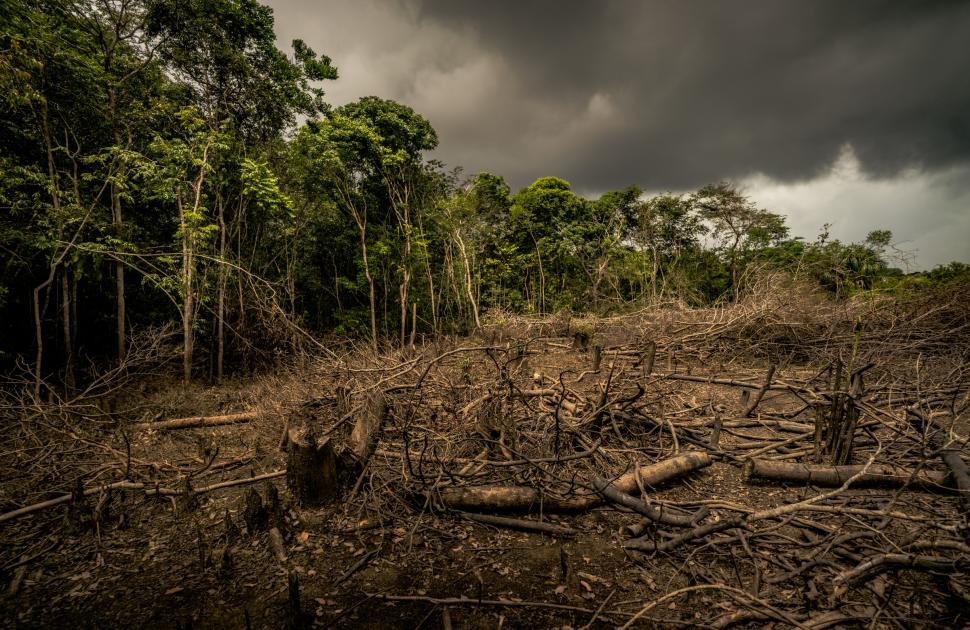
Deforestation, the clearing of forests for other land uses like agriculture, urbanization, and resource extraction, has far-reaching consequences. It's not just an abstract concept; its effects can trickle down and directly impact your local environment and, consequently, your property.
Here's how:
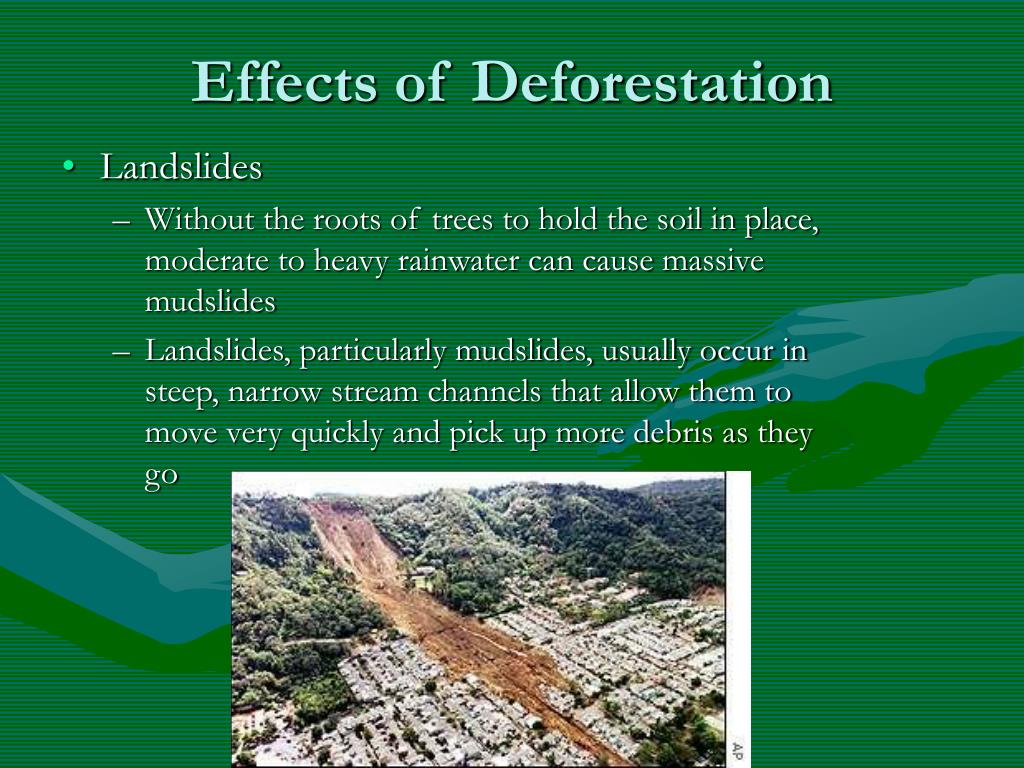
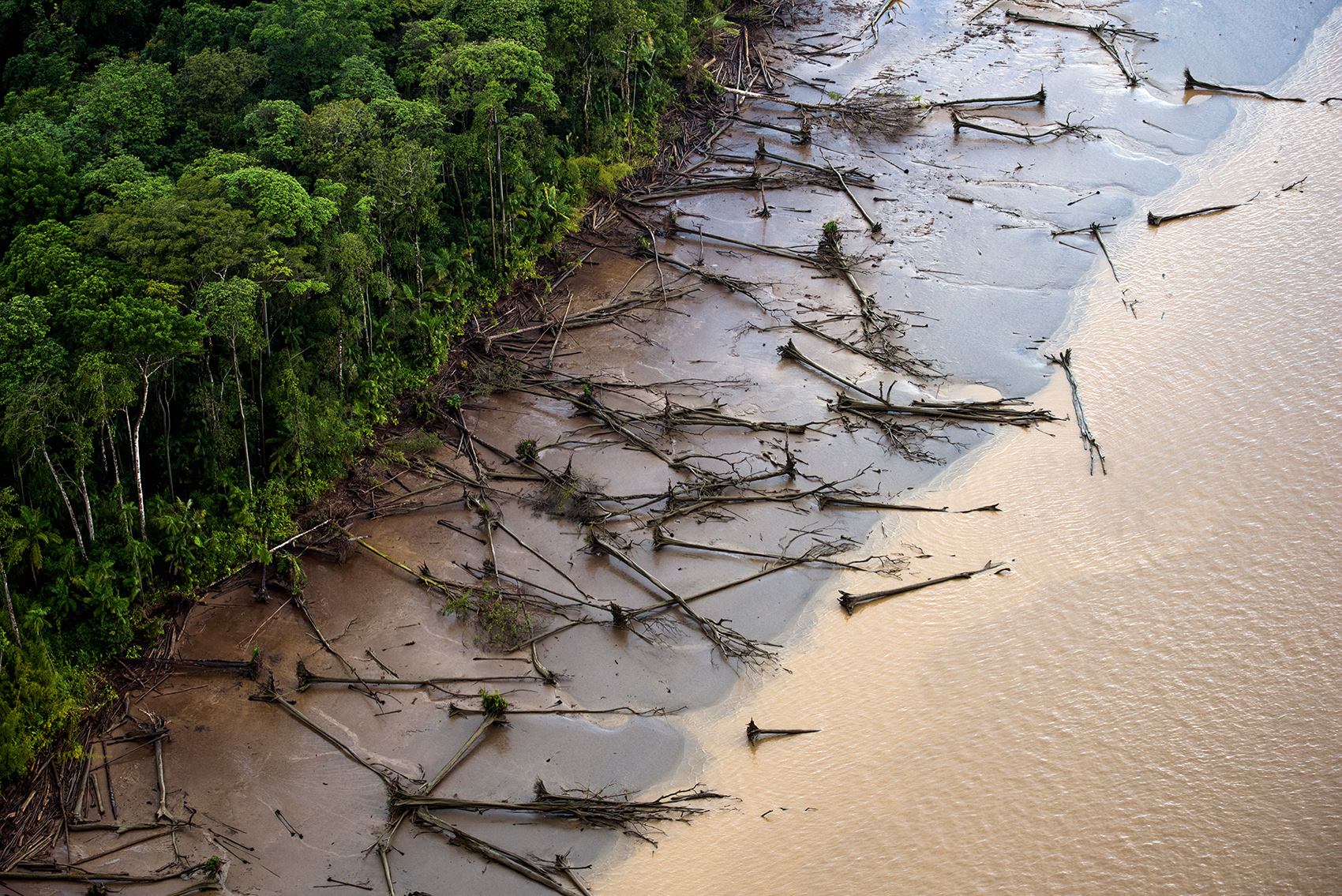
- Soil Erosion and Nutrient Loss: Trees act as anchors, holding the soil in place with their roots. Without trees, rainwater easily washes away topsoil, the most fertile layer, leading to nutrient depletion. This makes it harder for plants to thrive in your garden and lawn.
- Water Runoff and Flooding: Forests act like sponges, absorbing rainfall and gradually releasing it into the ground. Deforestation disrupts this natural process, increasing surface runoff. This can lead to increased flooding in your yard and potentially damage your home's foundation.
- Changes in Local Climate: Forests play a crucial role in regulating local climate. They provide shade, reduce wind speed, and release water vapor into the atmosphere through transpiration, which helps cool the surrounding area. Deforestation can lead to increased temperatures and altered rainfall patterns, impacting the health of your plants and your comfort levels.
- Loss of Biodiversity: Forests are home to a vast array of plant and animal species. Deforestation destroys habitats, leading to a decline in biodiversity. This can disrupt the natural balance of ecosystems and impact the pollinators that are essential for your garden.
Troubleshooting Common Problems: A Step-by-Step Guide
Let's explore some common homeowner problems that can be exacerbated by deforestation and how to diagnose and address them:
Problem 1: Poor Plant Growth in Your Garden
Your vegetables are stunted, your flowers aren't blooming, and everything just seems to be struggling. This could be a sign of nutrient-depleted soil, a direct consequence of soil erosion linked to deforestation.
Step 1: Visual Inspection:
Carefully examine your garden soil. Is it compacted? Does it appear thin or sandy? Look for signs of erosion, such as gullies or exposed roots. Compare the soil to that in a more wooded area nearby, if possible. Notice any differences in color, texture, and organic matter.
Step 2: Soil Testing:
Purchase a soil testing kit from your local garden center or online. Follow the instructions carefully to collect a soil sample and send it to a lab for analysis. This will provide you with information about the pH level, nutrient content (nitrogen, phosphorus, potassium), and organic matter content of your soil. Knowing your soil's deficiencies is crucial for effective remediation.
Step 3: DIY Fixes:
- Amend the Soil with Organic Matter: Add compost, well-rotted manure, or leaf mold to your garden soil. Organic matter improves soil structure, increases water retention, and provides essential nutrients. Work it into the top several inches of soil.
- Use Cover Crops: Plant cover crops like clover, rye, or buckwheat during the off-season. These plants help to prevent soil erosion, suppress weeds, and add nutrients back into the soil. Till them into the soil before planting your main crops.
- Mulch Regularly: Apply a layer of mulch around your plants to help retain moisture, suppress weeds, and prevent soil erosion. Organic mulches like wood chips, straw, or shredded leaves will also decompose over time and add nutrients to the soil.
When to Call a Professional:
If your soil test reveals severe nutrient deficiencies or imbalances that you're unable to correct with DIY methods, or if you suspect soil contamination, consult with a soil scientist or a landscape professional. They can provide more specialized recommendations and treatment options.
Problem 2: Increased Water Runoff and Flooding
You're noticing more water pooling in your yard after rainfall, and your basement is experiencing increased dampness or even flooding. This could be due to increased water runoff caused by deforestation, which reduces the land's ability to absorb water.
Step 1: Observe Water Flow:
During and after a rain event, carefully observe the flow of water across your property. Identify areas where water is pooling or running off quickly. Note the direction of the flow and any obstacles that might be impeding drainage.
Step 2: Check Gutters and Downspouts:
Ensure that your gutters are clean and free of debris. Clogged gutters can cause water to overflow and run down the side of your house, contributing to water runoff and foundation problems. Make sure your downspouts are properly positioned to direct water away from your foundation.
Step 3: DIY Fixes:
- Install Rain Barrels: Collect rainwater in rain barrels to reduce runoff and provide a source of water for your garden. Connect them to your downspouts and use the collected water for irrigation.
- Create a Rain Garden: A rain garden is a shallow depression planted with native plants that are adapted to wet conditions. It helps to capture and filter rainwater runoff, reducing flooding and improving water quality.
- Improve Soil Drainage: Aerate compacted soil to improve water infiltration. You can use a garden fork or a core aerator to create small holes in the soil. Adding organic matter to the soil will also improve its drainage capacity.
- Consider a French Drain: If you have a specific area that is consistently waterlogged, consider installing a French drain. This is a trench filled with gravel and a perforated pipe that helps to redirect water away from the area.
When to Call a Professional:
If you're experiencing severe flooding, have foundation damage, or are unable to manage water runoff with DIY methods, consult with a landscape architect or a drainage specialist. They can assess your property's drainage issues and recommend more comprehensive solutions, such as installing subsurface drainage systems or regrading your yard.
Problem 3: Increased Temperatures and Drought Stress
Your plants are wilting, your lawn is turning brown, and you're feeling the heat more intensely. This could be a result of increased temperatures and altered rainfall patterns caused by deforestation, which disrupts the local climate.
Step 1: Monitor Weather Patterns:
Keep track of local weather patterns, paying attention to rainfall amounts, temperatures, and humidity levels. Note any significant deviations from historical averages. Changes in climate are often subtle but can have a cumulative impact on your landscape.
Step 2: Assess Plant Health:
Regularly inspect your plants for signs of drought stress, such as wilting leaves, yellowing foliage, and stunted growth. Check the soil moisture levels to determine if your plants are receiving enough water.
Step 3: DIY Fixes:
- Water Deeply and Infrequently: Water your plants deeply and less frequently, rather than shallowly and often. This encourages roots to grow deeper into the soil, making them more resilient to drought.
- Use Drought-Tolerant Plants: Choose plants that are native to your region and adapted to dry conditions. These plants require less water and are more likely to thrive in a changing climate.
- Provide Shade: Plant trees or shrubs to provide shade for your more sensitive plants. You can also use shade cloth or umbrellas to protect plants from the intense sun.
- Improve Soil Moisture Retention: Add organic matter to the soil to improve its water-holding capacity. Mulch around your plants to reduce evaporation and keep the soil cool.
When to Call a Professional:
If you're experiencing extreme drought conditions, have lost a significant number of plants due to heat stress, or are struggling to maintain a healthy landscape despite your best efforts, consult with an arborist or a landscape professional. They can provide guidance on selecting appropriate plants for your climate, implementing water-wise irrigation techniques, and mitigating the impacts of climate change on your property.
Problem 4: Declining Pollinator Populations
You're seeing fewer bees, butterflies, and other pollinators in your garden. This could be due to habitat loss and a decline in biodiversity caused by deforestation, which disrupts the food chain and reduces the availability of nesting sites for pollinators.
Step 1: Observe Pollinator Activity:
Spend time observing your garden and note the types and numbers of pollinators that you see. Pay attention to the plants that attract the most pollinators and the times of day when pollinators are most active.
Step 2: Identify Potential Habitat Deficiencies:
Assess your garden for potential habitat deficiencies, such as a lack of flowering plants, a shortage of nesting sites, or the presence of pesticides that can harm pollinators.
Step 3: DIY Fixes:
- Plant Pollinator-Friendly Flowers: Choose a variety of flowers that bloom at different times of the year to provide a continuous source of nectar and pollen for pollinators. Native plants are particularly attractive to pollinators.
- Provide Nesting Sites: Leave patches of bare ground for ground-nesting bees. Install bee houses or butterfly houses to provide nesting sites for other pollinators.
- Avoid Pesticides: Avoid using pesticides in your garden, as they can harm pollinators. If you must use pesticides, choose organic options and apply them carefully, avoiding spraying flowers that are in bloom.
- Provide a Water Source: Place a shallow dish of water with pebbles or marbles in your garden to provide a water source for pollinators.
When to Call a Professional:
If you're experiencing a severe decline in pollinator populations, suspect that your garden is contaminated with pesticides, or are interested in creating a more comprehensive pollinator habitat, consult with a wildlife biologist or a conservation specialist. They can provide guidance on creating a sustainable habitat for pollinators and restoring biodiversity to your property.
Taking Action: Beyond Your Backyard
While addressing these problems in your own backyard is a great start, remember that deforestation is a global issue that requires a broader approach. Here are some ways you can contribute to the solution:
- Support Sustainable Forestry Practices: Look for products that are certified by the Forest Stewardship Council (FSC), which ensures that they come from responsibly managed forests.
- Reduce Your Consumption of Wood Products: Use less paper, recycle paper products, and choose alternatives to wood products whenever possible.
- Support Organizations Working to Protect Forests: Donate to or volunteer with organizations that are working to combat deforestation and promote sustainable forestry.
- Educate Yourself and Others: Learn more about the causes and consequences of deforestation and share your knowledge with others.
- Advocate for Policy Changes: Support policies that protect forests and promote sustainable land management.
By understanding the effects of deforestation and taking action both in your backyard and beyond, you can contribute to a healthier and more sustainable environment for yourself and future generations. Remember, even small actions can make a big difference when we all work together.