What Gauge Wire Is Used For A Furnace
Choosing the right wire gauge for your furnace is crucial for safe and efficient operation, directly impacting your energy bills and the longevity of your HVAC system. Selecting an inappropriate gauge can lead to overheating, posing a fire hazard, and potentially damaging your furnace. This article will guide homeowners, business owners, smart home enthusiasts, and HVAC contractors through the complexities of furnace wiring, ensuring you make informed decisions that maximize energy savings and minimize risks.
Understanding Wire Gauge and Ampacity
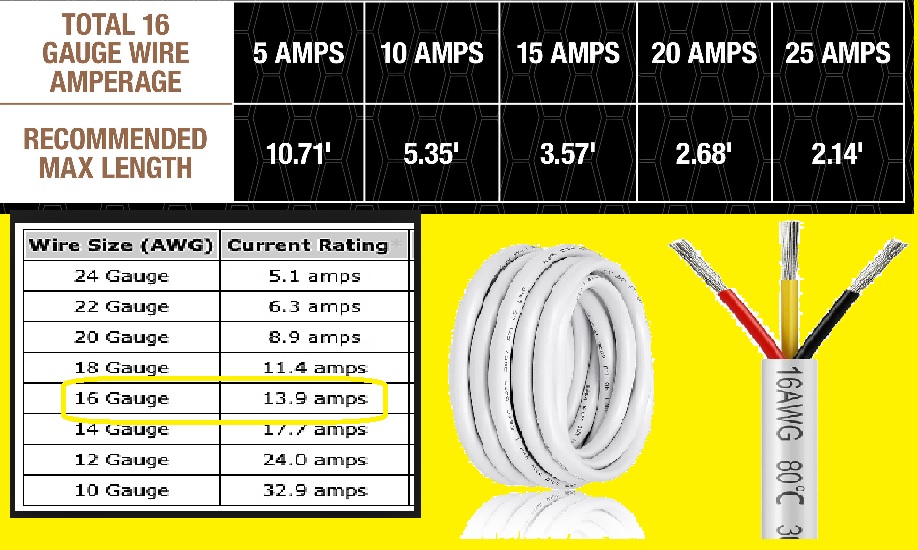
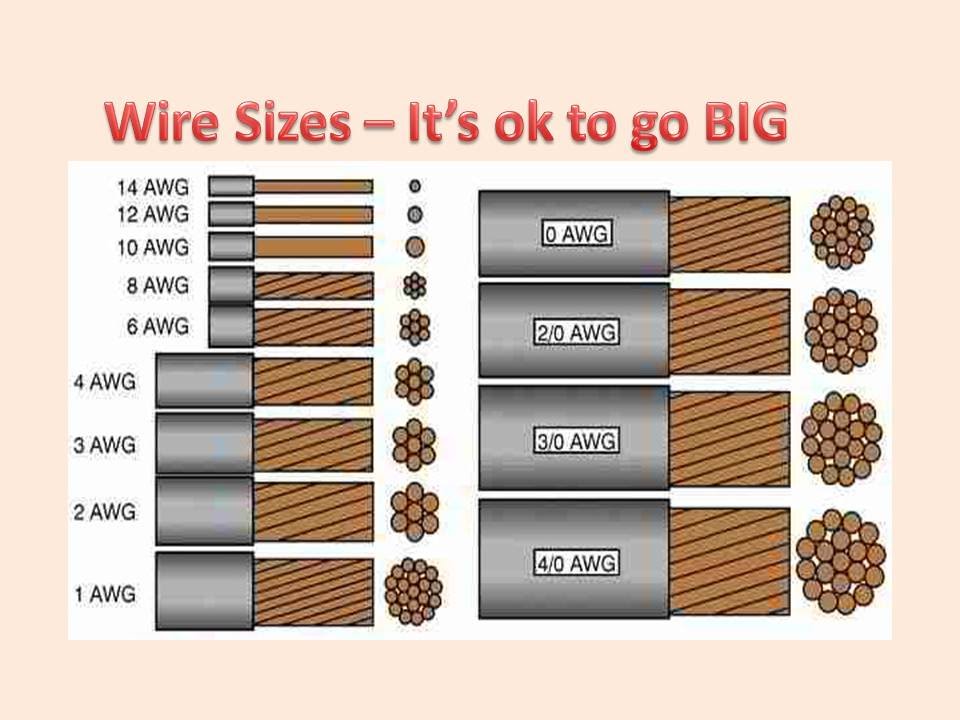
Wire gauge, measured using the American Wire Gauge (AWG) standard, indicates the wire's diameter. A lower AWG number signifies a thicker wire, capable of carrying a higher electrical current. Conversely, a higher AWG number represents a thinner wire with a lower current-carrying capacity. The critical concept here is ampacity, which refers to the maximum amount of electrical current (measured in amperes, or amps) a wire can safely handle without overheating.
When selecting wire gauge for your furnace, you must consider the furnace's amperage requirements. This information is typically found on the furnace's nameplate, usually located on the unit itself or in the owner's manual. It's imperative to never use a wire gauge with a lower ampacity than the furnace's rated amperage. Doing so is a severe safety hazard.
Common Wire Gauges for Furnaces
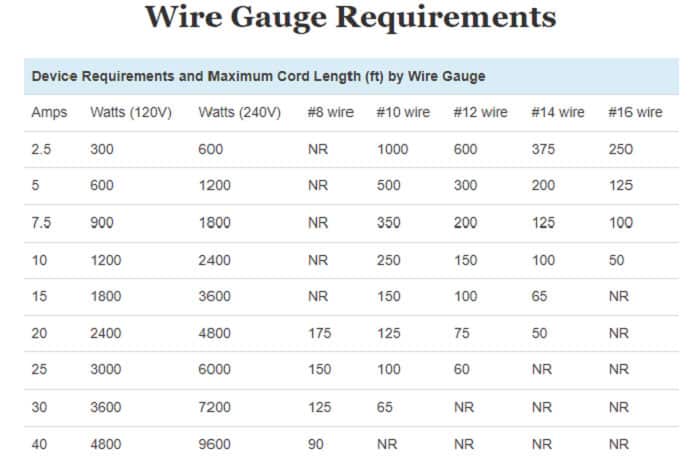
The specific wire gauge required for a furnace varies depending on its voltage (typically 120V or 240V) and amperage draw. Here's a general guideline:
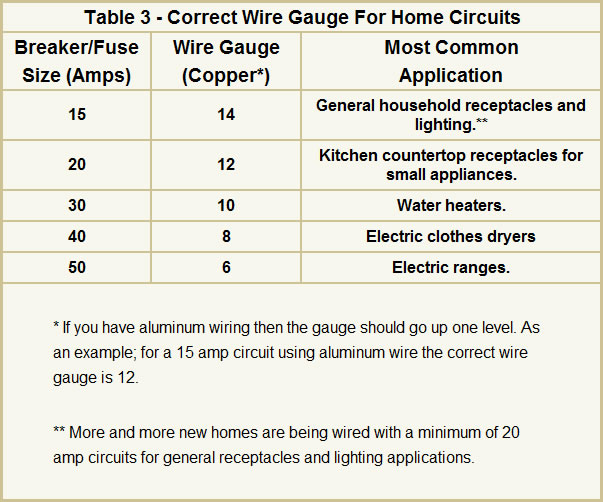
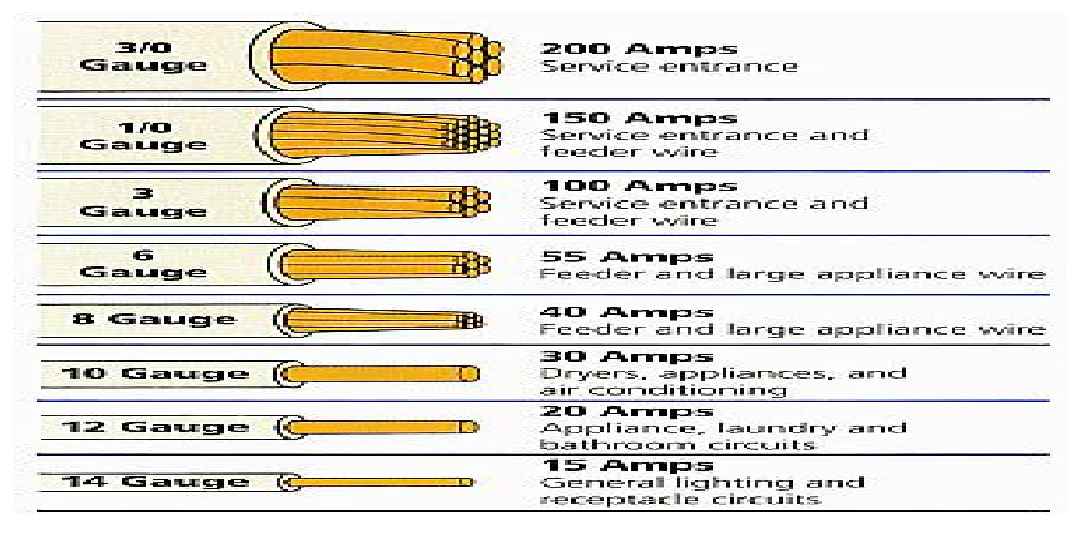
- 15 Amp Furnaces (often smaller, residential units): 14 AWG wire is typically sufficient, but always double-check the furnace's specifications.
- 20 Amp Furnaces (common in residential settings): 12 AWG wire is generally recommended.
- 30 Amp Furnaces (larger residential or small commercial units): 10 AWG wire is usually the appropriate choice.
- 40 Amp Furnaces (larger commercial furnaces): 8 AWG wire or larger might be needed.
These are just general guidelines. Always consult the furnace's specifications and local electrical codes to ensure compliance. Remember, it's always better to err on the side of caution and use a wire gauge that is slightly thicker than necessary.
Factors Influencing Wire Gauge Selection
Several factors influence the correct wire gauge selection beyond just the furnace's amperage:
- Circuit Breaker Size: The wire gauge should be compatible with the circuit breaker protecting the furnace circuit. The circuit breaker is designed to trip (shut off power) if the current exceeds its rating, preventing overheating and potential fires. If the wire gauge is too small for the breaker, the breaker might not trip in time, leading to a dangerous situation.
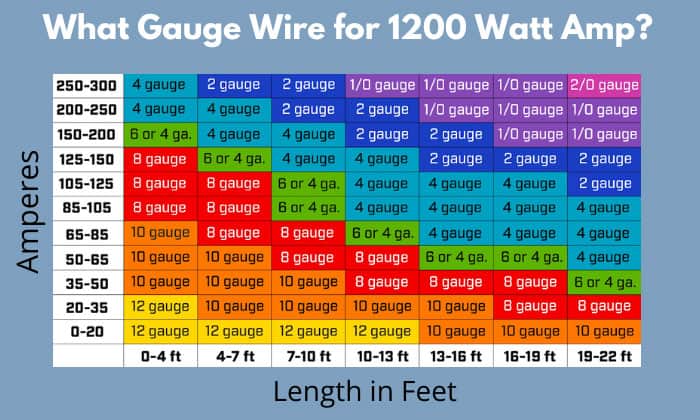
- Distance: The length of the wire run from the electrical panel to the furnace also affects the required wire gauge. Longer runs experience voltage drop, meaning the voltage at the furnace is lower than the voltage at the panel. To compensate for voltage drop, you may need to increase the wire gauge (use a thicker wire) for longer runs. Online voltage drop calculators are available to help determine the appropriate gauge based on distance and amperage.
- Wiring Type: The type of wiring (e.g., NM-B Romex, THHN) affects its ampacity rating. NM-B Romex is commonly used for residential wiring, while THHN is often used in conduit. Ensure you're using the correct ampacity rating for the specific type of wire.
- Local Electrical Codes: Always adhere to local electrical codes, which may have specific requirements for furnace wiring. These codes are in place to ensure safety and prevent electrical hazards. Contact a qualified electrician or your local building department for clarification on local codes.
The Importance of Professional Installation
While some homeowners may be tempted to handle furnace wiring themselves, it's strongly recommended to hire a qualified and licensed electrician or HVAC technician. Improper wiring can lead to serious safety hazards, including electrical shocks, fires, and damage to your furnace. A professional will ensure that the wiring is done correctly, safely, and in compliance with all applicable codes.
Furthermore, improper wiring can void your furnace's warranty. Manufacturers often require professional installation to ensure the equipment is installed correctly and safely. Investing in professional installation is an investment in your safety and the longevity of your furnace.
Energy Efficiency and Wire Gauge
While the wire gauge itself doesn't directly impact the furnace's energy efficiency rating (AFUE), using the correct gauge is crucial for optimal performance. Undersized wiring can cause voltage drop, forcing the furnace to work harder to achieve the desired temperature. This increased strain can lead to higher energy consumption and premature failure of furnace components.
Conversely, using an excessively large wire gauge doesn't necessarily improve energy efficiency but does increase material costs. The goal is to choose the appropriate wire gauge that safely and efficiently delivers power to the furnace without significant voltage drop. Regularly inspecting wiring connections and ensuring they are tight and corrosion-free also contributes to efficient operation.
Smart Home Integration and HVAC Wiring
With the rise of smart home technology, integrating your furnace with smart thermostats, sensors, and control systems is becoming increasingly common. These smart devices can help optimize energy consumption by automatically adjusting the thermostat based on occupancy, weather conditions, and user preferences. Smart thermostats often require low-voltage wiring (e.g., 18 AWG) for control signals, separate from the main power wiring for the furnace.
When installing a smart thermostat, ensure the existing wiring is compatible or that new wiring is installed correctly. Incorrect wiring can damage the thermostat or the furnace control board. Many smart thermostats offer features like energy usage reports and remote control, allowing you to monitor and manage your energy consumption more effectively.
Cost Savings and ROI
Investing in proper furnace wiring, including professional installation, offers significant long-term cost savings. While the upfront cost may be higher than DIY installation, the benefits far outweigh the risks. Correct wiring ensures the furnace operates efficiently, reducing energy consumption and lowering your monthly bills.
Furthermore, proper wiring prevents premature failure of furnace components, extending the lifespan of your equipment and avoiding costly repairs or replacements. Smart home integration can further enhance energy savings by optimizing furnace operation based on real-time data and user preferences. Many utility companies offer rebates and incentives for installing energy-efficient HVAC systems and smart thermostats, further improving the ROI of your investment.
Maintenance and Inspection
Regular maintenance and inspection of your furnace wiring are essential for ensuring safe and efficient operation. Schedule annual inspections with a qualified HVAC technician to check for loose connections, damaged wiring, and other potential issues. Signs of wiring problems include flickering lights, burning smells, and tripped circuit breakers. Address any issues promptly to prevent further damage and safety hazards.
Consider using surge protectors to protect your furnace from power surges, which can damage sensitive electronic components, including the control board and wiring. Keeping the area around the furnace clean and free of debris also helps prevent overheating and potential fire hazards.
Choosing the Right Contractor
Selecting a qualified and reputable HVAC contractor or electrician is paramount for ensuring proper furnace wiring. Look for contractors who are licensed, insured, and experienced in installing and servicing HVAC systems. Check online reviews and ask for references to gauge their reputation and quality of work. A good contractor will be able to assess your specific needs, recommend the appropriate wire gauge, and ensure the installation is done safely and in compliance with all applicable codes.
Don't hesitate to ask contractors about their experience with energy-efficient HVAC systems and smart home integration. They should be knowledgeable about the latest technologies and able to advise you on the best solutions for your home or business. Obtain multiple quotes and compare them carefully, considering not only the price but also the quality of materials and the contractor's expertise.
Government Guidelines and Energy Star
The Energy Star program, administered by the U.S. Environmental Protection Agency (EPA), provides guidelines and standards for energy-efficient appliances, including furnaces. While Energy Star focuses primarily on the furnace's AFUE rating, proper wiring is essential for achieving and maintaining that efficiency. Ensure that any contractor you hire is familiar with Energy Star guidelines and can help you select a furnace that meets your energy-saving goals.
Some states and local governments offer tax credits and rebates for installing Energy Star-certified appliances. Check with your local utility company or government agencies for available incentives. By investing in an energy-efficient furnace and ensuring proper wiring, you can significantly reduce your energy consumption, lower your utility bills, and contribute to a more sustainable environment.
Conclusion
Choosing the right wire gauge for your furnace is a critical decision that impacts safety, efficiency, and longevity. By understanding the factors that influence wire gauge selection, hiring a qualified professional, and adhering to local codes, you can ensure your furnace operates safely and efficiently, saving you money on energy bills and minimizing the risk of electrical hazards. Integrating smart home technology and maintaining your system regularly will further enhance energy savings and prolong the lifespan of your furnace.