What Gauges Are Used For Measuring Duct Pressure
Imagine this: It's the dead of winter (or the scorching heat of summer), and your furnace or air conditioner seems to be running constantly, yet your home just isn't reaching the set temperature. You check the thermostat, everything appears normal, but the air coming from the vents feels weak, almost like a gentle breeze rather than a forceful flow. This is a common scenario, and one potential culprit is issues within your ductwork, specifically duct pressure problems. While not always the sole cause, understanding duct pressure and how it's measured can be a crucial step in diagnosing HVAC system inefficiencies.
Understanding Duct Pressure and Why It Matters
Duct pressure refers to the static pressure within your HVAC ductwork. Think of it as the force the air exerts on the inside walls of the ducts. Proper duct pressure is essential for efficient air distribution throughout your home. When duct pressure is too high or too low, it can lead to a variety of problems:
- Uneven Heating and Cooling: Some rooms may be too hot while others are too cold.
- Increased Energy Bills: Your HVAC system has to work harder to compensate for the pressure imbalance.
- System Strain and Potential Damage: Overworked components can lead to premature failure.
- Reduced Airflow: Weak airflow from vents, making it difficult to maintain comfortable temperatures.
- Dust and Allergen Circulation: Improperly sealed ducts with incorrect pressure can draw in dust, allergens, and other pollutants from unconditioned spaces like attics or crawl spaces.
What Gauges Are Used for Measuring Duct Pressure?
Measuring duct pressure isn't something homeowners typically do themselves, as it requires specialized tools. However, understanding the tools professionals use can help you better communicate issues to your HVAC technician. Here are the primary gauges employed:
Manometers: The Workhorse of Duct Pressure Measurement
Manometers are the most common and versatile tools for measuring duct pressure. They come in two main types:
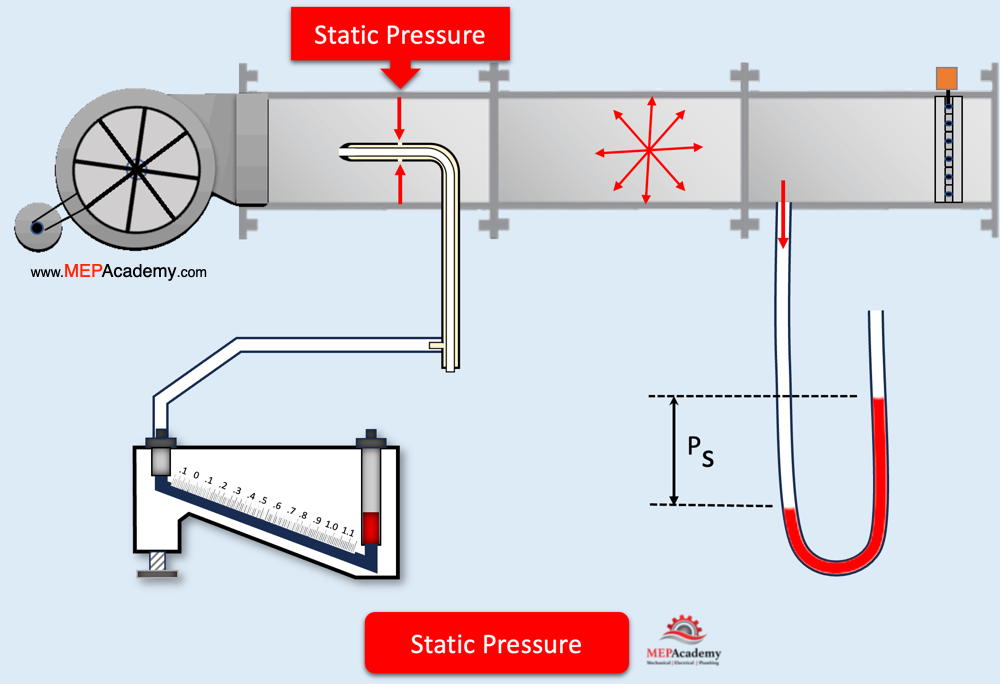
- U-Tube Manometers: These are the simplest type, consisting of a U-shaped tube filled with a liquid (usually water or a special manometer fluid). One end of the tube is open to the atmosphere, while the other is connected to the duct. The difference in liquid levels between the two sides of the U indicates the pressure difference. U-tube manometers are highly accurate but can be somewhat cumbersome to use.
- Digital Manometers: These are electronic devices that provide a digital readout of the pressure. They are generally more convenient to use than U-tube manometers and often offer features like data logging and multiple pressure unit options (e.g., inches of water column, Pascals). Digital manometers are the preferred choice for most HVAC technicians due to their accuracy, ease of use, and portability.
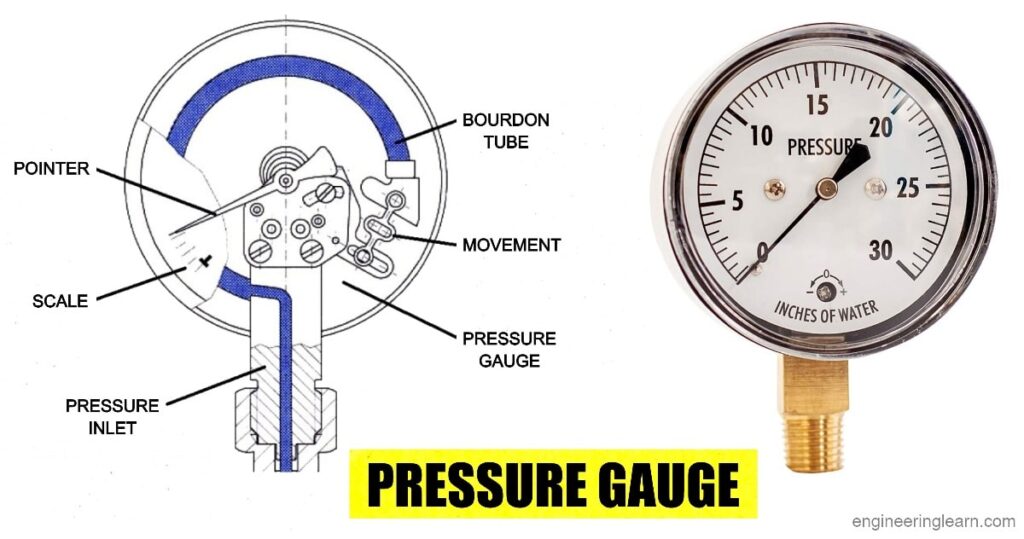
How Manometers Work: Regardless of the type, manometers measure pressure in inches of water column (in. w.c.). This unit represents the amount of pressure required to raise a column of water one inch. HVAC systems typically operate within a specific range of duct pressure, and deviations from this range indicate a problem.
Differential Pressure Gauges: Pinpointing Pressure Drops
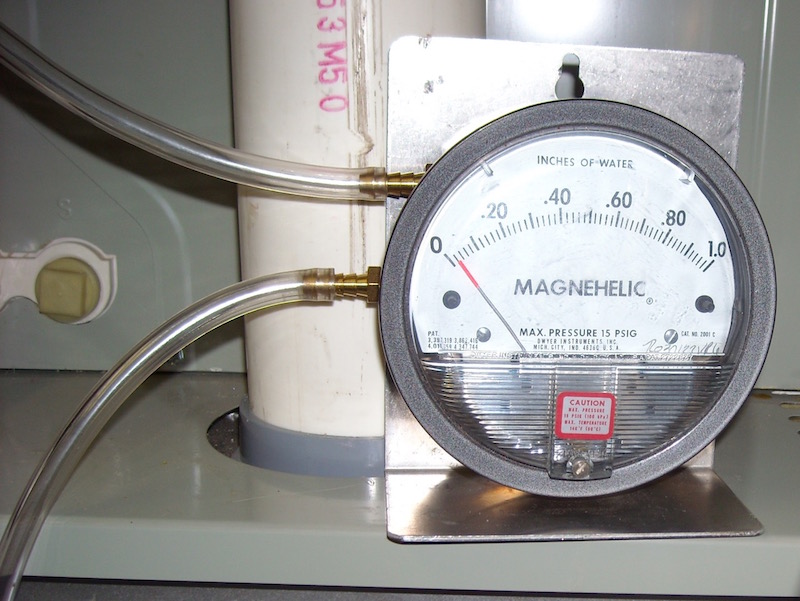
Differential pressure gauges are specifically designed to measure the pressure difference between two points in the duct system. This is crucial for identifying restrictions or leaks. For instance, a technician might measure the pressure difference across an air filter to determine if it's clogged.
Applications of Differential Pressure Gauges:
- Air Filter Monitoring: A high pressure drop across the filter indicates it needs to be replaced.
- Coil Pressure Drop: Measures the pressure difference across the evaporator or condenser coil to check for blockages.
- Duct Leak Detection: By measuring pressure changes along the ductwork, technicians can identify potential leak locations.
Pitot Tubes: Measuring Air Velocity and Calculating Static Pressure
While not a direct pressure gauge, a pitot tube is an instrument used to measure air velocity. By measuring both the total pressure (the pressure exerted by the moving air) and the static pressure (the pressure exerted by the air at rest) using a pitot tube and a manometer, the air velocity can be calculated. This information can be valuable in assessing overall airflow and identifying areas where airflow is restricted.
How Pitot Tubes Relate to Duct Pressure: While the pitot tube measures velocity, it's often used in conjunction with a manometer to determine static pressure. The technician will insert the pitot tube into the duct and connect it to a manometer to get a reading of the total pressure. They then need to use an additional port on the manometer to measure the static pressure, allowing them to calculate the velocity pressure and, ultimately, the air velocity. Low static pressure along with low air velocity readings can point to supply or return ductwork failures.
Common Issues Affecting Duct Pressure and Troubleshooting Steps (For Awareness Only)
While measuring duct pressure is best left to a professional, understanding common issues that affect it can help you identify potential problems and communicate them effectively to your HVAC technician. Do not attempt to measure duct pressure yourself unless you are a qualified HVAC technician. The following information is for informational purposes only.
Clogged Air Filter: A Frequent Culprit
A clogged air filter is one of the most common causes of reduced airflow and increased duct pressure. A dirty filter restricts airflow, forcing the blower motor to work harder and potentially leading to higher static pressure on the supply side of the system.
- Visual Inspection: Remove the air filter and hold it up to a light source. If you can barely see through it, it's time for a replacement.
- Replacement: Replace the filter with a new one of the correct size and MERV rating. Consult your HVAC system's manual for the recommended filter type.
- Frequency: Change your air filter every 1-3 months, depending on usage and environmental conditions.
Damaged or Collapsed Ductwork: A More Serious Issue
Ductwork can become damaged over time due to pests, physical impact, or simply age. Collapsed or crushed ducts significantly restrict airflow and can lead to major pressure imbalances.
- Visual Inspection (If Accessible): Carefully inspect exposed ductwork in attics, crawl spaces, or basements for signs of damage, such as dents, tears, or collapses. Look for disconnected joints.
- Professional Assessment: If you suspect ductwork damage, contact a qualified HVAC technician for a thorough inspection and repair. Ductwork repairs often require specialized tools and knowledge.
Leaky Ductwork: Wasting Energy and Compromising Airflow
Leaky ducts are a major source of energy loss, as conditioned air escapes into unconditioned spaces. This also reduces the amount of air reaching the intended rooms, leading to uneven heating and cooling.
- Visual Inspection (If Accessible): Look for gaps or cracks in ductwork joints, especially in attics and crawl spaces. Check for loose or missing duct tape.
- Professional Duct Sealing: Duct sealing is best left to professionals. They have the equipment and expertise to properly seal ducts using methods like mastic sealant or aerosol duct sealing (Aeroseal).
Blower Motor Problems: A Critical Component
The blower motor is responsible for circulating air throughout the duct system. If the motor is failing, it won't be able to generate sufficient airflow, leading to reduced duct pressure.
- Listen for Unusual Noises: Pay attention to any strange noises coming from the blower motor, such as squealing, grinding, or humming.
- Professional Diagnosis and Repair: Blower motor repairs are complex and involve electrical components. Contact a qualified HVAC technician for diagnosis and repair or replacement.
Blocked Vents or Registers: Simple but Effective Check
Obstructed vents or registers can restrict airflow and increase duct pressure. Make sure that furniture, rugs, or other objects aren't blocking the airflow.
- Visual Inspection: Check all vents and registers to ensure they are clear of obstructions.
- Cleaning: Remove any debris that may be blocking the vents or registers.
DIY vs. Professional Help: Knowing Your Limits
While some simple tasks like changing the air filter or clearing obstructions are within the capabilities of most homeowners, anything involving electrical work, gas lines, or complex HVAC components should be left to qualified professionals.
When to Call a Professional:
- Suspected Ductwork Damage: Collapsed or severely damaged ducts require professional repair.
- Electrical Issues: Problems with the blower motor or other electrical components.
- Gas Leaks: Any suspicion of a gas leak warrants immediate professional attention.
- Complex System Diagnostics: If you've tried the simple troubleshooting steps and the problem persists, it's time to call a professional.
- Working with Refrigerant: Handling refrigerant requires specialized training and equipment.
- Measuring Static Pressure This is the most important reason of this entire article. Contact a qualified HVAC technician
Safety First: Always turn off the power to the HVAC system at the breaker before performing any maintenance or inspection.
Communicating with Your HVAC Technician
When you call an HVAC technician, be prepared to provide them with as much information as possible about the problem you're experiencing. This includes:
- Symptoms: Describe the specific issues you're noticing, such as uneven heating or cooling, weak airflow, or unusual noises.
- Recent Changes: Mention any recent changes you've made to your HVAC system, such as replacing the air filter or adjusting the thermostat settings.
- Maintenance History: Let them know when the system was last serviced and any maintenance that has been performed.
- Specific Observations: Share details like vents that may not be working or ductwork showing any signs of degradation.
By being a well-informed homeowner, you can help your HVAC technician diagnose the problem quickly and efficiently, saving you time and money.