What Is A 2 Stage Regulator

Imagine this: You're planning a weekend barbecue, you fire up your propane grill, and… nothing. Or worse, a weak, sputtering flame that barely heats the grates. While many things can cause grill problems, one crucial component often overlooked is the regulator. Today, we'll delve into understanding a specific type of regulator – the 2-stage regulator – and learn how to troubleshoot issues related to it. While some fixes are DIY-friendly, safety is paramount, and knowing when to call a professional is essential.
Understanding the 2-Stage Regulator
Before we get into troubleshooting, let's clarify what a 2-stage regulator is and why it's important. Think of it as the gatekeeper controlling the flow of gas from your propane tank to your appliance, whether it's a grill, patio heater, or even some RV appliances.
What is a Regulator?
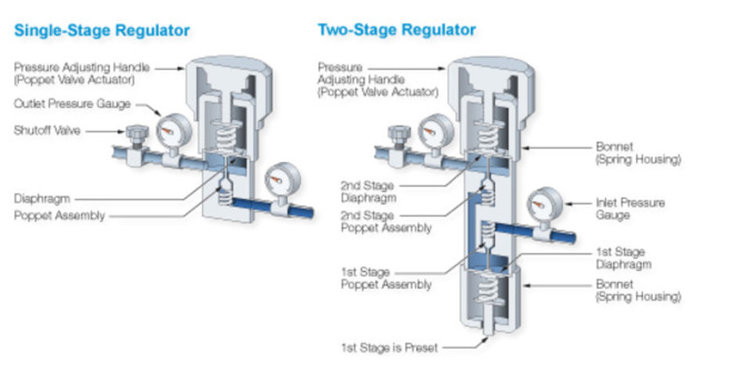
A regulator's primary function is to reduce the high pressure of the propane gas in the tank (typically 100-200 PSI) to a lower, usable pressure for your appliance (usually around 11 inches of water column, or about 0.4 PSI). This consistent, lower pressure ensures your appliance functions correctly and safely.
Why Two Stages?
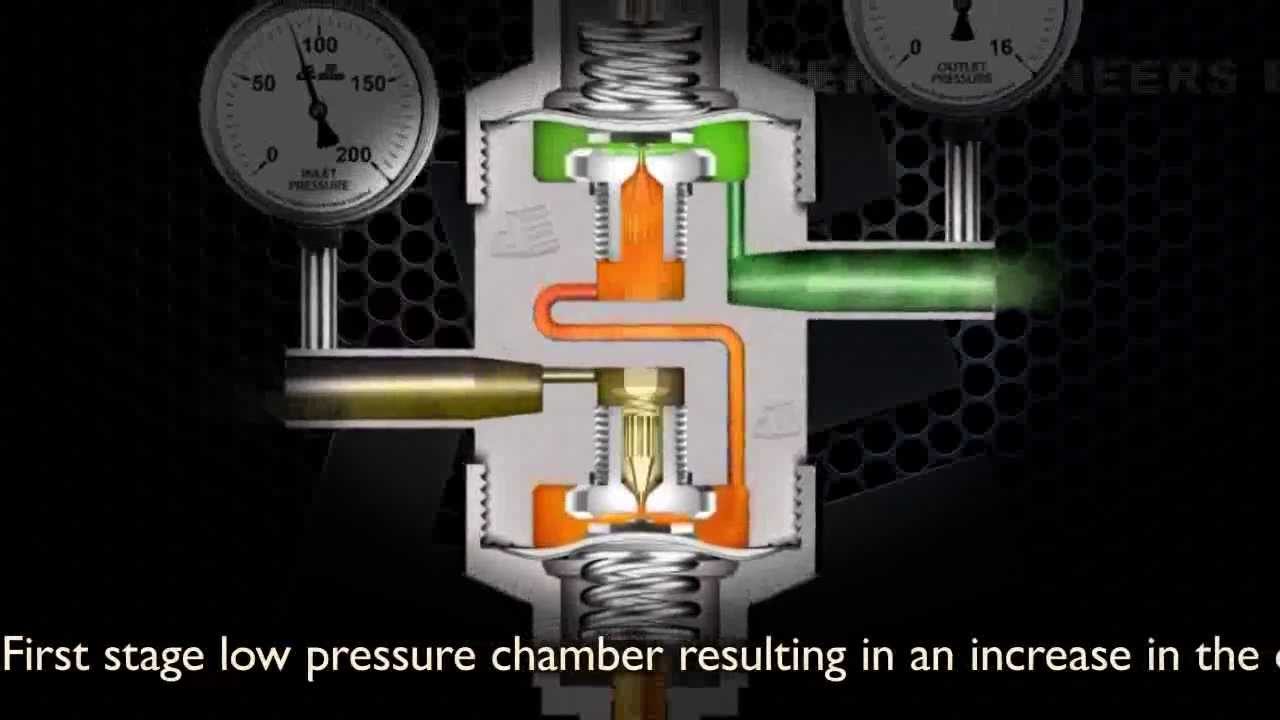
A 2-stage regulator accomplishes this pressure reduction in two separate steps. This offers several advantages over a single-stage regulator:
- More Consistent Pressure: The dual-stage process provides a more stable and consistent outlet pressure, even when the tank pressure decreases as it empties or when the temperature changes. This results in a more even flame and better appliance performance.
- Reduced Freeze-Up: Propane cools as it expands. A two-stage regulator minimizes the potential for freeze-up, especially in cold weather, because the pressure drop is divided into two smaller steps.
- Greater Efficiency: Two-stage regulators often offer better efficiency, meaning you might get more use out of a single propane tank.
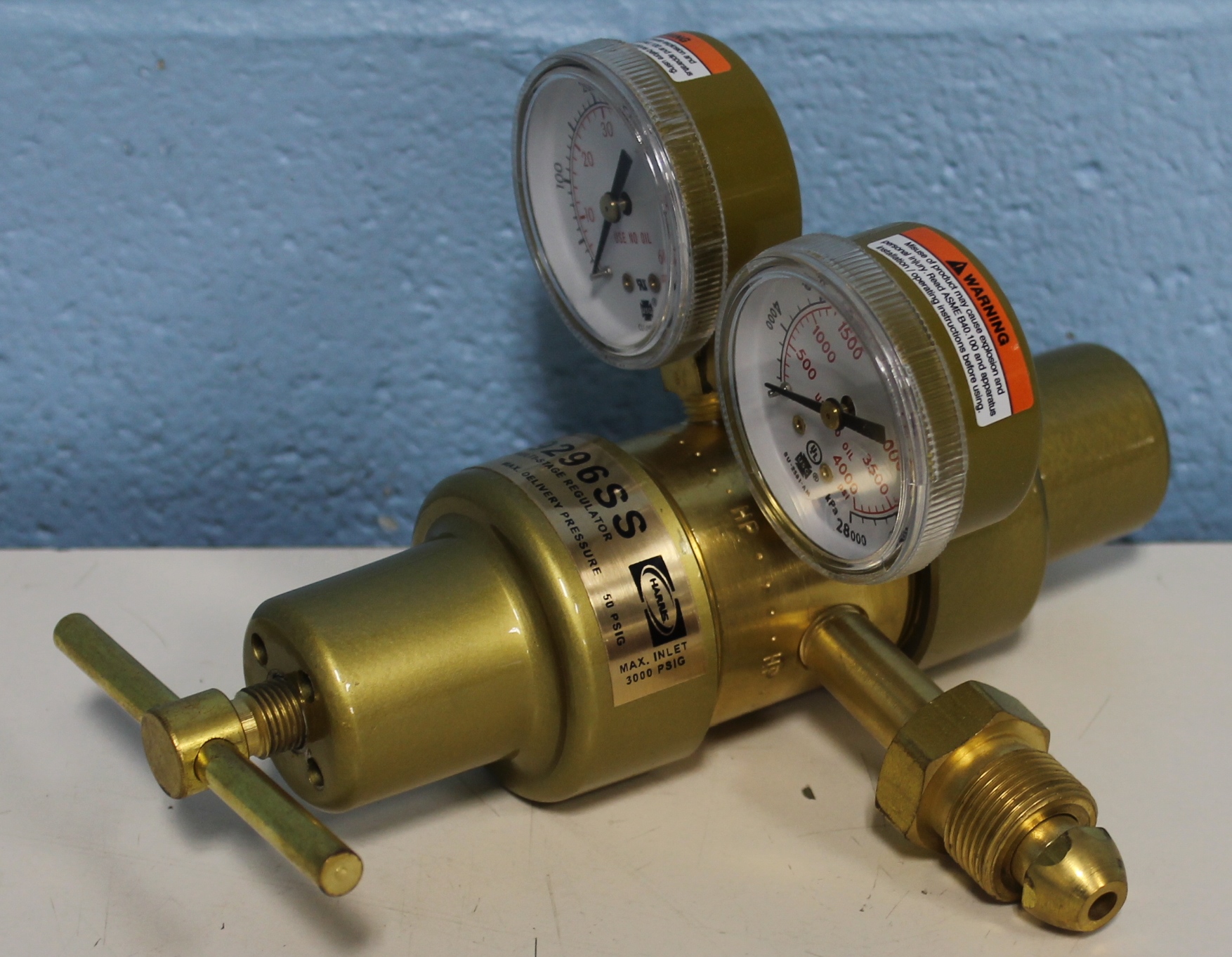
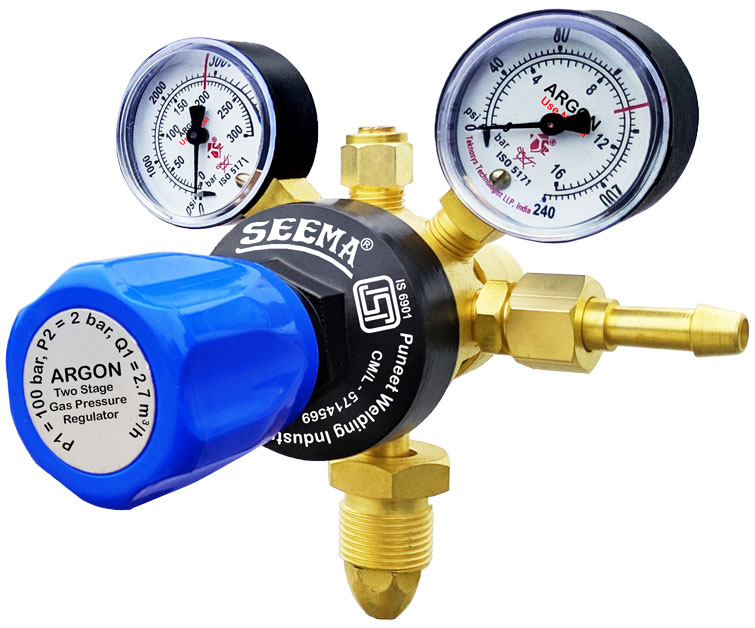
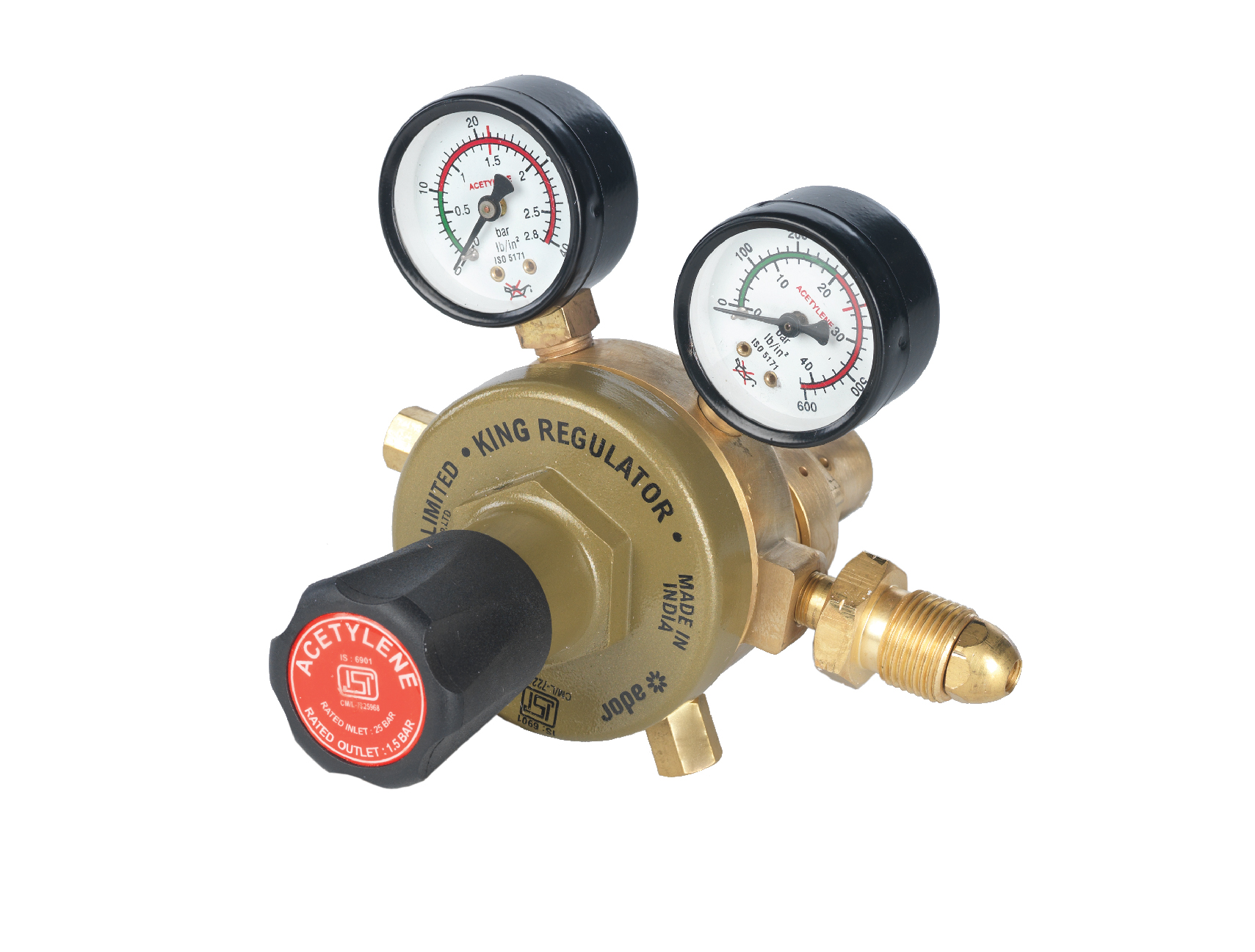
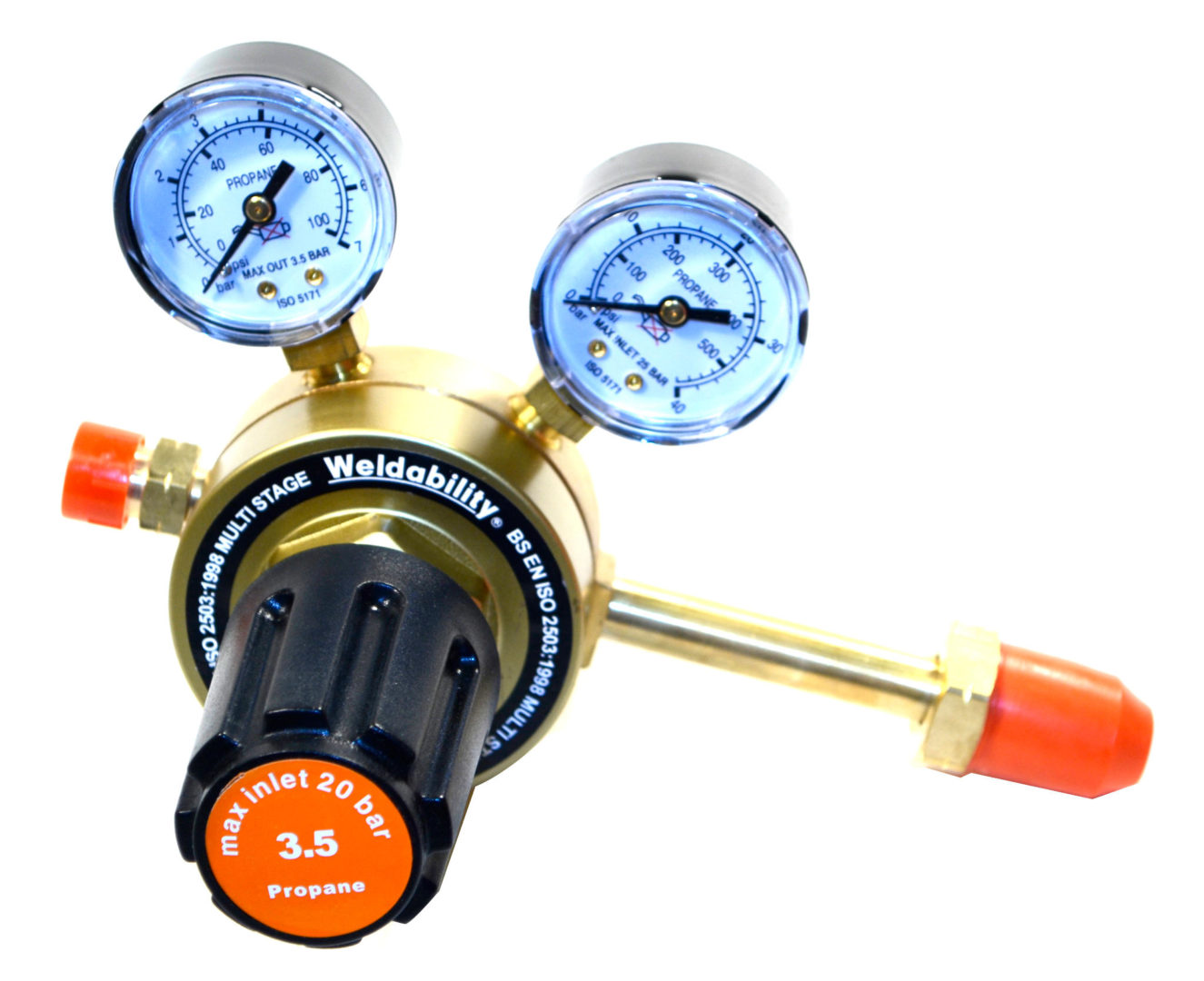
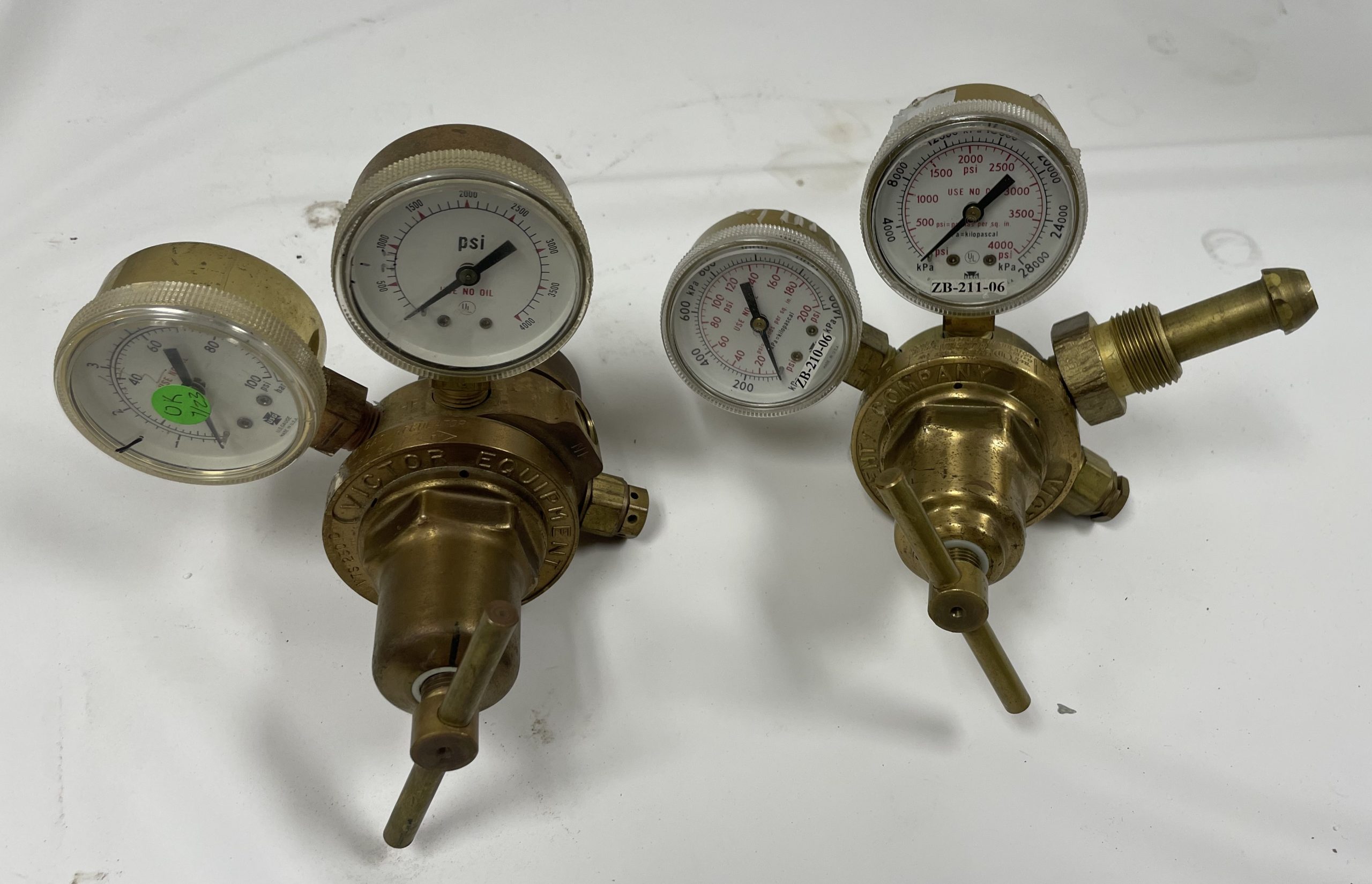
Visually, a 2-stage regulator often appears larger and may have two distinct sections. You'll typically find them on higher-end grills, RVs, and in situations where consistent gas pressure is crucial.
Common Issues with 2-Stage Regulators
Several issues can arise with a 2-stage regulator, leading to problems with your propane appliance. Here are some common culprits:
- Low or No Flame: This is the most frequent complaint. The regulator isn't allowing enough gas to flow.
- Fluctuating Flame: The flame flickers or varies in intensity, indicating inconsistent pressure.
- Difficulty Lighting: The appliance struggles to light, and may require multiple attempts.
- Propane Odor: Although propane odor can indicate a leak anywhere in the system, a malfunctioning regulator can sometimes contribute. Always treat propane odors with extreme caution.
- Regulator Freeze-Up: In cold weather, the regulator can freeze, blocking the flow of gas.
- Physical Damage: Cracks, dents, or corrosion can compromise the regulator's functionality.
Troubleshooting Your 2-Stage Regulator: A Step-by-Step Guide
Before you begin any troubleshooting, ensure the area is well-ventilated and that there are no open flames or sources of ignition nearby. Safety first!
Step 1: Check the Propane Tank
This might seem obvious, but often the simplest solution is the correct one.
- Tank Level: Is the tank full? If it's low, consider refilling or replacing it.
- Tank Valve: Make sure the tank valve is fully open. Sometimes it can be partially closed accidentally.
- OPD Valve Reset (if applicable): Some older propane tanks have an Overfill Protection Device (OPD) valve. If it trips, it restricts gas flow. To reset it, close the tank valve completely, disconnect the regulator hose, wait a few minutes, and then slowly reopen the tank valve. Reconnect the hose.
Step 2: Inspect the Regulator and Hose
A visual inspection can often reveal obvious problems.
- Visual Damage: Look for cracks, dents, corrosion, or leaks on the regulator and hose. If you see any damage, do not attempt to repair it. Replace the entire regulator and hose assembly.
- Hose Condition: Check the hose for kinks, cracks, or dry rot. A damaged hose can restrict gas flow or leak. If the hose is damaged, replace it.
- Connections: Ensure all connections are tight and secure. Use a wrench to tighten them, but be careful not to overtighten and strip the threads.
- Soap Test for Leaks: Mix a solution of soapy water (dish soap works well) and spray it onto the connections and along the hose. Look for bubbles, which indicate a gas leak. If you find a leak, immediately close the tank valve and do not use the appliance until the leak is repaired by a qualified professional.
Step 3: Regulator Reset (Purging the Air)
Sometimes, air can get trapped in the regulator, preventing proper gas flow. Here's how to try resetting it:
- Close the Tank Valve: Turn the propane tank valve completely off.
- Disconnect the Regulator: Carefully disconnect the regulator hose from the propane tank.
- Open a Burner: Turn on one of the burners on your grill or appliance. This will release any pressure built up in the gas line.
- Wait a Few Minutes: Allow a few minutes for any residual gas to dissipate.
- Close the Burner: Turn the burner off.
- Reconnect the Regulator: Reconnect the regulator hose to the propane tank, ensuring it's securely tightened.
- Slowly Open the Tank Valve: Open the propane tank valve very slowly. This allows the regulator to adjust gradually and prevents a sudden rush of gas.
- Try Lighting the Appliance: Attempt to light your grill or appliance.
Step 4: Checking for Obstructions in the Burner
While not directly related to the regulator, clogged burner ports can mimic regulator problems.
- Visual Inspection: Examine the burner ports for any debris, rust, or spider webs. These can block gas flow.
- Cleaning the Burners: Use a wire brush, pipe cleaner, or even a straightened paper clip to clean the burner ports. Be gentle to avoid damaging the burner. Some grills have removable burners for easier cleaning.
Step 5: Addressing Regulator Freeze-Up (Cold Weather)
If you suspect the regulator has frozen:
- Warm the Regulator: Gently warm the regulator with a hairdryer set on low. Do not use an open flame or heat gun, as this is extremely dangerous.
- Insulate the Tank: Wrap the propane tank with an insulating blanket or cover to help maintain its temperature.
- Use a Larger Tank: Larger propane tanks are less prone to freeze-up because they have a greater surface area for vaporization.
When to Call a Professional
While these troubleshooting steps can address many common issues, there are situations where you should always seek professional help. Your safety is paramount.
- Propane Odor Persists: If you smell propane after troubleshooting and tightening connections, immediately close the tank valve and call your local gas company or a qualified HVAC technician. Do not attempt to repair a gas leak yourself.
- Damaged Regulator: If the regulator is visibly damaged (cracked, dented, corroded), replace it immediately. Do not attempt to repair it.
- Uncertainty: If you're uncomfortable working with gas or unsure about any of the troubleshooting steps, call a qualified professional.
- Complex Repairs: Attempting to disassemble or repair the internal components of a 2-stage regulator is highly dangerous and should only be performed by trained technicians.
- If you suspect internal regulator failure: Regulators have internal diaphragms and springs that can fail over time. If you've tried all the troubleshooting steps and the regulator still isn't functioning correctly, it's likely an internal issue requiring replacement by a professional.
Replacing the Regulator (Simple Replacement)
If your visual inspection reveals a damaged regulator, or if the regulator is old and you suspect internal failure, replacing it is often the best course of action. You can purchase a replacement 2-stage regulator designed for your specific appliance. Ensure the replacement regulator has the correct pressure output (usually listed on the regulator itself) and is compatible with your propane tank connection.
Important Safety Note: Even a simple regulator replacement involves working with gas. If you are not comfortable performing this task, please hire a qualified professional.
Here's a simplified outline of the replacement process (after ensuring the tank valve is completely closed and the area is well-ventilated):
- Disconnect the Old Regulator: Carefully disconnect the old regulator from the propane tank and the appliance (e.g., grill). Use wrenches to loosen the connections, but avoid overtightening.
- Inspect the Threads: Check the threads on the propane tank valve and the appliance connection for any damage or corrosion. Clean them if necessary.
- Apply Thread Sealant (if required): Some connections may require Teflon tape or a pipe sealant specifically designed for gas lines. Refer to the instructions provided with your new regulator.
- Connect the New Regulator: Connect the new regulator to the propane tank and the appliance, tightening the connections securely. Again, avoid overtightening.
- Soap Test: Perform a soap test on all connections to check for leaks. If you find any leaks, tighten the connections further or reapply thread sealant. If the leaks persist, do not use the appliance and consult a qualified professional.
- Slowly Open the Tank Valve: Open the propane tank valve very slowly.
- Test the Appliance: Test the appliance to ensure it's functioning correctly.
Preventative Maintenance
Regular maintenance can help extend the life of your 2-stage regulator and prevent problems.
- Visual Inspections: Periodically inspect the regulator and hose for any signs of damage or wear.
- Cleaning: Keep the regulator and hose clean and free of debris.
- Storage: When storing your propane appliance for extended periods, disconnect the regulator from the tank and store it in a dry, protected location.
- Professional Check-Up: Consider having a qualified technician inspect your propane system, including the regulator, periodically (e.g., every few years) to ensure everything is functioning safely and efficiently.
By understanding how a 2-stage regulator works and following these troubleshooting tips, you can often resolve common issues and keep your propane appliances running smoothly. Remember to always prioritize safety and call a professional when needed. With a little knowledge and care, you can confidently manage your propane system and enjoy your barbecue, patio heater, or RV adventures without interruption.