What Is A British Thermal Unit
Understanding the language of heating and cooling is crucial for anyone involved in the HVAC industry. A fundamental term you'll encounter constantly is the British Thermal Unit (BTU). But what exactly is a BTU, and why is it so important? This article provides a comprehensive explanation for students, seasoned professionals, and employers alike.
Defining the British Thermal Unit (BTU)
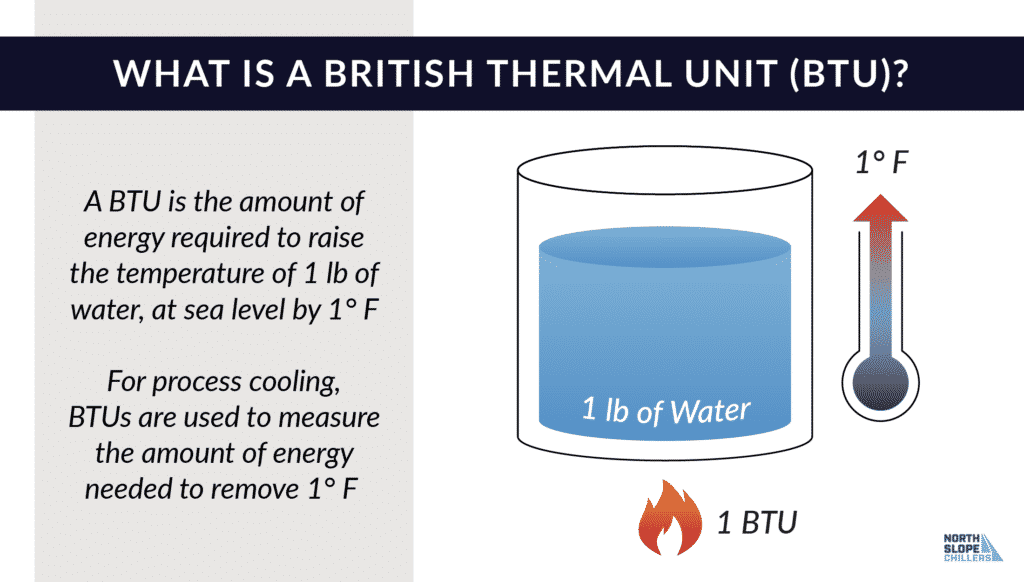
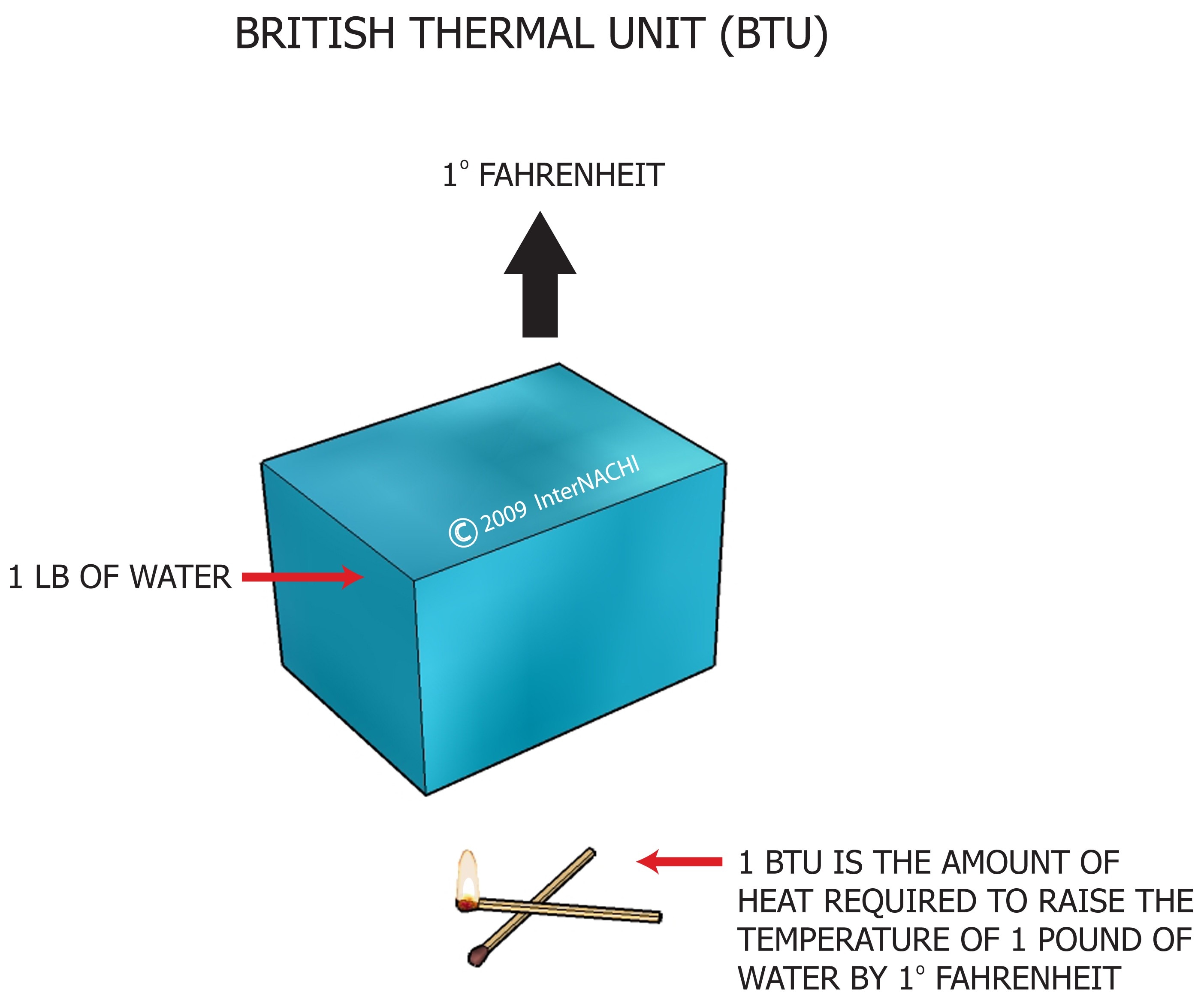
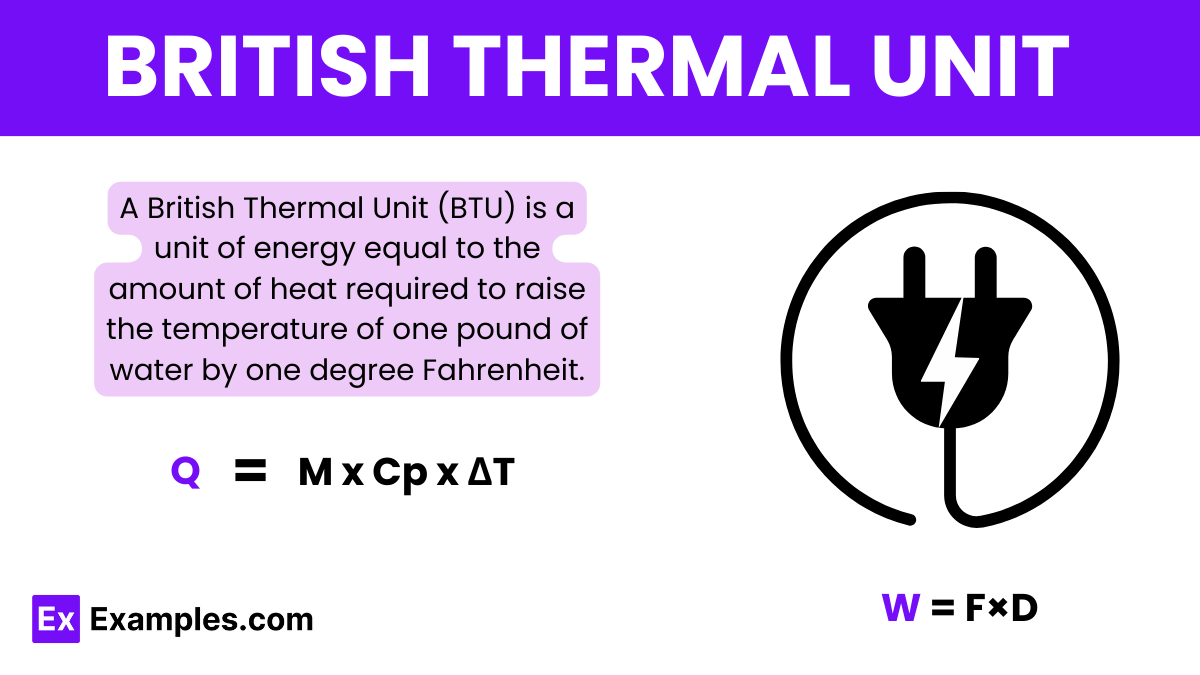
A BTU is a unit of energy. Specifically, it's the amount of heat required to raise the temperature of one pound of liquid water by one degree Fahrenheit at sea level. While seemingly simple, this definition underpins how we measure the heating and cooling capacity of HVAC equipment. Think of it as the basic building block for understanding how much heating or cooling a system can deliver.
Why BTUs Matter in HVAC
In the HVAC world, BTU ratings are used to quantify the heating or cooling power of furnaces, air conditioners, heat pumps, and other equipment. For example, a furnace might be rated at 80,000 BTU/hour input, indicating the amount of fuel energy it consumes per hour. An air conditioner might be rated at 24,000 BTU/hour (or 2 tons), indicating its cooling capacity.
Correctly sizing HVAC equipment based on BTU requirements is critical for:
- Efficiency: An oversized system will cycle on and off frequently, wasting energy and shortening its lifespan. An undersized system will struggle to maintain the desired temperature, leading to discomfort and higher energy bills.
- Comfort: Properly sized equipment ensures consistent and even temperatures throughout a building.
- Equipment Longevity: Overworked systems are more prone to breakdowns and require more frequent repairs.
BTU Calculations and Load Assessments
Determining the appropriate BTU requirement for a space involves performing a heat load calculation. This assessment considers factors such as:
- Square footage: The size of the space to be heated or cooled.
- Insulation levels: How well the building is insulated.
- Climate: The local weather conditions.
- Window size and type: Windows are a major source of heat gain and loss.
- Occupancy: The number of people in the space.
- Appliances and lighting: Heat-generating equipment within the space.
HVAC technicians and engineers use specialized software and manual calculations to determine the optimal BTU rating for a given application. Accurate load assessments are a cornerstone of efficient and effective HVAC system design.
BTUs vs. Other Units of Measurement
While BTU is a common unit in the US, it's important to be aware of other units used in different regions and contexts:
- Watts (W): Watts are the standard unit of power in the International System of Units (SI). 1 BTU/hour is approximately equal to 0.293 watts.
- Kilowatts (kW): A kilowatt is 1000 watts.
- Tons of Refrigeration: A ton of refrigeration is equal to 12,000 BTU/hour and is commonly used to measure the cooling capacity of large air conditioning systems.
- Therms: A therm is a unit of heat equal to 100,000 BTU, often used for natural gas billing.
Understanding these conversions is essential for working with equipment from different manufacturers and in different parts of the world.
HVAC Career Paths and the Importance of BTU Knowledge
A solid understanding of BTUs is crucial for various HVAC career paths:
HVAC Technician
HVAC technicians install, maintain, and repair heating, ventilation, and air conditioning systems. They use their knowledge of BTUs to:
- Select the correct equipment size for a given application.
- Diagnose system problems related to heating or cooling capacity.
- Optimize system performance for energy efficiency.
The U.S. Bureau of Labor Statistics projects a 6% growth in employment for HVAC technicians from 2022 to 2032, about as fast as the average for all occupations. The median annual wage for HVAC technicians and installers was $59,690 in May 2023.
HVAC Installer
Installers focus on the physical installation of HVAC equipment. While they may not perform load calculations themselves, they need to understand BTU ratings to ensure proper installation and system performance.
HVAC Service Technician
Service technicians specialize in troubleshooting and repairing HVAC systems. Their knowledge of BTU principles is critical for diagnosing issues related to insufficient heating or cooling.
HVAC Design Engineer
Design engineers are responsible for designing and specifying HVAC systems for new construction and retrofits. They use their in-depth understanding of BTU calculations and load assessments to create efficient and effective systems.
According to ZipRecruiter, as of late 2023, the average annual salary for an HVAC Design Engineer in the United States is around $85,000, with a range typically between $70,000 and $105,000 depending on experience and location.
HVAC Sales Engineer
Sales engineers work with clients to determine their HVAC needs and recommend appropriate solutions. They must be able to explain BTU ratings and system performance in a clear and concise manner.
Relevant Certifications for HVAC Professionals
Earning industry certifications demonstrates competency and can enhance career prospects. Some relevant certifications include:
NATE (North American Technician Excellence)
NATE offers certifications for HVAC technicians in various specialties, including installation, service, and efficiency. Passing the NATE exams demonstrates a strong understanding of HVAC principles, including BTU calculations and system performance.
EPA Section 608 Certification
The EPA Section 608 certification is required for technicians who handle refrigerants. This certification covers regulations related to refrigerant recovery, recycling, and disposal, as well as the environmental impact of refrigerants. This ties into BTU knowledge as refrigerants are critical for achieving proper BTU output of cooling systems.
HVAC Excellence
HVAC Excellence offers certifications for HVAC programs and technicians. Their certifications are based on industry-developed standards and assess knowledge and skills relevant to the HVAC field.
RSES (Refrigeration Service Engineers Society)
RSES provides training and certification programs for HVAC technicians, covering a wide range of topics, including system design, troubleshooting, and energy efficiency.
The Future of BTUs and HVAC Technology
While the BTU remains a fundamental unit of measurement in HVAC, the industry is constantly evolving with new technologies and approaches. For example:
- Heat Pumps: Heat pumps are gaining popularity as energy-efficient alternatives to traditional furnaces and air conditioners. Understanding BTU output in relation to energy input (measured by metrics like HSPF and SEER) is critical for evaluating heat pump performance.
- Smart HVAC Systems: Smart thermostats and building automation systems use sophisticated algorithms to optimize HVAC system performance based on real-time conditions. These systems often incorporate BTU-based calculations to ensure efficient and comfortable environments.
- Geothermal Systems: Geothermal HVAC systems utilize the earth's constant temperature to provide heating and cooling. Understanding BTU transfer rates between the ground and the building is crucial for designing and operating these systems.
- Renewable Energy Integration: As renewable energy sources become more prevalent, HVAC systems are increasingly being integrated with solar and other renewable technologies. Understanding BTU requirements and energy storage solutions is essential for maximizing the benefits of these integrated systems.
Employer Considerations: Hiring and Training for BTU Competency
For employers in the HVAC industry, ensuring that their workforce has a strong understanding of BTUs is essential for success. This includes:
- Hiring qualified technicians: Look for candidates with relevant certifications and experience in performing load calculations and system sizing.
- Providing ongoing training: Invest in training programs to keep technicians up-to-date on the latest technologies and best practices related to BTU calculations and system optimization.
- Investing in technology: Provide technicians with the tools and software they need to perform accurate load assessments and system diagnostics.
- Promoting a culture of continuous improvement: Encourage technicians to pursue certifications and stay informed about industry trends.
Conclusion
The British Thermal Unit (BTU) is more than just a unit of measurement; it's a cornerstone of the HVAC industry. Whether you're a student just starting out, a seasoned technician looking to advance your career, or an employer seeking skilled workers, a solid understanding of BTUs is essential for success. By mastering the principles of BTU calculations and system sizing, you can contribute to creating more efficient, comfortable, and sustainable buildings.