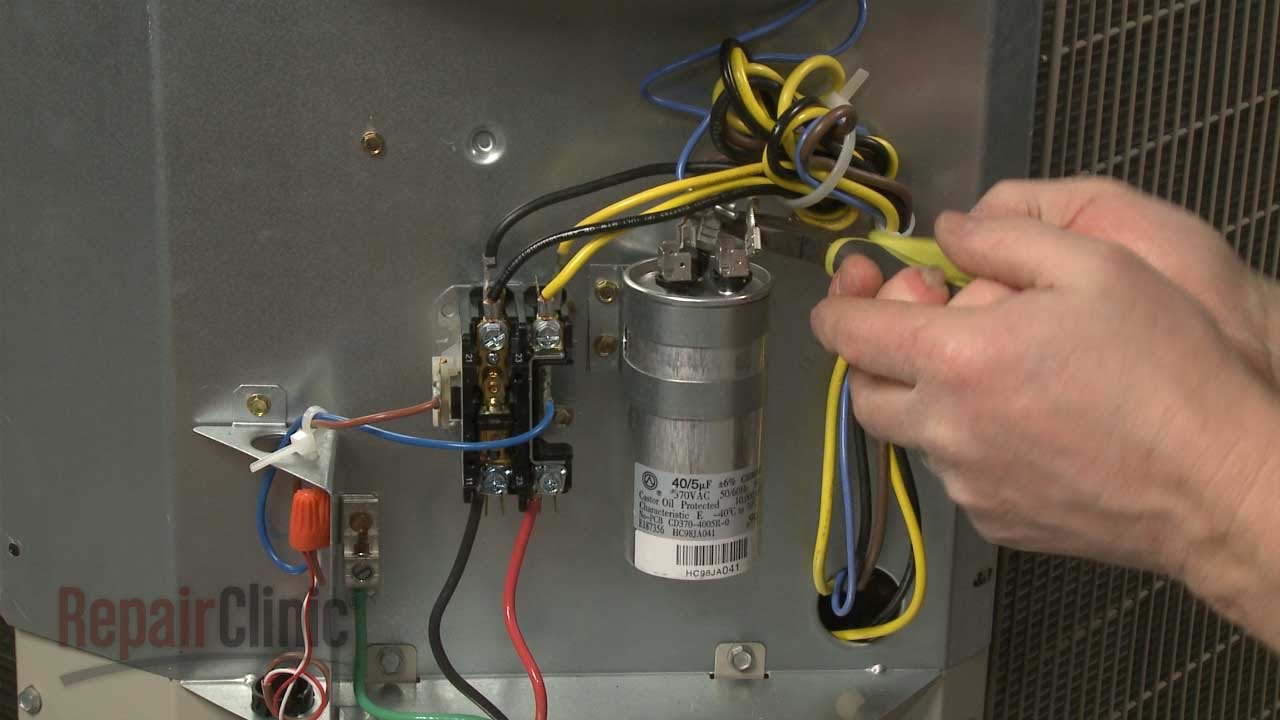
What Is A Capacitor In Ac Unit

An air conditioner is a complex system with many working parts. Among these, the capacitor plays a vital, though often overlooked, role. Understanding what a capacitor is and how it functions within your AC unit can empower you to better maintain your system and potentially save money on repairs.
What is a Capacitor?
At its core, a capacitor is an electrical component that stores energy. Think of it like a small, rechargeable battery, but instead of powering devices for extended periods, it provides a quick burst of energy when needed.
In technical terms, a capacitor consists of two conductive plates separated by an insulator (called a dielectric). When voltage is applied, electrical energy accumulates on the plates, creating an electrical field. This stored energy is then released when the circuit demands it.
Capacitor Basics: Simple Analogy
Imagine a water reservoir on a hill powering a water wheel. The reservoir stores water (energy), and when the wheel needs a push to start turning, the water is released. The capacitor is like that reservoir, holding an electrical charge and releasing it to "kickstart" components in your AC unit.
Capacitors in Your AC Unit: Where Are They and What Do They Do?
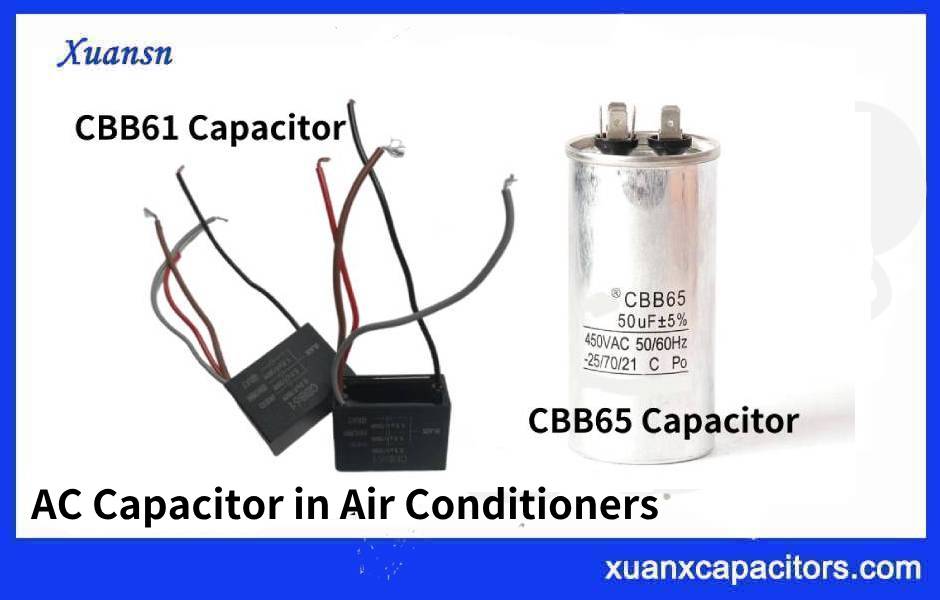
Air conditioners typically use two main types of capacitors: start capacitors and run capacitors.
Start Capacitors
The start capacitor provides a powerful surge of energy to initially start the AC unit's compressor and fan motors. These motors require significantly more energy to get moving than they do to keep running. The start capacitor gives them that initial "oomph."
Once the motor is running, the start capacitor is usually switched out of the circuit. It's designed for a short burst of high-energy output.
Run Capacitors
The run capacitor, on the other hand, remains in the circuit continuously while the AC unit is operating. Its function is to improve the efficiency of the motors by providing a continuous boost. It helps the motors run smoothly and consistently, reducing energy consumption and preventing overheating.
A run capacitor helps create a phase shift in the electrical current, which optimizes the torque and performance of the motors. This is crucial for maintaining consistent cooling and prolonging the life of the AC unit.
Why Are Capacitors Important for AC Function?
Capacitors are crucial for several reasons:
- Starting Power: They provide the necessary surge to start the compressor and fan motors, which are essential for the cooling process.
- Energy Efficiency: Run capacitors optimize motor performance, reducing energy consumption and lowering your electricity bills.
- Motor Protection: By helping motors run smoothly, capacitors prevent overheating and premature wear, extending their lifespan.
- Consistent Cooling: They ensure the compressor and fan motors operate at their optimal speeds, providing consistent and reliable cooling.
Signs of a Failing Capacitor
A failing capacitor can manifest in several ways. Recognizing these symptoms early can prevent further damage to your AC unit.
- Humming Noise: A common sign is a humming noise coming from the AC unit, particularly when it attempts to start. This indicates the motor is struggling to start without sufficient power.
- Hard Starting: The AC unit may struggle to start or take a long time to turn on. It might repeatedly try to start and fail before eventually kicking in.
- AC Not Cooling Properly: If the compressor isn't running efficiently due to a failing run capacitor, the AC unit won't cool as effectively.
- Increased Energy Bills: A struggling motor consumes more electricity, leading to higher energy bills.
- Clicking Sound: You might hear a clicking sound as the compressor attempts to start but fails.
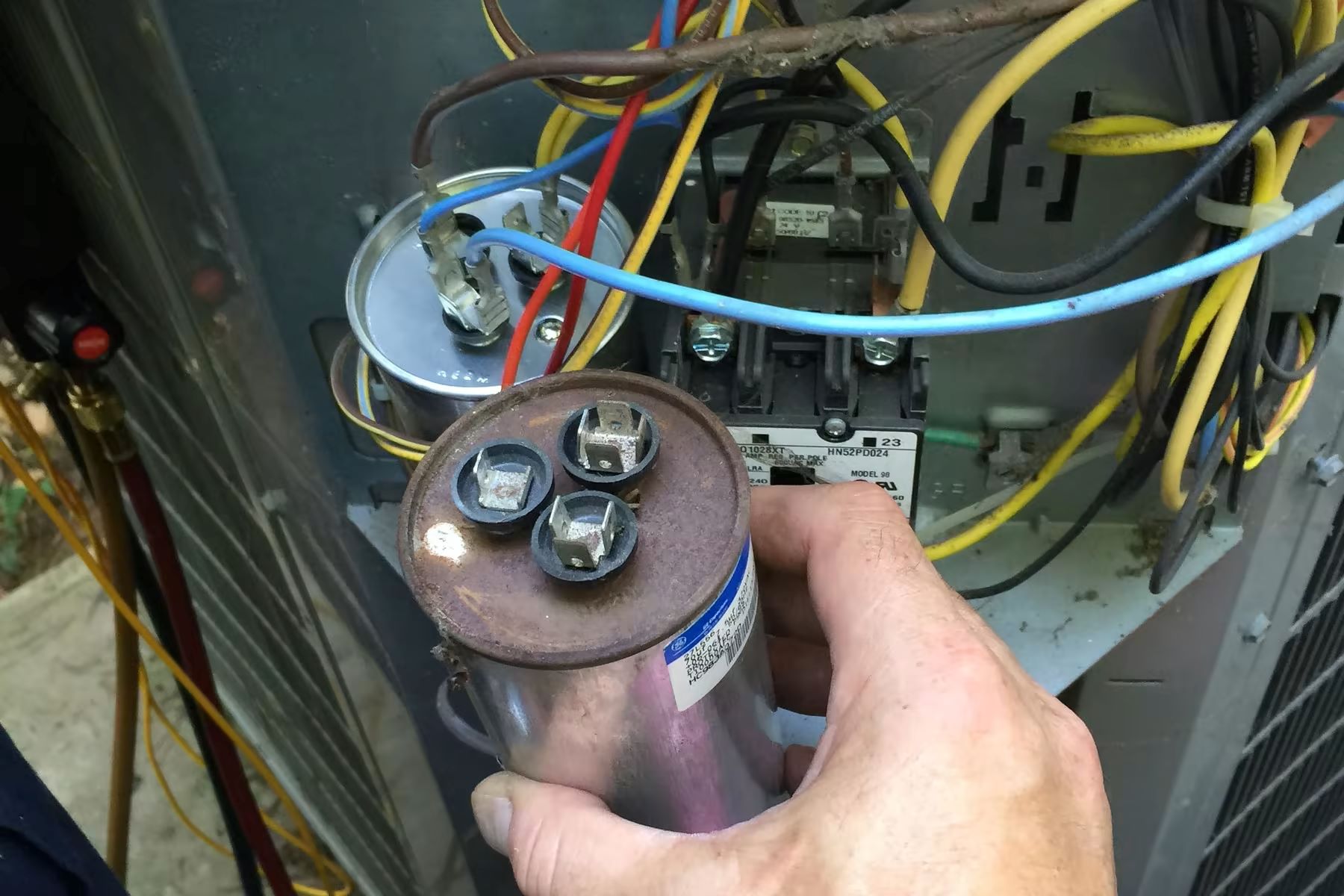
- Visible Damage: Sometimes, you can visually inspect the capacitor. Look for signs of bulging, leaking, or cracking. Important: Do not touch the capacitor if you suspect it is damaged. Capacitors can hold a dangerous electrical charge even when the AC unit is turned off.
What Causes Capacitors to Fail?
Capacitors have a finite lifespan and are susceptible to failure due to several factors:
- Heat: Excessive heat is a major enemy of capacitors. High temperatures can degrade the dielectric material and shorten the capacitor's life.
- Age: Like any electrical component, capacitors degrade over time due to normal wear and tear.
- Voltage Fluctuations: Inconsistent voltage can stress the capacitor and lead to premature failure.
- Physical Damage: Physical damage, such as impacts or vibrations, can also damage the capacitor.
- Overloading: Exceeding the capacitor's rated voltage or current can cause it to fail.
Replacing a Capacitor: DIY or Professional?
Replacing a capacitor can seem like a straightforward task, and in some cases, it might be. However, it's crucial to consider the risks involved before attempting a DIY repair. Working with electricity is inherently dangerous, and capacitors can store a significant electrical charge even when the AC unit is turned off.
When to Consider DIY
If you have experience working with electrical circuits, understand the risks involved, and are comfortable taking necessary safety precautions, you might consider replacing a capacitor yourself. Always disconnect the power to the AC unit at the breaker before attempting any repairs. Use insulated tools and wear appropriate safety gear.
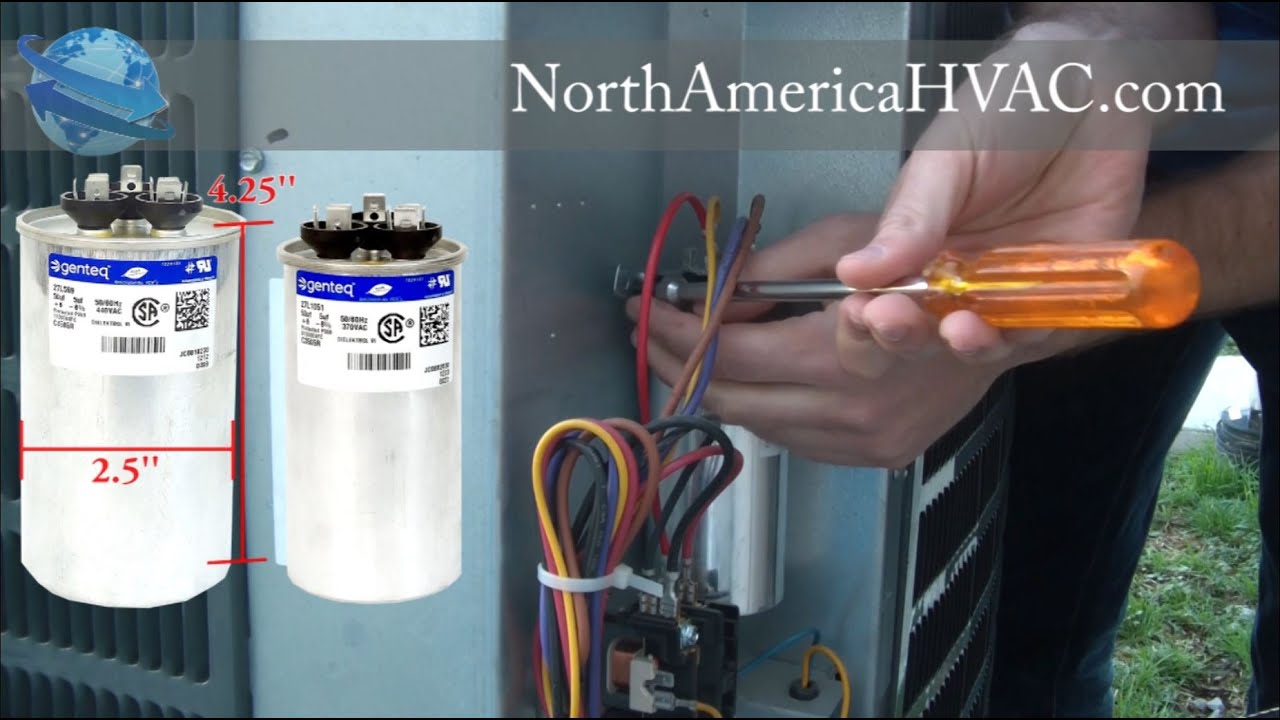
Crucially, you must use the correct replacement capacitor. The replacement must match the original capacitor's microfarad (µF) rating and voltage rating. Using an incorrect capacitor can damage your AC unit.
When to Call a Professional
If you are not comfortable working with electricity, lack the necessary experience, or are unsure about any aspect of the repair, it's best to call a qualified HVAC technician. A professional can safely diagnose the problem, replace the capacitor with the correct one, and ensure the AC unit is functioning correctly.
Calling a professional ensures the job is done safely and correctly, preventing potential damage to your AC unit and protecting you from electrical hazards. They can also identify other potential issues that might be contributing to the capacitor failure.
Preventative Maintenance: Extending Capacitor Life
While capacitors will eventually fail, you can take steps to extend their lifespan:
- Regular AC Maintenance: Schedule regular maintenance with a qualified HVAC technician. They can inspect the capacitors and other components, identify potential problems early, and ensure the AC unit is running efficiently.
- Keep the AC Unit Clean: Clean the outdoor unit regularly to remove debris that can restrict airflow and cause overheating.
- Ensure Proper Ventilation: Make sure the AC unit has adequate ventilation to prevent heat buildup.
- Consider a Surge Protector: A surge protector can help protect the AC unit from voltage fluctuations that can damage capacitors.
- Don't Overwork Your AC: Avoid setting the thermostat too low, as this can put extra strain on the AC unit and its components.
Cost of Capacitor Replacement
The cost of replacing a capacitor can vary depending on several factors, including:
- Type of Capacitor: Start capacitors tend to be less expensive than run capacitors.
- AC Unit Model: The specific capacitor required for your AC unit can affect the price.
- Labor Costs: Professional labor costs will vary depending on your location and the HVAC technician's rates.
Generally, you can expect to pay between $100 and $300 for a professional capacitor replacement, including parts and labor. While DIY replacement might seem cheaper initially, the potential risks and costs associated with improper installation can outweigh the savings.
Conclusion
Capacitors are essential components of your AC unit, playing a vital role in starting and running the compressor and fan motors. Understanding their function, recognizing the signs of failure, and taking preventative maintenance steps can help you keep your AC unit running efficiently and avoid costly repairs. When in doubt, always consult a qualified HVAC technician for diagnosis and repair.