What Is A Car Ac Condenser
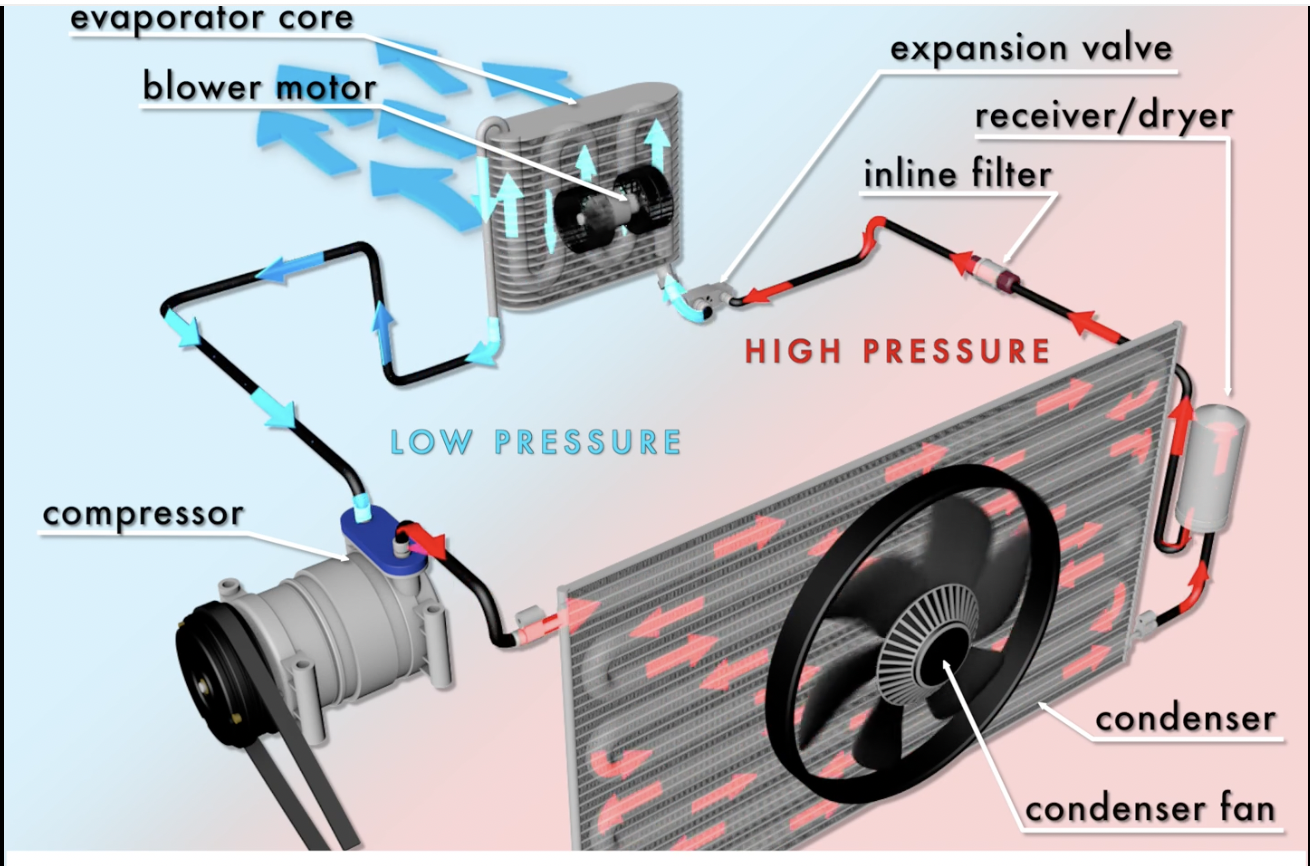
The car AC condenser is a vital component of your vehicle's air conditioning system. Its primary job is to cool down the refrigerant after it has absorbed heat from inside the car. Understanding its function, how it works, and common issues can help you maintain a comfortable driving environment.
What Does a Car AC Condenser Do?
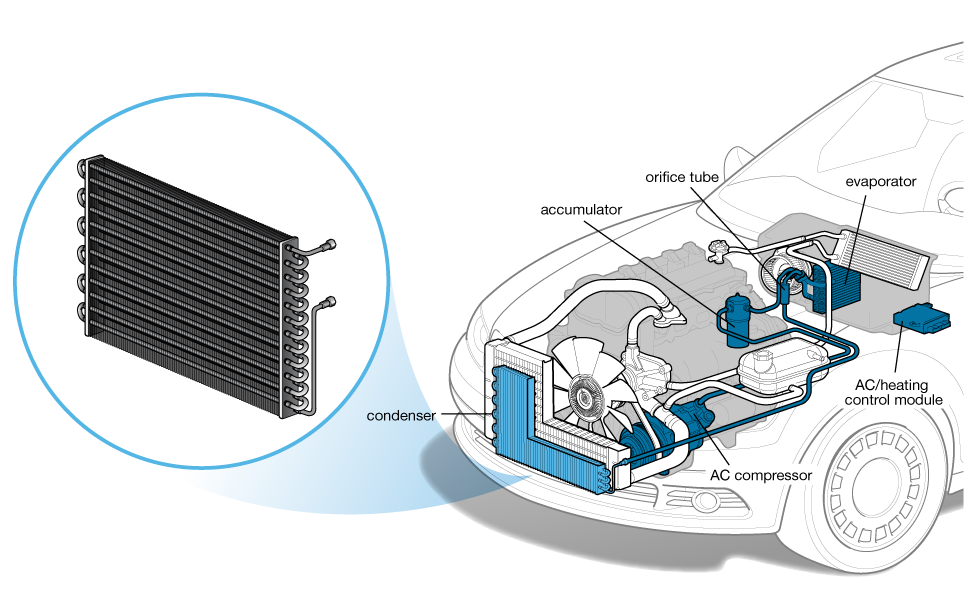
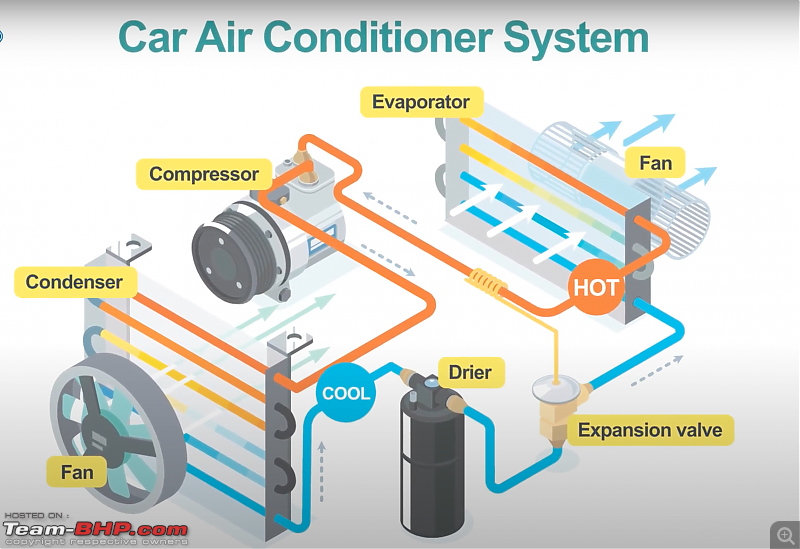
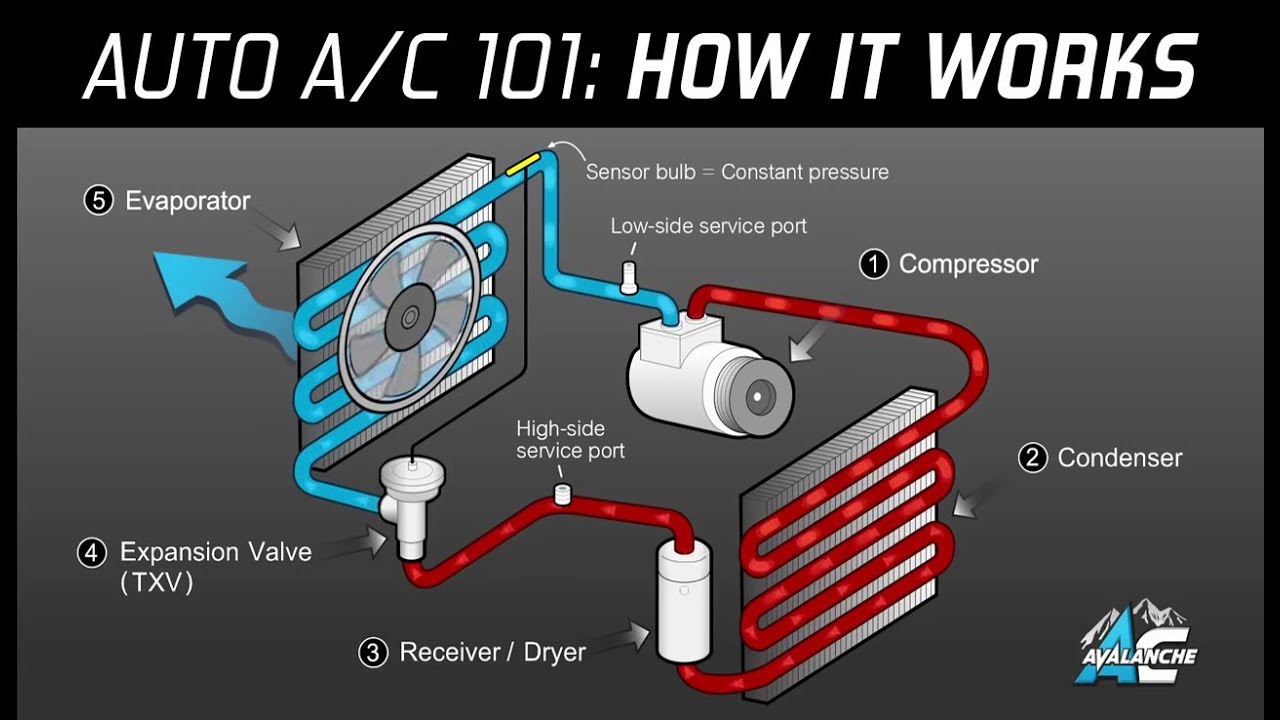
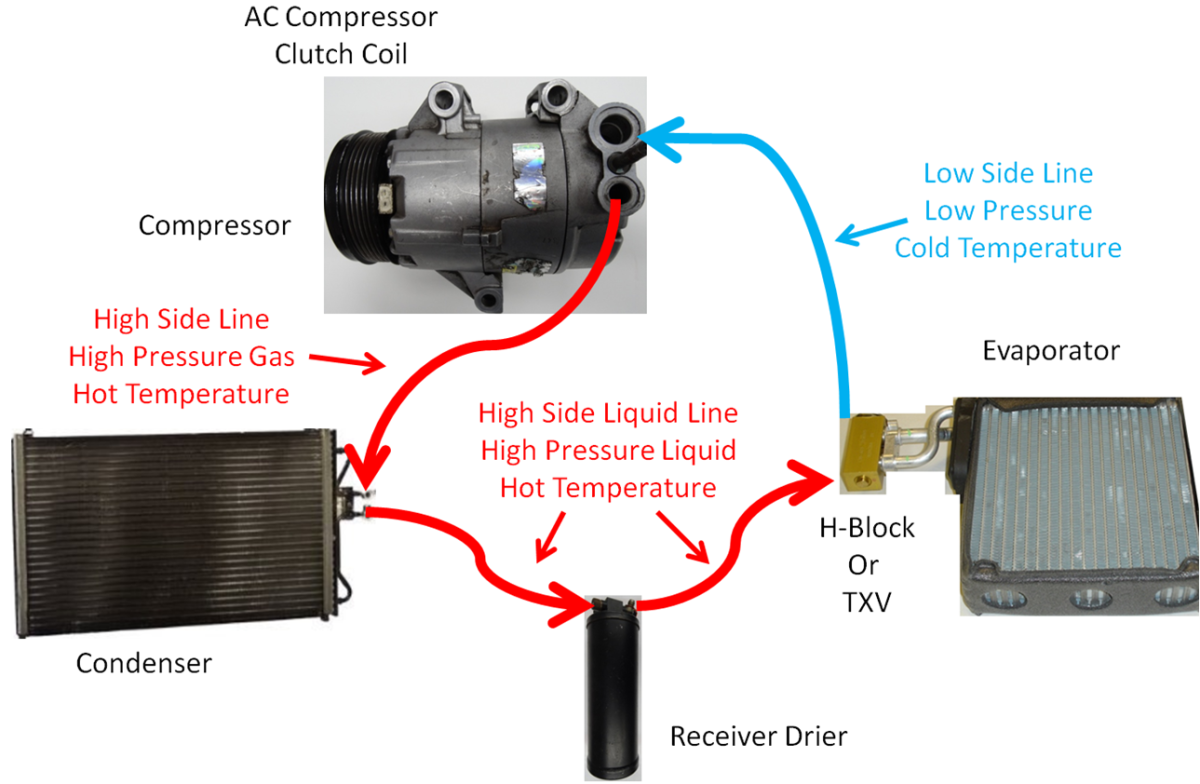
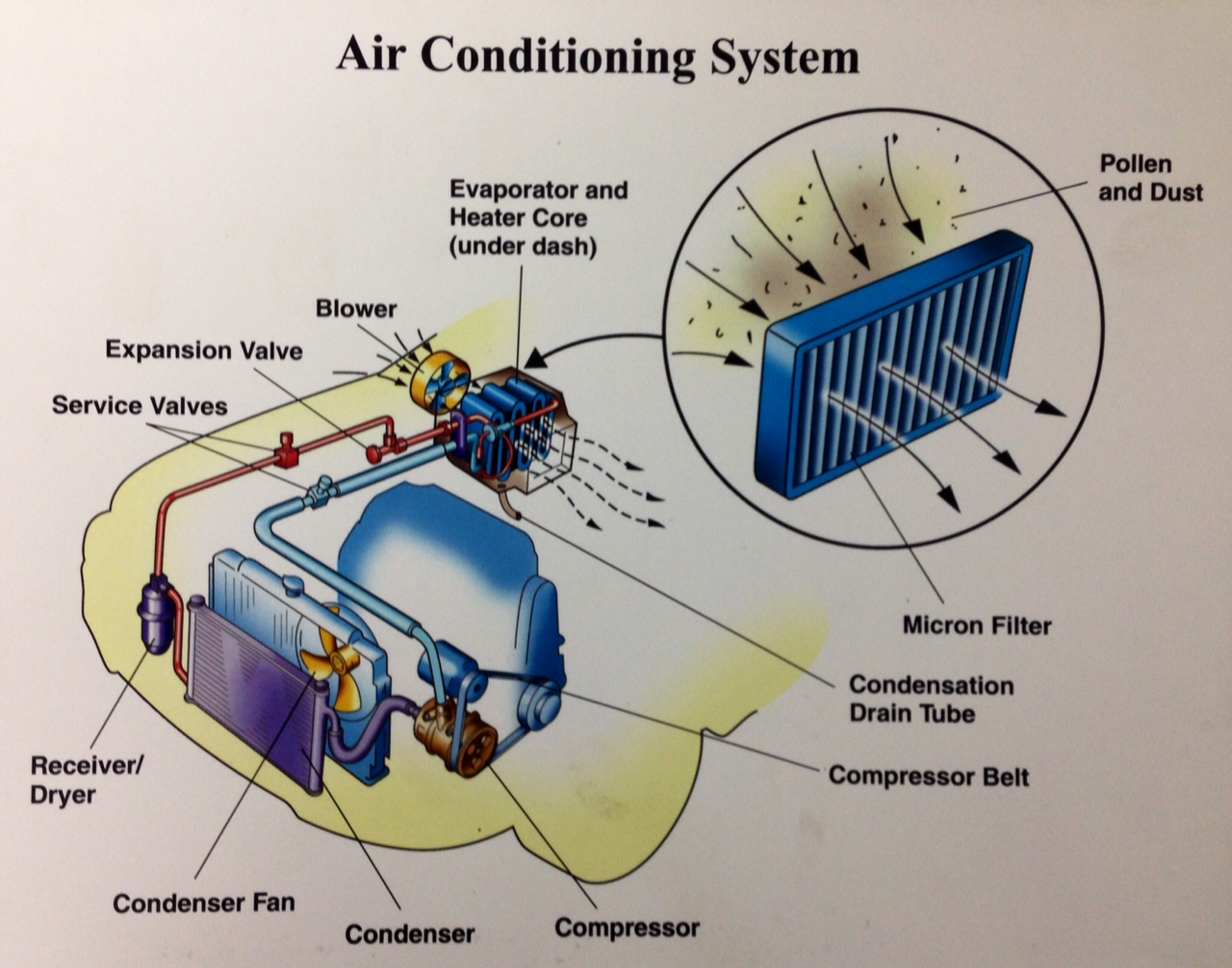
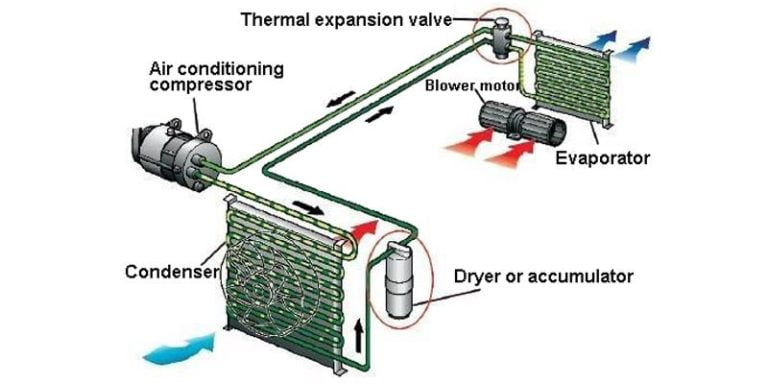
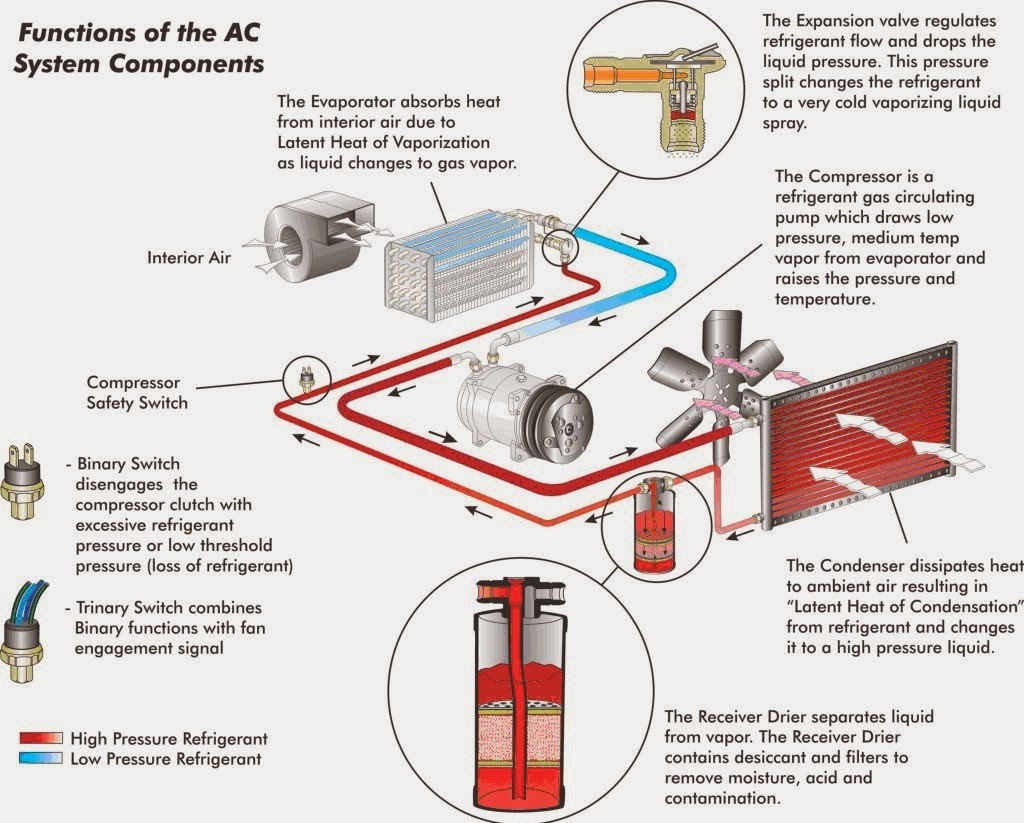
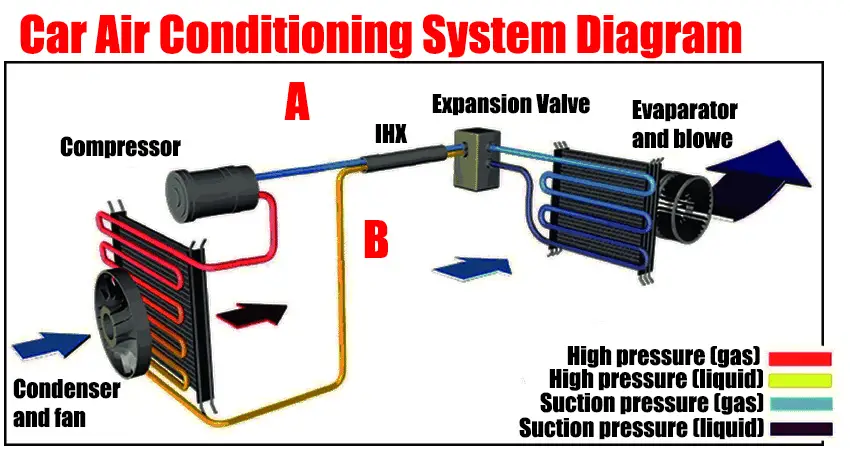
The AC condenser plays a crucial role in the air conditioning cycle. Think of the entire AC system as a closed loop. The refrigerant constantly circulates, changing its state from gas to liquid and back again to transfer heat. The condenser sits between the compressor and the expansion valve in this loop, and its main task is to transform hot, high-pressure refrigerant gas into a cooler, high-pressure liquid. To fully grasp its function, it’s helpful to understand the basic principle of how air conditioning works.
Here's a simplified breakdown:
- The Compressor: Compresses the refrigerant gas, increasing its temperature and pressure.
- The Condenser: Cools the hot, high-pressure refrigerant gas, causing it to condense into a liquid.
- The Expansion Valve/Orifice Tube: Reduces the pressure of the liquid refrigerant, causing it to cool rapidly.
- The Evaporator: The cold, low-pressure refrigerant absorbs heat from the air inside the car, turning back into a gas. This cools the air blowing into the cabin.
- Back to the Compressor: The refrigerant gas returns to the compressor to start the cycle again.
Therefore, the condenser is essential for removing heat from the refrigerant. Without a properly functioning condenser, the refrigerant would not cool down sufficiently, and the AC system would not be able to effectively cool the car's interior.
How Does a Car AC Condenser Work?
The car AC condenser works on the principle of heat exchange. It is typically located at the front of the vehicle, often in front of the radiator. This placement allows it to receive a direct flow of air, which aids in the cooling process. The condenser's design is similar to a radiator, featuring a series of thin tubes and fins. Here's a more detailed look at the process:
- Hot Refrigerant Enters: Hot, high-pressure refrigerant gas from the compressor enters the condenser.
- Heat Dissipation: As the refrigerant flows through the condenser's tubes, it comes into contact with the metal fins. These fins increase the surface area exposed to the surrounding air.
- Airflow Cooling: Air flows across the fins, either naturally as the car moves or by the assistance of an electric cooling fan. This airflow draws heat away from the fins and, consequently, from the refrigerant inside the tubes.
- Phase Change: As the refrigerant cools, it undergoes a phase change from a gas to a liquid. This process releases a significant amount of heat.
- Cool, Liquid Refrigerant Exits: The now cool, high-pressure liquid refrigerant exits the condenser and flows towards the expansion valve.
The effectiveness of the condenser is directly related to the airflow across its surface. Obstructions, such as debris or bent fins, can significantly reduce its cooling capacity.
Common Problems with Car AC Condensers
Like any mechanical component, the car AC condenser is susceptible to problems over time. Here are some common issues that can arise:
- Leaks: Leaks are a frequent problem, often caused by corrosion, physical damage from road debris (rocks, salt), or wear and tear. Refrigerant leaks will cause the AC system to lose its cooling capacity. Finding the leak can be difficult, often requiring specialized dyes and UV lights.
- Corrosion: Exposure to moisture, salt, and other road chemicals can cause corrosion of the condenser's metal components, especially in regions with harsh winters. Corrosion can lead to leaks and reduced efficiency.
- Physical Damage: The condenser's location at the front of the car makes it vulnerable to damage from impacts, such as collisions or hitting road debris. Bent fins or punctured tubes can impair its function.
- Clogging: Debris, such as leaves, insects, and dirt, can accumulate on the condenser's fins, restricting airflow and reducing its cooling capacity. Regular cleaning can help prevent this issue.
- Fan Malfunction: If the condenser cooling fan fails (if equipped), the condenser's ability to dissipate heat will be significantly reduced, especially when the car is stationary or moving slowly.
Symptoms of a Failing Car AC Condenser
Recognizing the symptoms of a failing car AC condenser can help you address the issue promptly and prevent further damage to the AC system. Here are some telltale signs:
- Weak or Warm Air: The most obvious symptom is a noticeable decrease in the AC system's cooling performance. The air blowing from the vents may be weak, warm, or not as cold as usual.
- AC Works Intermittently: The AC may work sometimes and not others. This can be due to the condenser's inability to consistently cool the refrigerant effectively.
- Unusual Noises: Strange noises coming from the AC system, such as hissing or gurgling sounds, could indicate a refrigerant leak caused by a damaged condenser.
- Overheating Engine: In some cases, a severely clogged or damaged condenser can restrict airflow to the radiator, leading to engine overheating. This is less common but can occur.
- Visible Damage: Inspecting the condenser for visible signs of damage, such as bent fins, corrosion, or leaks, can help diagnose the problem.
Maintaining Your Car AC Condenser
Proper maintenance can extend the life of your car AC condenser and ensure optimal performance. Here are some maintenance tips:
- Regular Cleaning: Periodically clean the condenser's fins to remove debris and ensure adequate airflow. Use a soft brush and a gentle cleaning solution. Avoid using high-pressure washers, as they can damage the delicate fins.
- Inspect for Damage: Regularly inspect the condenser for any signs of damage, such as bent fins, corrosion, or leaks. Address any issues promptly to prevent further damage.
- Professional AC Service: Schedule regular AC service with a qualified technician. They can check the refrigerant levels, inspect the system for leaks, and ensure all components are functioning properly.
- Protect from Road Debris: Consider installing a mesh screen or guard in front of the condenser to protect it from road debris.
Replacing a Car AC Condenser
If the car AC condenser is severely damaged or beyond repair, it may need to be replaced. Replacing a condenser is a moderately complex task that generally should be performed by a trained mechanic. Here's a general overview of the process:
- Refrigerant Recovery: The first step is to safely recover the refrigerant from the AC system using specialized equipment. This is essential to prevent the release of harmful gases into the atmosphere.
- System Evacuation: The system is then evacuated to remove any remaining refrigerant and moisture. This helps to ensure proper operation of the new condenser.
- Condenser Removal: The old condenser is carefully removed from the vehicle. This usually involves disconnecting refrigerant lines and removing any mounting hardware.
- New Condenser Installation: The new condenser is installed in its place, and the refrigerant lines are reconnected.
- System Recharge: The AC system is recharged with the correct amount of refrigerant according to the vehicle manufacturer's specifications.
- Leak Testing: After recharging the system, it is leak-tested to ensure that there are no leaks in the new connections.
- Performance Testing: Finally, the AC system's performance is tested to ensure that it is cooling properly.
Cost of Replacement: The cost of replacing a car AC condenser can vary depending on the vehicle's make and model, the price of the replacement condenser, and the labor costs. It's always best to get quotes from several different shops to compare prices.
Choosing a Replacement Condenser
When replacing a car AC condenser, it's essential to choose a high-quality replacement that is compatible with your vehicle. Here are some factors to consider:
- OEM vs. Aftermarket: You can choose between an OEM (Original Equipment Manufacturer) condenser or an aftermarket condenser. OEM condensers are made by the vehicle manufacturer and are designed to meet the exact specifications of your car. Aftermarket condensers are made by third-party manufacturers and can be a more affordable option.
- Quality and Construction: Look for a condenser that is made from high-quality materials and is built to withstand the harsh conditions under the hood. Check for features such as corrosion resistance and durable construction.
- Compatibility: Ensure that the replacement condenser is compatible with your vehicle's make, model, and year. Consult with a qualified mechanic or refer to your vehicle's owner's manual for specific recommendations.
- Warranty: Check the warranty offered by the manufacturer. A longer warranty can provide peace of mind and protect you against defects.
Conclusion
The car AC condenser is a critical component of your vehicle's air conditioning system, responsible for cooling the refrigerant and enabling the AC to provide a comfortable driving environment. Understanding its function, common problems, and maintenance requirements can help you keep your AC system running smoothly for years to come. Regular maintenance, prompt repairs, and choosing a high-quality replacement condenser when necessary are all essential for ensuring optimal AC performance.